
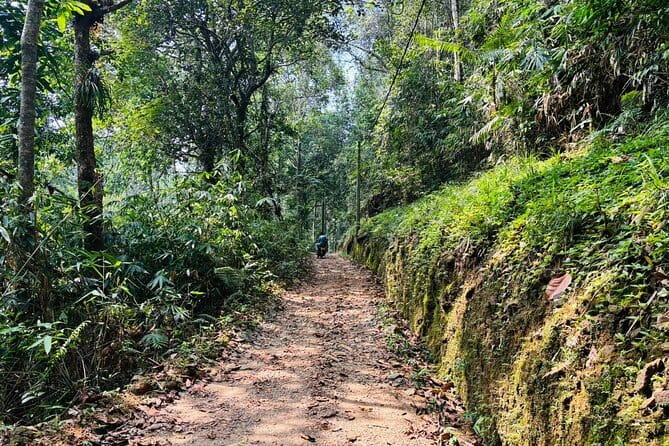
Reviewed · SRI LANKA
Dediyagala Village Tour(from Galle, Mirissa, Ahangama, Matara)
Dediyagala gives you something the south coast beaches cannot: a close look at daily village life beside forest, tea country, paddy fields, and clean mountain water. The day can include tea factory visits, a walk to a monastery, bird watching, village work, a river bath, and lunch cooked with homemade spices. Guide Kavind is noted for clear English and an easy, friendly manner.
I like the flexible plan. You can choose a quiet village walk, a forest trek, tea plucking, cinnamon making, or a cookery lesson instead of being pushed through a fixed checklist. I also like the food and the chance to eat a traditional lunch after a river bath. The main consideration is that the route involves walking on uneven ground, and the pickup details need checking because the tour advertises pickup from the southern coast but lists Akuressa Bus Stand as the formal start.
Key points before you book
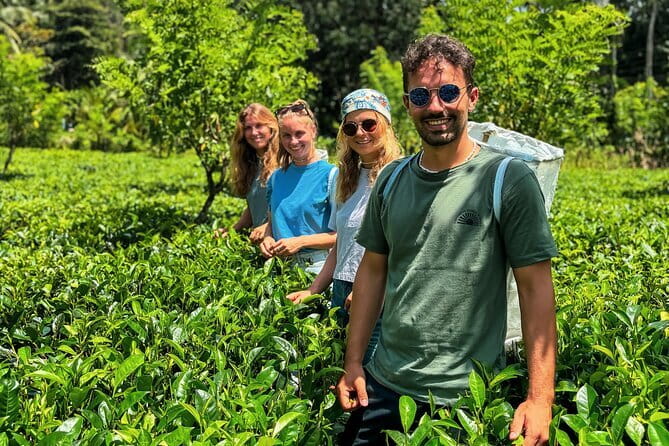
- A real village setting: Walk through paddy fields, tea estates, forest, and small hills around Dediyagala rather than staying on a standard sightseeing route.
- Optional factory visits: Add a tea factory and a kithul treacle factory before reaching the village if those stops appeal to you.
- A forest river bath: You may bathe in clear water flowing from the forest, a memorable part of the day but one that depends on weather and personal comfort.
- Flexible activities: Choose from tea plucking, cinnamon making, cooking, village walks, trekking, and quiet nature stops.
- Small groups: The maximum is six people, which suits visitors who want conversation and room to adjust the pace.
- Strong value at $45: Lunch, tea or coffee, private transport, and a certified guide are included, though bottled water and an air-conditioned vehicle are not.
Why Dediyagala feels different from a beach day
From Galle, Mirissa, Ahangama, or Matara, it is easy to spend your whole Sri Lankan holiday near the coast. Dediyagala gives you a reason to head inland. The setting shifts from beach towns and roads to green village paths, tea plots, forest, and small mountains.
The appeal is not a famous monument with a long queue. It is the chance to see how a southern Sri Lankan village fits together. You can walk beside paddy fields, look across tea country, visit a monastery in a forest setting, and stop to ask how cinnamon or tea is made.
That makes the tour a good choice if you want local contact without arranging a complicated rural trip on your own. You have a guide, transport, food, and a loose plan, but the day still leaves room for conversation and small discoveries.
Do not expect a polished theme park or a fast-moving list of attractions. Some paths may be muddy or uneven, and the weather can affect the forest section. This is a day for slowing down, not counting sights.
Other days travellers book out of Southern Province:
- Private Tour : YALA National Park with Experienced Driver and Guide
★ 4.5 · 66 reviews - Yala National Park Safari : Special Guided Tour
★ 5.0 · 57 reviews - Sinharaja’ rainforest – Discovery Tour (half day)
★ 5.0 · 21 reviews
The optional tea and kithul factory stops
Before reaching Dediyagala, the operator can arrange visits to a tea factory and a kithul treacle factory. These stops are optional, so tell the guide what interests you when you book or at the start of the day.
The tea factory adds useful context to the tea you drink across Sri Lanka. You can see the production side of an ingredient that often feels anonymous once it reaches a hotel breakfast table. One part of the tour has been described as especially interesting, with time to taste the tea afterward.
Kithul treacle is another local specialty. It comes from the kithul palm and is used in traditional Sri Lankan food. A factory visit gives the day a second angle, moving beyond tea and into a product many visitors may not encounter on a normal south coast itinerary.
These stops may make the day feel longer, so decide what matters most to you. If you care more about forest time and village activities, ask for a shorter factory visit. If tea production is new to you, keep it in the plan.
Arriving at Akuressa and meeting the guide
The stated meeting point is Akuressa Bus Stand on the A17. The tour also offers pickup, with Galle, Mirissa, Ahangama, and Matara named in the title, so confirm the exact pickup arrangement before paying for other transport.
This point matters. A pickup from your base is convenient, while meeting in Akuressa means you must organize the first part of the journey yourself. The formal end point is the same meeting point, so ask whether your return transfer finishes at your accommodation or back in Akuressa.
The group limit is six people. That is small enough for you to hear the guide, ask questions, and request a change of pace. It also suits a mixed group where one person wants a longer walk and another prefers more time around the village or lunch table.
Kavind is identified in the tour material as a guide who speaks English well. His background in the area helps with the human side of the visit, especially when you are meeting village people or asking how local work is done.
Walking through the village, fields, and tea country
After arrival, you receive a welcome drink. You can choose tea or king coconut, a simple start that fits the setting better than a packaged refreshment.
The village walk is flexible. You might head toward paddy fields, tea estates, small hills, or another route suited to the day. A walk beside the fields gives you a clear sense of how close farming, homes, paths, and forest are in this part of southern Sri Lanka.
The route can also include a monastery. A quiet stop there adds a cultural layer to the day without turning it into a formal temple circuit. You can ask questions as you walk, and the visit leaves space to notice small details such as birds, plants, homes, and changing views.
Some parts of the walk may be exposed to sun, while the forest section can be damp and shaded. Wear shoes with a firm grip and clothing you do not mind getting dusty or wet. The tour description allows you to customize the walk, so tell the guide if you want gentle village time rather than a harder forest route.
Same base, a completely different day:
- Nandana Tea Walking Tour in Sri Lanka
★ 5.0 · 16 reviews - Yala National Park Safari – Private Tour
★ 5.0 · 14 reviews - Yala National Park Safari FULLDAY and HALFDAY Expert Guided Tour
★ 4.5 · 12 reviews - Guided Leopard Safari in Yala National Park in a Land Rover Defender
★ 5.0 · 11 reviews
Choosing a forest trek in Dediyagala

The forest reserve is the most active part of the day. You can take a trekking route through the rainforest area, with the possibility of seeing wild animals and birds. Sightings are never guaranteed, but the setting gives you a better chance to notice native life than a quick roadside stop.
The forest section is valuable because the guide can connect what you see with the surrounding village. Water begins in the forest and runs down toward the places where people live and work. That link between forest, stream, farming, and home cooking gives the day a clear sense of place.
The walk to the monastery and the short forest route are mentioned as manageable highlights, but the exact conditions can change. Rain can make paths slippery, and poor weather may cancel the tour altogether. The experience requires good weather, with a different date or a full refund offered if the operator cancels for that reason.
If you dislike wet paths, insects, or uneven ground, you can ask for more time in the village instead. Most people can take part, but the tour is not designed as a fully paved sightseeing outing.
Tea plucking, cinnamon, and a local cooking lesson
You can add hands-on village activities if you want more than walking. Options include tea plucking, cinnamon making, and a cookery lesson.
Tea plucking gives you a direct connection to the factory visit, if you choose both. You see not only how tea is processed but also part of the work that comes before the leaves arrive at the factory.
Cinnamon making offers a different look at local agriculture. The activity makes sense for curious cooks and food lovers because cinnamon is easy to recognize in a spice jar but less familiar in its working form.
The cooking lesson is a good choice if food is one of your main reasons for visiting Sri Lanka. The tour uses homemade spices in its lunch, so the lesson can help you understand the flavors on your plate rather than simply eating a prepared meal.
You should not assume every activity happens in one packed schedule. The itinerary is deliberately adjustable. Tell the guide whether you prefer food, farming, walking, or nature, and allow time for the day to develop at a relaxed pace.
The forest river bath and traditional lunch

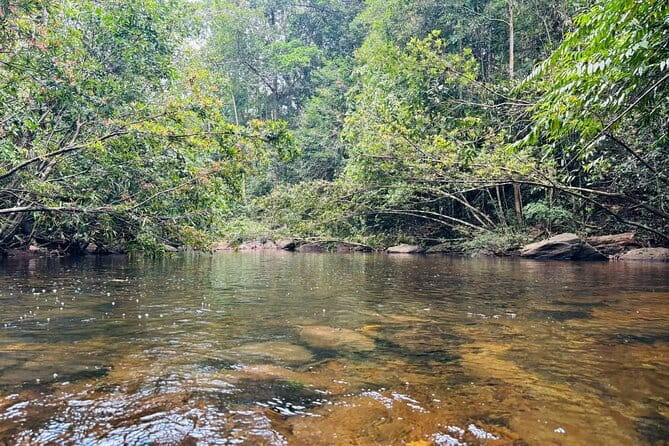
The river bath is the tour’s most memorable physical activity. In the forest, you may bathe in water described as pure and untouched, flowing from the reserve. It is a chance to cool off after walking and to experience the setting rather than only photograph it.
Bring swimwear, a small towel, and a dry change of clothes. Bottled water is not included, so carry your own drinking water unless you plan to buy it separately. The operator provides tea or coffee and a welcome drink, but those are not a substitute for regular hydration during a warm walk.
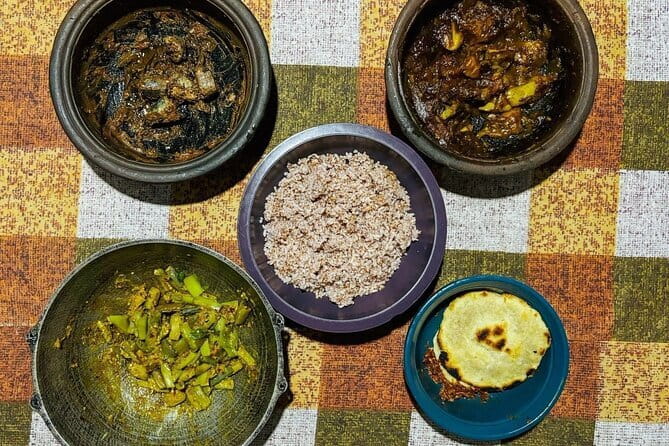
Lunch is included and consists of traditional homemade food prepared with homemade spices. It can be served after the river bath in the forest or later at the guide’s home, depending on what you choose.
The meal is one of the strongest reasons to book this tour. It gives you a taste of southern home cooking in a setting connected to the village, rather than a restaurant meal designed for a passing crowd. Expect a shared, informal part of the day, with hospitality playing as large a role as the food itself.
If you have dietary restrictions, ask before booking. The supplied details do not specify vegetarian, vegan, allergy, or religious meal arrangements.
Ending with coffee at the guide’s home

After the forest and village activities, you return toward the village and finish with coffee at the guide’s home. This closing stop gives the day a natural rhythm. You are not simply dropped back at the meeting point after the last attraction.
A home visit can be one of the most personal parts of a rural tour, but it also means you should be comfortable with an informal setting. If you prefer a faster finish, mention that in advance. If you enjoy conversation, this is a good time to ask about the area, village life, or the activities you have seen.
The tour includes private transportation, so transfers between the village, factory stops, and walking areas are covered. An air-conditioned vehicle is not included unless you select that option. In southern Sri Lanka, that distinction matters on a hot day, especially if you are coming from the coast.
Is $45 a fair price?
At $45 per person, the tour offers good value if you use several of its components. You are paying for roughly six hours, private transport, a certified guide, a welcome drink, lunch, coffee or tea, and access to a flexible program of village and forest activities.
The price is especially reasonable for a small group of up to six. A larger bus tour might cost less per person, but it would be less suited to changes in pace or personal interests. Here, you can choose between a longer forest walk, tea work, cinnamon, cooking, or a more relaxed village route.
The value drops if you only want a short walk and do not care about the food, factory visits, or river bath. It also drops if you expect a fully air-conditioned vehicle, since that is an optional upgrade, or if you need bottled water supplied.
Compare the price with what it would cost to arrange transport, a local guide, a factory stop, lunch, and a forest visit separately. The convenience is a major part of the value.
Who should book this Dediyagala day?
I would recommend it to you if you want to meet local people, eat home cooking, and see rural southern Sri Lanka beyond the main beach towns. It is a good match for couples, friends, families with older children, and small groups who enjoy walking and flexible plans.
It also suits visitors who like learning by doing. Tea plucking, cinnamon making, cooking, and the factory visits offer more involvement than simply looking at scenery from a vehicle.
You should think twice if you want a tightly timed sightseeing route, guaranteed wildlife, luxury transport, or a fully predictable surface underfoot. The forest and river sections depend on weather, and the day is intentionally informal.
Service animals are allowed, and the tour is near public transportation. Most people can participate, but the walking and bathing options may not suit every mobility level. Ask the provider about your specific needs before booking.
Practical booking advice
Confirm three points before you go: your pickup location, the vehicle type, and which optional activities you want. The official meeting point is Akuressa Bus Stand, while pickup is offered from several south coast towns, so do not leave that detail unclear.
Wear practical clothes and shoes for village paths and forest walking. Pack swimwear, a towel, a change of clothes, sunscreen, insect protection, and drinking water. These suggestions follow directly from the walk, river bath, and lack of included bottled water.
The activity is weather dependent. You can cancel for a full refund up to 24 hours before the start time. Cancellations or changes made within 24 hours are not refunded or accepted, and the operator may offer a new date or full refund if bad weather or an insufficient number of bookings cancels the outing.
Should you book it?
Book this tour if you want a personal, food-centered day in the countryside and prefer a flexible village visit to a standard attraction list. The combination of tea, forest, river, homemade lunch, and a small group gives you plenty for $45.
I would choose it for the chance to see Dediyagala at a human pace, especially if Kavind is guiding and you value clear conversation. Just confirm the pickup plan, ask which activities are possible on your date, and prepare for walking, weather, and a less polished rural setting.
FAQ
How long does the Dediyagala Village Tour last?
The tour lasts approximately six hours.
Where does the tour start?
The stated meeting point is the Bus Stand in Akuressa, at 3FXH+R29, A17, Akuressa, Sri Lanka. Pickup is also offered, so confirm the exact arrangement when booking.
Where does the tour finish?
The activity ends back at the meeting point.
What is included in the price?
Coffee or tea, lunch, private transportation, and a certified tour guide are included.
Is bottled water included?
No. Bottled water is not included.
Can I visit a tea factory?
Yes. A tea factory visit can be arranged before reaching Dediyagala if you want one.
What village activities can I choose?
Possible activities include tea plucking, cinnamon making, a cookery lesson, village walks, forest trekking, and a river bath. You can customize the program with the guide.
What is the cancellation policy?
You can cancel at least 24 hours before the start time for a full refund. Cancellations or changes made less than 24 hours before the start time are not refunded or accepted. If poor weather or an insufficient number of bookings cancels the tour, you will be offered another date or a full refund.
Just added around Southern Province
- Best Yala Shared Leopard Safari: Tissamaharama Wildlife Tours★ 5.0 · 5 reviews
- Yala National Park Safari – Private Tour★ 5.0 · 14 reviews
- Yala National Park Safari FULLDAY and HALFDAY Expert Guided Tour★ 4.5 · 12 reviews
- Private Transport Service from Sri Lanka★ 5.0 · 7 reviews
- Yala National Park Safari | Jeep with Tickets★ 5.0 · 3 reviews
- Sinharaja’ rainforest – Discovery Tour (half day)★ 5.0 · 21 reviews
- Guided Leopard Safari in Yala National Park in a Land Rover Defender★ 5.0 · 11 reviews
- Nandana Tea Walking Tour in Sri Lanka★ 5.0 · 16 reviews