

Reviewed · TUK TUK TOURS
From Negombo: City Tour & Fishing Village Tour by Tuk-Tuk
Negombo’s story makes the most sense from the back of a tuk-tuk, with fish carts, churches, temples, canals, and colonial ruins passing close by. The visit to Lellama seafood market gives you the clearest look at daily life, especially when fishermen are bringing in their catch.
I like the way this tour joins several faiths and eras in one morning, from St. Mary’s Church to Sri Singama Kali Amman Kovil and Angurukaramulla Temple. I also like the private format, since your guide can explain things, take photos, and adjust the pace rather than shepherding a large crowd.
The main thing to consider is timing. The fish market may be closed on certain religious holidays, as happened on Good Friday, and the schedule lists several stops in a tight window. The tour is best for a broad first look, not a slow, detailed visit to every site.
Key points to know before booking
- Lellama fish market brings you close to working Negombo: You may see fishermen arriving with the day’s catch and the famous local catamarans.
- Six different sides of the city fit into one private ride: Churches, a Hindu kovil, a Buddhist temple, a canal, a market, and a Dutch fort all appear in the morning.
- The tuk-tuk is part of the experience: It keeps you close to street life and makes short city transfers simple.
- The guides can make a real difference: Samantha, Fernando, and Simon have been praised for facts, kindness, punctuality, and photography.
- The tour is priced at $40 per person: That includes hotel transport, entrance fees, fuel, parking, refreshments, water, taxes, and the guide’s driving service.
- The schedule is brisk: You get a useful overview in four hours, but major stops may be short visits or photo stops.
Why Negombo works well by tuk-tuk
Negombo is often treated as a place to sleep near the airport, but that misses the point. This is a working coastal city with a long Catholic tradition, Hindu and Buddhist places of worship, old Dutch infrastructure, and a fishing economy that still shapes everyday life.
A tuk-tuk suits the city better than a sealed vehicle for a short orientation tour. You sit close to the road, notice more of the street, and can get from one stop to another without turning the morning into a transport exercise. The ride is also private, so you are not sharing every stop with a large group.
The tour lasts four hours and includes pickup and return from listed areas: Waikkal, Kammala, Negombo, Wattala, and Katunayake. Hotel pickup is specifically available from hotels in Waikkal, so it is worth confirming your exact address before booking if you are staying elsewhere in the wider pickup area.
The timing begins at 8:00 in the morning. That early start matters most for Lellama, where the fishing activity is tied to the day’s work rather than a fixed museum timetable. The supplied schedule has a few inconsistent time references, so treat the times as an outline rather than a minute-by-minute promise.
Other ways to see the whole city in Negombo:
- Negombo city tour by Tuk Tuk Hotel Pickup & Guide
★ 5.0 · 221 reviews - Half-Day Negombo City Tour with Ayurvedic Massage & Local Lunch
★ 5.0 · 87 reviews - Negombo City Tour by Tuk Tuk with hotel pickup
★ 5.0 · 42 reviews
Lellama market and the working fishing coast
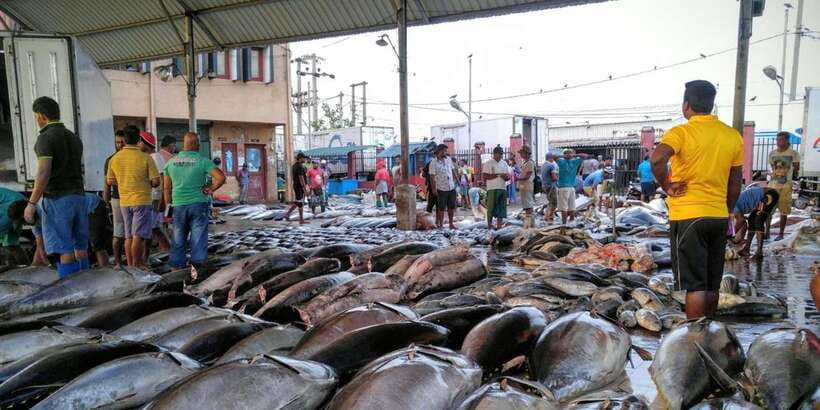
The first substantial stop is Lellama seafood market, where you can see Negombo’s fishing trade at close range. The point is not polished presentation. This is a working market, and you may see local fishermen bringing in the catch, buyers moving about, and the broad, distinctive catamarans that are closely linked with the coast.
For me, this is the most valuable part of the morning because it connects the city’s history to present-day life. A fort can tell you who ruled Negombo, but a fish market shows you what keeps the city moving now.
Come prepared for an active setting. Fish markets can be wet, busy, and strongly scented. Wear shoes that you do not mind getting splashed, and keep your phone secure while taking pictures. The tour includes refreshments and water, but it does not include other personal expenses, so do not assume food purchases are covered.
The market is not guaranteed to operate normally every day. On Good Friday, it was closed, and the guide explained the change at the start before adding other sites. That is a good example of why a private tour can be useful: the morning can be adjusted when a religious observance changes the plan.
St. Mary’s Church and Negombo’s Catholic identity
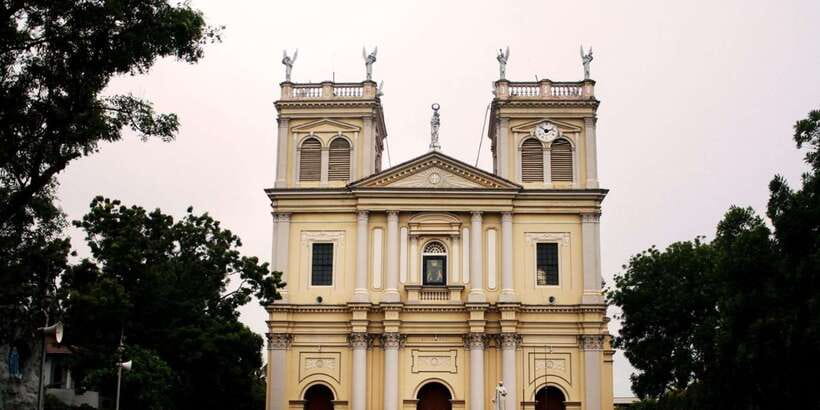
St. Mary’s Church offers a very different view of the city. Negombo has had a strong Christian presence since the Portuguese colonial period, and the church reflects that long connection.
Construction resumed in 1874 and was completed in 1922. Those dates help you read the building as more than a quick photo stop. It belongs to a period when religious buildings were also public statements about the city’s community, outside influence, and changing identity.
Your guide can explain the church’s place in Negombo’s Catholic tradition while you look at its architecture and interior details. The information provided does not promise a long guided visit or a particular service schedule, so think of this as a focused sightseeing stop. If a service is taking place, quiet behavior and appropriate clothing matter.
This is also one of the stops that shows why the tour is more than a colonial ruins circuit. Negombo’s past is not limited to forts and canals. It is also found in living religious communities that remain part of the city.
Sri Singama Kali Amman Kovil and a change of visual language
The visit to Sri Singama Kali Amman Kovil shifts the mood and the visual style again. The Hindu temple is known for its murals and sculptures, offering a strong contrast with the church’s European architectural influence.
A kovil is an active place of worship, so you should approach it with the same care you would show at any religious site. The tour includes time to visit, walk, take photographs, and look around, but the exact amount of free time can depend on the morning’s pace and temple conditions.
I like this pairing of church and kovil because it avoids presenting Negombo as a single-identity destination. In a short distance, you see different traditions shaping the same city. Your guide’s explanations are especially useful here, since a quick look at colorful sculptures does not tell you much without context.
Other tuk tuk rides in Negombo:
- Fun and Scenic Negombo Tour by Tuk Tuk
★ 5.0 · 33 reviews - Negombo: Private Half-Day Tuk-Tuk Tour with Hotel Transfers
★ 5.0 · 31 reviews - Negombo City Tour by Tuk Tuk
★ 5.0 · 20 reviews - Negombo: Guided City Tour by Tuk Tuk with Hotel Pickup
★ 4.7 · 20 reviews
Hamilton Canal and the practical side of colonial rule
Hamilton Canal is less theatrical than a church or fort, but it helps explain how Negombo functioned. The waterway runs for 14.5 kilometers between Puttalam and Colombo and was built by the British in 1802.
Its importance was practical. The canal supported transportation and trade, linking coastal areas before modern road travel became dominant. A short visit may not deliver a grand spectacle, but it gives you a better sense of how colonial power worked through routes, goods, and movement as well as buildings.
This is likely to be a brief sightseeing or photo stop. If you want a detailed canal history, you may find the time limited. Still, it is a worthwhile part of the route because it gives the fort a wider setting. The canal was not an isolated project. It belonged to a larger system of movement along Sri Lanka’s western coast.
Negombo Dutch Fort, with modest expectations

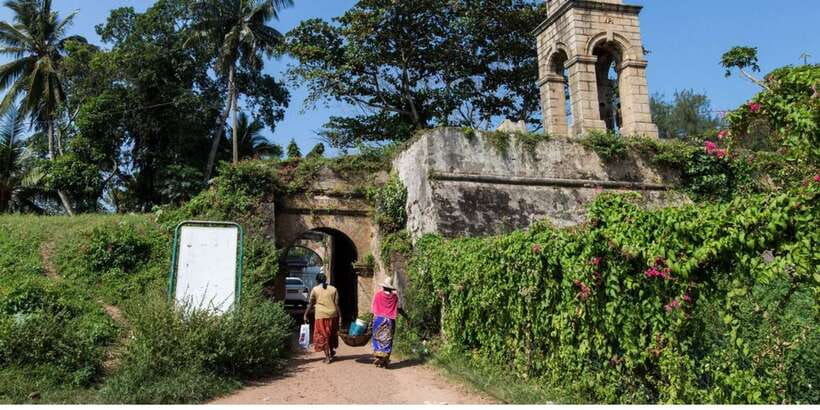
Negombo Dutch Fort is another compact stop. The original fort was built by the Portuguese and later rebuilt by the Dutch in a pentagonal form during the 1640s.
Do not expect a huge, intact fortress complex. The value here is in the location and the layered past. Portuguese construction, Dutch rebuilding, and later changes all point to Negombo’s importance on the coast. Your guide can help you picture the fort as part of a contested trading world rather than just a collection of old walls.
The fort is best approached as a historical marker and photo stop. The schedule includes a break, a visit, free time, and sightseeing, but the morning has several destinations to cover. If forts are your main interest, you may wish you had longer. If you want a compact introduction to Negombo, the visit gives you enough background to make the city’s colonial story clearer.
Angurukaramulla Temple and the dragon’s mouth
The final major sight is Angurukaramulla Temple, one of Negombo’s best-known temples. The entrance features a dragon’s mouth, which is believed to keep evil spirits away. Passing through it gives the visit a memorable sense of arrival, even if you have seen many temples elsewhere in Sri Lanka.
Inside the grounds, you can find a roughly 300-year-old moss-covered ruin identified as an ancient library. The contrast is striking: a colorful entrance and active temple setting beside an old, weathered structure slowly marked by time.
The tour allows for a photo stop, a visit, walking, sightseeing, and free time. Dress respectfully for the temple and follow any instructions from your guide. The listing does not specify a required dress code, so modest clothing is the sensible choice for a religious site.
This temple is a strong finish because it adds a Buddhist site to the church and Hindu temple visits. It also has the sort of unusual detail that stays with you after a fast city tour: not just a temple, but a dragon’s mouth and an old library ruin within the same grounds.
The guides and the private touring style
The guide is central to the quality of this experience. The tour is offered in English, and the group is private. That gives you space to ask questions and makes it easier to pause for photographs or spend less time at a stop that does not interest you.
Samantha received especially strong praise for taking the group to the major Negombo sights, explaining local facts, and handling a Good Friday change when the fish market was closed. Fernando and Simon were also named among the guides who looked after a larger party spread across four tuk-tuks. The group appreciated their care and informative approach.
One useful detail from the feedback is that the guides also helped with photography. That matters on a tuk-tuk tour, where you may want a picture of the vehicle, a market scene, or a temple entrance without relying only on quick snapshots.
The four-tuk-tuk arrangement for a group of eight shows that the private format can also work for a larger party, although your own vehicle count will depend on your booking. The experience is not limited to solo visitors or couples.
What the $40 price really covers
At $40 per person, this is not simply a tuk-tuk ride around town. The price includes transport from your hotel and back, entrance fees for the listed sights, fuel, driver charges, parking, refreshments, water, and government taxes.
That bundled price makes the tour easier to budget. You are not constantly wondering if a parking fee or fuel surcharge will appear later. It also saves you the work of arranging separate rides between the market, churches, canal, fort, and temple.
The value depends on how much you want explained. If you only want transport and prefer to explore independently, $40 may feel high compared with arranging individual local rides. If you want one person to handle the route, driving, basic sightseeing guidance, and changes to the plan, the price is more reasonable.
The tour does not include expenses outside the stated inclusions. Bring a charged smartphone for photos and a passport or identity card, with a copy accepted. Water and refreshments are supplied, but personal purchases are not covered.
Who should book this Negombo morning
I would choose this tour if you have one morning in Negombo and want to understand more than the airport side of town. It is also a good fit if you enjoy religious buildings, working markets, and short historical stops rather than spending half a day at one museum.
Families and first-time visitors may like the private arrangement and hotel pickup. Couples and small groups can keep the ride personal, while larger groups may be divided among several tuk-tuks.
The tour is less suitable if you need a slow, highly detailed study of each site. The route covers a lot in four hours, and some stops may be brief. It is also not the right choice if the fish market is your only reason for booking, since market activity can change on religious holidays.
Cancellation is free up to 24 hours before departure, and you can reserve now and pay later. That flexibility helps if your Negombo plans depend on flight timing or hotel changes, but you should still confirm pickup details and the available start time.
Should you book the Negombo tuk-tuk tour?
Book it if you want a compact, well-rounded introduction to Negombo, especially if this is your first visit. The best parts are the working fish market, the mix of religious traditions, the easy hotel transport, and the chance to see the city with guides such as Samantha, Fernando, or Simon.
Skip it if you prefer to move slowly, spend long periods inside each site, or arrange every ride yourself. For most visitors with only a morning available, though, $40 covers a useful amount of transport and organization. You get Negombo as a living city, not just a place to wait for your flight.
FAQ
How long does the Negombo tuk-tuk tour last?
The tour duration is four hours.
What time does the tour begin?
The supplied schedule begins with hotel pickup at 8:00 in the morning. Starting times should be confirmed when you check availability.
Where is hotel pickup available?
Pickup options include Waikkal, Kammala, Negombo, Wattala, and Katunayake. Hotel pickup is specifically stated as available from all hotels in Waikkal.
Which sights are included?
The route includes Lellama seafood market, St. Mary’s Church, Sri Singama Kali Amman Kovil, Hamilton Canal, Negombo Dutch Fort, and Angurukaramulla Temple.
Is the tour private?
Yes. The activity is offered as a private group tour.
What language does the guide speak?
The live tour guide speaks English.
Are entrance fees and parking included?
Yes. Entrance fees for the listed sightseeing places, parking fees, fuel, driver charges, refreshments, water, and government taxes are included.
Can I cancel the booking?
Yes. You can cancel up to 24 hours in advance for a full refund. You can also reserve now and pay later.
More fishing around Negombo
- Negombo: Fishing Village Highlights Private Tour by Tuk Tuk
★ 4.6 · 5 reviews - Lagoon Fishing in Bentota
★ 5.0 · 11 reviews - Day out to Galle[Stilt Fishing. Turtle watching.Cinnamon Farm]
★ 4.5 · 9 reviews - Private Galle Day Tour with River Safari, Stilt fishing & Turtles
★ 5.0 · 9 reviews
Just added around Negombo
- Wilpattu National Park: Morning or Afternoon Safari★ 3.9 · 39 reviews
- Wonderful Srilankan 14 Days Tours★ 5.0 · 6 reviews
- 9 Days Guided Tour Through Sri Lanka★ 5.0 · 4 reviews
- Pinnawala private day trip from colombo or negombo★ 5.0 · 4 reviews
- Tailor-made Multi-day Private Tour Packages in Sri Lanka★ 5.0 · 19 reviews
- The Most popular Personalized round Tour In Sri Lanka-Day Charged★ 5.0 · 6 reviews
- Private Tour Experiences Across Sri Lanka★ 5.0 · 4 reviews
- Transfer between Colombo (CMB) Airport and Galle Face Hotel★ 5.0 · 4 reviews
Tuk Tuk Tours, compared.
Private Tuk-Tuk City Tour with All Entry Fees
Read our review →
Colombo Tuk Tuk City Tour -Sightseeing Entry Fees & Food Included
Read our review →
Private Tuk-Tuk City Tour with Guide & All Tickets
Read our review →
Kandy to Ambuluwawa & Kandy City Guided Tuk Tuk Day Tour
Read our review →
Colombo Local Food Tour by Tuk Tuk – All Inclusive
Read our review →
Browse the lists this tour appears in