

Reviewed · SIGIRIYA ROCK FORTRESS
Organic Cooking Class Sigiriya TASTY TASKS
The best part of this Sigiriya experience is that you do not simply watch a chef cook. You pick ingredients, grind and mix them, work beside the hosts, and help prepare a full Sri Lankan meal in a local home. The kitchen uses clay pots and a firewood stove, giving the class a clear sense of place.
I like the generous range of dishes, which can include red lentil curry, coconut sambol, jackfruit or mango curry, eggplant pickle, pol roti, and a sweet halapa snack. I also like the warm herbal welcome, often Belimal with palm sugar, and the chance to use fresh produce from the garden.
The main consideration is transport. Pickup is offered, but free tuk-tuk service applies only around the local area, roughly within 5 kilometers, so you should confirm the details before booking if your hotel is farther away. The class can also prepare a large amount of food, which is wonderful if you arrive hungry but more than some smaller eaters may expect.
Key points at a glance
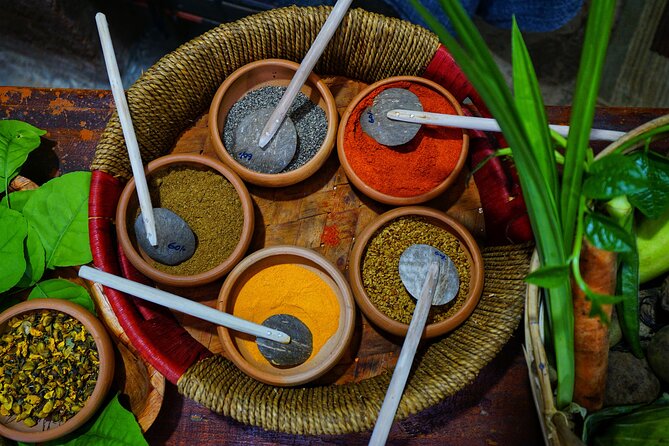
- A full meal, not just a single recipe: You may prepare several curries, sambol, flatbread, pickles, rice, and a sweet.
- Village-style cooking methods: Clay pots, coconut spoons, and a firewood stove add practical local character.
- Fresh ingredients matter: You may pick produce from the garden before preparing it.
- Friendly for families: Children have taken part, and the hands-on format gives them plenty to do.
- Vegetarian and vegan-friendly: The full meal is prepared without meat-based requirements.
- Convenient Sigiriya location: The class is at 186/A 1 Pothana, Kimbissa, with tuk-tuk pickup available nearby.
A local kitchen near Sigiriya, not a restaurant demonstration

At TASTY TASKS COOKING CLASS, you meet in Pothana, a short distance from Sigiriya in the Kimbissa area. The setting is important. This is designed around a local home and family-style hospitality, not a polished restaurant kitchen built for a show.
You begin with a welcome drink such as Belimal with Hakuru. Belimal is made from dried belimal flower, while Hakuru is natural palm sugar. It is a small detail, but a useful one: before the chopping begins, you get an introduction to a drink and ingredients that are part of Sri Lankan daily life.
The hosts then explain the spices and produce used in the meal. Turmeric, moringa, and cinnamon receive special attention, including their traditional health uses. You should treat this as food and cultural information rather than medical advice, but it helps explain why Sri Lankan cooking relies on such a broad mix of aromatic plants and spices.
The class is open seven days a week in three time blocks: 7:00 to 10:00 in the morning, 11:00 to 2:00 around midday, and 3:30 to 6:30 in the afternoon. Choose the morning if you want to fit the class around a full day of sightseeing. The later sessions can work well after visiting Sigiriya Rock, though the final meal may be closer to dinner.
Other cooking classes around Sigiriya:
- Organic cooking class sigiriya (kumara & family)
★ 5.0 · 650 reviews - Sajee’s Place Cooking Class
★ 5.0 · 237 reviews - Cooking Class: Sajee’s Place Cooking Class sigiriya
★ 5.0 · 117 reviews
Picking ingredients and learning the Sri Lankan pantry
One of the most appealing parts of the class is the link between garden and plate. You may pick fresh ingredients before they are washed, cut, and cooked. That turns a list of recipes into a clearer lesson about how Sri Lankan meals are built.
The hosts introduce the spices and basic ingredients before cooking starts. You can expect practical explanations rather than a lecture. The point is to understand what each ingredient contributes, from heat and fragrance to color, sweetness, or sourness.
A typical spread can include red lentil curry, known as parippu, and pol sambol, a coconut mixture served with spice and freshness. You might also prepare jackfruit or mango curry, depending on what is available. That seasonal element is part of the charm, though it means the exact menu may vary.
Brinjal moju adds another texture and flavor. This spicy-sweet eggplant pickle is a good example of how Sri Lankan meals balance several tastes on one plate. It is not simply about making one hot curry. You are building a meal with soft, creamy, fresh, sweet, sour, and spicy elements.
Clay pots, coconut spoons, and a firewood stove
The tools give this activity much of its character. You cook with clay pots and coconut spoons, and some of the food is prepared on a firewood stove. These are not decorative props. They shape the pace of the cooking and help you see how food is made in a village-style setting.
A firewood stove can make the experience feel less controlled than a modern kitchen class. Heat is not adjusted with a neat dial, and the hosts guide you through the process. If you prefer a fast demonstration with exact measurements and restaurant equipment, this may feel informal. If you want a practical look at home cooking, that informality is a strength.
The hands-on format is another plus. You do not just stand behind a counter while someone else does the work. You take part in mixing, shaping, seasoning, and preparing the dishes. The hosts explain each stage and keep the class moving, so you can learn without needing advanced cooking skills.
The group limit is 15 people. That is not a tiny private lesson, but it keeps the activity small enough for shared participation. Larger groups may mean a little less time with the teacher, while families and couples may enjoy the social energy of cooking together.
The dishes you may prepare
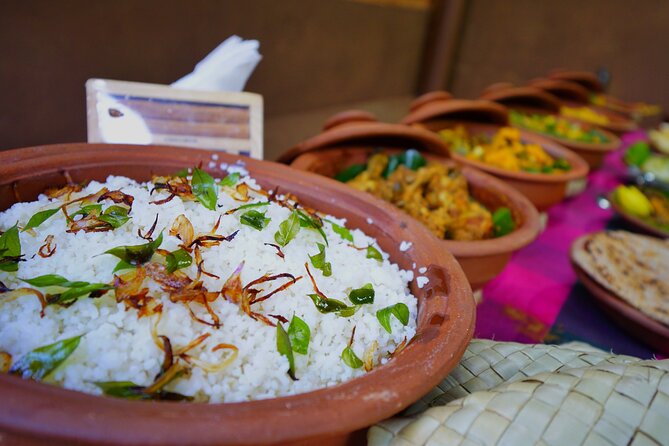
The menu is broad enough to make this feel like a complete introduction to Sri Lankan food. The exact selection can change, but these are the main dishes described for the class.
Parippu, or red lentil curry, is a useful starting point for understanding Sri Lankan home cooking. Lentils provide a mild, creamy base that works well beside hotter dishes. You learn how spices and coconut-based ingredients can turn a simple staple into something central to the meal.
Pol sambol brings raw coconut, spice, and freshness to the plate. It is quick to prepare but important to the balance of the meal. The sambol helps cut through richer curries and gives you a dish you can recreate without a long cooking time.
Jackfruit or mango curry shows how fruit and vegetables can become savory main dishes. If jackfruit is on the menu, you get a chance to see how a substantial plant ingredient works in curry. Mango offers a different mix of fruitiness and tang. The choice depends on available produce.
Pol roti is a coconut flatbread. Shaping and cooking it adds a tactile part to the lesson, and it gives you something to eat with the curries. The flatbread is also a practical recipe to remember because it does not require elaborate equipment at home.
Brinjal moju is the sharper, more complex side dish. Eggplant is prepared with spicy and sweet notes, creating a pickle-like accompaniment. It may be one of the more distinctive flavors for anyone new to Sri Lankan food.
Halapa provides a sweet finish. It uses jaggery and kurakkan leaf, giving the class a dessert or snack element rather than ending with curry and rice alone.
Steamed rice and traditional accompaniments complete the meal. Some sessions have produced around ten dishes, so you should expect a substantial spread rather than a small tasting plate.
Other trips to the rock from Sigiriya:
- From Colombo: Sigiriya and Dambulla Day Trip with Safari
★ 4.7 · 842 reviews - From Sigiriya: Minneriya National Park Private Jeep Safari
★ 4.9 · 415 reviews - From Sigiriya: Minneriya National Park Elephant Safari
★ 4.8 · 365 reviews - Sunrise or Sunset Hike Pidurangala Rock with Scenic Views
★ 4.6 · 125 reviews
Sitting down to eat what you made
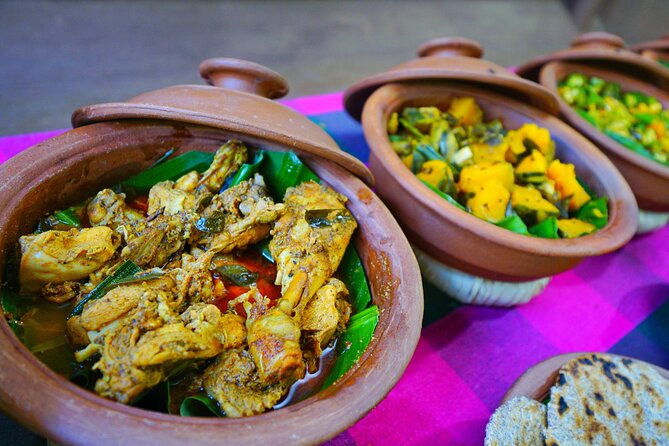
Once the cooking is finished, you sit down and eat the meal together. This is where the class pays off. You can compare the dishes, notice how the flavors work side by side, and understand why Sri Lankan meals are often served with several accompaniments rather than one main course.
Portions are described as generous. That is good value for the price, especially if you have worked through several dishes and want a proper meal afterward. It also means you may find the amount of food excessive if you are a light eater. Come prepared to enjoy a large lunch or dinner, not a brief snack.
The meal is vegetarian and vegan-friendly. That makes the class an easy choice if you want to explore Sri Lankan food without needing meat or dairy substitutions. You should still communicate any allergies or dietary needs when booking, since the supplied details confirm the general menu style but do not spell out every ingredient or cross-contact procedure.
Bottled water and all cooking ingredients and equipment are included. You do not need to bring utensils or shopping supplies. Comfortable clothing is sensible because the activity includes active preparation around cooking heat, though no special dress requirement is given.
Why the $38 price can make sense
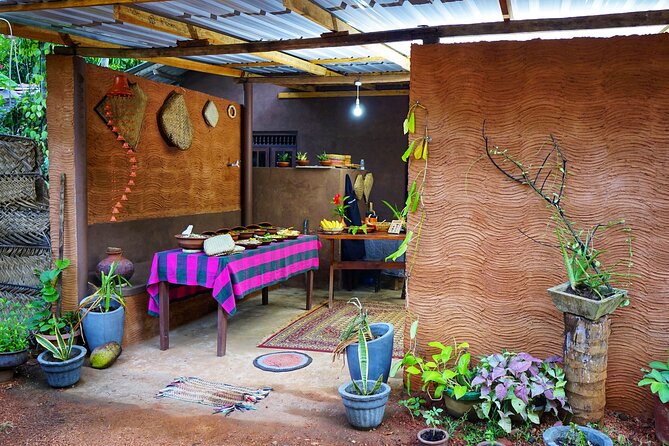
At $38 per person, this class costs more than ordering a single curry at a local restaurant. That comparison is too narrow, though. The price includes about three hours of instruction, ingredients, equipment, a full meal, bottled water, and a local home setting.
The real value comes from the number of dishes and the amount of participation. If you prepare only one recipe, the cost would feel less attractive. Here, you may work through curries, sambol, flatbread, pickle, rice, and a sweet, then eat everything afterward.
The class also saves you the effort of arranging a separate meal during the same time period. For someone already interested in Sri Lankan food, it functions as a cooking lesson and lunch or dinner in one. If you are mainly looking for a cheap meal, a restaurant will cost less.
The included local transport can improve the value, but read the distance carefully. Tuk-tuk pickup is free from around the area up to roughly 5 kilometers. Private transportation beyond that is not included. Ask your accommodation to help confirm the distance and pickup point rather than assuming every Sigiriya hotel is covered.
Who will enjoy this class most
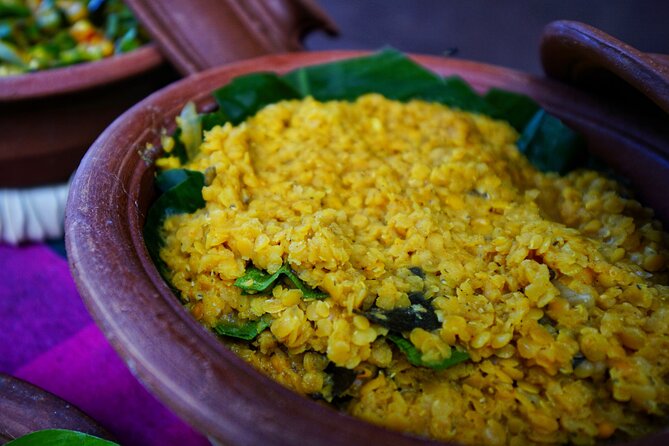
I would choose this for anyone who wants more than a photo stop at Sigiriya. It gives you a way to spend part of the day learning about daily food traditions, and the meal provides a clear reward at the end.
Families are a good match. Children have taken part successfully, and the work of shaping flatbread, mixing ingredients, and helping with simple preparation gives younger participants a role. The firewood stove and cooking heat require normal adult supervision, but the class is built around participation rather than watching.
Vegetarians and vegans should also put it high on their list. The stated meal is suitable for both, and Sri Lankan cuisine offers enough variety that you are not left with one plain substitute dish.
This may be less suitable if you want a private, highly structured lesson with exact timings for every recipe. The group may reach 15 people, and the home-style approach is likely to feel more relaxed than a professional culinary school. You also need to allow the full three hours, since the meal involves several dishes rather than one quick recipe.
Timing, pickup, and practical planning
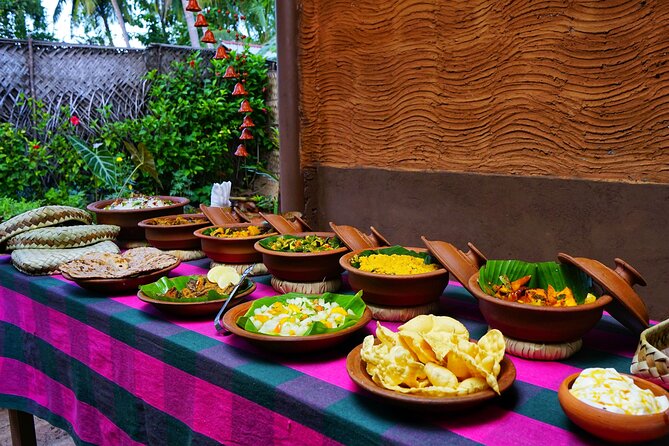
The meeting point is TASTY TASKS COOKING CLASS, 186/A 1 Pothana, Kimbissa, Sri Lanka. The activity ends at the same location, so you should plan your return journey before you start cooking.
Pickup is offered, but the transport information is limited. Free tuk-tuk service applies around the area and not beyond approximately 5 kilometers. If your accommodation is farther away, private transportation is not included. Confirm the pickup arrangement, exact meeting time, and cost of any extra transfer before the day of the class.
The location is near public transportation, which gives you another option. Still, rural transport can take longer than expected, so leave a little breathing room if you have a train, safari, or timed attraction afterward.
You receive booking confirmation at the time of booking. The experience is available from June 18, 2025, through January 29, 2027, during the three daily time windows listed above. Free cancellation is available up to 24 hours before the start time. Inside that window, the payment is not refunded and changes are not accepted.
Should you book TASTY TASKS?
I would book this class if you want a friendly, hands-on introduction to Sri Lankan home cooking and you have three hours to spare in Sigiriya. The strong points are clear: fresh ingredients, several dishes, village-style tools, a full meal, and a format that works for families and plant-based diners.
Before paying, check the pickup distance and tell the host about allergies or dietary needs. Also expect a generous amount of food and a relaxed home kitchen rather than a tightly scripted culinary school.
For most visitors who want to connect food with local life, the $38 cost is fair. You leave with a full meal, new recipes, and a better understanding of how curries, sambol, rice, flatbread, and sweets work together on a Sri Lankan table.
FAQ
How long does the cooking class last?
The class lasts approximately three hours, including the cooking and the meal you prepare.
Where does the activity start and end?
It starts at TASTY TASKS COOKING CLASS, 186/A 1 Pothana, Kimbissa, Sri Lanka, and ends back at the same meeting point.
Is pickup available from my accommodation?
Pickup is offered, with free tuk-tuk service from around the local area up to roughly 5 kilometers. Private transportation beyond that distance is not included, so confirm the details before booking.
Is the meal suitable for vegetarians and vegans?
Yes. The included full Sri Lankan meal is described as vegetarian and vegan-friendly.
What dishes might I learn to prepare?
Possible dishes include parippu, pol sambol, jackfruit or mango curry, pol roti, halapa, brinjal moju, steamed rice, and traditional accompaniments. The exact menu may vary.
What is the cancellation policy?
You can cancel at least 24 hours before the experience for a full refund. Cancellations or changes made less than 24 hours before the start time are not accepted and are not refunded.
More cooking classes in Sigiriya
- Organic Cooking Class sigiriya home Kitchen(Kumara & family)
★ 5.0 · 116 reviews - Organic Cooking Class with Garden Visit by Sinhagiri
★ 5.0 · 65 reviews - Sri Lankan Privet Cooking Class with Lunch
★ 5.0 · 12 reviews - Sigiriya Rock Climb, Village Tour+Cooking Class & Elephant Safari
★ 5.0 · 9 reviews
Just added around Sigiriya
- Night Hike to see Elusive & Rare Loris in Sigiriya★ 4.5 · 43 reviews
- Malee Cookery Lessons★ 5.0 · 26 reviews
- Sigiriya and Dambulla Day Tour from Kandy★ 5.0 · 6 reviews
- Private Safari Tours in Minneriya National Park★ 5.0 · 18 reviews
- Sigiriya Entrance Ticket with Guided Tour★ 4.5 · 13 reviews
- Sigiriya Sunrise/Sunset Guided Boat Ride★ 5.0 · 8 reviews
- Sigiriya Village Tour and Lunch with Hotel Pick up from Sigiriya★ 5.0 · 10 reviews
- Sigiriya Rock Climb, Village Tour+Cooking Class & Elephant Safari★ 5.0 · 9 reviews
Sigiriya Rock Fortress, compared.


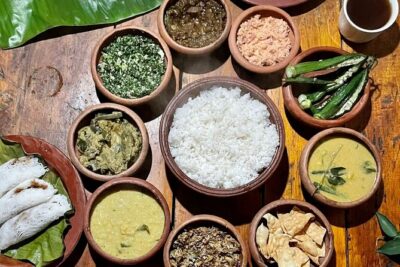
Organic cooking class sigiriya (kumara & family)
Read our review →



Kandy to Sigiriya Day Tour and Dambulla cave temple with private vehicle
Read our review →
Private Day Trip to Sigiriya & Dambulla from Kandy – Aaliya Tours
Read our review →Browse the lists this tour appears in