
Reviewed · TEA PLANTATIONS & FACTORIES
Tea Fields & Factory Tour
Hatton tea country makes the journey from leaf to teapot wonderfully clear. On this three-hour tour, you walk through the fields, meet the people who pick the tea, try the work yourself, and then follow the leaves into a working factory. The hands-on picking and the factory process are the heart of the experience.
I like two things here. First, the tour connects the scenic tea fields with the real labor behind them, including the weighing stations and pluckers’ village. Second, the factory visit explains each stage in order, from withering and rolling to drying, testing, and packing. The main consideration is timing: the tour starts at 3:00 pm, so your visit is tied to an afternoon schedule and depends on good weather.
Key points at a glance
- Try tea plucking yourself: You do not only watch the workers. You get a chance to learn their technique and pick leaves.
- Meet the pluckers: The tour puts people and daily work at the center of the tea story.
- See the full factory process: Withering, rolling, drying, shifting, testing, and packing are covered in sequence.
- Visit a village and temple: The experience reaches beyond the plantation and factory.
- Finish with brewed tea: You taste the finished product after seeing how it is made.
- Small group format: A maximum of 10 people keeps the visit more personal.
Why Hatton is the right place to learn about Ceylon tea
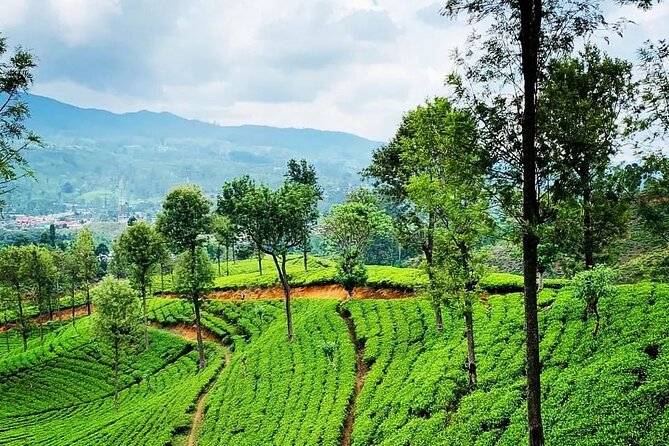
Hatton is in central Sri Lanka’s main tea region, and this tour uses that setting well. Instead of treating the tea fields as scenery for photographs, it shows you how tea is grown, picked, weighed, processed, tested, and prepared for sale.
That matters because tea production can otherwise feel abstract. You see a packet on a shop shelf, but not the long chain of work behind it. Here, the order is easy to follow: first the plant, then the plucker, then the factory, then the cup.
The setting also gives the tour a useful sense of place. You are not visiting a display made only for tourists. You walk among working tea fields and visit a factory where the leaves move through several stages before becoming the tea you drink.
Other tea estates and factories from Sri Lanka:
- Nuwara Eliya Tuk-Tuk Tour Tea Picking,Tasting &Ramboda Falls
★ 4.9 · 207 reviews - Nuwara Eliya: Tea Factory and Pickle Waterfalls Tuk Tuk Tour
★ 4.7 · 113 reviews - From Colombo: Kandy, Pinnawala and Tea Factory Full-Day Trip
★ 4.4 · 99 reviews
Starting in Norwood at 3:00 pm
The meeting point is in Norwood, and the activity ends back there. The scheduled start is 3:00 pm, with the complete visit taking about three hours.
That afternoon timing may work well if you are already based nearby or have a morning activity planned. It also gives you a clear, fixed appointment rather than a tour that drifts through the whole day. You should allow enough time to reach the Norwood meeting point, since the supplied details identify the location but do not include hotel pickup.
The tour is near public transportation, which helps if you are arranging your own way there. The group can include up to 10 people. That is small enough for questions and conversation, though it is not a private tour.
Walking among the tea plants
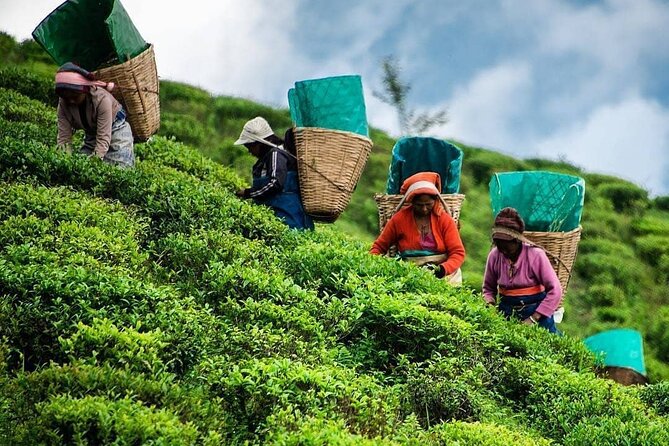
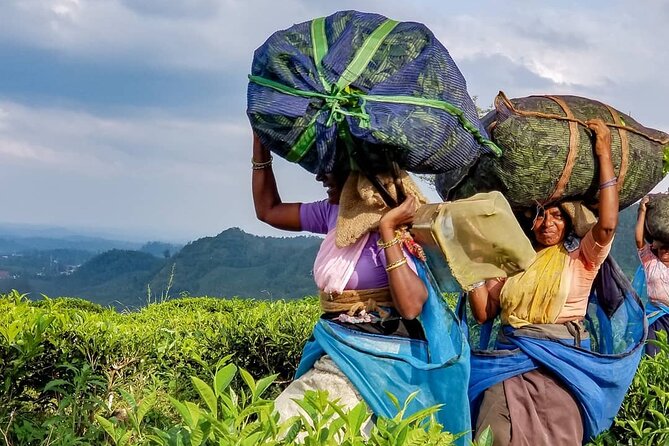
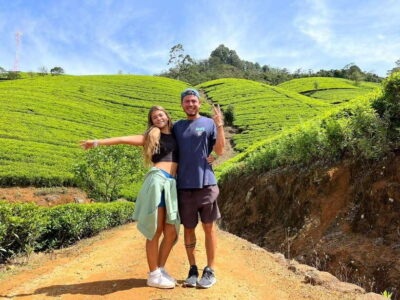
The first real stop takes you into the tea fields. You walk among the plants and learn where the process begins.
This is the moment when the scenery becomes useful. You are not simply looking across rows of tea. You are seeing the raw material before it is sorted, dried, packed, and brewed. The guide explains the work in the same place where it happens, which makes the information easier to understand.
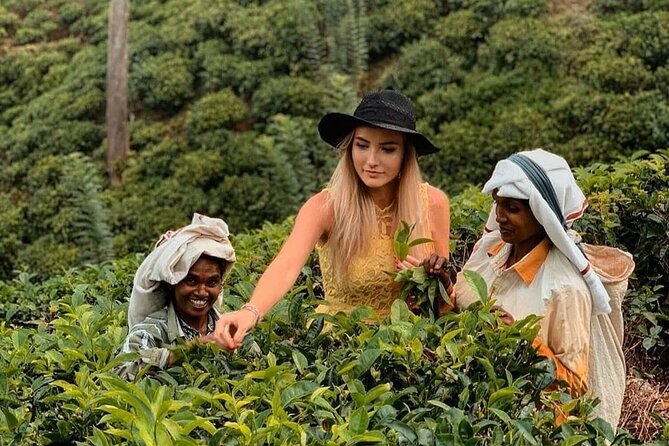
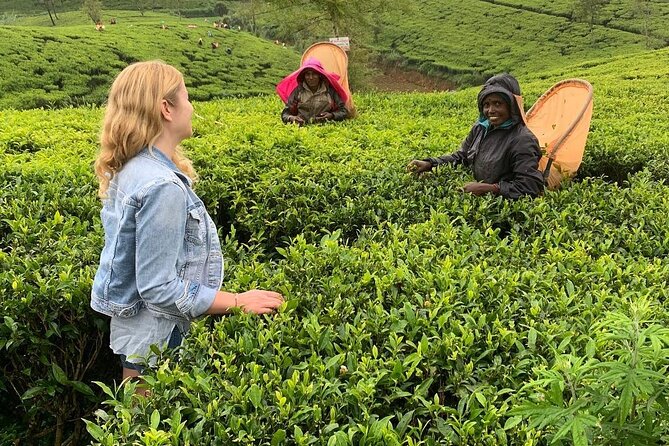
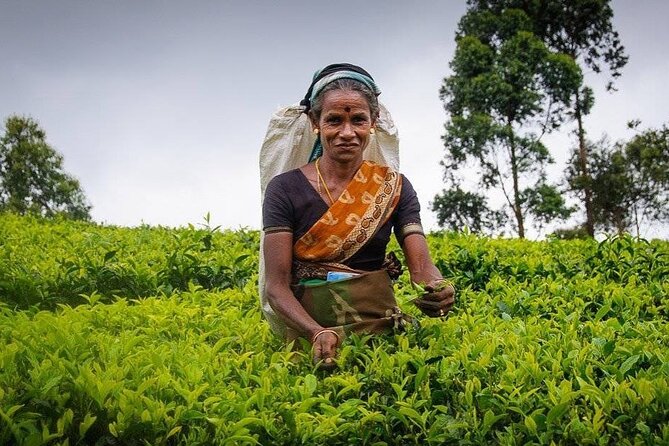
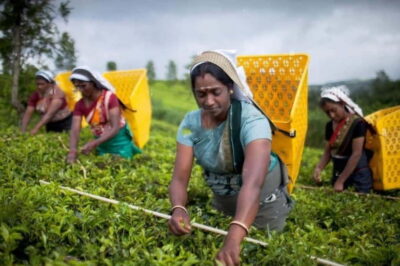
You also meet tea pluckers and learn about their technique. The tour gives you a chance to try plucking yourself. That small practical test is valuable. It helps you understand that gathering tea is skilled work, not just a matter of pulling leaves from a bush.
You might find the physical part modest, but the point is not to become a professional plucker in a few minutes. The value is in trying the movement, seeing how the work is done, and gaining respect for the careful routine that supplies the factory.
Meeting the pluckers and visiting the village
The tour includes a visit to the tea pluckers’ village and temple. This adds a human and local layer to the plantation visit.
Tea can be presented as a product with a beautiful setting, while the people who produce it disappear from the story. This visit helps correct that imbalance. You get a closer look at the community connected to the fields and a chance to understand that tea production is part of everyday life here.
The village and temple also break up the factory sequence. After walking through the plants and meeting workers, you see part of the surrounding community before returning to the production side of the tour.
The information provided does not promise a long guided visit inside the temple or a formal cultural program, so keep your expectations sensible. Think of this as a meaningful stop within a compact tea tour, not a separate village excursion.
Same base, a completely different day:
- Colombo: Private Tuk-Tuk City Tour with All Entry Fees
★ 4.9 · 2,154 reviews - Kandy Private Guided City Tour by Tuk Tuk
★ 4.9 · 1,307 reviews - Whales and Dolphins Watching-Luxury Super Grade Cruiser(Hotel Pick up offered)
★ 5.0 · 1,268 reviews - From Colombo: Sigiriya and Dambulla Day Trip with Safari
★ 4.7 · 842 reviews
Watching the leaves reach the weighing stations
The weighing stations are an important but easy-to-miss part of the process. The tour includes a visit to them so you can see what happens after the leaves are picked.
This step links the work in the fields to the factory floor. Tea leaves do not simply move from the plucker’s hands straight into a finished packet. They are collected, weighed, and then sent into the next stages of production.
For you, the weighing station may be one of the most useful stops because it shows how the work is organized. It also gives context to the role of the pluckers. You see the crop being handled as a measured product rather than only as a pleasant-looking plant.
Following tea through the factory
The factory is the tour’s most detailed section. The process is explained in several stages, and the order matters.
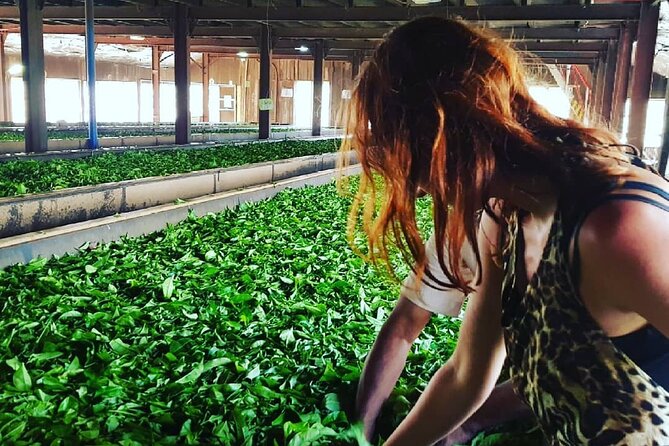
Withering
Withering is the first factory stage named on the tour. The leaves begin to change after picking, and this stage prepares them for the work that follows.
You will not just hear a list of technical terms. The guide uses the factory to show how each stage leads to the next. This is where a clear explanation makes a real difference, especially if you have never visited a tea factory before.
Rolling
The leaves then go through rolling. This is another stage best understood when you can see the equipment and the movement of the leaves through the process.
The factory visit lets you connect the appearance of the fresh leaves in the fields with the altered material being handled indoors. That progression is what makes the visit more than a photo stop.
Drying
Drying follows rolling. At this point, you are seeing how the factory controls the leaves after they have been changed by the earlier stages.
The guide explains the process as part of the full route from leaf to finished tea. You may not leave able to operate the machinery, but you should understand why the factory cannot skip from picking directly to packing.
Shifting and testing
The tour also covers shifting and testing. These stages show that tea production involves sorting and checking, not only mechanical processing.
Testing is particularly useful for understanding quality control. The tea must be assessed before it is packed. The tour does not promise a formal tasting lesson or a detailed grading course, so expect an introduction rather than professional training.
Packing
Packing is the final factory stage listed. It gives the tour a satisfying endpoint because you can see how the processed tea becomes a product ready to leave the factory.
By this point, you have seen the fields, met the pluckers, visited the weighing stations, and followed the leaves through production. The sequence gives you a much clearer picture of what tea leaf to tea pot really involves.
Ending with freshly brewed tea
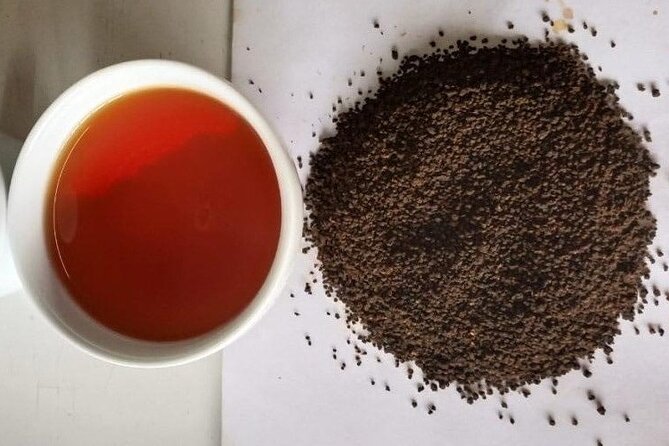
The tour finishes with freshly made and brewed tea. This is a simple ending, but it works.
You have just seen the raw leaves and the machines. Now you taste the result. That final cup gives the whole visit a clear conclusion and lets you pause after the walking and explanations.
Do not book this expecting a large tea-tasting session with a long menu of varieties. The information provided promises freshly brewed tea, not a formal tasting flight. Still, one cup at the end has real value because it connects the factory process to something familiar and immediate.
What the $20 price gets you
At $20 per person, the tour offers more than a short plantation walk. You get roughly three hours covering the fields, pluckers, village and temple, weighing stations, factory stages, and brewed tea.
I see the strongest value in the range of stops. A cheaper visit that only takes you into a tea field would show you the setting but leave out much of the production story. A factory-only visit would miss the people and plants at the beginning. This tour links both sides.
The small maximum group of 10 is another part of the value. It should be easier to hear explanations and ask questions than in a large coach group. The tour does not state that it is private, so you should expect to share the experience with other people.
The price does not include any stated transportation from your accommodation, and the meeting point is in Norwood. You should factor in your own transport when deciding on the total cost.
Who will enjoy this tea tour most
I would choose this experience if you want more than a quick photograph among tea bushes. It suits people who like to understand how everyday products are made and who appreciate meeting the people connected to that work.
It is also a good fit for first-time visitors to Sri Lanka’s tea region. The guide’s explanations cover growing, picking, and processing in a clear sequence, so you do not need prior knowledge.
The tour should work for most participants, according to the supplied activity details. Still, it includes walking through fields and moving between several stops, so anyone with personal mobility concerns should consider the format carefully. No specific accessibility details are provided.
The afternoon start may suit you if you prefer not to begin early. On the other hand, it will not suit a schedule built around a morning departure or a late-afternoon transfer. Check your transport plans before booking.
Weather, cancellation, and practical planning
The experience requires good weather. If poor weather causes cancellation, you are offered a different date or a full refund.
You can cancel for a full refund up to 24 hours before the 3:00 pm start time. Cancellations or changes made within 24 hours are not refunded or accepted, so keep that deadline in mind.
Confirmation is sent within 48 hours of booking, subject to availability. The tour uses a mobile ticket, which keeps entry details on your phone rather than requiring a printed voucher.
Since the tour begins and ends at the Norwood meeting point, plan your route in advance. Public transportation is nearby, but no transfer service is specified. A little planning here will make the three-hour experience feel relaxed rather than rushed.
Should you book the Hatton tea fields tour?
Book it if you want a clear, personal introduction to Sri Lankan tea, especially one that joins the fields to the factory. The chance to try plucking, meet the pluckers, visit their village and temple, and watch the leaves move through six factory stages gives this tour unusual range for $20.
I would skip it only if you have very limited time in Hatton, cannot reach Norwood for a 3:00 pm start, or want a polished tasting event rather than a working tea visit. For most people interested in the real path from plant to cup, this is a well-priced and practical choice.
FAQ
Where does the tea tour start?
The tour starts at the meeting point in Norwood, Sri Lanka. The supplied location is RJR9+WC Norwood.
What time does the tour begin?
The scheduled start time is 3:00 pm.
How long does the activity last?
The experience lasts approximately three hours.
Where does the tour finish?
The activity ends back at the Norwood meeting point.
How many people can join the tour?
The maximum group size is 10 people.
Does the tour include tea plucking?
Yes. You can walk among the tea plants, meet the pluckers, learn their technique, and try plucking yourself.
What factory stages are covered?
The factory visit covers withering, rolling, drying, shifting, testing, and packing.
Is tea included?
Yes. The experience includes freshly made and brewed tea.
What happens if the weather is poor?
Because the tour requires good weather, a cancellation caused by poor conditions gives you the choice of a different date or a full refund.
Just added around Sri Lanka
- Bentota: Yala National Park Safari Jeep Tour in a 4×4★ 4.6 · 7 reviews
- Bentota/Kalutara/Hikkaduwa/Galle/Mirissa: Day Trip to Ella★ 4.7 · 14 reviews
- Budget Yala Safari with Accomadation & Meals Included★ 4.8 · 16 reviews
- Bundala National Park Safari (PRIVATE TOURS)★ 4.8 · 26 reviews
- Bentota River Safari -Ahungalla/Bentota/Aluthgama/Kosgoda★ 4.0 · 3 reviews
- Bentota River Safari: Discover Wildlife & Mangroves by Boat★ 4.9 · 41 reviews
- Bentota: River Safari with Hotel Pickup and Drop-Off★ 4.8 · 22 reviews
- Authentic Sri Lankan Cooking Class in Kandy by Local Family★ 4.9 · 15 reviews
Tea Plantations & Factories, compared.
Nuwara Eliya Tuk-Tuk Tour Tea Picking,Tasting &Ramboda Falls
Read our review →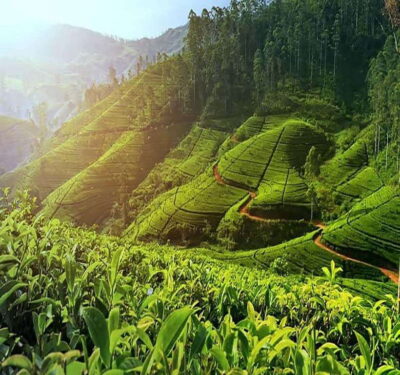
Tea Factory, Train, and Nine Arch Day Tour with Pickup
Read our review →
Ella Private Day Trip with Train Ride & Tea Factory-All Inclusive
Read our review →
Tuk-Tuk Safari Liptons seat,Tea Fields Hike,TeaFactory Tour
Read our review →
Nuwaraeliya Tea Factory and WaterFall Tour’s With DMJ Tours
Read our review →
Browse the lists this tour appears in