
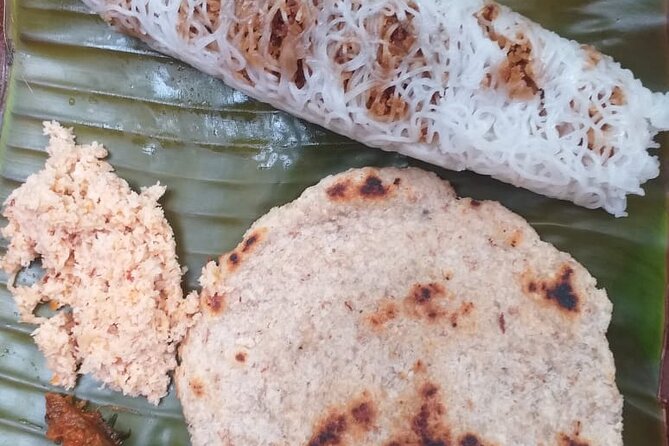
Reviewed · SIGIRIYA ROCK FORTRESS
Organic Cooking Class sigiriya home Kitchen(Kumara & family)
The best part of this Sigiriya cooking class is that the meal begins in the family garden, not at a market or restaurant. Kumara and his family show you where the vegetables and herbs grow, explain how local spices are used, and then guide you through a multi-dish Sri Lankan meal cooked at their private home.
I like the garden-to-plate setting and the chance to cook over a wood stove, which gives the class a more rural feel than a polished culinary studio. I also like the warm family setting, where cooking comes alongside lessons about herbs, spices, natural remedies, and daily life. The main consideration is simple: this is a home kitchen, so you should expect a modest, hands-on setting rather than a formal cooking school.
Key points to know before booking
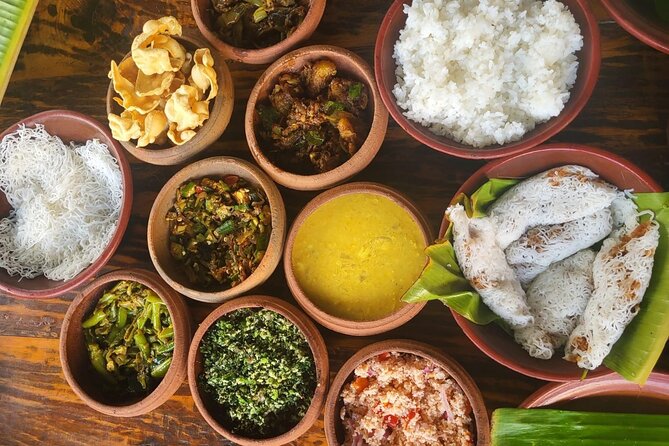
- Kumara and his family host the class at their home in Kalapuraya, near Sigiriya.
- Garden vegetables and homemade spices form the basis of the Sri Lankan meal.
- Cooking takes place over a wood stove, adding a traditional rural touch.
- You help prepare several curry dishes, then sit down to eat what you made.
- The group is limited to 10 people, keeping the class fairly small.
- The price is $28, with free cancellation up to 24 hours before the start time.
A home kitchen rather than a staged cooking show
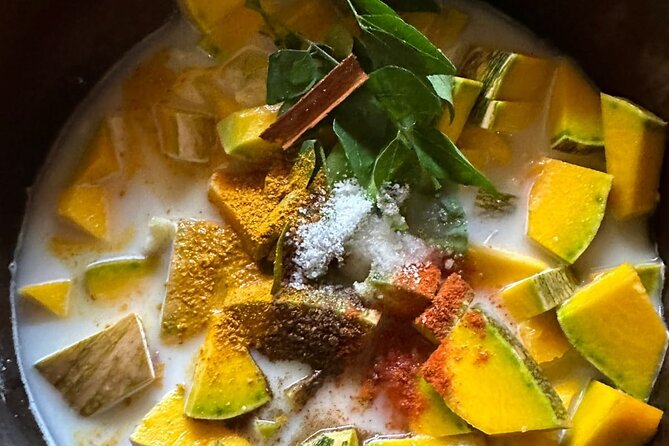
This class takes place at 284 Kahatagahayaya, Kalapuraya, Sigiriya 21120, at Kumara’s family home. That address matters because the setting shapes the whole activity. You are not being led into a commercial demonstration kitchen with matching counters and a fixed script. You are stepping into a private residence where cooking is part of ordinary family life.
That can be a real advantage if you want a closer look at how food is prepared in a Sri Lankan village home. The family uses a wood stove, and the ingredients are tied to the land around the house. The setting is likely to feel practical and lived-in, with less polish and more direct contact with the people hosting you.
I would choose this class for its sense of place. A restaurant can serve you curry, but it cannot show you where the vegetables grew, how the family uses herbs, or what the smoke and heat of a wood stove add to the work.
The tradeoff is that comfort and presentation may not be the same as in a purpose-built school. If you want a sleek kitchen, restaurant-style seating, or highly technical instruction, this may feel basic. If you want a personal introduction to home cooking, the modest setting is part of the value.
Other cooking classes around Sigiriya:
- Organic cooking class sigiriya (kumara & family)
★ 5.0 · 650 reviews - Sajee’s Place Cooking Class
★ 5.0 · 237 reviews - Cooking Class: Sajee’s Place Cooking Class sigiriya
★ 5.0 · 117 reviews
Starting in the garden around Sigiriya
The class begins with a short look around the family’s land. This is more than a quick walk before the cooking starts. It gives you a useful connection between the ingredients on the plate and the plants growing nearby.
You can expect to see vegetables, herbs, and spices used in the meal. The family describes how they grow or prepare these ingredients, with an emphasis on organic produce. Even the spices are homemade, which gives this part of the class a clear point of difference from a standard food tour.
I like this introduction because it helps you understand why Sri Lankan cooking can have so many layers of flavor without relying on complicated restaurant techniques. Fresh leaves, roots, seeds, and dried spices each have their own job. Seeing them in their original form makes the later cooking steps easier to follow.
The garden visit also adds a small lesson in local self-reliance. The family lives from the land, and that fact changes how you think about a dish. You are not just mixing purchased ingredients. You are learning how a household uses what it grows and makes.
Learning Sri Lankan spices from Kumara’s family
After the garden visit, Kumara and his family introduce the spices and herbs used in the meal. The focus is on taste and everyday use rather than a formal lecture. You learn how different ingredients work together and how they contribute to a curry’s aroma and flavor.
One especially interesting part is the family’s connection between cooking and natural medicine. The teaching includes information about herbs, spices, and natural remedies. That does not turn the class into a medical lesson, but it gives you a wider view of how food and household knowledge overlap in Sri Lanka.
You should expect practical guidance rather than a recipe book full of exact measurements. Home cooking often depends on judgment, smell, texture, and taste. This is useful if you want to understand the logic behind Sri Lankan cooking, though it may be less useful if you need precise quantities for every ingredient.
The class is also a chance to ask questions directly. With a maximum of 10 people, the group should be small enough for you to follow the preparation and take part instead of simply watching from the back.
Preparing a multi-dish curry meal
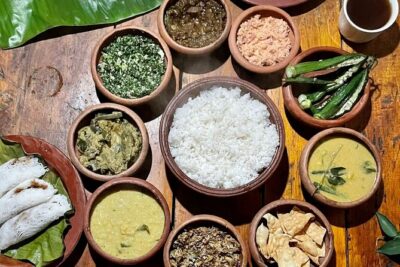
The central part of the activity is helping prepare a multi-dish Sri Lankan curry meal. The exact dishes are not specified, so you should not book expecting a particular curry by name. What is clear is that you will work with several ingredients and help make a full meal rather than one isolated recipe.
This is where the class earns its price. You are not simply shown a finished dish and handed a sample. You take part in the preparation, learn how ingredients are combined, and then eat the food that has been prepared at the house.
The wording describes the meal as suitable for lunch or dinner, so the start time may determine when you eat. The activity lasts about two hours, which gives you enough time for the garden introduction, cooking, and meal without taking up an entire day in Sigiriya.
A two-hour class is a good fit if you are also planning to visit Sigiriya Rock, explore nearby sites, or move on to another stop. It is long enough to feel substantial, but not so long that cooking takes over your entire schedule.
The wood stove is another important detail. It makes the process more traditional, but it also means the class may feel warmer, smokier, and less controlled than cooking on a modern gas or electric range. That is not a flaw, but you should be ready for a working home kitchen rather than a showroom.
Other trips to the rock from Sigiriya:
- From Colombo: Sigiriya and Dambulla Day Trip with Safari
★ 4.7 · 842 reviews - From Sigiriya: Minneriya National Park Private Jeep Safari
★ 4.9 · 415 reviews - From Sigiriya: Minneriya National Park Elephant Safari
★ 4.8 · 365 reviews - Sunrise or Sunset Hike Pidurangala Rock with Scenic Views
★ 4.6 · 125 reviews
Sitting down to eat what you helped make
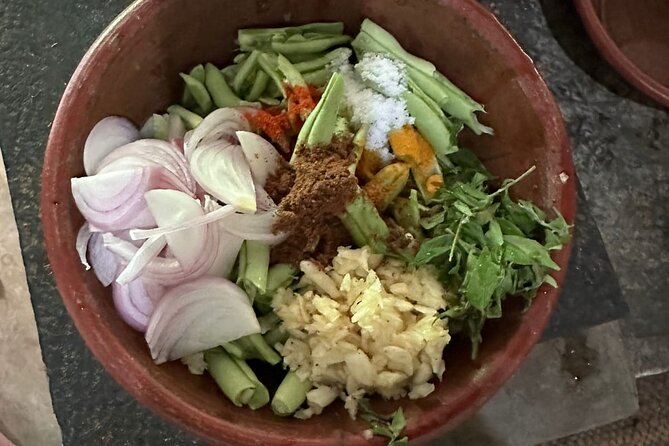
Once the cooking is finished, you sit back and enjoy the meal. This shared meal is the natural end of the class, and it gives the family a chance to welcome you into their home in a more relaxed way.
The food is described as organic and village-style, with vegetables from the garden and homemade spices. That does not mean every ingredient is guaranteed to come directly from the property, so I would read the claim as a description of the family’s approach rather than a promise about every single item.
The meal also helps you judge the difference between food cooked for a class and food cooked as part of family life. You get to see the ingredients, methods, and heat source, then taste the result while the process is still fresh in your mind.
For many people, this shared meal will be the emotional high point. The family’s welcome is a major part of the visit, and the setting lets you spend time with several generations of a local household. You are not just collecting recipes. You are being offered a short look at how food, family, land, and hospitality fit together.
What the $28 price really includes
At $28, this is reasonably priced for a roughly two-hour activity that includes instruction, ingredients, a garden visit, and a prepared meal. I would not compare it only with the cost of eating at a local restaurant. The price also covers the time and attention of Kumara’s family, the home setting, and the opportunity to cook rather than simply order.
The value is strongest if you care about personal contact and local food traditions. You receive a meal, but the main benefit is the process leading to it. If you only want an inexpensive lunch, you can likely find cheaper food elsewhere. If you want a useful activity that adds context to what you eat in Sri Lanka, $28 is easier to justify.
The small maximum group of 10 is important here. A large class could make a private home feel crowded and reduce your chance to ask questions. A group of this size should allow a more direct exchange, though the exact amount of hands-on time will depend on how many people attend.
The mobile ticket is convenient for planning on the go. The meeting point is fixed at the family home, and the activity ends there, so you should account for your own transport to and from 284 Kahatagahayaya. The information confirms that the location is near public transportation, but it does not specify a particular bus route or pickup service.
Who will enjoy this class most
I would recommend this class if you want to do more than see Sigiriya’s famous sights. It suits people who enjoy food, family stories, gardening, and simple local settings.
It is a particularly good choice for:
- Food-focused visitors who want to learn how Sri Lankan curry is built.
- Couples and families looking for a shared activity rather than a standard restaurant meal.
- Cooks at home who want ideas about spices, herbs, and vegetable dishes.
- People interested in rural life and the connection between gardens and daily meals.
- Short-stay visitors who want a two-hour activity that fits around sightseeing.
You may want to think twice if your main goal is advanced culinary training. The class is designed around traditional home cooking and family hospitality, not professional certification or restaurant technique.
It may also be less suitable if you dislike informal settings, wood smoke, or cooking in a private residence. The experience is strongest when you accept that the family home is the venue and that the charm comes from its ordinary, practical character.
Timing, group size, and useful planning notes
The activity lasts approximately two hours. It is described as a half-day workshop, but the stated duration is about two hours, so I would plan around the shorter figure and allow extra time for arrival and the meal.
The meeting point is Organic Cooking Class Sigiriya, Kumara and Family, at 284 Kahatagahayaya, Kalapuraya, Sigiriya 21120, Sri Lanka. The activity ends back at this same point.
Confirmation is provided at booking. Service animals are allowed, and the location is near public transportation. The maximum group size is 10 people, which helps preserve the personal nature of the class.
Free cancellation is available if you cancel at least 24 hours before the start time. Cancellations or changes made less than 24 hours before the activity are not accepted for a refund, and the cutoff follows local time in Sri Lanka.
Should you book Kumara’s cooking class?
You should book this class if you want an informal, family-led introduction to Sri Lankan food rather than a polished culinary production. The garden, homemade spices, wood stove, and shared meal give it a clear sense of place.
I would especially choose it if your Sigiriya plans already include major monuments and you want something slower and more personal between sightseeing stops. The $28 price is fair for the instruction, food, and time spent with Kumara’s family.
Skip it if you want exact recipes, a modern kitchen, or a highly structured professional course. For everyone else, this is a practical way to understand Sri Lankan cooking by seeing the ingredients, helping prepare the meal, and eating it at the family home.
FAQ
Where does the cooking class take place?
The class takes place at Organic Cooking Class Sigiriya, Kumara and Family, at 284 Kahatagahayaya, Kalapuraya, Sigiriya 21120, Sri Lanka.
Who hosts the cooking class?
Kumara and his family host the class at their private residence.
How long does the activity last?
The activity lasts approximately two hours.
What will I cook?
You will help prepare a traditional Sri Lankan meal with several curry dishes. The exact dishes are not specified.
Are the ingredients organic?
The experience uses organic vegetables harvested from the family garden, and the spices are homemade.
Will I visit the garden?
Yes. The activity includes a short look around the land where the family grows vegetables, herbs, and spices used in cooking.
How is the food cooked?
The family prepares the meal using a wood stove.
How many people can join?
The activity has a maximum of 10 participants.
Is the meeting point near public transportation?
Yes. The meeting point is near public transportation.
Can I cancel for a full refund?
Yes, if you cancel at least 24 hours before the experience starts. Cancellations made less than 24 hours before the start time are not refunded.
More cooking classes in Sigiriya
- Organic Cooking Class with Garden Visit by Sinhagiri
★ 5.0 · 65 reviews - Ella: Traditional Sri Lankan Cooking Class
★ 4.9 · 788 reviews - Kandy Village Cooking Class
★ 5.0 · 536 reviews - Sea waves sri lankan cooking class
★ 5.0 · 467 reviews
Just added around Sigiriya
- A Hidden Gem in Sigiriya: Magical Boat Journey.★ 4.5 · 12 reviews
- Kandy: City Highlights and Ramboda Waterfall Trip★ 5.0 · 4 reviews
- Private Polonnaruwa Ruins & Minneriya Safari Tour from Sigiriya★ 5.0 · 18 reviews
- Private Polonnaruwa Sightseeing Day Tour from Sigiriya★ 5.0 · 31 reviews
- Polonnaruwa Sight Seeing Tour and Minneriya Elephant Safari★ 4.8 · 18 reviews
- Sigiriya: Rock Fortress Private Guided Walking Tour★ 4.8 · 34 reviews
- Day tour sigiriya to anuradhapura★ 4.5 · 45 reviews
- Sigiriya Lion Rock Hike & Minneriya National Park Safari★ 4.8 · 55 reviews
Sigiriya Rock Fortress, compared.
Organic cooking class sigiriya (kumara & family)
Read our review →



Kandy to Sigiriya Day Tour and Dambulla cave temple with private vehicle
Read our review →
Private Day Trip to Sigiriya & Dambulla from Kandy – Aaliya Tours
Read our review →Browse the lists this tour appears in