
Reviewed · TOURS IN KANDY
Flavours of Sri Lanka
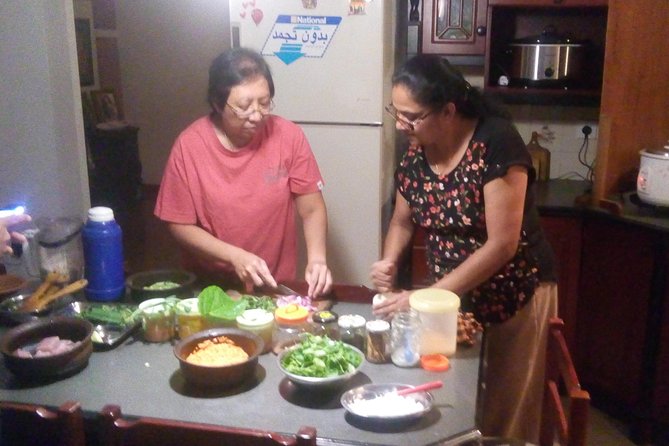
Sri Lankan cooking begins well before the pan hits the flame. With Chitra, you start in her home garden, picking vegetables and herbs for a meal of rice and five curries. Then you crack coconuts, scrape the flesh, make coconut milk, and cook each dish in traditional clay pots with homemade curry powder.
I like the hands-on format and the fact that dinner is made by you, not simply served to you. I also like the small maximum of eight people, which gives Chitra room to offer personal help and explain the little tricks behind the recipes.
The one consideration is timing. The class starts at 3:30 pm and lasts about three hours, so this is an afternoon and evening commitment. If you want a quick demonstration or a formal restaurant meal, this is not the right fit. If you want to learn by doing, it offers strong value at $25 per person.
Key points to know before booking
- Garden-to-table cooking: Pick fresh vegetables, herbs, and other ingredients in Chitra’s home garden before cooking.
- Five-curry meal: Prepare a typical Sri Lankan dinner of rice with five curries, adjusted to your dietary needs.
- Traditional methods: Use homemade curry powder, clay pots, scraped coconut, and freshly extracted coconut milk.
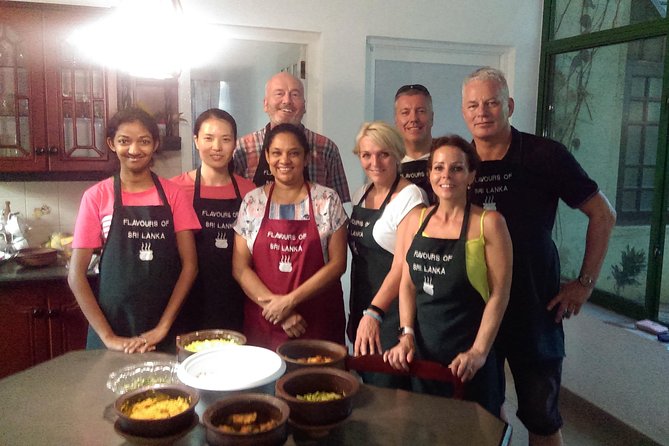
- Small class size: A maximum of eight people allows for direct help and conversation with Chitra.
- Diet-friendly recipes: Vegan, vegetarian, and gluten-free meals can be arranged.
- Dinner included: Eat the food you prepare, with unlimited boiled and filtered spring water provided.
Starting at Glory Homestay in Kandy
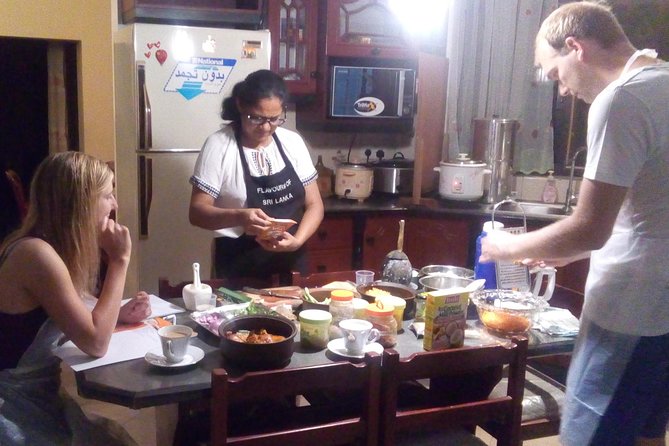
Your meeting point is Glory Homestay, at 46 Meda Bowala Road in Kandy. The class begins at 3:30 pm and returns to the same meeting point when the cooking and dinner are finished.
That return-to-start arrangement makes the evening simple to plan. You do not need to arrange a second pickup point after dinner. The meeting point is also near public transportation, though the supplied details do not specify which services stop nearby, so check your route before setting out.
The experience uses a mobile ticket, and confirmation is provided when you book. Since the class is held in a home setting rather than a large cooking school, arrive ready for a personal, informal lesson. The group limit is eight people, a useful detail if you learn better by asking questions or working close to the instructor.
Other days travellers book out of Kandy:
- Kandy Private Guided City Tour by Tuk Tuk
★ 4.9 · 1,307 reviews - From Kandy: Sigiriya Rock & Dambulla Cave Temple Adventure
★ 4.9 · 785 reviews - Kandy Village Cooking Class
★ 5.0 · 536 reviews
Picking ingredients in Chitra’s home garden
The first step is not a lecture. Chitra leads you into her garden, where you can pick fresh vegetables, herbs, and other ingredients for the meal.
This is a small but important part of the experience. You see ingredients before they are chopped, mixed, or hidden inside a finished curry. That makes it easier to understand how Sri Lankan food is built from fresh produce, spice, coconut, and careful cooking rather than from one ready-made sauce.
You also get a clearer sense of the meal’s connection to everyday home cooking. The garden visit gives the class a practical starting point, and it adds purpose to the later preparation. You are not simply following a recipe with a premeasured basket of ingredients. You are helping gather part of the food that will appear at dinner.
The activity details do not promise a large garden tour or a particular list of crops, so you should think of this as an ingredient-picking introduction, not a separate sightseeing stop. Its value comes from the link between garden and plate.
Learning the spice base behind Sri Lankan curries
Chitra introduces the curries, the ingredients, and the spices used in the meal. A key lesson is the traditional preparation of curry powder, including the small secrets that are easy to miss in a printed recipe.
For me, this is one of the most useful parts of the class. Curry powder is often treated as a single supermarket ingredient, but the class shows you that the flavor of Sri Lankan cooking depends on the blend and how it is prepared. You can ask questions as the powder is explained, then see how it works in several different curries.
The meal is not limited to one dish. You prepare rice with five curries, so you can compare the way different ingredients respond to the same general cooking tradition. That makes the class more useful than a single-recipe lesson. You leave with a better sense of how a Sri Lankan meal is balanced across several dishes.
Chitra also shares cooking tips that are not easy to find elsewhere. The information provided does not list the exact spice blend or recipe names, so you should expect instruction and technique rather than a fixed menu published in advance.
Cracking coconuts and making fresh coconut milk
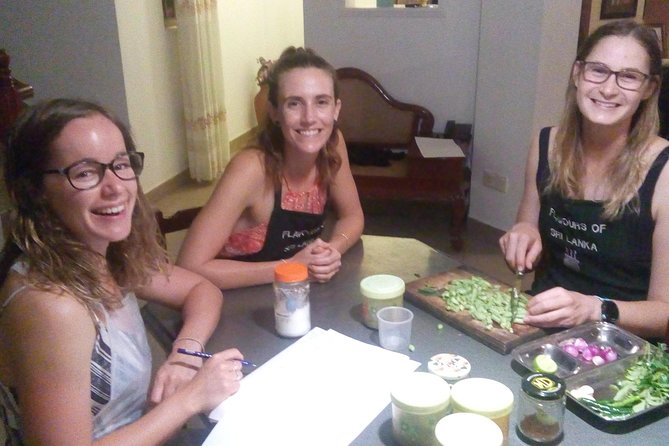
Next comes one of the most memorable practical tasks: cracking coconuts, scraping the flesh, and extracting coconut milk.
Coconut is central to many Sri Lankan dishes, and this step explains an ingredient that is often purchased in a can outside the country. You get to see the work behind the smooth coconut milk that adds body and flavor to curries. It is also the kind of kitchen task that makes the class feel rooted in local practice rather than adapted only for visitors.
You will be involved in each stage of the preparation. That matters because the class is designed around participation, not observation. Expect to chop, mix, prepare, and help cook, rather than sit back while Chitra handles the difficult work.
The coconut process can also make the class feel more active than a standard demonstration. If you prefer to watch quietly, this may require more effort than expected. If you enjoy learning through your hands, it is a strong feature.
Same base, a completely different day:
- Kandy to Ella Train Tickets – Reserved Seats
★ 4.5 · 523 reviews - From Kandy: Pinnawala Day Tour
★ 4.8 · 331 reviews - Kandy to Ambuluwawa & Kandy City Guided Tuk Tuk Day Tour
★ 4.8 · 270 reviews - Day tour to Sigiriya & Dambulla from Kandy
★ 5.0 · 252 reviews
Cooking five curries in traditional clay pots
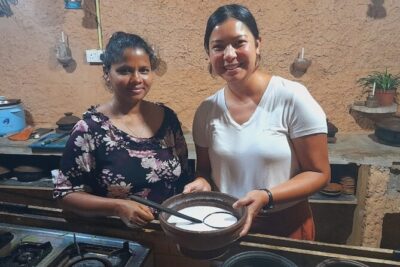
The main meal is a typical Sri Lankan combination of rice and five curries. All curries are cooked in traditional clay pots and use homemade curry powder.
The clay pots are more than a decorative touch. They make the cooking method feel tied to the food tradition being taught. You are learning not only what goes into the curries, but also how the dishes are prepared in a traditional home-style setting.
The exact five curries are not specified, and the menu can be adjusted around dietary preferences. That flexibility is helpful, especially if you eat vegan, vegetarian, or gluten-free food. It also means the meal may differ from one class to another depending on the group’s needs and the available ingredients.
You should tell the provider about your dietary requirements when booking. The experience specifically includes meals according to vegan, vegetarian, or gluten-free preferences, but it does not list separate menus or explain how far other restrictions can be accommodated.
Because you help with every stage, allow time for the cooking to unfold. The three-hour duration includes the garden, ingredient introduction, preparation, cooking, conversation, and dinner. It is not a rushed class built around producing one dish in a few minutes.
Sitting down to eat the meal you prepared
Once the cooking is done, you sit down with Chitra and the rest of the group to eat the finished meal. Dinner is included, as is unlimited boiled and filtered spring water.
This shared meal is where the class comes together. You can taste how the spices, coconut milk, rice, and separate curries work as one dinner. You also have time to talk with Chitra about Sri Lankan history, culture, and daily life.
The social side is a major part of the experience. The class is not only about taking notes and remembering ingredient names. It gives you a chance to ask questions over food and understand how cooking fits into Sri Lankan life. The small group limit helps here. Eight people is enough for conversation, but small enough that the evening should not feel like a large demonstration.
Alcohol is not included. If you want a drink with dinner, plan on arranging that separately, and do not assume it is part of the $25 price.
What the $25 price delivers
At $25 per person, this class offers good value because the price covers more than instruction. You receive the cooking lesson, all kitchen equipment, dinner, unlimited boiled and filtered spring water, and food prepared around vegan, vegetarian, or gluten-free needs.
The cost also includes several activities that would be hard to reproduce on your own during a short visit: picking ingredients in a private home garden, learning traditional curry-powder preparation, making coconut milk, and cooking with clay pots.
The strongest value comes from the combination of food and personal contact. A restaurant meal could provide a plate of curries, but it would not show you how the meal was made. A cooking class with a larger group might offer more formal facilities, but less direct time with the instructor.
At the same time, keep your expectations in the right place. This is a three-hour home cooking class, not a professional culinary qualification. You are paying for practical instruction, a meal, and a cultural exchange. The low price makes it especially appealing for people who want a useful activity in Kandy without committing to a full-day food tour.
Who will enjoy this Kandy cooking class
I would choose this class if you want to understand Sri Lankan food from the inside. It suits people who enjoy cooking, asking questions, sharing meals, and trying traditional methods.
It is also a good choice for solo visitors and couples who prefer a small social activity. The group maximum of eight gives you a better chance to speak with Chitra than a large class would.
Vegetarians, vegans, and people following a gluten-free diet have a clear reason to consider it, since the meal can be prepared around those preferences. Still, share your requirements ahead of time rather than waiting until the class begins.
Families and children may find the garden and coconut preparation appealing, but the supplied details do not give a minimum age or say how the class is adapted for children. Ask before booking if that matters for your group.
This is less suitable if you want an activity that ends before dinner, a fixed published menu, or an alcohol-inclusive meal. It is also not ideal for someone who dislikes active kitchen work.
Practical timing and cancellation advice
Plan on about three hours from the 3:30 pm start. Since the activity ends back at Glory Homestay, you can arrange your evening around the same location.
The class has free cancellation if you cancel at least 24 hours before the start time. Cancellations made less than 24 hours ahead are not refunded, and changes inside that window are not accepted. The cut-off follows local time in Sri Lanka, so check the clock before making changes.
The experience has a five-star rating from seven submitted ratings, with special praise for Chitra’s warm hospitality, the delicious food, and the enjoyment of cooking as a group. Those strengths match the structure of the class: close instruction, shared work, and a meal made together.
Should you book Flavours of Sri Lanka?
Book it if you want more than a restaurant dinner in Kandy. Chitra’s class gives you a garden visit, a lesson in curry powder, fresh coconut milk, five curries, traditional clay-pot cooking, and dinner for $25.
The main trade-off is that the menu is not fixed in detail and the afternoon takes three hours. That is a benefit if you want a relaxed home-style lesson, but less useful if your schedule is tight.
For most food-minded visitors, I would book this experience. The combination of small numbers, personal instruction, dietary flexibility, and a meal you help prepare gives it genuine value. Just arrive ready to work, ask questions, and eat what you have made.
FAQ
Where does the cooking class begin?
It begins at Glory Homestay, 46 Meda Bowala Road, Kandy 20000, Sri Lanka.
What time does the activity start?
The class starts at 3:30 pm.
How long does the experience last?
The cooking class lasts approximately three hours.
How many people can join the class?
The maximum group size is eight people.
Are vegan, vegetarian, and gluten-free meals available?
Yes. Meals can be prepared according to vegan, vegetarian, or gluten-free dietary preferences.
What is included in the price?
The price includes dinner, all necessary kitchen equipment, unlimited boiled and filtered spring water, and the meal prepared according to your dietary preferences. Alcoholic beverages are not included.
Just added around Kandy
- Udawalawe National Park Private Full-Day Safari★ 5.0 · 3 reviews
- Kandy City Tour & Famous Ambuluwawa Tower with Friendly Chauffeur★ 5.0 · 11 reviews
- White Water Rafting in Kitulgala★ 4.5 · 12 reviews
- From Kandy to Nuwara Eliya Day Tour★ 5.0 · 21 reviews
- Tour to the Hidden Waterfalls around Kandy (Knuckles Range)★ 5.0 · 6 reviews
- Sri Lanka 4 Day Private Tour★ 5.0 · 6 reviews
- White Water Rafting Kitulgala★ 4.5 · 4 reviews
- Wasgamuwa National Park Safari from Kandy★ 5.0 · 3 reviews
Tours in Kandy, compared.



Kandy to Ambuluwawa & Kandy City Guided Tuk Tuk Day Tour
Read our review →

Kandy to Sigiriya Day Tour and Dambulla cave temple with private vehicle
Read our review →Browse the lists this tour appears in