
Reviewed · GEM & SPICE GARDENS
Sri Lanka: Ceylon Cinnamon Experience & Spice Garden Tour
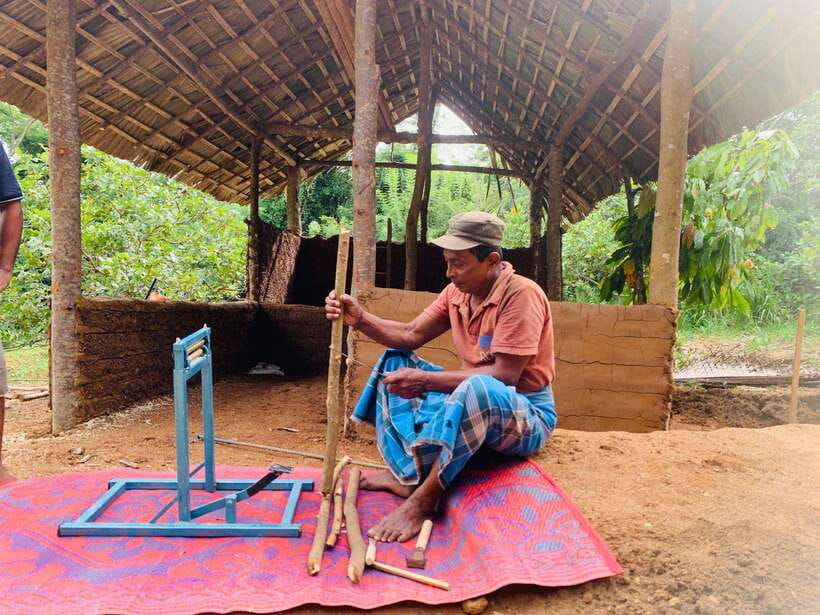
The most interesting part of the Warala Watta tour is not simply seeing cinnamon growing. You get to follow it from bark on the tree to a finished cinnamon roll, then try making one yourself. That hands-on step gives you a much better sense of the care behind a spice most of us use without a second thought.
I like the small groups of up to 10, which should leave room for questions and a closer look at the plants. I also like the tasting sequence: fresh spices, tropical fruit with Sri Lankan blends, and tea turn the tour into something you can smell and taste, not just watch.
The main consideration is access. You arrange your own transport, and the garden involves walking on plantation paths, so it is not suitable for wheelchair users, people with mobility impairments, or pregnant women. Bring water, sun protection, and insect repellent.
Key points to know before you go
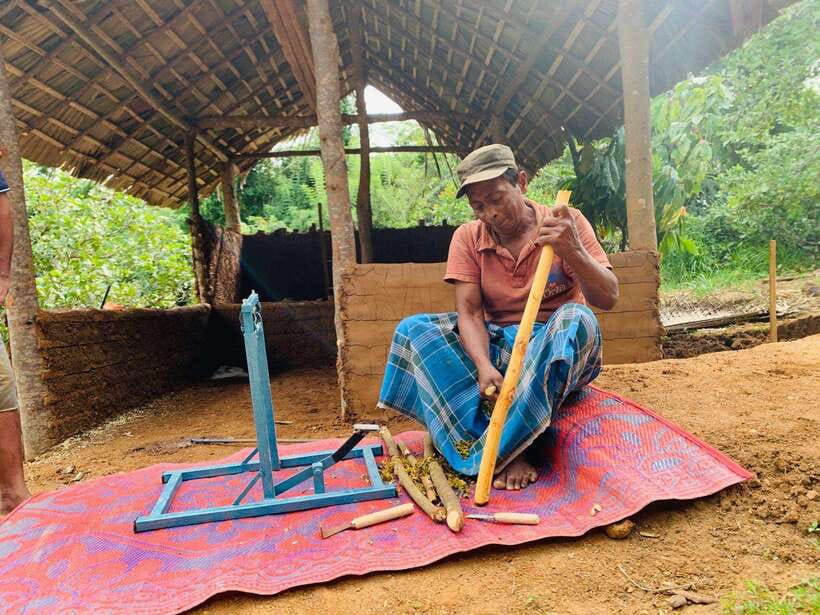
- Make your own cinnamon quill: See the process from harvested bark to prepared cinnamon, then take part in making a roll.
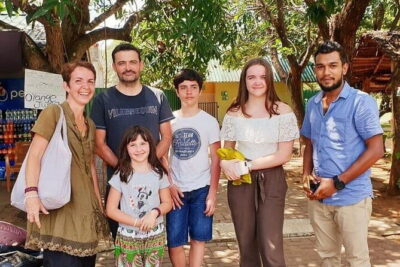
- Meet the farm team: Roha, Dilan, and their colleagues have been praised for their warm welcome and clear guidance.
- Taste beyond cinnamon: Sample garden spices, tropical fruit with Sri Lankan spice blends, and local tea.
- Walk through a working spice garden: Learn about cinnamon, black pepper, cloves, cardamom, and other Sri Lankan plants.
- Visit the processing factory: Follow the route from farm produce to processed spice and learn about quality checks.
- Plan for a three-hour outdoor visit: Comfortable shoes, a hat, sunscreen, water, and insect repellent will make the outing easier.
Seeing cinnamon become a finished quill
At Warala Watta Farm, cinnamon is more than a flavor in a jar. The Ceylon Cinnamon Experience shows you the traditional work behind it, beginning with harvesting and peeling bark, then moving through preparation and processing.
The most useful part is the chance to participate. You can try your hand at making a cinnamon roll rather than standing at a distance while a guide does everything. It is a simple activity, but it helps you understand why properly prepared cinnamon takes time and skill.
The tour explains the full chain, from the plant to the finished spice. You will see how the bark is handled and prepared into quills, then visit the processing factory to learn how the product moves toward sale. The factory stop adds useful context, since it connects the small-scale work in the garden with quality control and final processing.
I would not expect an industrial factory tour with machines at every turn. This is a farm and factory visit tied to a working spice operation, with the emphasis on traditional methods, farming, and the people who do the work. That is precisely why the cinnamon portion has more value than a quick demonstration.
Other gem and spice stops around Sri Lanka:
- Galle: Traditional Gems & Jewellery Workshop with Transfers
★ 4.9 · 539 reviews - Ella : Cooking class with amazing Spice Garden Tour
★ 5.0 · 239 reviews - The True Essence of Colombo:Private Highlights & Hidden Gems
★ 4.4 · 96 reviews
Walking through a working Sri Lankan spice garden
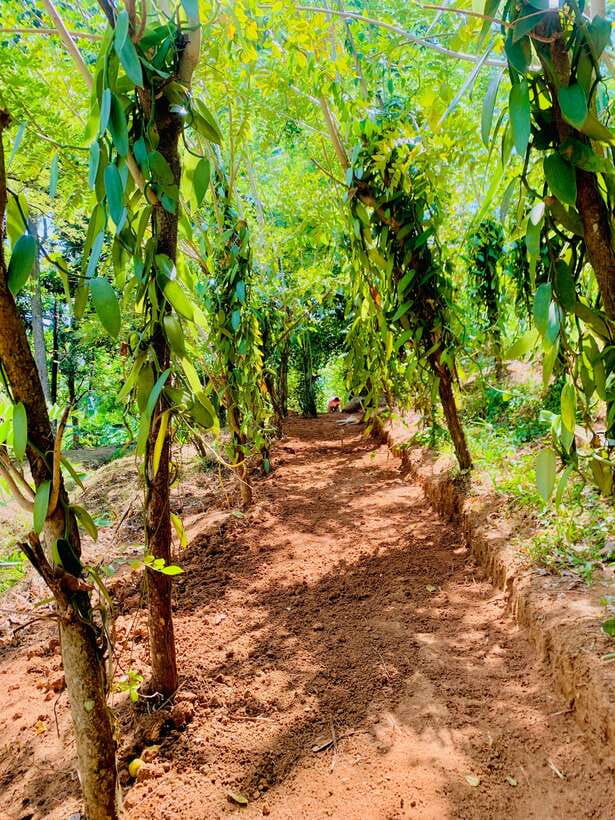
The guided garden walk introduces you to cinnamon, black pepper, cloves, cardamom, and other Sri Lankan spices. You learn where the plants grow, how they are cultivated, and how people use them in cooking and traditional medicinal practices.
This is the kind of tour where your eyes need time to adjust. A spice garden does not always look like a market stall covered in neat piles of powder. You may see plants in their growing form and learn to connect the leaves, bark, pods, or fruit with the familiar spice in your kitchen.
The guide also discusses organic farming and sustainable practice. The point is not just to name plants. You get a better idea of how a farm protects its growing environment and why handling plants carefully matters. Follow the instruction not to touch plants unless invited to do so.
The walk is likely to be most rewarding for curious eaters, home cooks, and anyone who wants to understand Sri Lankan food beyond the restaurant table. If you already know a great deal about spices, the basic introduction may feel slow. For most people, though, the chance to smell and identify plants in the garden makes the information easier to remember.
A tasting built around fresh spices and fruit
The tasting gives the tour its most playful moment. You sample fresh garden spices while discussing their uses and possible health benefits, then test your senses by identifying spices through smell, taste, and touch.
I like this format because it turns a lecture into a small challenge. You do not have to rely on a guide telling you that a spice is warm, sweet, sharp, or earthy. You can test your own reaction and compare what you notice with the explanation.
The fruit tasting adds another local touch. Tropical fruits are paired with Sri Lankan spice blends, showing how seasoning can change a familiar sweet flavor. The supplied details do not name each fruit or blend, so you should treat this as a seasonal tasting rather than expecting a fixed menu.
Tea is also part of the flavor experience. One visit included local fruit and tea along with the spices and cinnamon. The exact selection may vary, but the idea is clear: the garden gives you several ways to taste what it grows and processes.
You should come ready to try unfamiliar flavors. This is not a full meal, and meals are not included, so plan to eat separately if you need lunch or a substantial breakfast.
From plantation work to the processing factory
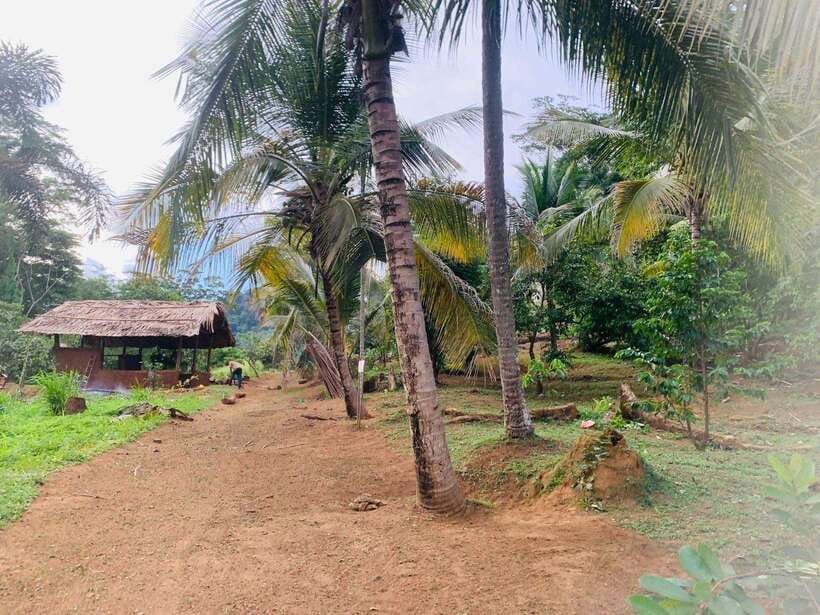
The factory visit completes the story. After seeing plants in the garden and trying the cinnamon process, you can follow the spice through processing and learn how quality is checked.
That connection matters. Many spice tours stop at the plant and offer a tasting, but the factory shows you another stage of the business. It helps explain why appearance, cleanliness, preparation, and handling affect the final product.
You may also have the option to buy spices at the farm shop. Cinnamon, cloves, black pepper, and chili powder were available during one visit at prices described as fair. Shopping is not listed as part of the included package, so treat it as an optional extra rather than a promise of a particular stock or price.
If you plan to buy spices, carry enough room in your luggage and check any customs rules that apply to your home country. The tour information does not specify packaging or export advice, so ask the farm team directly if you need help with those details.
Same base, a completely different day:
- Colombo: Private Tuk-Tuk City Tour with All Entry Fees
★ 4.9 · 2,154 reviews - Kandy Private Guided City Tour by Tuk Tuk
★ 4.9 · 1,307 reviews - Whales and Dolphins Watching-Luxury Super Grade Cruiser(Hotel Pick up offered)
★ 5.0 · 1,268 reviews - From Colombo: Sigiriya and Dambulla Day Trip with Safari
★ 4.7 · 842 reviews
What the three hours feel like

The stated duration is three hours, though one visit lasted about two and a half hours. That difference is not surprising for a small farm tour. The pace can depend on group size, questions, the amount of time spent on tastings, and how much hands-on cinnamon work is available.
The experience follows a sensible pattern:
- A guided walk through the spice garden
- Explanations of cultivation, uses, and farming methods
- The cinnamon harvesting and preparation demonstration
- Your own attempt at making a cinnamon roll
- Spice, fruit, and tea tastings
- A visit to the processing factory
The small-group limit of 10 is important. With fewer people, you should have a better chance to hear the English-speaking guide and take part in the cinnamon activity. A particularly quiet visit can feel almost private, though that is not guaranteed.
The tour operates with a live English-speaking guide. Roha and Dilan were named as part of the welcoming team during one visit, and their names are useful to know if you want to ask for them when arranging your day. The supplied information does not promise a specific guide, so the guiding team may vary.
The setting and the practical side
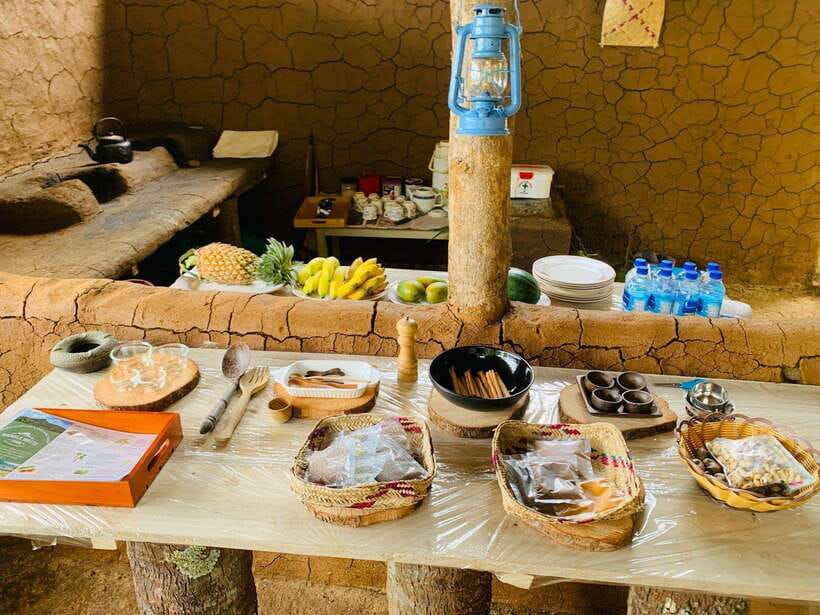
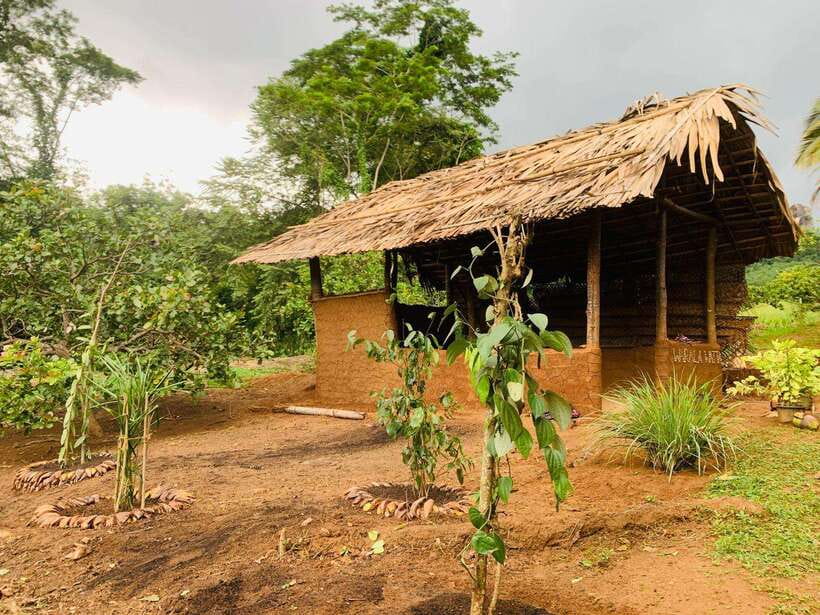
Warala Watta Farm is in Sri Lanka’s Central Province. The garden setting is peaceful and plantation-based, rather than a city attraction. That makes the surroundings part of the experience, but it also means you need to arrange your own transport to and from the farm.
Do not book this expecting a pickup service unless you confirm one separately. Transportation is not included. Since the meeting point requires you to make your own way there, check your route and allow enough time before the starting hour.
Wear comfortable walking shoes. You should also bring a hat, sunscreen, water, a camera, and insect repellent. The garden is outdoors, and even a short walk can feel tiring if you arrive without shade or water.
Smoking is not permitted on the premises. You are also asked to respect the garden ecosystem and avoid touching plants. These rules are simple, but they matter in a working farm where plants are part of the livelihood and the lesson.
The activity is not suitable for pregnant women, wheelchair users, or people with mobility impairments. The information does not describe the paths in detail, so anyone with other access concerns should contact the farm before booking rather than assuming the route will work for them.
Is the $20 price good value?
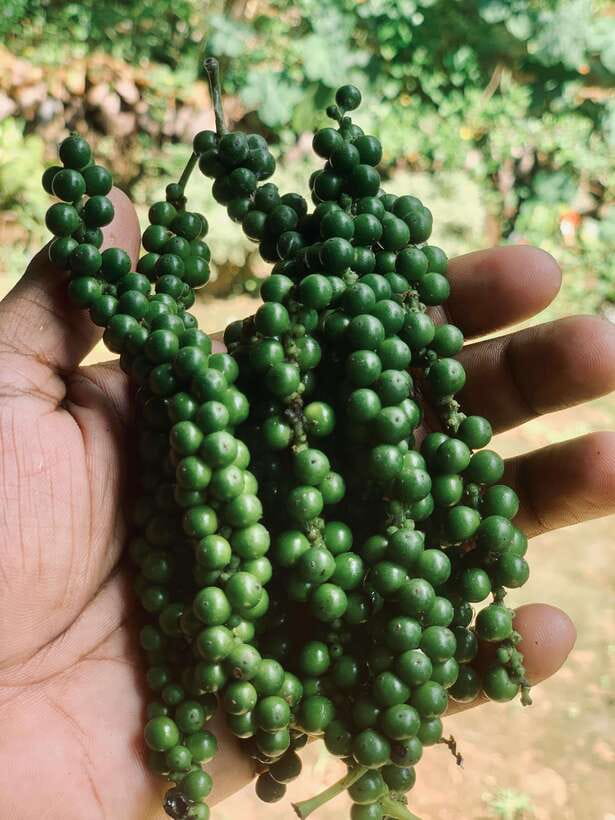
At $20 per person, this is good value if you want more than a quick stop at a spice shop. The price includes the guided garden walk, cinnamon activity, farm-to-table spice tasting, tropical fruit tasting with Sri Lankan spices, and factory visit.
The value comes from the range of activities packed into roughly three hours. You are not paying only to look at plants. You get instruction, hands-on participation, several tastings, and a look at processing. For anyone interested in food, farming, or Sri Lankan culture, that is a fair amount for the cost.
The price does not include transportation or meals. Those extras can affect your total budget, especially if the farm is far from where you are staying. You should also allow for optional spice purchases if you want to take cinnamon or other products home.
I would rate the tour as a better buy for people who enjoy active, small-scale experiences than for those seeking a polished sightseeing attraction. The garden may be simple, and the route may require walking. In return, you see a real farm operation and take part in a traditional craft.
Who will enjoy this tour most
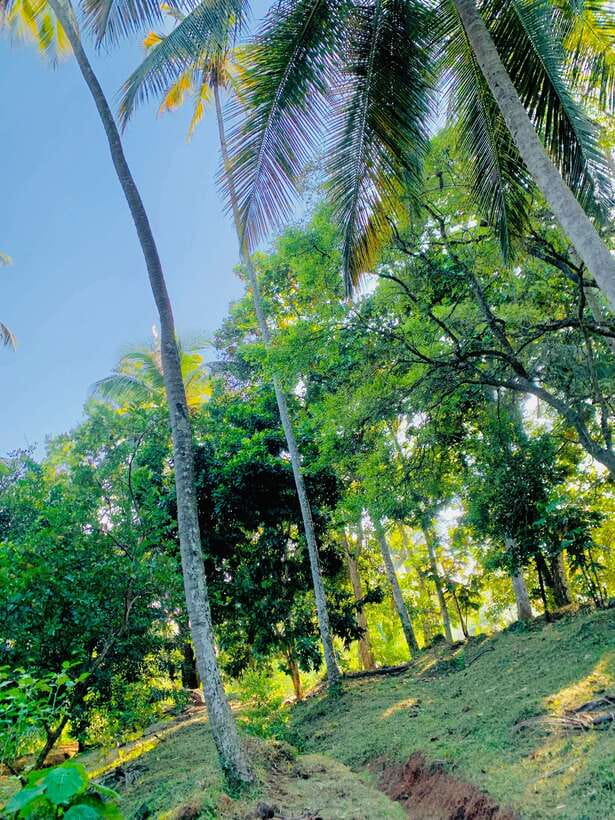
I would choose this experience if you like food stories, plant life, local farming, or practical demonstrations. Families with older children may also find the sensory challenge and cinnamon-making activity more engaging than a standard lecture, though the supplied information does not give a minimum age.
It suits solo visitors well, especially because the group is limited to 10 and the farm team has been described as warm and attentive. A solo woman can also appreciate the friendly, reassuring atmosphere noted during one private-feeling visit.
Couples and small groups will get the most from it if everyone is willing to taste unfamiliar spices and walk through the garden. You do not need expert food knowledge. In fact, the pleasure comes partly from discovering how little you can identify at first and how quickly the garden changes that.
I would skip it if you want a short, purely scenic stop, dislike tasting activities, or cannot manage plantation paths. I would also think twice if your schedule is so tight that arranging transport feels stressful. The three-hour program needs room around it for getting there and leaving.
Book the cinnamon experience or pass?
Book it if you want to understand how Sri Lankan spices move from plant to plate. The strongest reasons are the chance to make a cinnamon roll, the small-group format, the tasting of fruit and spices, and the factory visit that fills in the practical details.
The tour is especially worthwhile at $20 when you value direct contact with a working farm over a large commercial attraction. Go prepared for outdoor walking, arrange your own transport, and remember that the tastings are not a meal.
Pass if mobility limits make the garden difficult or if you are looking for a fully packaged excursion with transportation included. For everyone else, Warala Watta offers a friendly, hands-on way to meet Sri Lanka through its plants, flavors, and everyday farm work.
FAQ
How long does the Warala Watta Spice Garden tour last?
The listed duration is three hours. One visit lasted about two and a half hours, so the exact length may vary slightly.
How much does the tour cost?
The price is $20 per person.
What is included in the tour?
The package includes a guided spice garden walk, the Ceylon Cinnamon Experience, farm-to-table spice tasting, tropical fruit tasting with Sri Lankan spices, and a factory visit.
Is transportation included?
No. You need to arrange your own transport to and from the spice garden.
Is a meal included?
No. Meals are not included.
What language is the tour offered in?
The tour has a live English-speaking guide.
How many people can join the group?
The activity is limited to 10 participants.
Can I take part in making cinnamon?
Yes. You can see the traditional cinnamon process and take part in making a cinnamon roll.
What should I bring?
Bring comfortable shoes, a hat, sunscreen, water, a camera, and insect repellent.
Is the garden suitable for wheelchair users or people with mobility impairments?
No. The activity is not suitable for wheelchair users or people with mobility impairments. It is also not suitable for pregnant women.
Can I cancel the booking?
Yes. You can cancel up to 24 hours in advance for a full refund. A reserve-now-and-pay-later option is also available.
Just added around Sri Lanka
- Yala Safari: High-Luxury PRIVATE Tours with Entry Tickets★ 4.7 · 15 reviews
- Yala Village Tour: Pottery Class, Lake and Temple Visits★ 5.0 · 5 reviews
- Zip Lining in Ella★ 4.5 · 16 reviews
- Yala Safari : 7 hour & 12 hour Tours★ 3.8 · 6 reviews
- Yala Private Safari: Half-Day or Full-Day with Picnic Lunch★ 4.3 · 8 reviews
- Yala Safari All-Inclusive Package with Convenient Pick Up★ 4.4 · 3 reviews
- Yala National Park Wildlife safari from Mirissa★ 3.3 · 4 reviews
- YALA BLOCK 5 & 6 (Weheragala & Lunugamwehera) Safari Tour★ 4.8 · 30 reviews
Gem & Spice Gardens, compared.

Traditional Gems & Jewellery Workshop with Transfers
Read our review →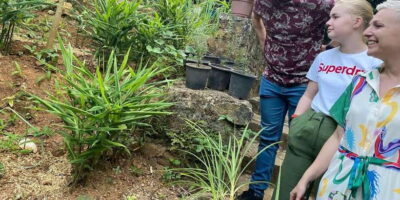

The True Essence of Colombo:Private Highlights & Hidden Gems
Read our review →
Polonnaruwa Ancient City Private Day Tour (Hidden Gems)
Read our review →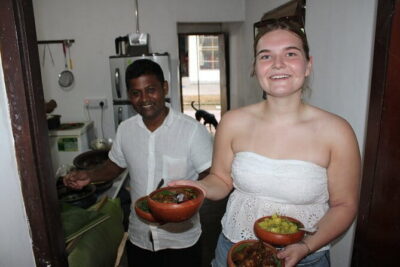

Private Ratnapura Gem Tour with Gem and jewelry Expert
Read our review →
Browse the lists this tour appears in