
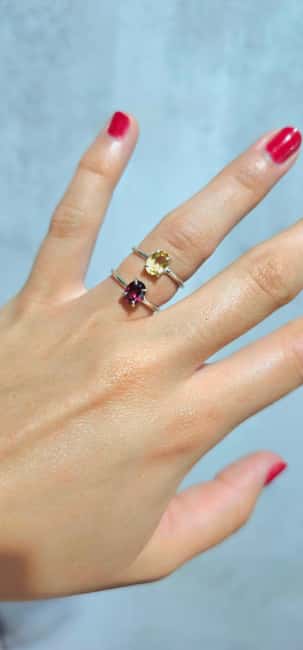
Reviewed · GEM & SPICE GARDENS
Galle: Traditional Gems & Jewellery Workshop with Transfers
The best part of this Galle experience is that you do not just watch a jeweller work. You help shape silver, choose a stone, and take part in several steps of making a ring, pendant, bracelet, or earrings. Hasara and the Chandralal family guide you through the work, while the difficult or risky parts are handled by the artisans.
I like the clear pricing and the warm family setting. You can explain your budget before choosing a stone or design, and you are not required to buy the finished item. The included Sri Lankan lunch or dinner also gives the workshop a homely touch. The main thing to allow for is time: four hours is the advertised length, but complicated designs or careful work can make the visit longer.
Key points to know before you book
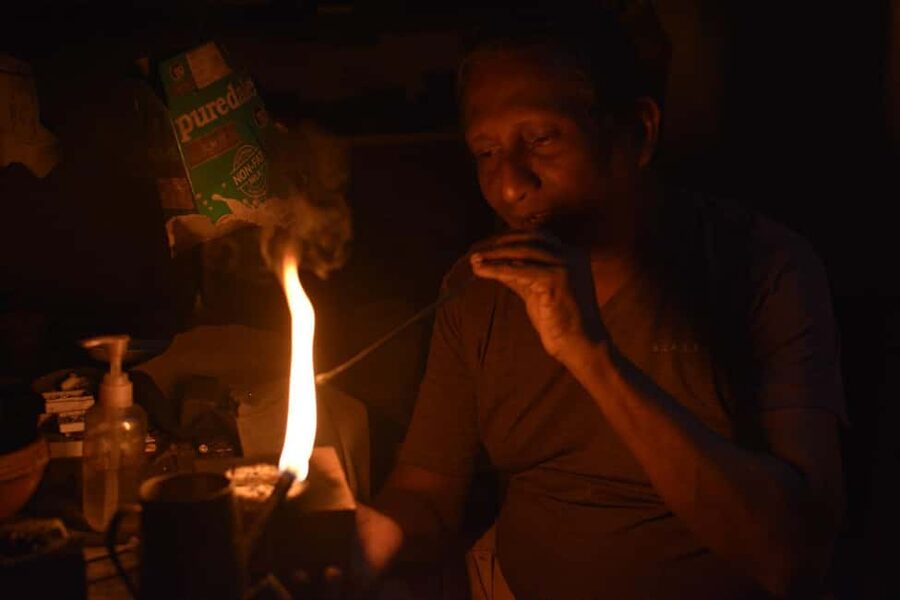
- You take part in real workshop tasks: Try melting, hammering, shaping, soldering, setting, smoothing, and polishing under guidance.
- The finished jewellery costs extra: The $13 activity price covers the lesson and hospitality, not the silver or gemstone in your final piece.
- Gem education is part of the visit: Examine local stones and learn practical ways to tell natural gems from artificial ones.
- It feels personal and family-run: The workshop is held at the family home, with tea, snacks, and a shared meal.
- Pickup has a strict range: Tuk-tuk transport is included only within 12 kilometres of Galle, Galle Fort, Unawatuna, and Boossa.
- Plan for a half-day: The work may run beyond four hours, especially if you make more than one item.
From Galle to a working jewellery home in Kotapola
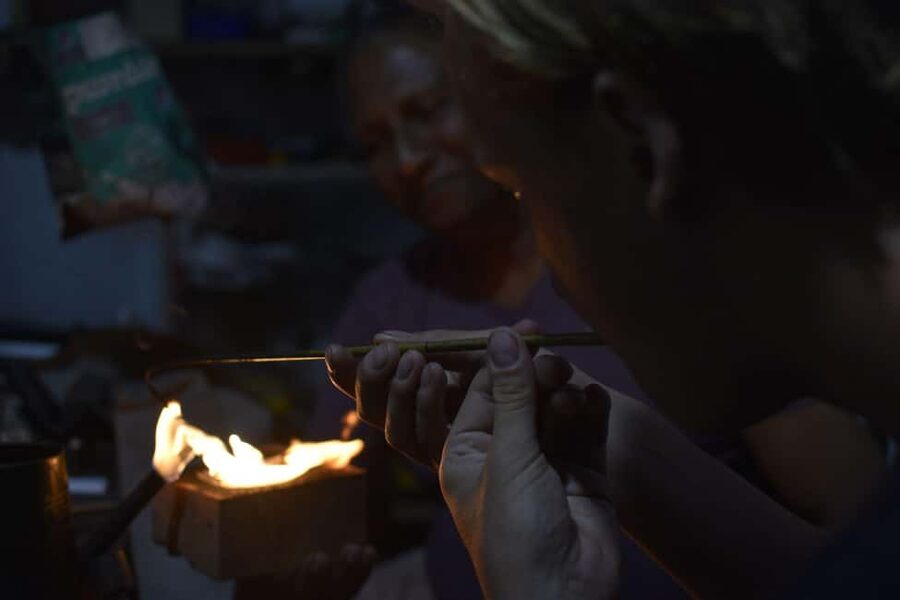
This is not a quick stop at a polished showroom. The workshop takes place at the Chandralal family property in Kotapola, where you meet the people who make and sell the jewellery. The setting matters because you see the craft in a working home rather than only hearing a sales pitch in a shop.
Pickup and drop-off are provided by tuk-tuk for hotels inside the stated 12-kilometre zone covering Galle, Galle Fort, Unawatuna, and Boossa. If you are staying outside that area, the practical meeting point is Galle Fort. The narrow roads near the property can be tricky, and one visitor with large bags arranged transport to a nearby petrol station before being collected for the final stretch.
Communication is in English. The activity is limited to 10 people, so the small group size should give you more attention than a large demonstration. Still, the exact pace depends on the number of people making items and how much guidance each person needs.
The host only replies about 24 hours before the activity, so do not worry if your confirmation questions are not answered right away. It is sensible to keep your pickup details clear and update the meeting point to Galle Fort if your accommodation falls outside the free transfer zone.
Other gem and spice stops around Galle:
- Ella : Cooking class with amazing Spice Garden Tour
★ 5.0 · 239 reviews - The True Essence of Colombo:Private Highlights & Hidden Gems
★ 4.4 · 96 reviews - Day Tour to Elephant Orphanage / spice garden
★ 5.0 · 20 reviews
Start with stones, designs, and a realistic budget
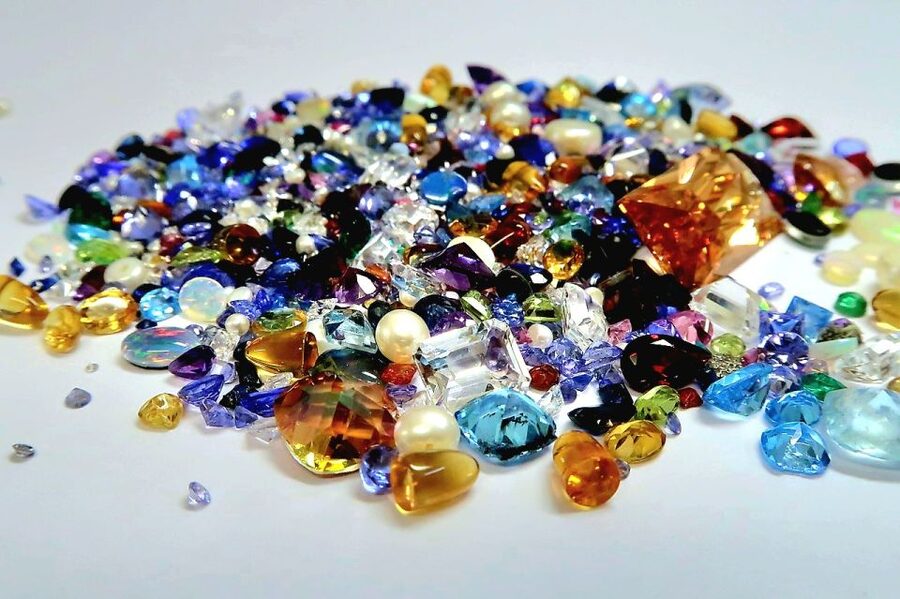
The workshop begins with an introduction to gemstones. You can touch and examine stones from local mines, look through a broad selection, and learn how natural and artificial stones differ. Moonstones, garnets, tourmaline, green amethyst, blue topaz, and other stones appear in the choices described by visitors, though the exact stock can change.
This is useful even if you do not plan to buy jewellery. Sri Lanka is closely associated with coloured stones, and the lesson gives you a better sense of what you are looking at before money changes hands. You can ask about the stone, compare options, and discuss how its size and type affect the final price.
You also choose the form of the piece. Rings are the most common choice, but the workshop can make pendants, earrings, bracelets, and other designs. There are many examples to help if you arrive without a plan. I suggest thinking about a simple design before you go, especially if you want the item finished within the expected four-hour period.
The price discussion comes before the metal is cut. This is important. The advertised $13 is an entry fee for the workshop, not the total price of a silver ring with a stone. You pay extra for the silver and gemstone in the piece you keep.
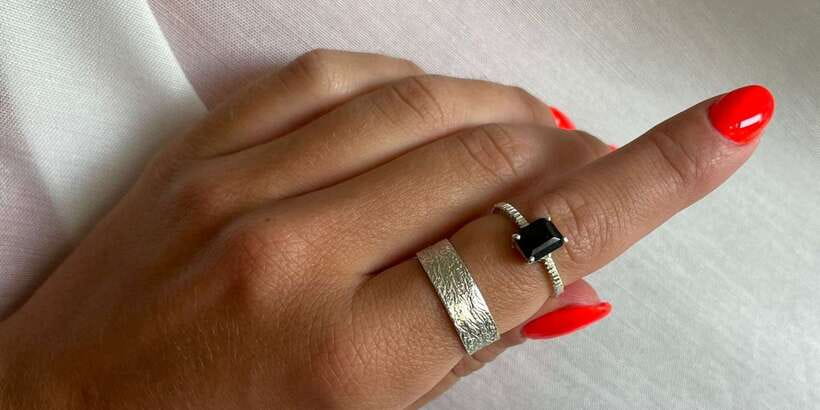
Several specific prices give you a rough guide, although they should not be treated as a fixed menu. One ring without a gemstone cost 12,000 Sri Lankan rupees, while a silver and tourmaline ring cost £50. Another visitor paid 17,000 Sri Lankan rupees for a green amethyst ring. These examples show why your design, stone, and amount of silver matter.
If you have a limit, say so plainly. The family can help you choose a stone and design that fit your budget. The price is explained as you go, and you can decide not to buy anything and still take part in the lesson.
From silver melt to shaped band
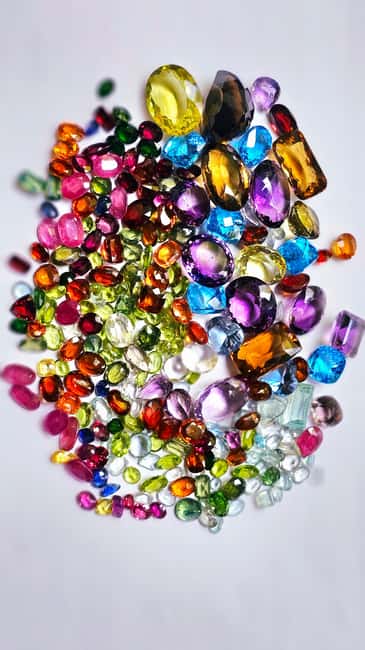
The hands-on work begins with silver. You may help melt the metal, though the artisans handle the difficult parts and guide you closely. This is not a do-it-yourself jewellery school where you are left with hot metal and a few tools. It is a demonstration class with meaningful participation.
You can expect to try several old-style methods:
- Gauging and measuring the silver
- Heating and folding the metal
- Hammering it into shape
- Flattening or adjusting it with a press
- Soldering joins under supervision
- Adding texture with a small hammer
- Smoothing rough edges
- Polishing the finished surface
The repeated cycle of heating, hammering, and reshaping helps you see how a plain strip becomes a wearable piece. It also explains why the craft takes time. A ring that looks simple may need careful adjustment so it fits, holds the stone, and has an even finish.
You do a considerable amount of work yourself, but you will not complete every technical step alone. That distinction is worth understanding before booking. You are learning the process and helping build the piece, while experienced artisans take over when precision, heat, or specialist skill is needed.
The workshop suits people who enjoy making things with their hands. It is less suited to anyone expecting a fast souvenir pickup. The experience rewards patience, and an intricate design may take longer than a plain silver band.
Setting the stone and finishing your keepsake

Once the basic form is ready, the gemstone is embedded into the jewellery. This is one of the most satisfying parts to watch because the stone changes the piece from a shaped piece of silver into something recognisably personal.
You may help with parts of the setting process, depending on the design. The artisans make sure the stone is secure and the metal sits correctly around it. Your role is active, but the final precision work remains with the makers.
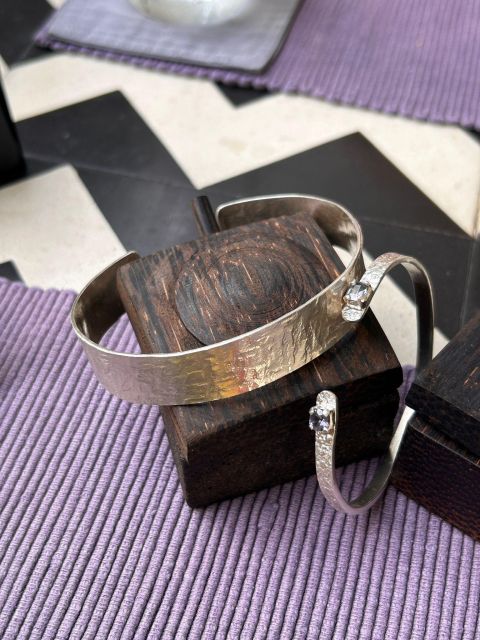
Smoothing and polishing come near the end. You may get to polish the ring or other item and see the surface change. Small details, such as texture from a hammer or a slightly irregular handmade finish, can remain visible. That is part of the appeal, but you should not expect the speed or uniformity of a factory-made item.
Some people make a single ring, while others create several pieces. Couples have made matching rings, and one pair made a ring and necklace with blue topaz. Families and younger children have also taken part in the process. A nine-year-old enjoyed helping with the steps, though younger participants will need close adult support around tools and heat.
The provider also gives rough moonstones and garnets at the end. Treat these as a small learning souvenir rather than a finished jewel. They are a pleasant extra, especially for children or anyone curious about raw stones.
Other hands-on workshops around Galle:
- Galle : Traditional Jewellery making workshop
★ 4.9 · 34 reviews - Kandy: Interactive Batik Workshop
★ 5.0 · 51 reviews - Ahangama: Traditional Jewellery Making Workshop
★ 4.9 · 23 reviews
Lunch, tea, and the family welcome
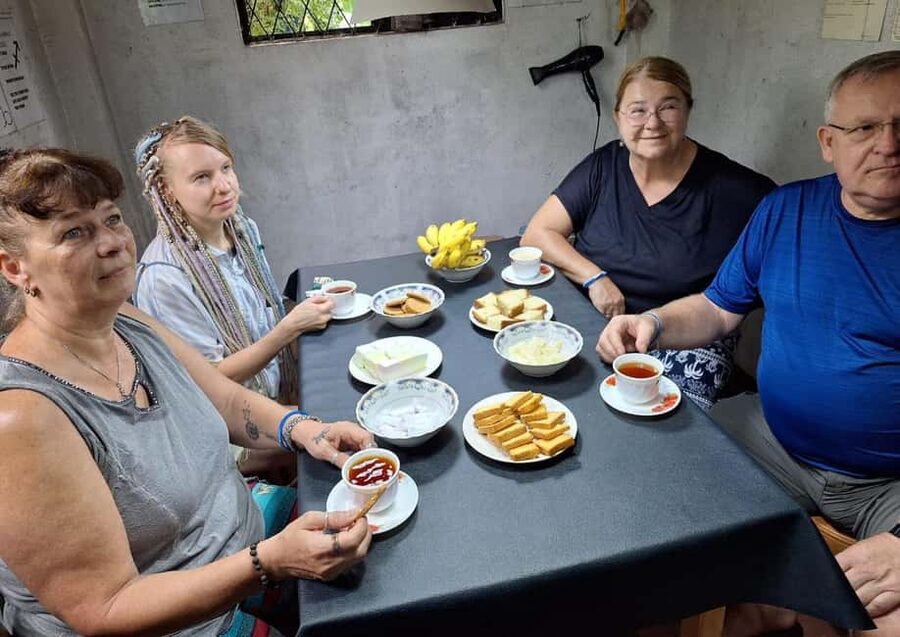
Food is included, and it is more than a quick packet of biscuits. Depending on the start time, you receive lunch or dinner at the family home, along with tea, coffee, water, and snacks. The meal often becomes an important part of the visit because it gives you time to sit down with the family after the concentration of the workshop.
The home setting makes this feel different from a standard craft class. You are welcomed into the family’s living space, offered refreshments, and given time to ask questions. The atmosphere is friendly and informal, but the craft itself remains the centre of the visit.
If you book an afternoon start, the workshop may begin around 4pm, with dinner afterward. This can be more comfortable than working during the hottest part of the day. Evening timing also fits well with a Galle sightseeing schedule, though you should not plan a tightly timed activity afterward.
The meal is included in the price, but the jewellery is not. Keep those two parts separate when judging value. The $13 covers transport within the pickup area, food and refreshments, the lesson, and the rough stones. Your final item is priced separately according to what you choose.
What makes the $13 price good value
At $13 per person, this is inexpensive for a four-hour activity that includes transfers, a meal, and direct instruction. The value comes from the time and access, not just from the finished object. You get to inspect stones, learn basic gem identification, try traditional techniques, and spend time with a local family.
The low starting price can also make the experience feel misleading if you do not read the conditions. A silver ring with a gemstone may cost far more than the booking fee. That is not an unexpected surcharge, since the metal and stone are clearly separate, but you need to budget for them if you want to take home your work.
The strongest part of the pricing system is that you can control the final cost. Choose a simpler design, use less silver, select a more modest stone, or make a ring without a gemstone. If you prefer, you can watch and practise without buying a piece.
I would treat the activity price as a workshop and hospitality fee. Decide on your jewellery budget before you arrive, then tell the family. This keeps the choice relaxed and helps you avoid falling for a stone that is outside your plans.
Small details that affect your day
The activity is described as four hours, but it can take longer than three hours and may run beyond the advertised duration. The wording is slightly loose, so keep at least half a day open. This matters most if you are booking dinner, a bus, or another timed tour.
The workshop is wheelchair accessible, but the transfer is by tuk-tuk. If you use a wheelchair or have mobility needs, confirm that the vehicle and pickup arrangement suit you before booking.
The group limit is 10 people. That is still small enough for personal instruction, but the amount of time you spend on each step can vary if several people are choosing complicated designs.
You receive free cancellation up to 24 hours before the activity and can reserve now while paying later. The host language is English. Pickup is private tuk-tuk transport both ways, but only within the stated areas and distance.
Bring patience rather than a strict timetable. The family has stayed longer for complicated pieces, and that extra time can be useful if you want a careful result.
Who should book this workshop?
I would recommend it to couples looking for a shared souvenir, families who enjoy practical activities, and anyone who wants a personal reminder of Sri Lanka rather than another shop-bought trinket. It also suits people curious about coloured stones and traditional metalwork.
It is a good choice if you like meeting local makers and do not mind a home-based setting. You will have the most fun if you want to try tools, ask questions, and make design choices.
I would be more cautious if you need a fixed finish time, dislike negotiating choices, or expect the $13 fee to include the jewellery. The final price can rise with a larger stone or complex design, even though the family explains the costs clearly.
Should you book the Chandralal jewellery workshop?
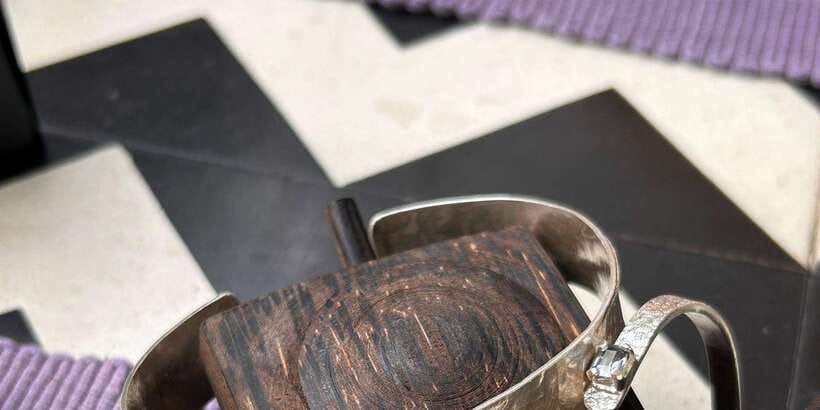
Book it if you want a hands-on craft session with food, transport, and a personal keepsake. The combination is unusually strong value at $13, provided you understand that silver and gemstones cost extra.
Before you go, set a jewellery budget, choose a simple design if your schedule is tight, and confirm your pickup point. If you do that, this workshop gives you something better than a souvenir: a clear look at how a piece is made, plus a hand in shaping one for yourself.
FAQ
Where does the jewellery workshop take place?
The workshop takes place at Chandralal Jewelry Works in Kotapola, Sri Lanka.
How long does the activity last?
The advertised duration is four hours, but the workshop can take longer depending on the design and how quickly you complete each step.
What is included in the $13 price?
The price includes the jewellery-making lesson, pickup and drop-off within the stated area, snacks, water, tea, coffee, lunch or dinner, and rough moonstones and garnets.
Is the finished jewellery included?
No. The silver and gemstone used in the piece you keep cost extra.
Can I choose the type of jewellery I make?
Yes. Available choices described for the workshop include rings, earrings, pendants, bracelets, and other custom designs.
Can I take part in the jewellery-making process?
Yes. Under guidance, you can try steps such as melting, gauging, shaping, soldering, hammering, embedding stones, smoothing, and polishing. The artisans handle difficult steps.
Is gemstone instruction included?
Yes. You can examine local stones and learn how to identify real gemstones and artificial ones.
Where is pickup available?
Free tuk-tuk pickup and drop-off are available within a 12-kilometre radius in Galle, Galle Fort, Unawatuna, and Boossa. If you are outside that area, you should update the pickup point to Galle Fort.
Can I cancel the booking?
Yes. You can cancel up to 24 hours before the activity for a full refund. You can also reserve now and pay later.
Just added around Galle
- Bentota: All Inclusive Galle Dutch Fort & Madu River Safari★ 4.2 · 6 reviews
- Surf lesson in weligama by surf and stay Srilanka .★ 5.0 · 95 reviews
- GO WILD! Double Safari Day Trip (Yala & Udawalawe) – Private & All Inclusive★ 5.0 · 23 reviews
- Mirissa/Weligama/Galle/Tangalle: Drop to Ella & Yala Safari★ 4.8 · 27 reviews
- Sinharaja Rainforest Private & Customize Tour★ 4.6 · 38 reviews
- Sinharaja Rainforest Private Half Day Tour with Licensed Guide★ 5.0 · 39 reviews
- Galle Fort and City Cycling Tour – Choice of E-Bike or Manual★ 5.0 · 28 reviews
- Galle : Traditional Jewellery making workshop★ 4.9 · 34 reviews
Gem & Spice Gardens, compared.
The True Essence of Colombo:Private Highlights & Hidden Gems
Read our review →
Browse the lists this tour appears in