
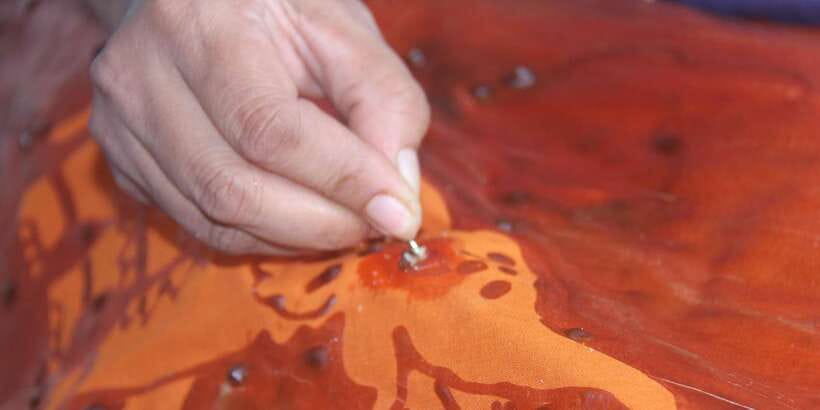
Reviewed · CRAFT WORKSHOPS
Kandy: Interactive Batik Workshop
Creating your own batik cloth is the heart of this Kandy workshop. Anuja and her daughter Manugi guide you through the whole process, from choosing fabric and drawing a design to waxing, dyeing, and removing the wax. I especially like the hands-on format and the chance to leave with a personal Sri Lankan souvenir rather than another shop-bought trinket.
I also like the warm family setting, where herbal tea and sometimes home-cooked food add a personal touch. The main drawback is practical: the studio at 218/6 Thalapiyannawa Road in Ampitiya can be tricky to locate, and paint or dye may reach your clothes. Bring something comfortable and easy to wash.
Key points
- Make a real cloth: You create your own batik piece and take it home.
- Learn the full process: The session covers design, waxing, dyeing, and dewaxing.
- Try traditional tools: Use a funnel, tjanting, Henry tool, brushes, stamps, and other methods.
- Friendly small group: The workshop is limited to 10 people and taught in English.
- A calm family setting: Anuja and Manugi provide patient instruction, tea, and a welcoming home atmosphere.
- Plan your arrival: Transport is not included, and the studio may be hard to find with map directions alone.
A creative break from Kandy’s busy streets
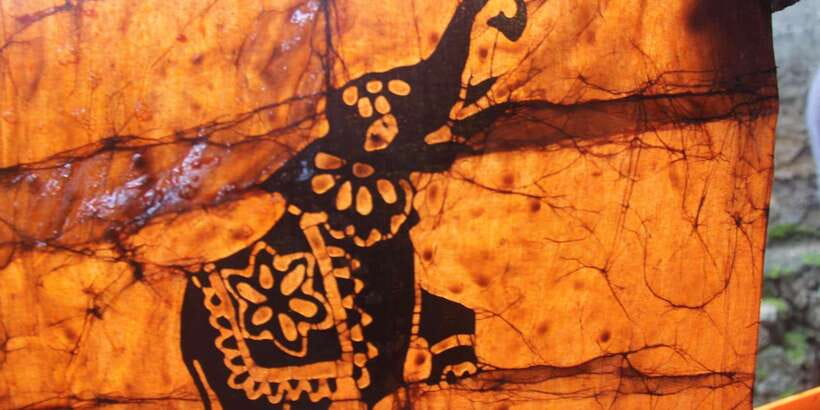
Kandy can be noisy, crowded, and full of scheduled sightseeing. A batik workshop gives you a slower morning or afternoon with something useful to do with your hands. Instead of simply looking at Sri Lankan craft, you learn how it is made.
The setting is a family home and studio in Ampitiya, outside the main center of Kandy. That matters because the experience feels personal rather than like a large commercial class. The group is capped at 10 people, so you should have room to work and ask questions.
Anuja leads the craft teaching, while Manugi helps with instruction and conversation in English. Their teaching style is suited to beginners. You do not need to arrive with drawing skills, and you can use a stencil or adapt one of the offered designs if inventing a picture from scratch feels daunting.
The workshop lasts about 3.5 hours. That is long enough to understand the process without turning the activity into a full-day commitment. Still, this is not a quick souvenir-making stop. Waxing and dyeing take care, and your final piece depends on how much attention you give each stage.
Other hands-on workshops around Kandy:
- Galle: Traditional Gems & Jewellery Workshop with Transfers
★ 4.9 · 539 reviews - Galle : Traditional Jewellery making workshop
★ 4.9 · 34 reviews - Ahangama: Traditional Jewellery Making Workshop
★ 4.9 · 23 reviews
Choosing a design and preparing the cloth
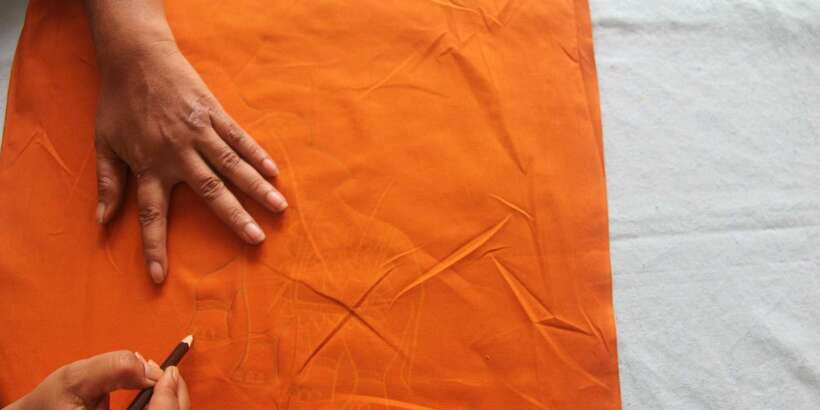
The first stage is selecting a piece of fabric and deciding what you want to make. You may work from a stencil or create your own design. A simple pattern is a sensible choice for a first attempt because every line has a job: waxed areas resist the dye and help form the final image.
You can also add a personal detail, such as writing your name in Sinhala. This has become a popular part of the session because it gives the finished cloth a clear connection to Sri Lanka. If you are making the workshop part of a family trip, children or teenagers can choose a guided pattern while adults try a freer design.
The instructors explain the purpose of each step before you begin. That patient pace is important. Batik looks simple when you see a finished cloth, but the order of drawing, waxing, dyeing, and removing the wax affects the result.
You should not expect factory-perfect lines. Small slips are part of the process, and the instructors help correct mistakes without taking the work away from you. I see that as one of the best features for beginners. You get guidance, but the finished item still feels like yours.
Wax, funnels, and the first careful lines
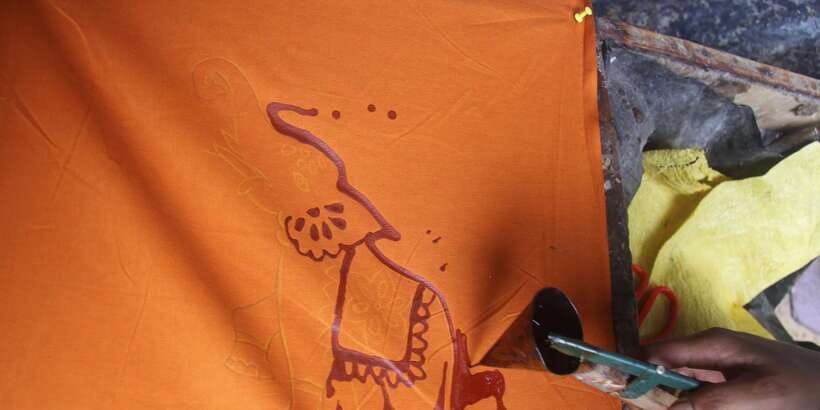
Batik depends on controlling wax. You apply it to sections of cloth that should resist the dye, building the pattern one area at a time. The workshop introduces wax mixtures and shows how the tools affect the line.
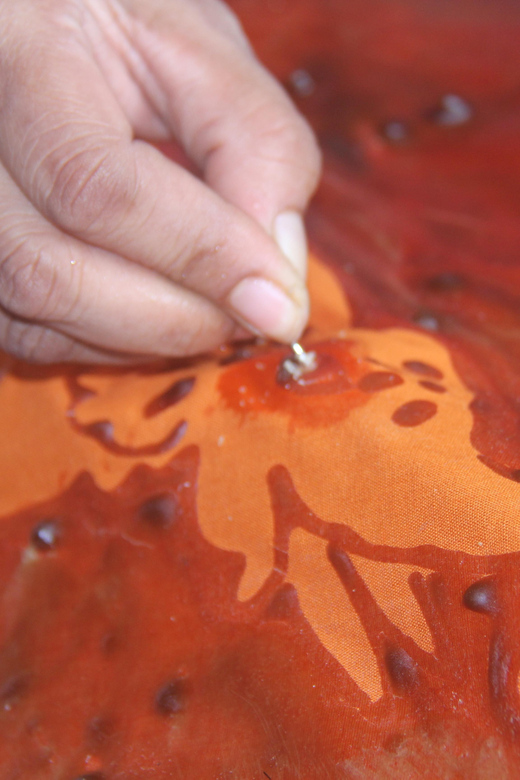
You may use a funnel, a tjanting, and a Henry tool. These tools let you apply wax in different ways, from fine lines to broader marks. You also try brush work, stamping, wax spraying, cracking, and other wax-design methods.
The tjanting is especially useful for drawing lines, though it takes a little practice to control the flow. A brush can feel more natural for larger areas, while stamping gives you a repeatable pattern. Wax cracking produces a different surface effect, allowing dye to reach the cloth through small breaks in the wax.
This is the point where the workshop becomes more than a painting class. You are learning how a resist method works. The wax does not simply decorate the cloth. It controls where the color can go.
Take your time here. Rushing the wax stage can blur a design or leave gaps where you wanted a clean border. The instructors remain nearby to demonstrate and offer help, but you still get space to test the tools yourself.
Learning how batik takes color
Once the wax design is ready, you learn about dyes and how they are applied. The session covers dye mixtures and techniques linked with napthol dyes, vat dyes, and reactive dyes.
You do not need prior knowledge of textile chemistry. The value is in seeing how different dye methods affect the cloth and how the wax protects selected areas. This explanation helps you understand why the final piece has layers of color instead of looking like a single painted image.
Batik is a process of planning ahead. The color you add at one stage can affect what happens later, and the waxed areas remain protected until you remove it. That makes the class a good fit if you enjoy careful craft, but less suitable if you want instant results.
The finished design may not match the neat examples displayed in a studio. That is normal for a first piece. I would treat the class as a chance to learn a traditional method and make a personal keepsake, not as a contest for perfect artwork.
Same base, a completely different day:
- Kandy Private Guided City Tour by Tuk Tuk
★ 4.9 · 1,307 reviews - From Kandy: Sigiriya Rock & Dambulla Cave Temple Adventure
★ 4.9 · 785 reviews - Kandy Village Cooking Class
★ 5.0 · 536 reviews - Kandy to Ella Train Tickets – Reserved Seats
★ 4.5 · 523 reviews
Finishing with wax burning and dewaxing
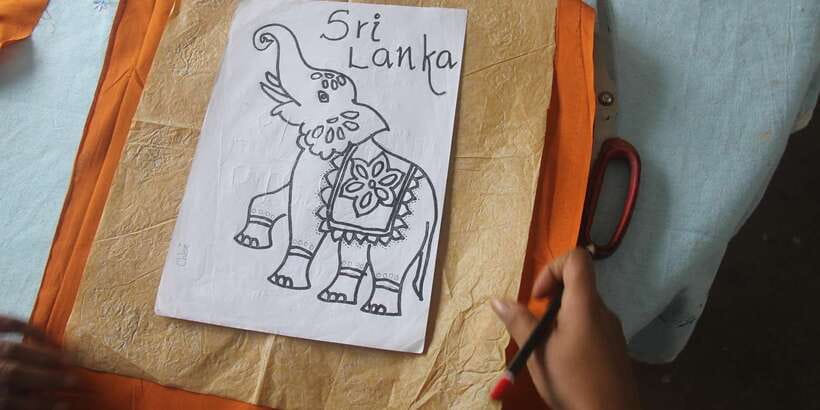
The final part covers wax burning and wax boiling, also called dewaxing. This removes the wax so the cloth can show its completed pattern.
This stage is satisfying because it reveals the image you have been building. Until then, the fabric may look confusing, with wax marks and layers of dye hiding the result. Removing the wax brings the design into focus.
You also learn how to care for the finished cloth. That is useful if you plan to pack it for a long journey. One practical point is that the workshop team can provide instructions for looking after the fabric after you leave.
The exact form of your souvenir can vary. Past participants have made cloth pieces, bags, laptop covers, and other useful items. The supplied activity details promise your own batik cloth, while the workshop’s creative format allows the design and final use to differ from person to person.
Tea, conversation, and the family welcome
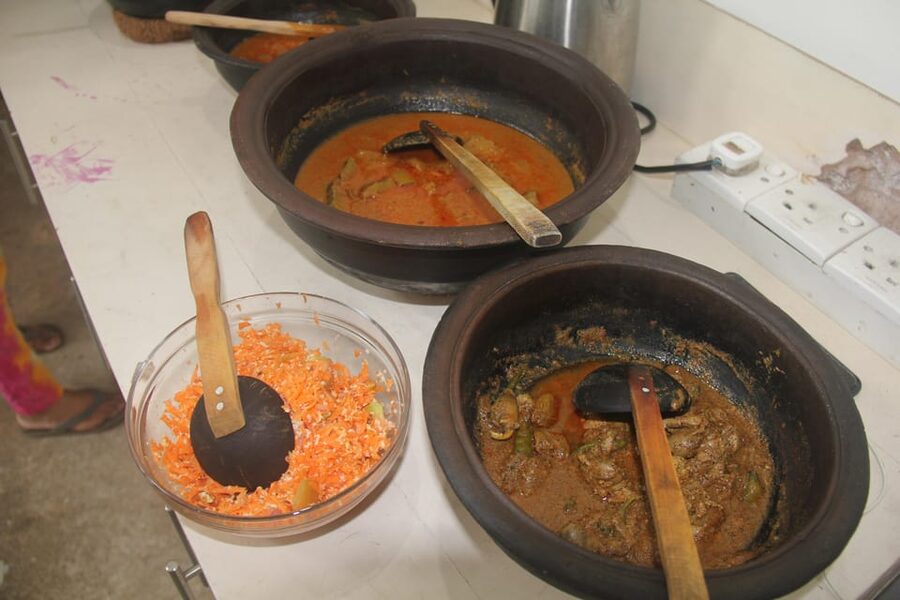
Herbal tea is included, giving you a welcome pause during the session. The food offered can vary, but the family has also served tea, sandwiches, breakfast, Sri Lankan desserts, and home-cooked lunch to participants.
Lunch is not included in the official package, so do not book this expecting a guaranteed meal. If food is offered during your visit, treat it as an extra rather than part of the contract. The important included refreshment is herbal tea.
The family setting is a major part of the experience. You are not only learning a technique. You may also chat with Anuja and Manugi about the craft and Sri Lankan life. Their English instruction makes it possible to ask questions throughout the process.
That personal setting also means the workshop is not highly polished in the way a large visitor attraction might be. The charm comes from the home atmosphere and direct contact with the people teaching you. If you prefer a slick studio with fixed displays and a fast schedule, this may feel informal. If you value a local connection, it is a strong match.
What the $28 price gives you
At $28 per person, the price is reasonable for a 3.5-hour private-style craft lesson with materials supplied. You do not need to buy fabric, wax, dyes, or tools separately. That matters because sourcing the materials and learning the correct method on your own would be difficult during a short stay in Kandy.
You also leave with a handmade souvenir that carries your own design. A shop-bought batik item may be more polished, but it will not have the same connection to your time in the workshop.
The price does not include transport or lunch. Add the cost of getting to Ampitiya, and plan your return journey separately. Some participants have needed help finding a tuk-tuk after the session, so it is sensible to ask the hosts for directions or transport assistance before you arrive.
The class is best value if you enjoy the activity itself. If your only aim is to buy an inexpensive piece of batik, a market or shop may be faster. You are paying for instruction, materials, time, and the chance to make something personal.
Getting to 218/6 Thalapiyannawa Road
The meeting point is the studio at 218/6 Thalapiyannawa Road, Ampitiya, in Kandy’s Central Province. Transportation is not included.
Allow extra time for arrival. The address can be hard for tuk-tuk drivers and map applications to pinpoint, and the studio may not be obvious from the road. Keep the host’s contact details available, and ask for help before setting out if your driver is unsure.
Local neighbors may be able to point you toward the house. This is one of those occasions when a little preparation saves stress. You do not want to begin a relaxed craft session after rushing around looking for the entrance.
The workshop is conducted in English. The group size is limited to 10 people, which should make it easier to follow demonstrations and receive help with your design.
Clothing, comfort, and who should skip it
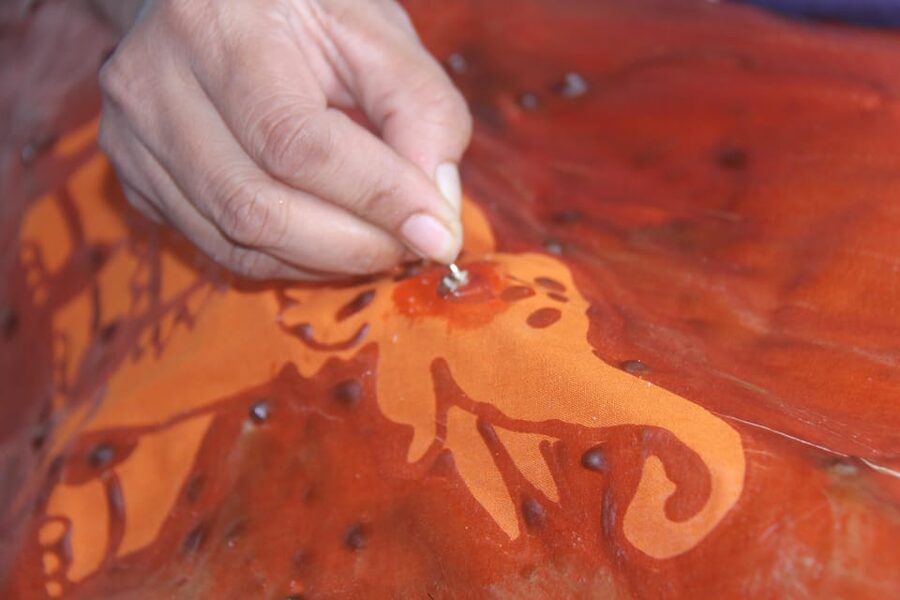
Wear comfortable clothes that you do not mind marking. Wax, paint, or dye may land on your clothing, and bringing a change of clothes is a good idea.
The activity is not suitable for pregnant women or people with back problems. The supplied information does not give a precise seating arrangement or explain how long you will remain in one position, so anyone with physical concerns should consider that before booking.
This is a good choice for:
- Couples wanting a shared activity
- Families with creative teenagers
- Solo visitors who enjoy meeting local hosts
- Beginners who want patient guidance
- Anyone looking for a quieter break from sightseeing
- Visitors who prefer a handmade souvenir to a standard purchase
It may be less suitable if you dislike detailed handwork, need fully accessible arrangements, or have only a short gap in your Kandy schedule.
Booking flexibility and timing
The experience lasts 3.5 hours, with starting times depending on availability. That length gives the craft room to unfold, but it means you should not place the class between two tightly timed sightseeing stops.
You can cancel up to 24 hours in advance for a full refund. A reserve-now, pay-later option is also available, which helps if your Sri Lankan route is still changing.
Because transport is separate, include door-to-door time when planning your day. A morning booking may leave room for sightseeing later, while an afternoon session may work better after a slower start. Check the available start time rather than assuming the class begins in the morning.
Is the Kandy batik workshop worth booking?
I would book this if you want a personal, low-key experience and like the idea of making your own souvenir. The strongest reasons are the full process, the small group, the patient teaching from Anuja and Manugi, and the family setting.
You should skip it if you want a quick activity, guaranteed lunch, or an easy-to-find attraction with transport included. You also need to accept that your first batik piece may have uneven lines or unexpected color. That is part of learning the craft.
For most visitors, $28 is a fair price for the time, instruction, materials, tea, and finished cloth. Confirm the meeting directions, wear old clothes, and keep your schedule loose. If you do that, this workshop offers a memorable way to spend part of your time in Kandy.
FAQ
Where is the batik workshop held?
The studio is at 218/6 Thalapiyannawa Road, Ampitiya, in Kandy’s Central Province, Sri Lanka.
How long does the workshop last?
The activity lasts approximately 3.5 hours.
How much does the workshop cost?
The listed price is $28 per person.
Is transportation included?
No. Transportation to and from the workshop is not included.
What does the price include?
The session includes hands-on batik instruction, all required tools and equipment, cloth, wax, dyes, and herbal tea.
Is lunch included?
No. Lunch is not included. Food may be offered by the family during some visits, but it is not part of the listed inclusions.
What language is the workshop taught in?
The instructor language is English.
How many people can join the workshop?
It is a small-group activity limited to 10 participants.
What should I wear or bring?
Wear comfortable clothes. Bringing a change of clothes is useful because paint or dye may get onto what you are wearing.
Can I cancel the booking?
Yes. You can cancel up to 24 hours in advance for a full refund. A reserve-now, pay-later option is also available.
Just added around Kandy
- Authentic Sri Lankan Cooking Class in Kandy by Local Family★ 4.9 · 15 reviews
- Ambuluwawa Tower & Pinnawala & Kandy Day Tour From Colombo★ 5.0 · 5 reviews
- Ambuluwawa Tower & Pinnawala & Kandy Day Tour From Negombo★ 5.0 · 4 reviews
- Ambuluwawa Tour : From Kandy with Tea Factory Visit★ 5.0 · 16 reviews
- 8-Day Sri Lanka Private Round Tour Hotels, Meals, Car, Guide★ 4.3 · 6 reviews
- 1 Hour Private White Water Rafting in Kitulgala From Kandy with Hotel Pickup★ 5.0 · 15 reviews
- Private Kandy City Tour: Temple of the Tooth & Lake Highlights★ 5.0 · 27 reviews
- Kandy: Sigiriya Fortress & Cave Temple Full Day Private Tour★ 4.1 · 29 reviews
Craft Workshops, compared.
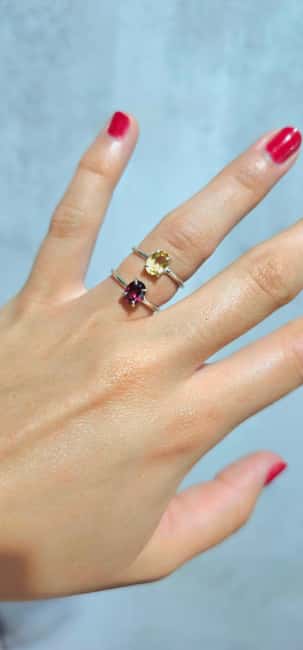
Traditional Gems & Jewellery Workshop with Transfers
Read our review →
Browse the lists this tour appears in