Reviewed · CRAFT WORKSHOPS
Ahangama: Traditional Jewellery Making Workshop
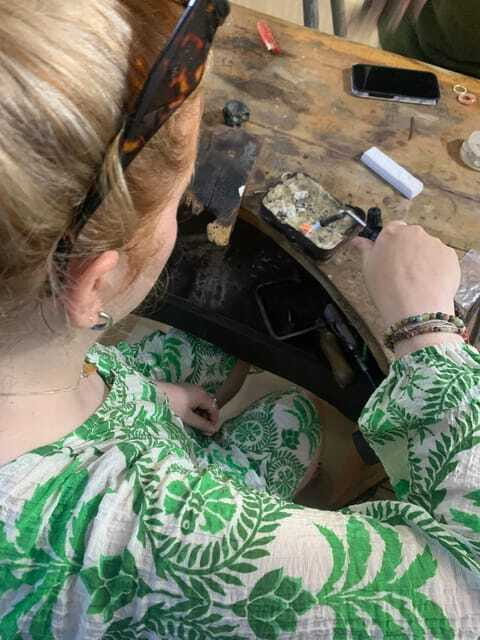
The most appealing part of this Kotapola workshop is that you do not simply watch a jeweller work. Under Tharindu’s patient guidance, you can help shape, flatten, file, and finish your own ring using traditional tools. It is a hands-on look at a skilled craft, held in the artisan’s home rather than a polished tourist showroom.
I like two things here: you take home a real handmade piece, and the workshop explains why jewellery matters in Sri Lankan culture instead of treating it as a quick souvenir stop. The main drawback is getting there. The meeting point is a private home, and the route can be confusing, so you will need WhatsApp directions and should arrange your own transport.
Key points
- Work directly with silver: Shape, flatten, change, and file the metal with guidance from Tharindu.
- A home workshop setting: Meet at the artisan’s house in Kotapola, with directions supplied through WhatsApp.
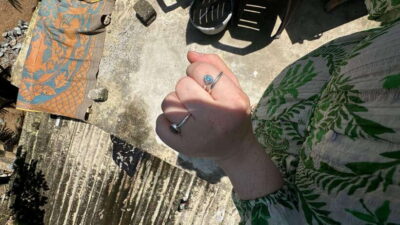
- A useful souvenir: Your handmade jewellery goes home with you, including the complimentary silver ring.
- Gemstones cost extra: Materials and tools are included, but the stone itself is not.
- Private and English-speaking: The session is designed for a private group and does not require previous jewellery-making skill.
- Allow for the route: Arrive 15 minutes early, and do not rely on finding the house without directions.
Making a Ring Instead of Buying One
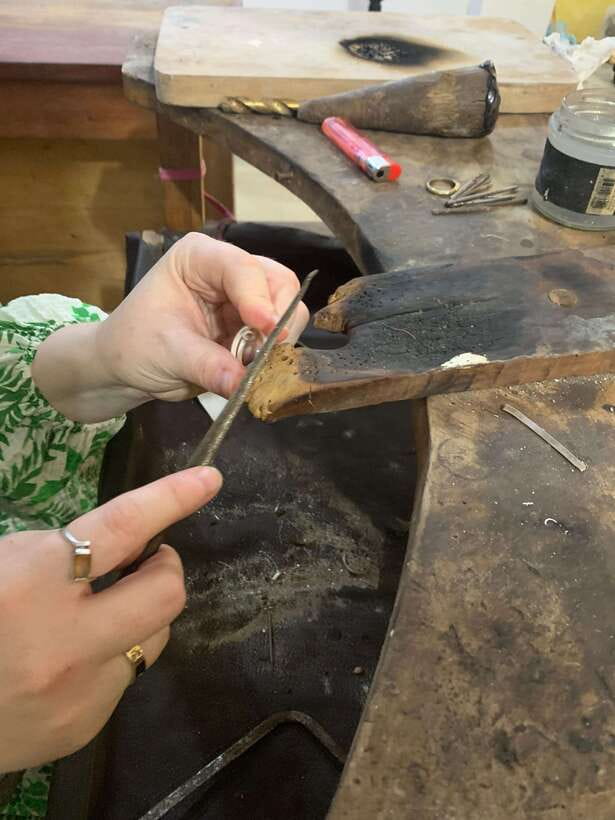
Many craft activities leave you with something bought at the end. This one gives you a part in making it. You work with metal, use the tools, and see the form change under your hands. That difference matters. The finished ring is not just a souvenir from Sri Lanka. It carries a memory of the work involved.
The process can include melting, flattening, bending or changing the shape, and filing the ring smooth. Tharindu demonstrates each stage before you try it. You are not expected to know the difference between tools or understand jewellery-making terms when you arrive. The workshop is built for beginners, with help available as you go.
That does not mean the artisan simply takes over. The strongest part of the experience is the balance between instruction and participation. You do the practical work, while Tharindu keeps an eye on the details that affect the final shape and finish. One visitor described feeling that they had made the piece themselves, with help when needed. That is the right expectation: this is guided making, not a fully independent silversmithing course.
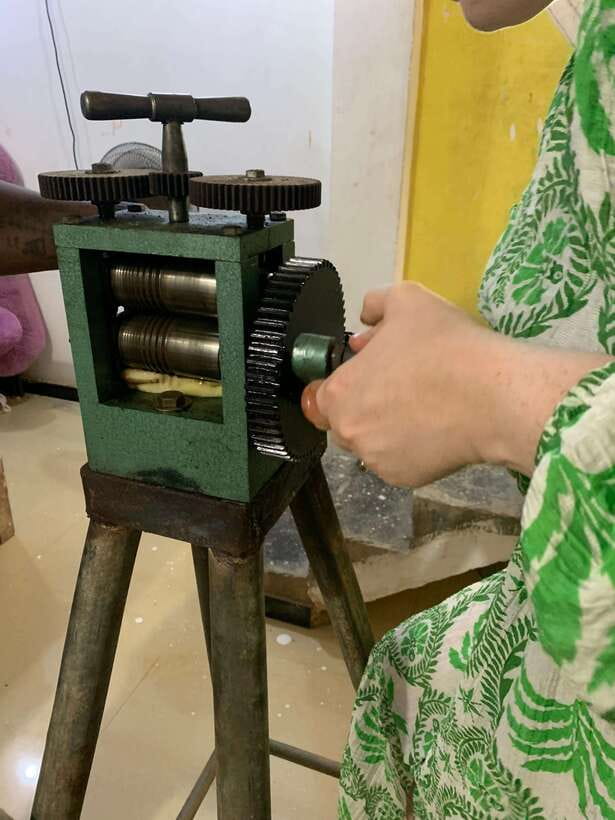
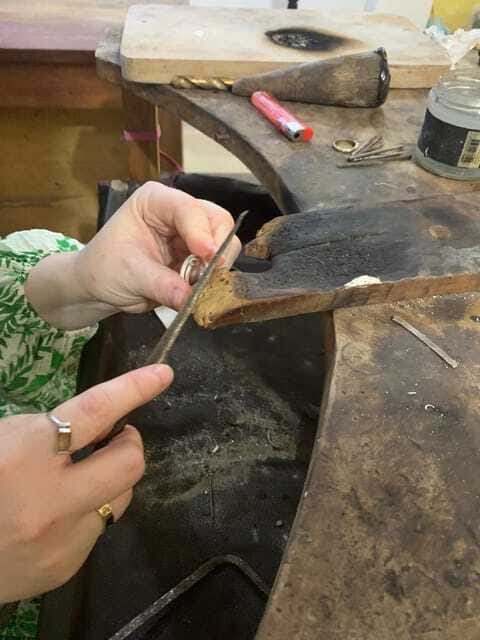
The workshop also gives you a glimpse of the equipment used in jewellery production. One particularly useful detail is the range of tools in the workroom. You can expect to see how each tool serves a different purpose, from changing the metal’s form to smoothing the edges. The steps are explained and briefly demonstrated before you try them.
Other hands-on workshops around Sri Lanka:
- Galle: Traditional Gems & Jewellery Workshop with Transfers
★ 4.9 · 539 reviews - Kandy: Interactive Batik Workshop
★ 5.0 · 51 reviews - Galle : Traditional Jewellery making workshop
★ 4.9 · 34 reviews
Meeting Tharindu at His Kotapola Home
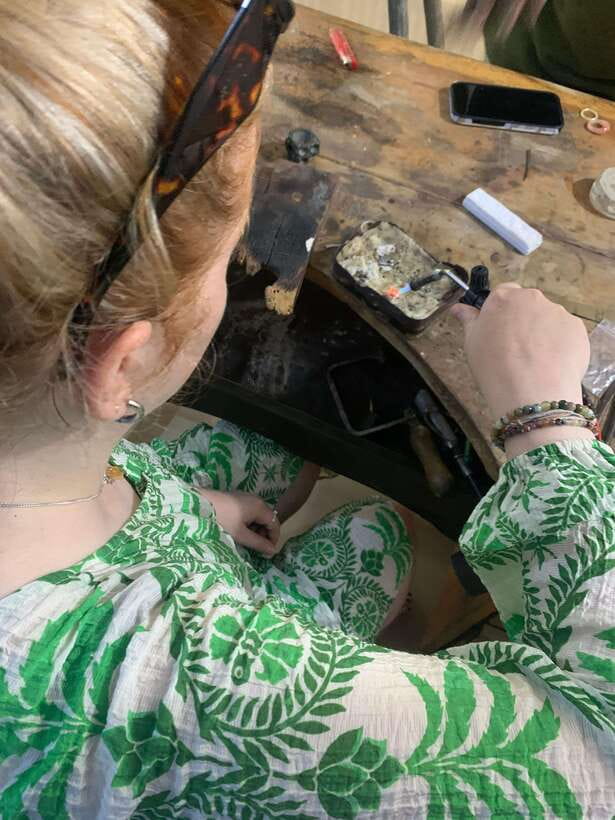
The workshop takes place at the artisan’s home in Kotapola. This creates a more personal setting than a large commercial studio, but it also means you need to pay attention to the arrival instructions. The exact meeting point is not a standard public attraction. After you contact the provider through WhatsApp, directions are given to you and your driver.
Plan to arrive 15 minutes early. That small buffer is useful because the route may take some finding, especially if you are unfamiliar with the area. A practical approach is to keep your phone ready, contact the host before setting out, and make sure your driver understands that the destination is a private home.
The route is the one clear weak spot in an otherwise straightforward experience. Local people can point you in the right direction if needed, but it is better not to depend on luck. Transport to and from the workshop is not included, so you must arrange a tuk-tuk, car, or other ride yourself.
Once you arrive, the welcome is informal. A welcome drink is included, and the private-group format means you are not being moved through a crowded production line. That makes it easier to ask questions, watch a demonstration closely, and work at a comfortable pace.
Learning Why Traditional Jewellery Matters
Before you start filing metal, the workshop places the craft in a Sri Lankan setting. You learn about the history and cultural significance of traditional jewellery, including the role of design and stones in the finished piece. This context helps you see the ring as more than a simple object.
Jewellery making also shows how much skill sits behind a small item. A ring may look simple when displayed in a shop, but shaping the band, keeping the form even, and smoothing the edges all require care. By taking part in those stages, you gain a clearer idea of the artisan’s work.
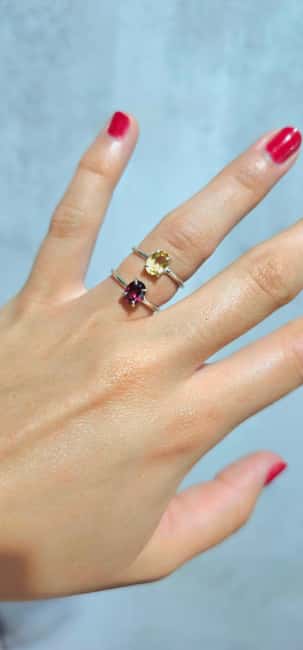
The stone is an important point to understand before booking. Gemstones are not included in the price. You can still take part in making the ring, but if you want a stone set into it, that will be an additional cost. The artisan can set the stone, and one completed ring was delivered to a hotel the next day after the stone was fitted. If your design includes a gemstone, ask about the price, choice, setting time, and delivery arrangements before you begin.
This is also where expectations matter. You are making a meaningful souvenir, but you are not completing a professional jewellery apprenticeship in one day. The value comes from learning the main stages and taking part in the craft, not from producing a flawless piece without help.
The Hands-On Stages of the Workshop
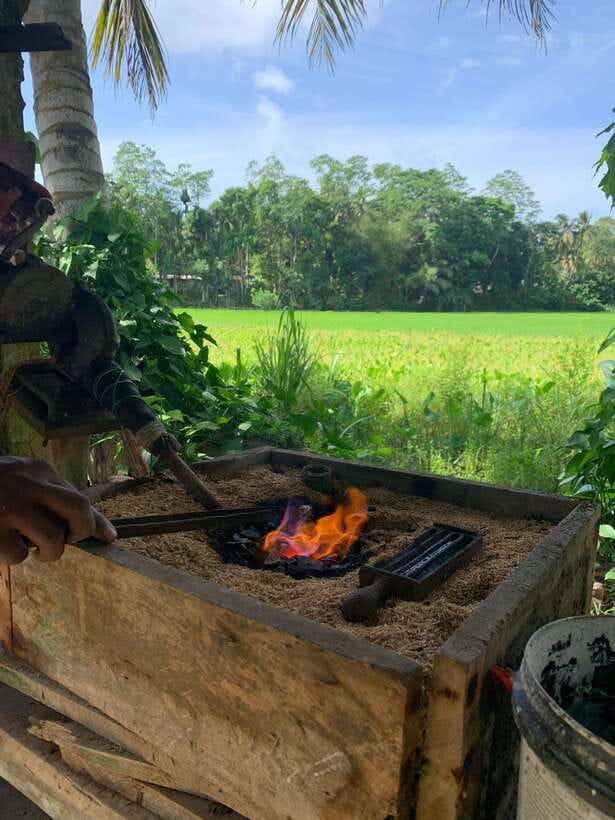
The exact design depends on what you choose and what the artisan recommends, but the working stages described for this experience give you a good idea of the day.
First, you discuss the piece and the design. This is the point to ask what is included, what kind of silver ring you will make, and whether you want to add a gemstone. Since gemstones are separate, settle that question early rather than waiting until the end.
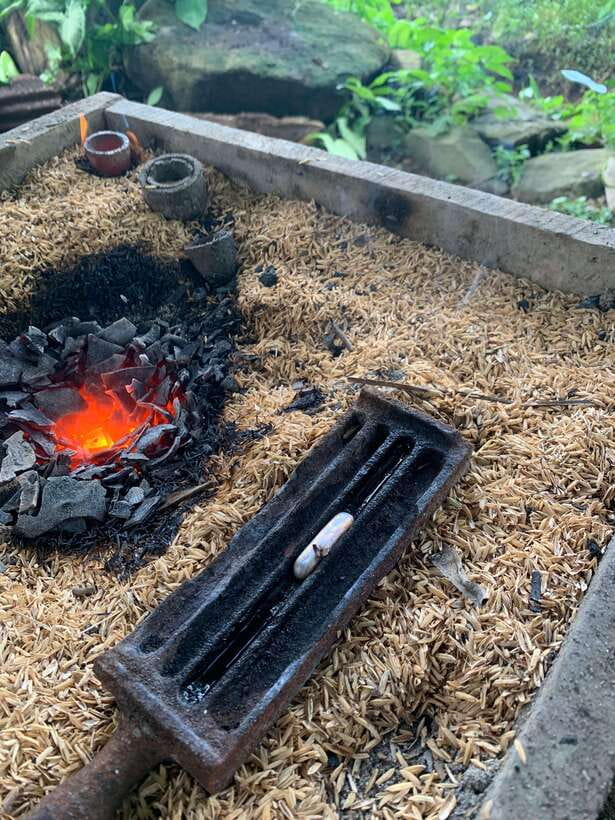
Next comes the metal work. You may help melt and prepare the silver, then flatten it and change its shape. These steps make the activity more than decorative crafting. You are working with the basic material and seeing how heat, pressure, and tools affect it.
After the ring takes shape, filing becomes important. This is slower, more precise work. You smooth the edges and refine the form, with Tharindu showing you how to handle the tools. Filing is not the flashiest part of the day, but it is one of the best ways to understand how a rough piece becomes wearable.
Throughout the process, ask questions. The workshop is conducted in English, and the activity is suitable for beginners. If you have a particular design in mind, explain it before the metal work begins. The more clearly you communicate, the easier it is for the artisan to guide you toward a practical result.
At the end, you take home your handmade jewellery. The advertised experience includes a complimentary silver ring, while the wider inclusion list also states that your own handmade jewellery is yours to keep. Because gemstones are excluded, confirm exactly what the included silver piece covers when you book.
Same base, a completely different day:
- Colombo: Private Tuk-Tuk City Tour with All Entry Fees
★ 4.9 · 2,154 reviews - Kandy Private Guided City Tour by Tuk Tuk
★ 4.9 · 1,307 reviews - Whales and Dolphins Watching-Luxury Super Grade Cruiser(Hotel Pick up offered)
★ 5.0 · 1,268 reviews - From Colombo: Sigiriya and Dambulla Day Trip with Safari
★ 4.7 · 842 reviews
What the $71 Price Really Covers
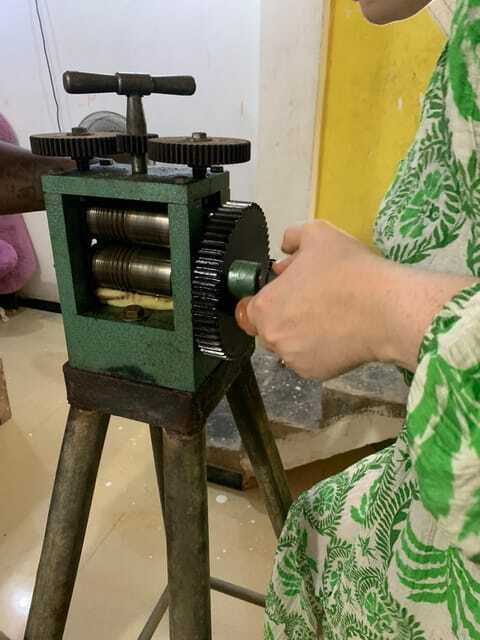
At $71 per person, this is not the cheapest way to buy a ring in Sri Lanka. That is not the best comparison, though. A shop sells you a finished item. This workshop includes instruction, access to tools, materials, a welcome drink, and the chance to do the work yourself.
The price makes better sense if you value the process as much as the object. You are paying for time with a local artisan, a private-group setting, and a guided introduction to a traditional skill. You also leave with something personal rather than a mass-produced souvenir.
The value becomes less clear if your only aim is to buy inexpensive jewellery. Gemstones cost extra, transport is separate, and the final design may require additional time if a stone is added. I would budget for those possible costs before booking, especially if you already know you want a particular stone.
For someone interested in making things, the price is easier to justify. You are not just sitting through a demonstration. You handle the tools and take part in several stages of the work. That practical involvement is the main reason to choose this over a regular jewellery shop.
Who Will Enjoy This Best
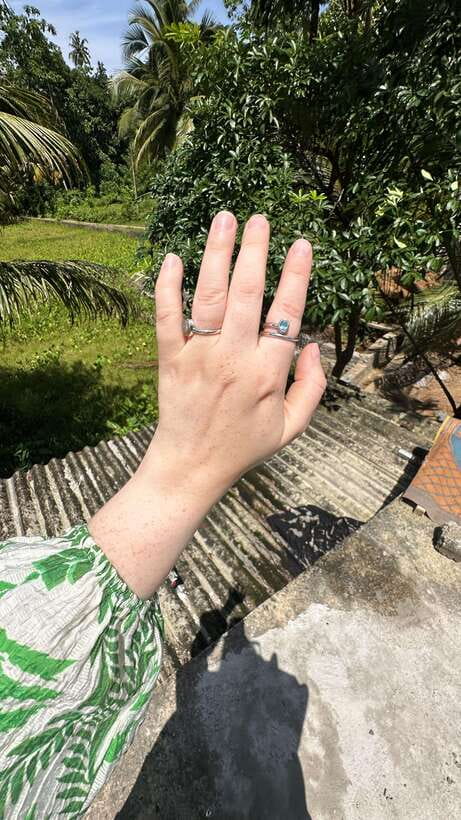
This workshop suits adults and older teenagers who like craft, design, and local traditions. No previous jewellery-making experience is required, so you can book even if you have never used a jeweller’s file or shaped metal before.
It is also a good choice if you want a quieter cultural activity between beach days and sightseeing. You do not need to be an expert or a serious craft hobbyist. Curiosity and patience are more useful than technical skill.
Children under 12 are not permitted. The activity is also not suitable for people with back problems. The information lists wheelchair accessibility but separately says the workshop is not suitable for wheelchair users, so anyone with mobility needs should confirm the current arrangements directly before booking.
Because the work involves tools and careful hand movements, you should be comfortable concentrating for a full workshop day. The experience is not described as a short drop-in session, and the duration is listed as one day. If your schedule is tight, allow enough time for the activity and for any stone-setting or hotel delivery arrangement.
Practical Details Before You Book
The workshop is private, which is useful if you want to ask questions freely or make decisions about your design without a large group waiting. The instructor speaks English, and the provider is Ceylon Eco Love Tours.
Smoking is not allowed. You should arrive 15 minutes early, and you should contact the host through WhatsApp before setting off so directions can be shared with you and your driver.
Transportation and meals are not included. The supplied information includes a welcome drink, but you should not expect lunch as part of the activity. Plan your transport in both directions rather than assuming a driver will be waiting at the house.
The experience allows cancellation up to 24 hours before the start time for a full refund. You can also reserve and pay later, which is useful if your Sri Lanka plans are still shifting. Availability and starting times need to be checked for your chosen date.
The activity has a listed rating of 4.9 from 23 ratings, with especially strong praise for the patient demonstrations, the chance to do each stage yourself, and Tharindu’s friendly manner. The practical criticism is the route to the workshop, not the jewellery-making itself. That is a fair trade if you prepare properly.
Should You Book This Jewellery Workshop?
Book it if you want to make a souvenir rather than simply purchase one. The best reasons are the hands-on silver work, the private time with Tharindu, and the chance to understand how a ring changes from raw material into a finished piece.
Skip it if you want a quick activity, dislike working with tools, or only want the lowest possible price for a ring. You should also reconsider if arranging transport to a private home sounds stressful.
My advice is to contact the host before booking with three questions: where exactly will the driver meet you, what silver ring is included, and what will a gemstone cost if you want one. With those details clear, this is a thoughtful, personal way to spend a day in Kotapola and take home a souvenir you helped create.
FAQ
Where is the traditional jewellery workshop held?
The workshop is held at the artisan’s home in Kotapola, Sri Lanka. After you contact the provider through WhatsApp, directions are given to you and your driver.
How much does the workshop cost?
The listed price is $71 per person.
What is included in the price?
The price includes a welcome drink, the materials and tools needed for jewellery making, guidance from a local artisan, and handmade jewellery to take home, including a complimentary silver ring.
Are gemstones included?
No. Gemstones are not included in the activity price. If you want a stone added to your jewellery, you should expect an additional cost.
Do I need previous jewellery-making experience?
No. The workshop is suitable for beginners, and no prior jewellery-making experience is required.
Is transport included?
No. Transportation to and from the artisan’s home is not included. Contact the provider through WhatsApp for directions to share with your driver.
Just added around Sri Lanka
- Bentota: Yala National Park Safari Jeep Tour in a 4×4★ 4.6 · 7 reviews
- Bundala National Park Safari (PRIVATE TOURS)★ 4.8 · 26 reviews
- Bentota/Kalutara/Hikkaduwa/Galle/Mirissa: Day Trip to Ella★ 4.7 · 14 reviews
- Budget Yala Safari with Accomadation & Meals Included★ 4.8 · 16 reviews
- Bentota River Safari -Ahungalla/Bentota/Aluthgama/Kosgoda★ 4.0 · 3 reviews
- Bentota River Safari: Discover Wildlife & Mangroves by Boat★ 4.9 · 41 reviews
- Bentota: River Safari with Hotel Pickup and Drop-Off★ 4.8 · 22 reviews
- Authentic Sri Lankan Cooking Class in Kandy by Local Family★ 4.9 · 15 reviews
Craft Workshops, compared.
Traditional Gems & Jewellery Workshop with Transfers
Read our review →