
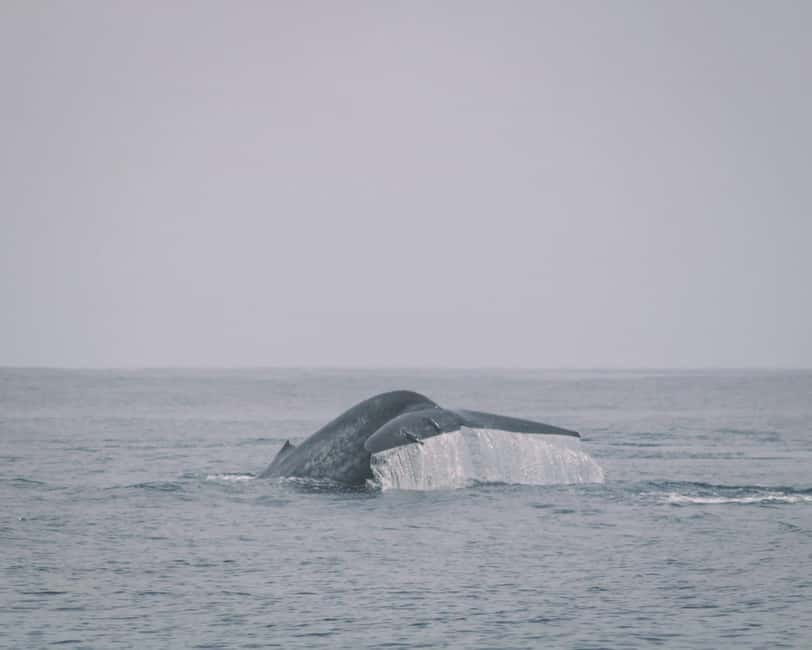
Reviewed · WHALE & DOLPHIN WATCHING
Trincomalee: Dolphin & Whale Watching Boat Tour
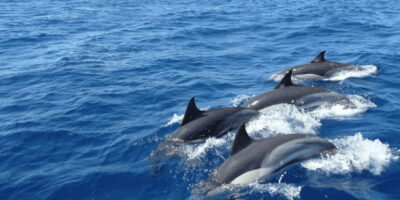
The best part of this Trincomalee outing is the chance to see spinner dolphins racing and leaping across the Indian Ocean at sunrise. I like the early start, which gives you cooler air and the best stated chance of sightings, and I like that the boat includes a life jacket and water without turning a short wildlife trip into a costly package. The main drawback is wildlife management: several boats may gather around the dolphins, and some captains have been seen moving too close or chasing the pod.
You leave from Nilaveli Beach around 5:30 to 5:45 AM, so this is not a sleep-in activity. The boat ride lasts about two to two and a half hours, depending on sea conditions and animal activity. Dolphin sightings are common in the right season, but whales are never guaranteed, and some recent trips saw plenty of dolphins without a single whale.
Key points to know before booking
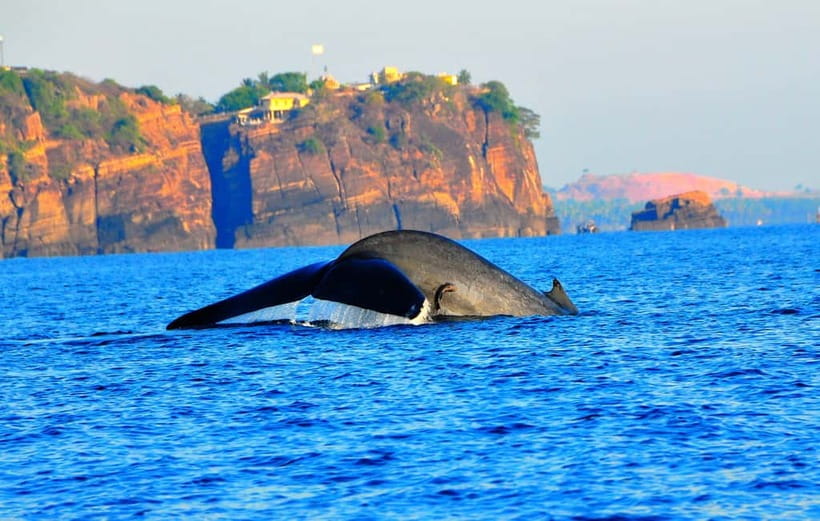
- Early departure: Arrive 15 minutes before the 5:30 to 5:45 AM start at the Nilaveli Beach meeting point.
- Dolphins are the stronger bet: Spinner dolphins are the main attraction, while blue whales and sperm whales are possible rather than promised.
- Season matters: March through August offers the best stated chance of sightings, though August trips have still gone without whales.
- Shared-boat experience: You get a seat, life jacket, and 500ml bottle of water, but hotel transfers cost extra.
- Wildlife conduct varies: Some captains keep a respectful distance, while crowded dolphin spots can involve more than 20 boats.
- Good for active families: Children over 5 can join with an adult, but the boat is not recommended for pregnant people or anyone with serious back, heart, or mobility problems.
Sunrise from Nilaveli Beach
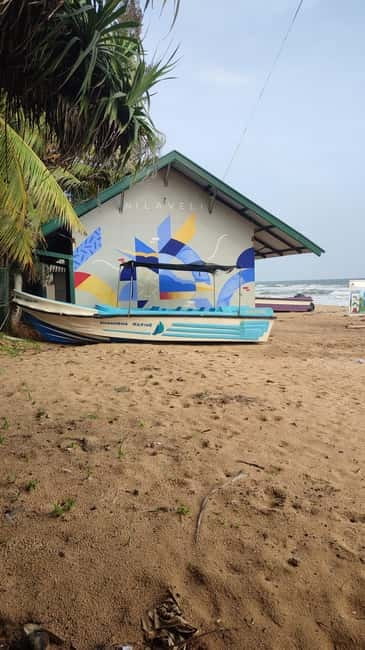
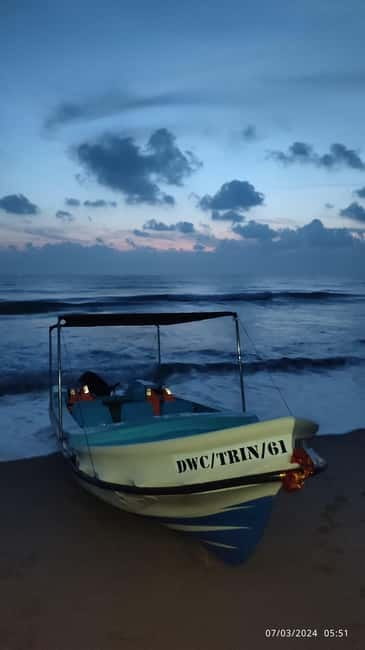
Your morning starts at Nilaveli Beach, near the meeting point listed as M5RQ+XP. The exact departure details are provided after booking, but you should plan to reach the beach 15 minutes early. At this hour, the coast is quieter and the heat is easier to handle than later in the day.
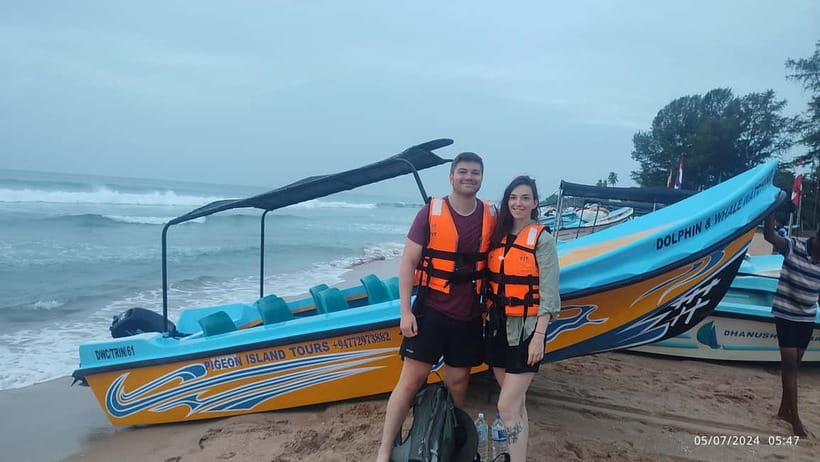
The departure window is about 5:30 to 5:45 AM. That early start is practical, not decorative. Marine animals are active in the morning, the sunlight is softer for photographs, and the sea can be calmer than it becomes later. Bring a light jacket because the ride can feel cool and windy even in Sri Lanka’s warm climate.
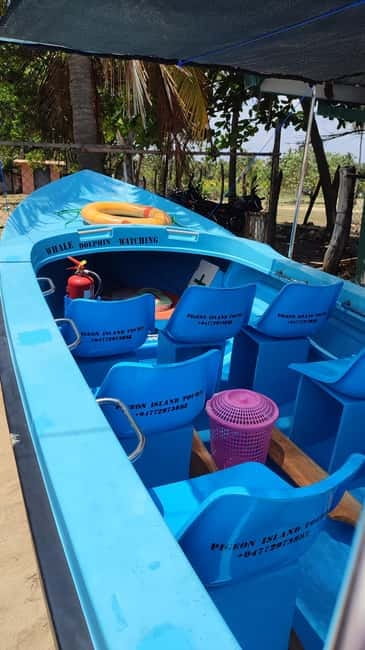
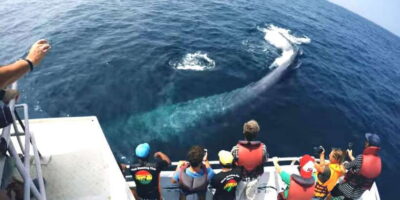
After a short safety briefing, you board a modern boat with a seat and life jacket. The boat type and group size can vary, so do not expect the privacy of a private charter. This is a shared trip, which keeps the $40 price reasonable but can also mean less room and more competition for the best viewing angle.
Other boats out to the whales from Sri Lanka:
- Whales and Dolphins Watching-Luxury Super Grade Cruiser(Hotel Pick up offered)
★ 5.0 · 1,268 reviews - Whale Watching Mirissa with ( WWC )
★ 5.0 · 252 reviews - Whale Watching Mirissa with Eagle Eye
★ 4.5 · 128 reviews
The ride toward open water
The first stretch takes you away from the beach and into the open Indian Ocean. Some boat journeys have taken around 45 minutes to reach the dolphin area, so the advertised two-hour experience is not two hours of nonstop animal watching. Part of your time is spent getting to the right water and returning to shore.
That transit is still part of the experience. You get broad ocean views, sea air, and a chance to scan the surface for flying fish, turtles, or distant whale blows. Keep your camera ready, but do not expect every sighting to happen close to the boat or at a convenient angle.
The sea can change quickly. A calm morning makes the ride pleasant, while choppy water can make the same trip tiring. If you are prone to motion sickness, take suitable medication before departure and eat lightly. The tour is not suitable for people with serious back or heart problems, and it is not recommended during pregnancy.
Dolphins are usually the main event
Spinner dolphins are the most reliable target on this outing. They can appear in pods, moving quickly beside or ahead of the boat. Their leaps and spinning jumps are the kind of action that makes a short trip feel worthwhile, especially when several animals surface together.
Your captain and guide will look for the pod and share basic information about the animals and ocean ecosystem. You may see dolphins racing through the wake, though the boat should not be treated as a chase vehicle. The best captains slow down, hold a suitable position, and let the animals choose their direction.
This is where the experience can vary sharply. One recent outing had a guide who appeared to miss dolphins because the boat was moving too quickly. On another, the captain seemed more careful and avoided chasing, even while many other boats pressed around the same pod. If responsible wildlife viewing matters to you, watch how your boat approaches and ask the crew to keep a respectful distance.
Crowding is the uncomfortable part. At one reported dolphin sighting, more than 20 boats were gathered, and another count reached over 30. You may still get excellent views, but the scene can feel less peaceful than the phrase pristine waters suggests. It is worth choosing a captain who watches the animals rather than simply following the nearest boat.
Searching for blue and sperm whales
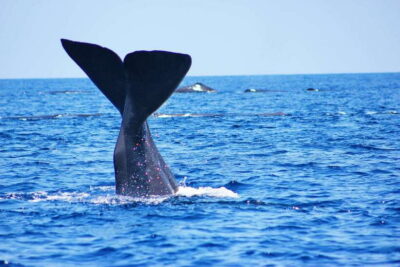
The tour also looks for blue whales and sperm whales in deeper water. These are the great prize, but you should book with realistic expectations. The operator says sightings cannot be guaranteed, and several trips during August and September found dolphins but no whales.
That does not make the whale search pointless. Blue whales are among the largest animals on Earth, and even a distant blow or brief back can be memorable. Sperm whales may surface for a short time and disappear before the boat reaches them. Wildlife does not perform on schedule, so a quiet search is part of the bargain.
Still, I would not pay $40 solely for a guaranteed whale encounter. Think of the price as covering a shared morning boat ride with a strong chance of dolphins and a possibility of larger whales. If whales are your only goal, check current local conditions and the best time of year before booking.
The stated high season is March through August. That gives you the best chance, not certainty. An August trip can produce many dolphins and no whales, while changing sea conditions and animal movements may affect any particular morning. The guide may also choose to focus on dolphins if that is where the activity is strongest.
Other river and lagoon boats out of Sri Lanka:
- Bentota River Safari with Mangrove and Wildlife Encounter
★ 4.9 · 182 reviews - 2h Bentota River Safari: Crocodiles, Monkeys, Mangrove & more
★ 5.0 · 128 reviews - Bentota River Safari By BTM (Mangrove & Wildlife Encounter)
★ 5.0 · 108 reviews - Half-Day Lagoon and Village Cycling Tour in Galle
★ 5.0 · 90 reviews
Other wildlife and open-ocean views
Dolphins and whales get the headline, but the water may offer smaller surprises. Flying fish, sea turtles, and pilot whales are listed as possible sightings. None is assured, so use these as welcome extras rather than reasons to book.
Bring binoculars if you have them, especially for distant blows or birds and animals on the surface. A phone or camera is useful, but keep it secure. The boat moves, the spray can rise, and the best moment may last only a few seconds.
The open-water setting is valuable even when the animal count is modest. You can feel the sea change beneath the boat, watch the coast recede, and spend a morning focused on the water rather than on a busy sightseeing schedule. Just remember that photos taken from a moving boat are hit and miss. Enjoy the sight first, then reach for the camera.
Boat comfort, safety, and practical limits
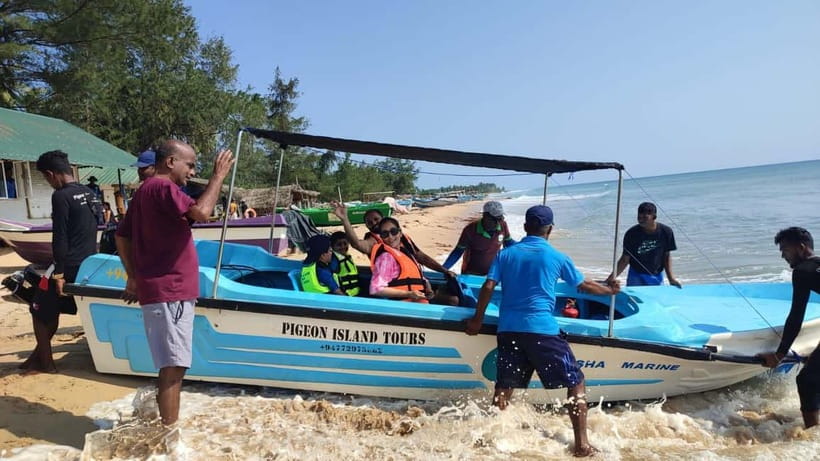
The basic package is simple: a boat seat, life jacket, and 500ml bottle of drinking water. Life jackets are provided and must be worn. You should also bring your own extra drinks, sunscreen, hat, sunglasses, and light jacket.
Smoking is not allowed, and swimming is not part of the activity. This is a wildlife boat ride, not a beach excursion with a swim stop. The boat returns to the same Nilaveli Beach area after roughly two to two and a half hours, depending on the sea and animal activity.
Children over 5 can join when accompanied by an adult. The activity is not suitable for children under 4, pregnant people, those with serious back or heart conditions, people with major mobility concerns, or anyone over 70 according to the stated restrictions. These limits make sense for an early open-water ride where boarding, balance, and motion can be demanding.
Hotel pickup and drop-off are not included. Transfers can be arranged for an extra charge, based on distance. If you are staying away from Nilaveli, settle this before the morning of the trip. A 5:30 AM departure leaves little room for confusion or a last-minute search for transport.
What $40 gets you
At $40 per person, the tour is fairly priced if you want a short shared boat trip and are happy with dolphins as the likely reward. You receive the boat seat, life jacket, and water, while a local captain takes you to the marine viewing area. That is a reasonable package for a two-hour outing, provided your expectations match the uncertain nature of wildlife watching.
The value falls if you expect a private boat, guaranteed whales, hotel transport, or a quiet encounter away from other vessels. Those extras are either not included or not assured. You may also spend a large part of the trip in transit, particularly if the pod is far from shore.
The strongest reports describe friendly organization, a fast and comfortable boat, and plenty of dolphins. One especially well-received outing included helpful transport arranged separately and a breakfast bag after returning to the beach, with water and juice as well. Do not assume those extras are part of the standard package, but it is worth asking what your particular operator provides.
The overall rating of 4.2 from 37 bookings suggests a generally enjoyable trip with real weaknesses. The recurring positive is clear: dolphins. The recurring concern is also clear: boat crowding and inconsistent respect for the animals. That balance is more useful than any promise of a perfect morning.
How to make the morning better
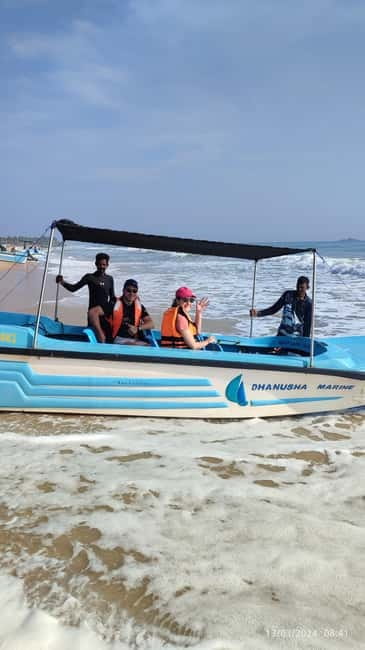
Pack light, but pack the right things. Sunglasses cut glare, sunscreen protects you from reflected sunlight, and a hat helps once the sun rises. A light jacket is useful for the first part of the ride, and motion sickness medication can make the difference between enjoying the sea and staring at the floor.
Arrive early and confirm the exact meeting point. The beach is the departure area, but the precise instructions come after booking. If you need a hotel transfer, ask about the extra cost in advance and allow enough time for a very early pickup.
Use a camera strap or a secure case. You may want video of spinning dolphins, but a phone lost overboard is a poor souvenir. Binoculars can help when animals surface far away, while a camera with a fast shutter is more useful than a long setup for quick action.
Most important, judge the boat’s approach. If the captain slows and gives dolphins room to move, that is a good sign. If several boats crowd a pod or repeatedly cut across its path, you may decide that the spectacle is not worth the environmental cost. You can raise the concern politely and ask for a more respectful position.
Who should book this boat tour?
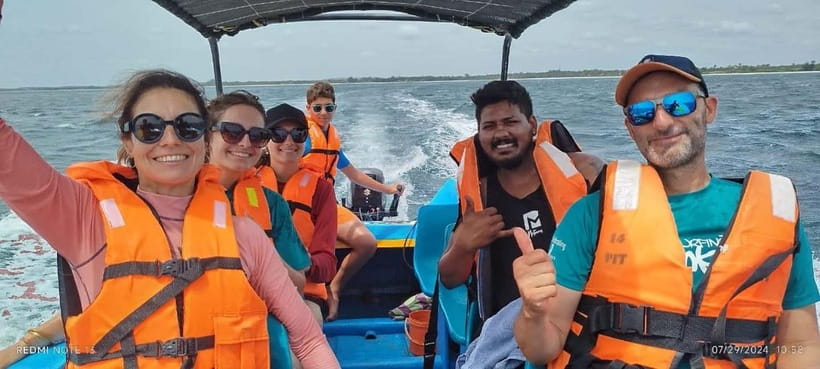
I would recommend it to nature lovers, photographers, families with older children, and anyone staying near Nilaveli who wants an early morning on the sea. It works especially well when you value the possibility of wildlife more than a fixed sightseeing result.
It is less suitable if you dislike boats, become sick easily, need step-free access, or want a relaxed late-morning activity. It is also a poor match if you will be disappointed without a whale. The better mindset is simple: dolphins are the likely success, whales are a bonus.
The ethical question deserves equal weight. Trincomalee’s marine life should not be treated as a stage for boat drivers. Since the quality of the encounter depends heavily on captain behavior and crowd conditions, ask about wildlife distances before boarding and favor calm, observant handling over speed.
Should you book it?
Book this tour if you can accept an early start, a shared boat, and uncertain sightings. At $40, it offers a good chance to see spinner dolphins, attractive ocean views, and possible encounters with turtles, flying fish, pilot whales, blue whales, or sperm whales.
I would book during March through August, but I would still treat whales as a lucky extra. If the boat approaches dolphins too aggressively or joins a large crowd, the experience may feel less responsible than advertised. Ask about the boat, transfer arrangements, and wildlife approach before paying.
For a first marine outing from Trincomalee, this is a worthwhile option with one clear condition: go for the sea and dolphins, not a promised whale photograph.
FAQ
Where does the dolphin and whale tour depart from?
The tour departs from Nilaveli Beach. The listed meeting location is M5RQ+XP, and exact meeting details are provided after booking.
What time does the boat leave?
Departure is early in the morning, usually between 5:30 AM and 5:45 AM. You should arrive 15 minutes before departure.
How long does the tour last?
The activity is described as lasting about two to two and a half hours. The return time can change with sea conditions and marine life activity.
What animals might I see?
You may see spinner dolphins, blue whales, sperm whales, pilot whales, sea turtles, or flying fish. Sightings are not guaranteed.
Are whales guaranteed?
No. The tour states that whale and dolphin sightings cannot be guaranteed. Dolphins are generally the stronger possibility, while whales depend on the season and conditions.
When is the best season for sightings?
The stated best season is March through August. Even during this period, a particular trip may see dolphins without any whales.
What is included in the price?
The package includes a boat seat, a life jacket, and one 500ml bottle of bottled water.
Is hotel pickup included?
No. Hotel pickup and drop-off are not included, but a transfer may be arranged for an additional charge based on distance.
Can children join the tour?
Children over 5 years old can join when accompanied by an adult. Children under 4 are not permitted according to the stated restrictions.
What should I bring?
Bring sunglasses, sunscreen, a hat, comfortable clothing, a light jacket, drinks, water, and a camera or binoculars. Seasickness medication is useful if you are prone to motion sickness.
Just added around Sri Lanka
- Bentota: Yala National Park Safari Jeep Tour in a 4×4★ 4.6 · 7 reviews
- Budget Yala Safari with Accomadation & Meals Included★ 4.8 · 16 reviews
- Bundala National Park Safari (PRIVATE TOURS)★ 4.8 · 26 reviews
- Bentota/Kalutara/Hikkaduwa/Galle/Mirissa: Day Trip to Ella★ 4.7 · 14 reviews
- Bentota River Safari -Ahungalla/Bentota/Aluthgama/Kosgoda★ 4.0 · 3 reviews
- Bentota River Safari: Discover Wildlife & Mangroves by Boat★ 4.9 · 41 reviews
- Bentota: River Safari with Hotel Pickup and Drop-Off★ 4.8 · 22 reviews
- Authentic Sri Lankan Cooking Class in Kandy by Local Family★ 4.9 · 15 reviews
Whale & Dolphin Watching, compared.
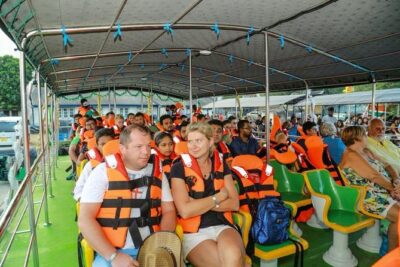
Whales and Dolphins Watching-Luxury Super Grade Cruiser(Hotel Pick up offered)
Read our review →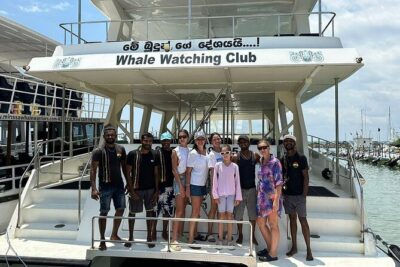
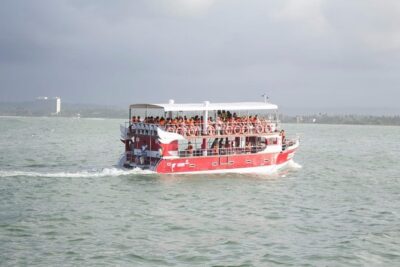
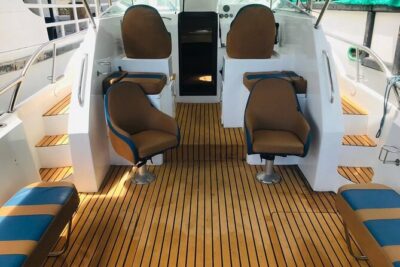
Sports Boat- Private Whale Watching Trip( free breakfast & paid pick-up)
Read our review →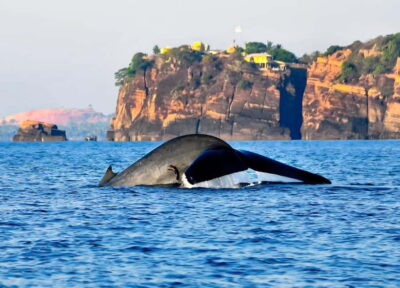
Browse the lists this tour appears in