
Reviewed · GALLE FORT TOURS
Galle Fort Walking tour
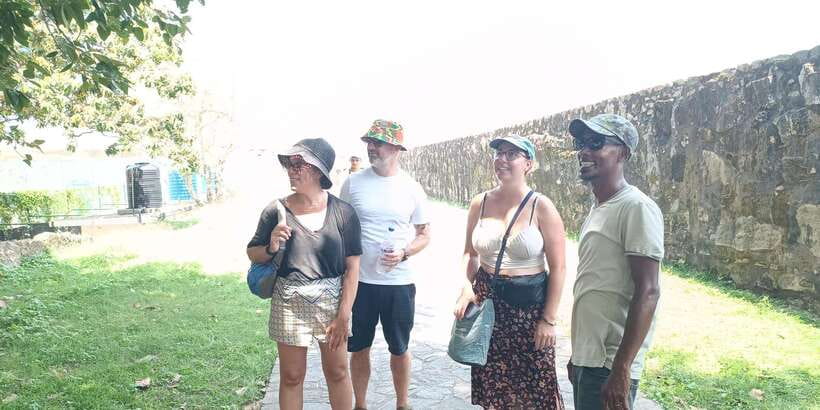
Galle Fort is best understood from its walls, where sea views, military bastions, colonial buildings, and present-day Sri Lankan life come together. This 90-minute walk with Madawa Galagedara begins at the Clock Tower and follows the fort’s ramparts and lanes to Pedlar’s Corner Cafe.
I like the way the tour connects old buildings with modern Sri Lanka, and I like that Madawa welcomes questions about politics, culture, religion, and daily life, not just dates and battles. The main drawback is the heat: much of the route is exposed, and a larger group may make the walk feel less personal.
Key points to know before booking
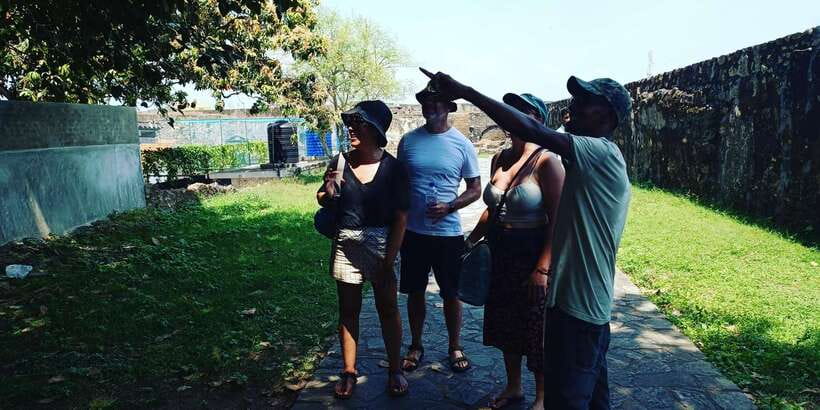
- A fort walk with a wider view: Learn about Galle, Sri Lanka, colonial rule, local customs, and current society in one compact tour.
- A clear route through major sights: Visit the Moon, Star, and Sun Bastions, ramparts, Dutch Reformed Church, Old Dutch Hospital, lighthouse, and Flag Rock.
- Madawa is the central strength: His English, humor, patience, and willingness to answer questions are praised repeatedly.
- Best timed for cooler air: Early morning or around 4:30 p.m. helps with the heat, and the late tour can finish near sunset.
- Good value at $15: You get a professional guide and entrance fees, with no separate attraction charges listed.
- Bring your own basics: Wear a hat, use sunscreen, and carry water. Refreshments are not included.
Why Galle Fort makes a good walking tour
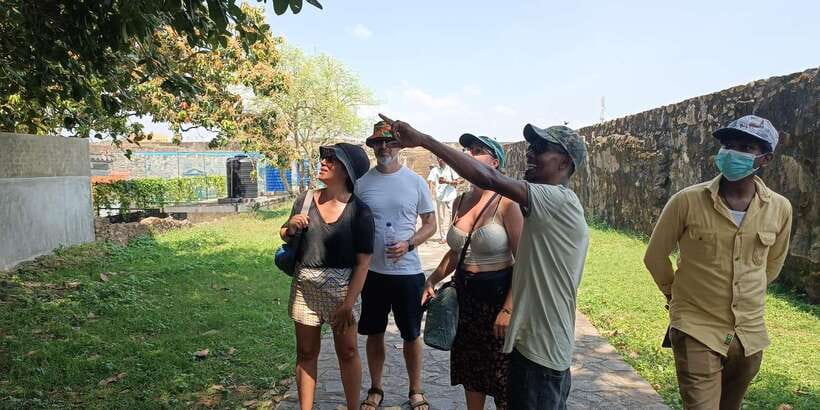
Galle Fort can look simple on a map: a walled historic district with a lighthouse, churches, shops, cafes, and sea-facing ramparts. On foot, its layers become easier to read.
You can see how the fort was built for defense, how the Dutch shaped its streets and buildings, and how the area continues as a lived-in part of Galle rather than a silent museum. That is the real value of a guide here. Without one, you can admire the walls and take photographs. With one, you have a better chance of understanding why the fort was built as it was and how it fits into Sri Lanka’s wider story.
The route also avoids a common problem with short city walks: rushing from one landmark to the next. Madawa’s style, as described by the tour details and guest feedback, is relaxed and conversational. He explains the site, then leaves room for questions. That suits you if you prefer context and discussion over a memorized speech.
Other walks inside the old fort from Galle:
- Galle Fort Walking Tour with a Resident
★ 5.0 · 88 reviews - Galle Fort cooking class
★ 5.0 · 60 reviews - Galle Fort and City Cycling Tour – Choice of E-Bike or Manual
★ 5.0 · 28 reviews
Starting beneath the Galle Fort Clock Tower
The meeting point is under the Galle Fort Clock Tower. When you enter through the new entrance, the tower is on your right, making it a practical place to find the guide.
The clock tower gives you an immediate sense of scale. From here, you are already inside the fortified area, with the walls and bastions close by. The opening section includes a short guided walk and sets up the basic story of Galle Fort before the longer circuit begins.
You should arrive ready to walk rather than expecting a seated introduction. The full experience lasts about 1.5 hours, and the route includes open ramparts, streets, and historic areas. Comfortable footwear will make the outing easier, even though the supplied information specifically emphasizes a hat, sunscreen, and water.
Moon, Star, and Sun Bastions
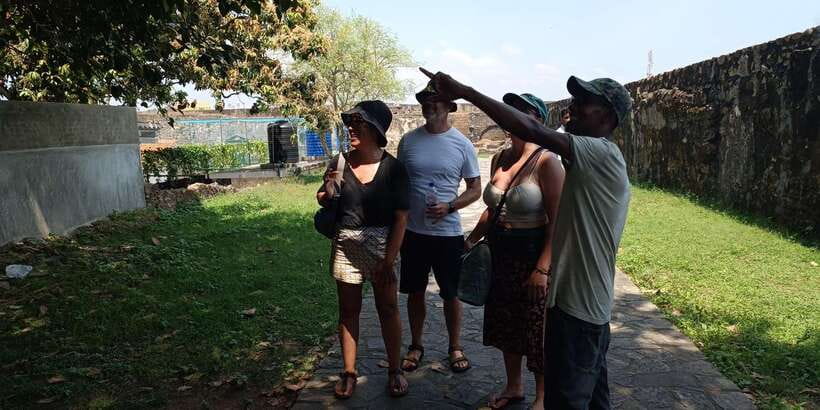
The tour begins at the higher ground of Moon Bastion. This is a useful first stop because elevation helps you understand the fort’s defensive layout. Instead of seeing the walls as one long barrier, you start to notice how bastions project outward and allow different sections of the perimeter to be watched and protected.
From Moon Bastion, the route includes Star Bastion and Sun Bastion. These names are easy to remember, but the explanation is what gives them value. You can ask questions about their military purpose, the fort’s changing role, and the people who built and used these defenses.
This early section is also one of the more exposed parts of the walk. The fort is in a warm coastal setting, and there is little reason to expect shade along every stretch of the ramparts. If you are sensitive to heat, an early morning start or a late afternoon departure makes more sense than the middle of the day.
Walking the ramparts above the sea
The ramparts are the main physical experience of this tour. You walk along the perimeter rather than simply viewing the fort from inside, which gives you a better sense of its position and defensive strength.
The route offers open views and plenty of room for the guide to point out landmarks. It is also where you get the strongest feeling for the fort as a working piece of architecture, not only a collection of old buildings. You can pause for photographs, but the point of the walk is to keep moving and listen.
The pace is described as gentle and relaxed. That makes the tour suitable for many age groups, but it is still a walking experience in tropical heat. The activity notes say it is not suitable for people over 95 years old, and anyone with limited mobility should consider the open-air route and walking time before booking.
Other guided walks around Galle:
- Colombo Walking Tour with Ajeet De Soyza
★ 5.0 · 43 reviews - Sigiriya: Rock Fortress Private Guided Walking Tour
★ 4.8 · 34 reviews
Aman Galla, the Dutch Reformed Church, and the cinnamon store
As you move from the walls into the streets, the tour points out Aman Galla, the Dutch Reformed Church, and a Dutch cinnamon storage building. Together, these stops show different sides of the fort.
Aman Galla represents the way historic buildings have been adapted for modern hospitality. The Dutch Reformed Church offers a more direct connection to the colonial period and the religious life of the settlement. The cinnamon storage building points toward trade, one of the forces that made Galle important in the first place.
I like this combination because it keeps the tour from becoming a list of military sites. You see defense, religion, commerce, and present-day use within a fairly small area. Madawa’s broader knowledge of Sri Lankan history is especially useful here, since the buildings make more sense when you understand the country’s shifting connections with European powers and regional trade.
The route does not promise interior access to every landmark. The experience is primarily an outdoor walking tour, so you should book it for interpretation and access to the streets and ramparts rather than for extended indoor visits.
Court Square and the Old Dutch Hospital
Court Square adds another civic layer to the walk. It helps you picture how the fort worked as a settlement, not only as a military enclosure. A court area tells you something about administration, law, and the daily business of colonial rule.
The walk then continues to the Old Dutch Hospital, where the guide explains its past and its place in the fort. This is one of the stops where a short explanation can change what you notice. The building is not simply an attractive old structure. Its former purpose shows the services required to support a fortified port community.
This part of the route is also a good time to ask questions. The activity is led in English, and Madawa is repeatedly praised for answering questions about subjects beyond the fort, including Sri Lankan society and politics. That makes the experience more flexible than a fixed speech. You can keep it focused on architecture, or ask how the past connects with life in Sri Lanka today.
Lighthouse, Flag Rock, and the ocean side
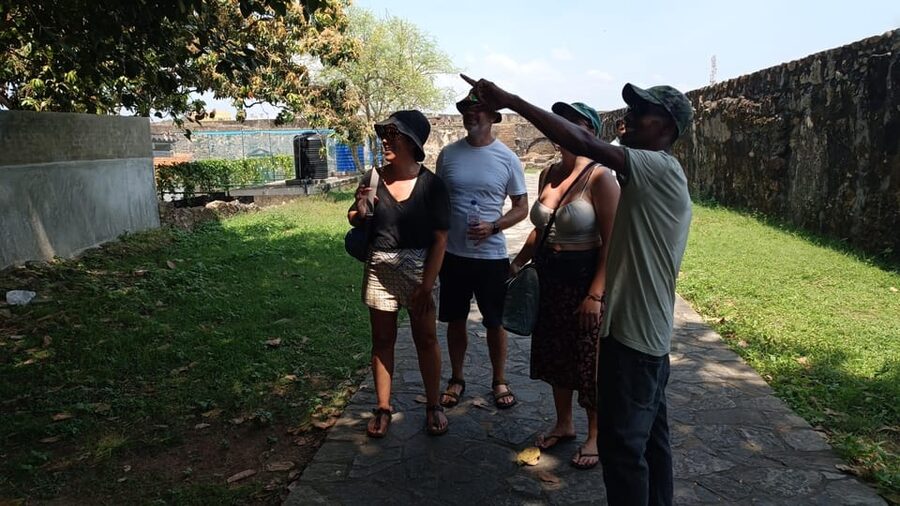
The lighthouse is one of Galle Fort’s most recognizable landmarks, and the route continues to Flag Rock Bastion. These sea-facing points are strong photo stops, but they also help explain how the fort’s defenses met the coastline.
Flag Rock gives the walk another change of view after the streets and inland-facing buildings. The lighthouse area is likely to be popular, so the guide’s timing and explanations help you look beyond the obvious photograph. You may also find the late afternoon route particularly pleasant here, when the heat eases and the light becomes softer.
Several people specifically highlight the 4:30 p.m. start as a smart choice. It can give you cooler conditions and, near the end of the walk, a chance to watch the sunset from the ramparts. Sunset is not guaranteed as part of every departure, of course, but the timing makes it a sensible possibility.
Lighthouse Street, drainage works, and Pedlar’s Street
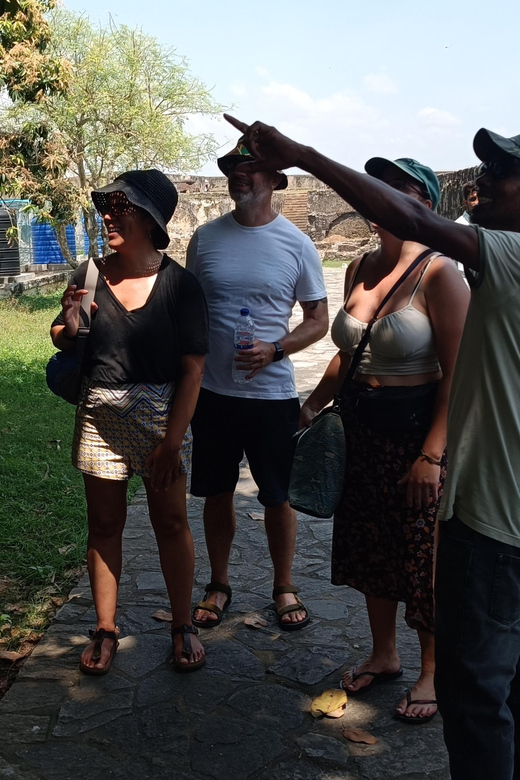
After the lighthouse and Flag Rock, the route follows Lighthouse Street. One unusual detail is the stop to see an old drainage system. This is exactly the kind of feature many people walk past without noticing.
Drainage may sound less exciting than a bastion or lighthouse, but it is valuable because it reveals the practical side of fort life. Historic settlements needed ways to manage water, waste, and heavy rain. A guide can help you see how everyday systems supported the grander buildings.
The final section moves toward Pedlar’s Street, passing from the fort’s defensive and civic spaces into one of its better-known streets. The tour finishes at Pedlar’s Corner Cafe. Refreshments are not included, but ending near a cafe gives you an easy place to continue your visit on your own, if you choose.
What Madawa adds to the experience
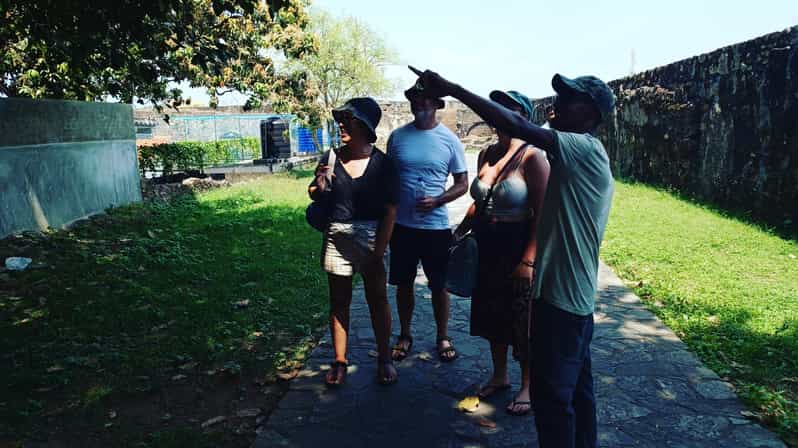
The strongest feature of this tour is the guide’s range. Madawa is presented as a professional local guide with a firm command of Sri Lankan history, and the feedback repeatedly praises his English, humor, warmth, and patience.
You can expect explanations about Galle Fort itself, but you can also ask about Sri Lankan culture, religion, language, politics, economics, and everyday life. That wider conversation is important. A fort can otherwise become a European colonial story told in isolation. Madawa’s approach places it within Sri Lanka as a whole.
His light humor also seems to shape the pace. Several comments describe the tour as fun, friendly, relaxed, and easy to follow. That matters on a 90-minute walk because too much information can become tiring, while too little leaves you with attractive buildings but no understanding.
The group size may vary. One person found the group larger than ideal, so you should not assume a private or very small walk. A larger group can make it harder to ask personal questions or hear every comment, although the overall feedback indicates that Madawa makes an effort to engage with different participants.
How much value do you get for $15?
At $15 per person, this is a strong-value way to see Galle Fort if you want more than a self-guided stroll. The price includes a professional guide and entrance fees. There are no separate admission charges listed for the route, and refreshments are your responsibility.
The main value is not the number of landmarks. You could walk past many of them for free. The value comes from learning what you are looking at, asking questions in real time, and connecting the fort to Sri Lanka’s wider past and present.
If you want a private guide, a long meal stop, or extensive interior visits, this is not that kind of experience. It is a focused 90-minute walk. For a first visit to Galle Fort, though, the combination of route, guide, and low price makes sense.
When to go and what to carry
Heat is the practical issue to plan around. The route includes exposed ramparts and open streets, so carry water, wear a hat, and use sunscreen. Sunglasses would also be sensible, although the official advice specifically lists a hat, sunscreen, and water.
Early morning is a good choice if you want cooler air and a quieter start to the day. The 4:30 p.m. departure is another smart option, especially if you would like the possibility of sunset views after the temperature drops.
The tour is conducted in English. You should also expect to walk for the full 90 minutes, with short explanations and pauses rather than a long break. Since refreshments are not included, bring water with you instead of counting on a drink stop during the route.
Who will enjoy this Galle Fort walk
I would recommend this tour to a first-time visitor who wants a clear introduction to Galle Fort without giving up half a day. It also suits you if you enjoy asking questions and want to understand Sri Lanka beyond its colonial buildings.
It is a particularly good match for:
- First-time visitors to Galle
- People interested in history, architecture, and local life
- Visitors who prefer a relaxed walking pace
- Anyone who wants to learn about Sri Lanka’s politics and society as well as its past
- Independent sightseers who want a useful orientation before exploring alone
You may want to skip it if you dislike guided walks, cannot manage 90 minutes on foot, or want a private experience with a guaranteed small group. The heat can also be a serious consideration for anyone uncomfortable in direct sun.
Should you book the Galle Fort Walking Tour?
Book it if you want the fort to make sense, not just look attractive. Madawa’s broad subject knowledge, clear English, humor, and willingness to answer questions give this short walk more substance than a basic landmark circuit.
Choose an early start for cooler conditions, or aim for 4:30 p.m. if you like the idea of softer light and a possible sunset finish. Bring water and sun protection, and accept that group size may vary.
At $15, this is an easy recommendation for most first visits to Galle Fort. It is short, practical, and focused on the details you might otherwise miss, from bastions and colonial buildings to drainage works and modern Sri Lankan life.
FAQ
Where does the Galle Fort walking tour begin?
The tour begins under the Galle Fort Clock Tower. When you enter Galle Fort through the new entrance, the clock tower is on the right.
Where does the tour finish?
The walking tour finishes at Pedlar’s Corner Cafe at the end of Pedlar’s Street.
How long does the tour last?
The tour lasts 1.5 hours, or 90 minutes.
What language is the tour conducted in?
The tour is conducted in English with a live English-speaking guide.
What sights are included?
The route includes the Clock Tower, Moon Bastion, Star Bastion, Sun Bastion, Galle Fort ramparts, Aman Galla, Dutch Reformed Church, a Dutch cinnamon storage building, Court Square, the Old Dutch Hospital, the lighthouse, Flag Rock Bastion, Lighthouse Street, an old drainage system, and Pedlar’s Street.
Is a guide included in the price?
Yes. The price includes a professional tour guide and all entrance fees.
What should I bring?
Bring a hat, sunscreen, and water. Refreshments are not included.
Just added around Galle
- Bentota: All Inclusive Galle Dutch Fort & Madu River Safari★ 4.2 · 6 reviews
- Mirissa/Weligama/Galle/Tangalle: Drop to Ella & Yala Safari★ 4.8 · 27 reviews
- Sinharaja Rainforest Private & Customize Tour★ 4.6 · 38 reviews
- Sinharaja Rainforest Private Half Day Tour with Licensed Guide★ 5.0 · 39 reviews
- Surf lesson in weligama by surf and stay Srilanka .★ 5.0 · 95 reviews
- GO WILD! Double Safari Day Trip (Yala & Udawalawe) – Private & All Inclusive★ 5.0 · 23 reviews
- Galle : Traditional Jewellery making workshop★ 4.9 · 34 reviews
- Scuba Diving in Mirissa★ 5.0 · 12 reviews
Galle Fort Tours, compared.
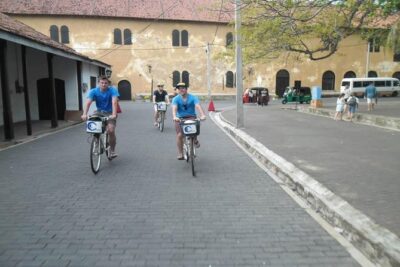
Galle Fort and City Cycling Tour – Choice of E-Bike or Manual
Read our review →
All Inclusive Galle Dutch Fort & Madu River Safari
Read our review →Browse the lists this tour appears in