
Reviewed · MINNERIYA & KAUDULLA SAFARIS
Private Polonnaruwa Ruins & Minneriya Safari Tour from Sigiriya
Polonnaruwa gives you two very different Sri Lankan experiences in one long day: 12th-century royal ruins in the morning and wild elephants in the afternoon. The private format lets your group move at its own pace, with hotel pickup from Sigiriya, Habarana, or Dambulla.
I like the efficient route and the choice of a compact Suzuki Estilo or a larger Nissan NV200 van. I also like that the safari uses a separate 4×4 jeep, rather than asking a road vehicle to handle the park. The main drawback is the pace: up to 11 archaeological stops plus a three-hour safari makes this a full, tiring day.
Key points at a glance
- Two major sights in one day: Combine UNESCO-listed Polonnaruwa with an elephant safari.
- Private transport: Only your group takes part, with pickup and drop-off from Sigiriya, Habarana, or Dambulla.
- A strong ancient-city route: See the Royal Palace, Polonnaruwa Vatadage, Rankoth Vehera, Lankathilaka, and Gal Vihara.
- Separate safari vehicle: The wildlife portion uses a 4×4 jeep with its own driver.
- Season matters: From May to September, Hurulu Eco Park may be the better choice for elephant sightings.
- Practical value: The $55 price is per group of up to two, but entrance fees and lunch are extra.
Why this Polonnaruwa and safari pairing works
Polonnaruwa is spread across a large area, so seeing it by private vehicle is far easier than trying to cover it on foot. The tour moves between ruins, stupas, shrines, and reservoirs without asking you to walk the whole site under the tropical sun.
The afternoon safari changes the mood completely. After stone monuments and old royal compounds, you head into a national park for elephants and open spaces. That contrast is the real appeal. You are not spending the entire day looking at ruins, yet you also avoid making a separate trip for wildlife.
The tour lasts roughly eight to ten hours. That is enough time for a broad look at Polonnaruwa and up to three hours in the park, though the schedule leaves limited room for lingering. If you want to study every carving or take a long lunch, this route may feel rushed.
Other safari days out of Sigiriya:
- From Colombo: Sigiriya and Dambulla Day Trip with Safari
★ 4.7 · 842 reviews - From Sigiriya: Minneriya National Park Private Jeep Safari
★ 4.9 · 415 reviews - From Sigiriya: Minneriya National Park Elephant Safari
★ 4.8 · 365 reviews
Starting from Sigiriya, Habarana, or Dambulla
Pickup is offered from hotels in Sigiriya, Habarana, or Dambulla. The private setup is useful if you are staying in one of these Cultural Triangle bases and want to avoid arranging separate transport to Polonnaruwa.
You can choose between a budget-friendly Suzuki Estilo and a Nissan NV200 mini van. The Estilo suits a small group focused on keeping the price down. The NV200 is the more sensible choice if you want extra room, especially after a long day or if you are carrying camera gear.
The price is $55 per group of up to two people, not per person. That makes the headline price particularly attractive for a couple. Still, treat it as the cost of transport, driving, and the safari arrangement rather than the complete day’s bill. Entrance fees are not included, and lunch is also extra.
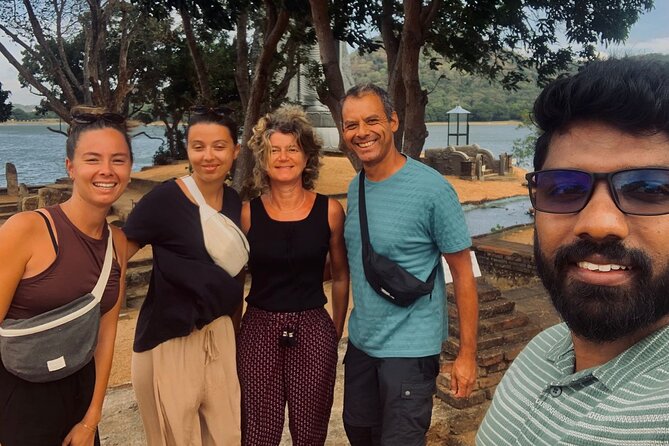
Complimentary water bottles are included. An expert driver is provided for the road portion, and the safari package adds a 4×4 jeep and jeep driver. A driver named Rashith is associated with the service, and one especially useful detail is the attention given to keeping the day moving smoothly. That matters here because the route covers a lot of ground.
The museum gives Polonnaruwa some context
The Archaeological Museum is the first scheduled stop and takes about 30 minutes. Admission is not included, so you should plan for an extra ticket.
I like beginning here because the museum can help you recognize what you are about to see outside. Polonnaruwa’s ruins are spread out, and without context, the first palace wall or broken shrine can seem like just another pile of old stone. A short museum visit gives the city’s sculpture and architecture a clearer frame.
Do not expect a long museum session. Thirty minutes is enough for orientation, not a detailed study. If ancient art is your main interest, you may wish the schedule allowed more time here. For most people, the outdoor monuments are the main event.
Royal power at Parakramabahu’s palace

The Statue of Parakramabahu I is a brief 15-minute stop. It is connected with the king whose reign shaped much of Polonnaruwa’s monumental architecture and water management.
The Royal Palace of King Parakramabahu receives about 30 minutes. The palace was once described as a seven-story structure, though what you see now is a ruin of the original complex. The remaining walls and scale help you picture the power of the medieval court.
These two stops work well together. The statue introduces the ruler, and the palace shows the ambition of his building program. The time allocation is short, but that is sensible on a route with many more sites ahead.
Other ancient cities and temples from Sigiriya:
- Day tour sigiriya to anuradhapura
★ 4.5 · 45 reviews - Private Polonnaruwa Sightseeing Day Tour from Sigiriya
★ 5.0 · 31 reviews - Polonnaruwa Sight Seeing Tour and Minneriya Elephant Safari
★ 4.8 · 18 reviews
Pothgul Viharaya and the ancient learning center
Pothgul Viharaya takes about 15 minutes. It is associated with a 12th-century monastic complex and is believed to have served as a Buddhist library and learning center.
This stop adds something different from the palace ruins. Polonnaruwa was not only a place of kings and ceremonies. It was also a center of religious study and monastic life.
The visit is brief, so you will get a quick look rather than a long explanation or quiet period for reflection. Still, it helps break up the royal focus of the morning and shows the wider purpose of the ancient city.
The Sacred Quadrangle and Vatadage
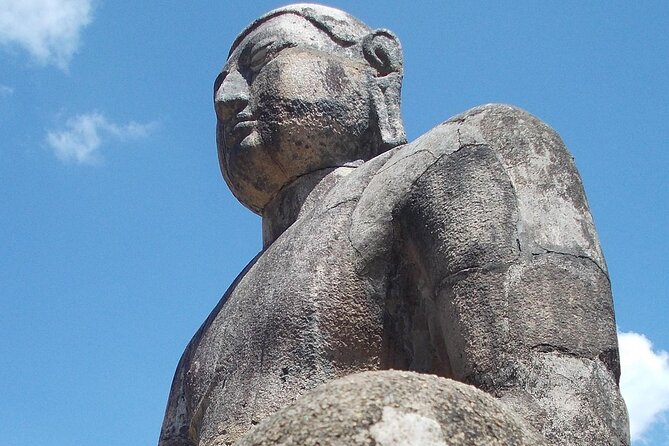
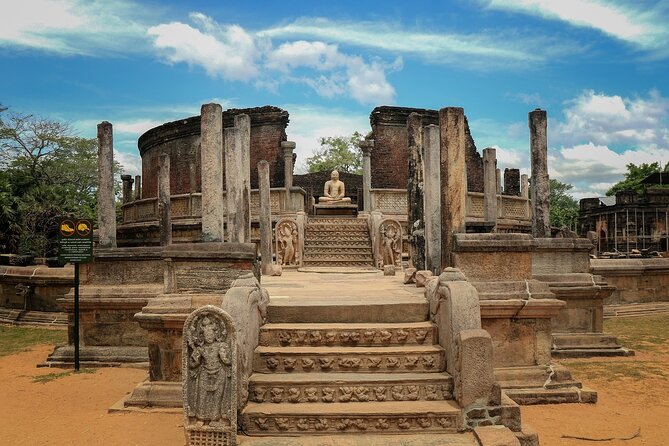
Polonnaruwa Vatadage is one of the key stops. This circular shrine sits in the Sacred Quadrangle and was built to hold sacred Buddhist relics. The visit lasts about 15 minutes, and the entrance fee is not included.
This is the sort of place where you will want your camera ready. The circular form, stone steps, guard stones, and carved details give it a strong visual identity. It is also one of the most important religious buildings on the route.
Because the stop is short, look carefully as soon as you arrive. Focus on the entry steps, stone carvings, and overall shape rather than trying to inspect every detail. The nearby sacred area contains several important monuments, so a private vehicle helps you cover more ground.
Siva Devalaya No. 1 shows a broader religious past
Siva Devalaya No. 1 takes around 15 minutes. It is described as Polonnaruwa’s oldest surviving Hindu temple and dates from the 11th century.
This is a valuable stop because it widens your view of the city. Polonnaruwa is often presented mainly through Buddhist monuments, but this temple reflects the island’s Hindu and South Indian connections during the period.
The building is compact compared with the great stupas and image houses. That makes the visit easy to fit into a busy day, though anyone hoping for a long temple visit should keep expectations modest.
Three stupas in quick succession
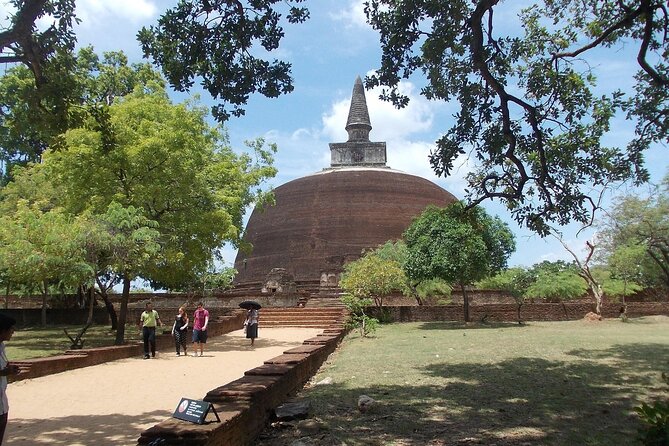
Rankoth Vehera, Manik Vehera, and Kiri Vehera each receive roughly 15 minutes. Together, they show the range of stupa architecture around Polonnaruwa.
Rankoth Vehera is identified as Sri Lanka’s fourth-largest ancient stupa. Its size gives you a sense of the resources devoted to Buddhist worship and royal patronage.
Manik Vehera is smaller and linked with the reign of Parakramabahu the Great. It offers a quieter contrast to the larger monuments.
Kiri Vehera is known as the Milk White Stupa and has survived in notably good condition. Its pale surface and simple mass make it easy to appreciate even during a fast visit.
Three stupas in one stretch can begin to blur together, especially in the heat. I suggest taking a moment at each to note the differences in size, setting, and condition. The guide and driver can also help you avoid wasting time on unnecessary backtracking.
Lankathilaka and Gal Vihara are the highlights
Lankathilaka Image House receives about 15 minutes. It was built in the 12th century as part of the Alahana Pirivena complex and is known for its tall, dramatic image-house design.
The structure is more enclosed and vertical than the open stupas. Its walls and surviving religious art give you a feel for how powerful these buildings must have been when in use. The short stop is enough for a look, but not for a slow architectural study.
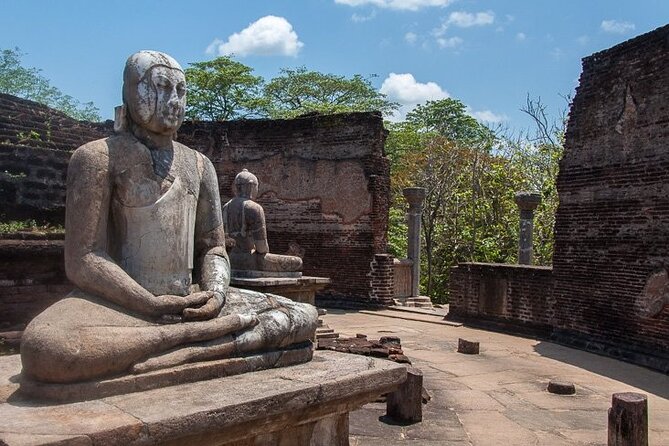
Gal Vihara gets about 30 minutes, making it one of the most important stops of the day. The site contains large Buddha figures carved directly into rock, including standing, seated, and reclining images.
This is where I would protect your time and attention. The stone surfaces, proportions, and calm expressions reward close looking. Even if you are tired by this point, Gal Vihara is not a stop to rush through.
The route’s many 15-minute visits can feel brisk, but the longer period at Gal Vihara is well chosen. You will have enough time to take photographs and look carefully at the carvings before heading toward the safari.
Parakrama Samudra and Giritale Tank add scale
The journey passes by Parakrama Samudra, a huge ancient reservoir covering about 2,500 hectares. It is linked with King Parakramabahu the Great and reflects the advanced water systems that supported medieval Sri Lankan life.
You also pause at Giritale Tank, another reservoir associated with Parakramabahu I. These are not formal sightseeing stops with long visits, but they add important context to the ruins. The kings of Polonnaruwa were not only building palaces and temples. They were also managing water on a massive scale.
These views provide a welcome change after the dense cluster of monuments. They also make the day feel less like a checklist of ruins. You get a better sense of the wider setting in which the ancient city functioned.
Three hours in Minneriya or Hurulu Eco Park
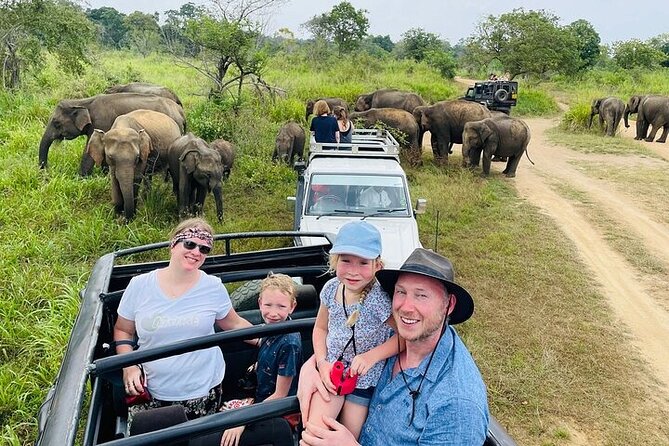
The wildlife section lasts about three hours. The package includes a 4×4 safari jeep and jeep driver, while park admission is extra.
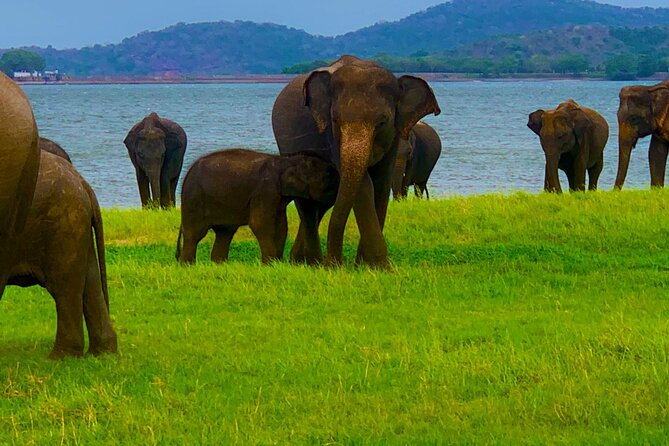
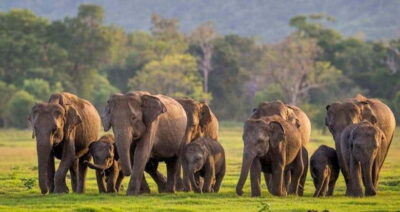
Minneriya National Park is promoted for elephant sightings, particularly during the famous seasonal gathering. The timing of elephant movement matters, though, and the supplied details point to Hurulu Eco Park as the better option during the wet season from May to September. Herds may move between habitats, so the most suitable park can change with conditions.
That is an important practical point. Do not assume that the park name alone guarantees a particular sighting. The tour information identifies Minneriya as the main park and Hurulu as a wet-season alternative, so confirm the planned park and current conditions when booking.
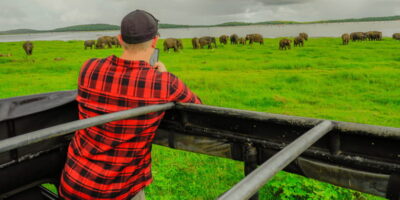
A three-hour safari gives you a fair amount of time to search rather than making a quick drive through. You will be in an open 4×4 with a dedicated safari driver, which is better suited to park roads than a compact car or mini van.
The strongest part of the wildlife arrangement is the private feel. The group size is limited to your own booking, and one couple had the jeep to themselves. That gives you more room than a large shared vehicle and makes it easier to focus on the experience.
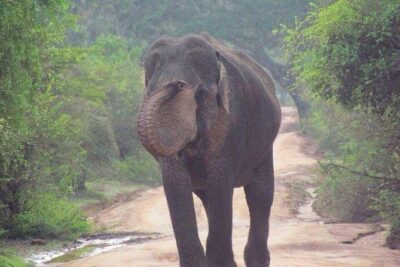
Still, wildlife is never fully predictable. You may see elephants, especially in areas known for them, but the day is not a fixed animal display. The value comes from combining the search with the ancient-city visit rather than treating the safari as a guaranteed performance.
What is included, and what is not
The tour includes hotel pickup and drop-off, private road transport, bottled water, and an expert driver. The safari version also includes the 4×4 jeep and safari driver.
You pay separately for all entrance fees and lunch. This affects the real cost, so budget beyond the $55 headline price. The low group rate is strongest for two people sharing the booking. A solo visitor pays the full group price, while a larger party should ask how the per-group arrangement applies before booking.
Lunch is not included, but the service can take you to a restaurant. One account of the day praised the restaurant for its cleanliness and broad food selection. You should still confirm the lunch plan and cost rather than assuming a meal is part of the package.
Who will get the most from this day?
I would choose this tour if you have limited time in the Cultural Triangle and want both archaeology and wildlife. It is especially suitable for couples, since the $55 rate covers up to two people and the private format avoids a large group.
It also suits photographers and first-time visitors who want a broad introduction to Polonnaruwa. The driver can help with route efficiency and photo stops, while the private vehicle saves energy between monuments.
I would be more cautious if you prefer slow travel. The schedule includes many stops, and most are only 15 minutes. People with a strong interest in Buddhist art or ancient architecture may prefer a dedicated Polonnaruwa day with fewer sites and more time at each one.
The tour is also a good fit if you value convenience over independent planning. You do not need to arrange a separate transfer, archaeological route, and safari vehicle. That convenience is the main reason the package can be worth more than its low starting price suggests.
Practical details before you book
The tour is private, and only your group participates. Confirmation is provided at booking, and the activity is near public transportation. Most people can take part, according to the supplied information.
Wear clothing suitable for walking around religious sites, and be ready for heat and sun. The schedule includes outdoor ruins, so water and comfortable footwear matter even though bottled water is supplied.
The cancellation policy is flexible if your plans change early. You can cancel at least 24 hours before the local start time for a full refund. Cancellations or changes made inside that window are not accepted for a refund.
Should you book the Polonnaruwa and safari tour?
Book it if you want a high-value private day that covers the major Polonnaruwa sights and adds a serious wildlife outing. The best reasons are the private transport, dedicated 4×4 safari, efficient route, and group price for two.
Skip it if you want a slow archaeological study or dislike tightly packed itineraries. Ask about the planned park, especially from May through September, and remember to add entrance fees and lunch to the budget.
For most couples based in Sigiriya or Habarana, this is a smart way to link two of Sri Lanka’s strongest attractions in one day. Just start early, keep your expectations realistic about wildlife, and treat Gal Vihara and the elephant search as the two moments worth saving your energy for.
FAQ
How long does the tour last?
The full experience takes approximately eight to ten hours, including the Polonnaruwa visit and the safari.
Where is hotel pickup available?
Pickup and drop-off are available from hotels in Sigiriya, Habarana, or Dambulla.
Is the tour private?
Yes. Only your group participates in the activity.
How much does the tour cost?
The listed price is $55 per group of up to two people.
Are entrance fees included?
No. All entrance fees are paid separately, including the Archaeological Museum, Vatadage, and national park admission where applicable.
Is lunch included?
No. Lunch is not included in the tour price.
Which park is used for the safari?
The safari is listed at Minneriya National Park. From May through September, Hurulu Eco Park may be used because elephant herds can move there during the wet season.
More Minneriya safaris around Sigiriya
- Private Jeep Safari at Minneriya National Park to Visit Elephants
★ 5.0 · 338 reviews - Minneriya National Park halfday Safari
★ 5.0 · 293 reviews - Hurulu eco park jeep safari
★ 4.5 · 110 reviews - Sigiriya Lion Rock Hike & Minneriya National Park Safari
★ 4.8 · 55 reviews
More Sigiriya tours in Sigiriya
- Organic cooking class sigiriya (kumara & family)
★ 5.0 · 650 reviews - Sunrise or Sunset Hike Pidurangala Rock with Scenic Views
★ 4.6 · 125 reviews - Cooking Class: Sajee’s Place Cooking Class sigiriya
★ 5.0 · 117 reviews - Organic Cooking Class sigiriya home Kitchen(Kumara & family)
★ 5.0 · 116 reviews
Just added around Sigiriya
- A Hidden Gem in Sigiriya: Magical Boat Journey.★ 4.5 · 12 reviews
- Kandy: City Highlights and Ramboda Waterfall Trip★ 5.0 · 4 reviews
- Private Polonnaruwa Sightseeing Day Tour from Sigiriya★ 5.0 · 31 reviews
- Polonnaruwa Sight Seeing Tour and Minneriya Elephant Safari★ 4.8 · 18 reviews
- Sigiriya: Rock Fortress Private Guided Walking Tour★ 4.8 · 34 reviews
- Day tour sigiriya to anuradhapura★ 4.5 · 45 reviews
- Sigiriya Lion Rock Hike & Minneriya National Park Safari★ 4.8 · 55 reviews
- Private Jeep Safari at Minneriya National Park – Half Day Tour★ 5.0 · 50 reviews
Minneriya & Kaudulla Safaris, compared.

Kaudulla National Park Half Day Sri Lanka Jeep Safari
Read our review →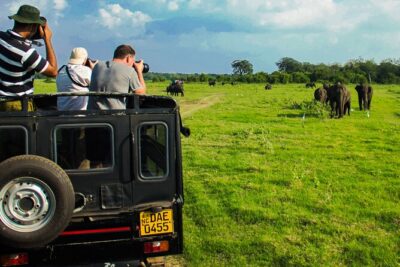
Day tour to Minneriya National Park,Sigiriya & Dambulla from Kandy
Read our review →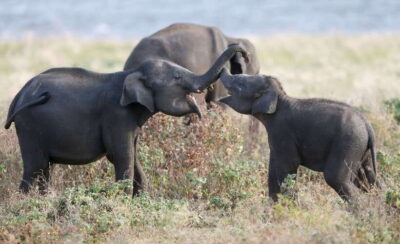
Colombo/Negombo: Sigiriya, Dambulla, and Minneriya Safari
Read our review →
Sigiriya Hike & Minneriya Safari Private Full Day Tour
Read our review →Browse the lists this tour appears in