
Reviewed · COOKING CLASSES
Sri Lanka: Cooking Class
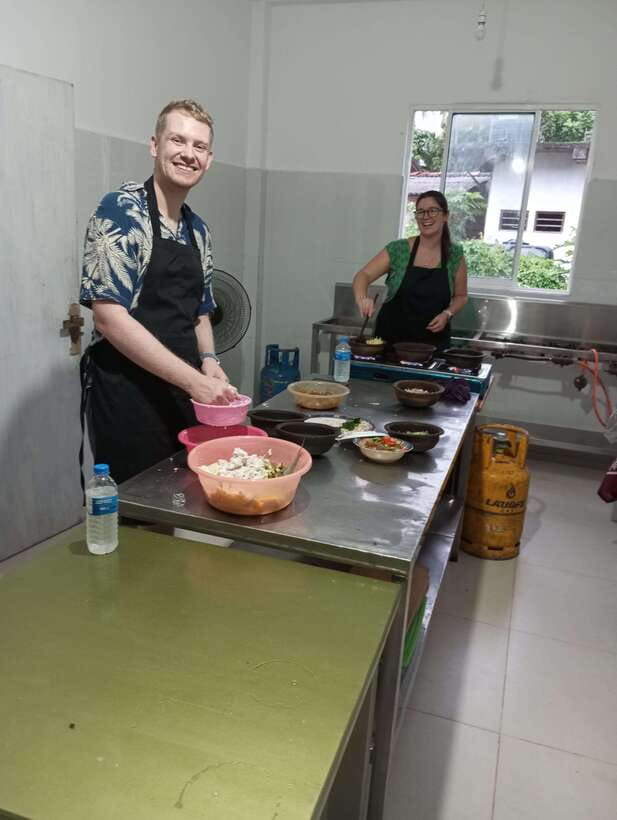
Sri Lankan cooking is built on bold combinations: rice with coconut, vegetables with spices, and seafood shaped by the island’s position along old ocean trade routes. This Kotapola class puts those ideas into your hands, rather than leaving you to admire a finished plate. You cook, ask questions, and then sit down with your hosts to taste the result.
I especially like the hands-on format and the chance to learn how spices fit together instead of simply being told that Sri Lankan food is spicy. I also like the home-style social side, including tuk-tuk pickup and time with your hosts. The main caution is spice control. Even after asking for less heat, some diners found the food far too spicy, so be clear about your limits before cooking begins.
Key points at a glance
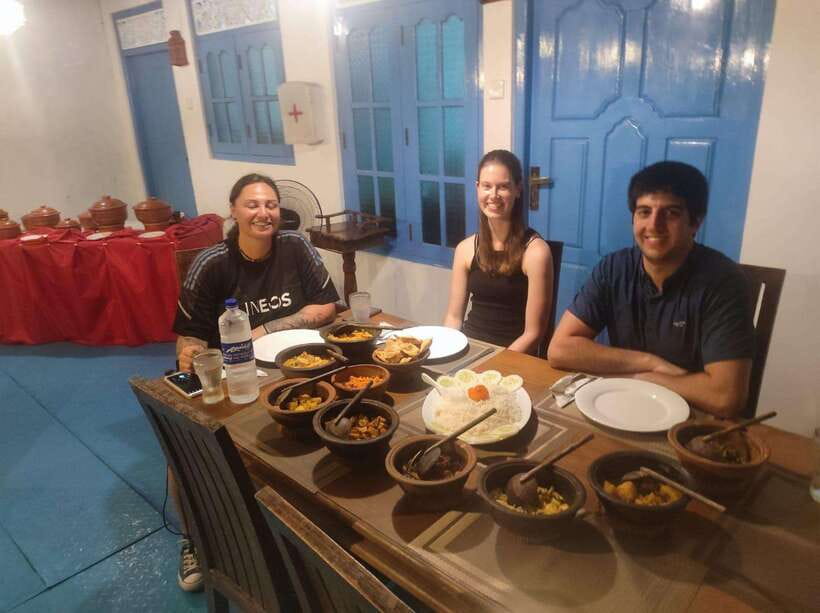
- Seven or eight dishes may be prepared: Recent sessions produced a large spread in about 1.5 hours, although the booked activity lasts three hours.
- Rice and coconut are central: You learn about ingredients that appear throughout Sri Lankan home cooking.
- The class covers more than recipes: Your guide explains spices, food traditions, and the island’s links to overseas traders.
- You eat what you make: The cooking leads into a shared meal with your hosts.
- Tuk-tuk pickup is included: Pickup is offered from hotels and villas in the Kotapola area, usually around 30 minutes before the activity.
- Spice needs careful discussion: Ask for mild food more than once and confirm what that means before preparation starts.
Why Kotapola makes a good setting for a cooking class
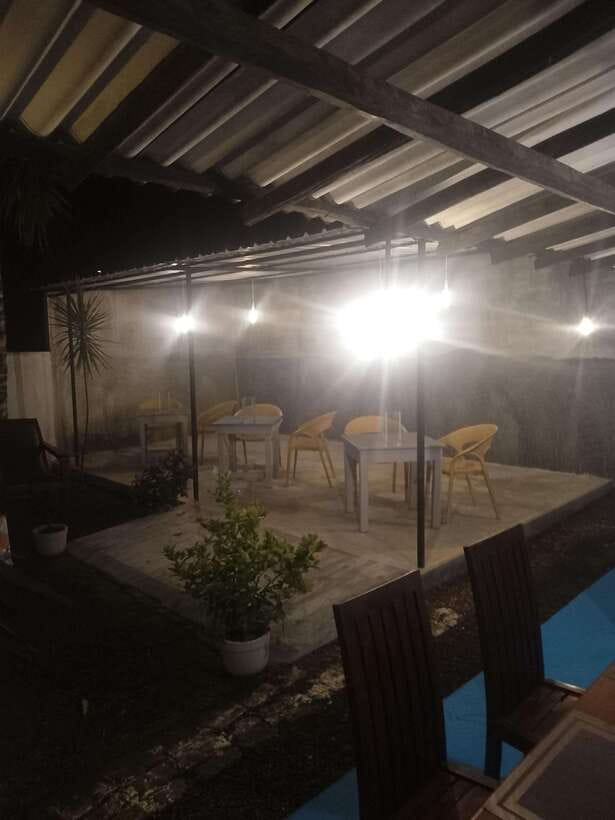
Kotapola gives this class a more local feel than a cooking demonstration arranged around a hotel dining room. The setting matters because Sri Lankan food makes the most sense when you connect it with ordinary home life: rice prepared in several forms, coconut used often, vegetables treated as main ingredients, and seafood preserved or served fresh.
You are not signing up only to copy a recipe. The class introduces the forces that shaped the island’s food. Sri Lanka’s place on the old oceanic Silk Road brought contact with foreign traders, new ingredients, and outside customs. Those influences joined the cooking traditions of the country’s different ethnic communities.
That context helps explain why the food can feel both familiar and surprising. Rice may provide the base, but the character comes from the seasoning, coconut, vegetables, fish, and fruit around it. You will get more from the class if you pay attention to the logic behind each dish, not just the ingredient list.
The location also makes the pickup useful. A tuk-tuk comes to your hotel or villa in the surrounding area, generally around 30 minutes before the start. That is a practical touch in Kotapola, especially if you do not have your own transport or do not want to work out a local ride for a short journey.
Other cooking classes around Mirissa:
- Mirissa: Cooking Class with Beer and Meal
★ 3.3 · 4 reviews - Ella: Traditional Sri Lankan Cooking Class
★ 4.9 · 788 reviews - Organic cooking class sigiriya (kumara & family)
★ 5.0 · 650 reviews
The tuk-tuk ride and first welcome
The activity includes hotel pickup and drop-off, with transport by tuk-tuk from nearby accommodation. The exact pickup time depends on the start time and your location, so keep your phone available and be ready before the arranged pickup window.
A tuk-tuk is part of the local rhythm, not just a transfer. It also gives you a quick look at the area on the way to the kitchen. Since the class is only three hours, included transportation helps protect your cooking time and makes the booking easier to fit into a day in southern Sri Lanka.
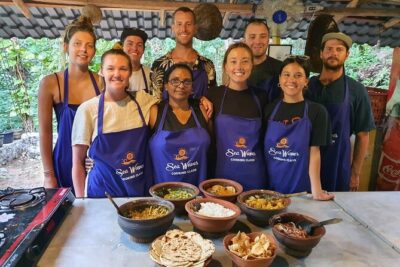
The welcome is important because this is a social class. You meet the people who will guide the cooking, learn about their daily lives, and get a sense of how the meal will work. Rnishani is identified as an excellent cooking teacher in one account, with clear instructions, careful attention to safety, and a willingness to ask about dietary needs and preferences before the class.
That advance conversation is worth taking seriously. Tell the host about allergies, dietary restrictions, meat preferences, and your tolerance for chili before anything goes into the pot. You should not assume that less spicy means mildly seasoned. One session remained too hot for several diners even after they requested less spice.
Starting with Sri Lankan ingredients
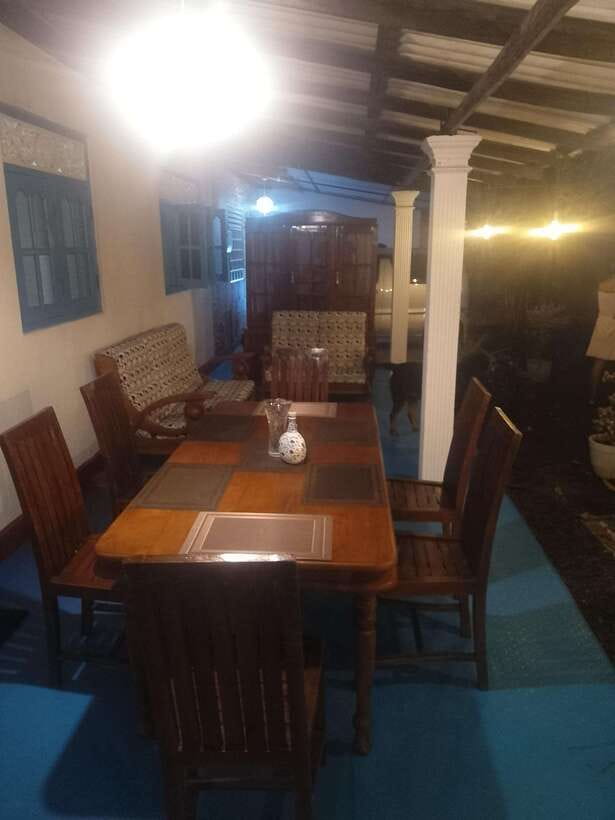
The food lesson begins with the basic building blocks of the cuisine. Rice is a major part of Sri Lankan meals, while coconut is used widely because coconut palms are common across the island. Seafood also has an important role, including both fresh and preserved fish.
You can expect the cooking to include different kinds of vegetables and meat. The precise menu is not fixed in the information provided, which may be a benefit if the host adjusts it for the available ingredients or your preferences. It also means you should not book expecting a particular curry, dessert, or seafood dish unless you confirm it first.
The best part of this stage is learning what each spice contributes. Sri Lankan food is not simply about adding chili until the dish burns. Spices shape aroma, warmth, color, and balance. A good class helps you notice those differences as the dish develops.
You should ask questions while the ingredients are still separate. Which spice gives fragrance? Which one supplies heat? When should coconut be added? What changes when fish is preserved rather than fresh? The answers turn a one-time meal into something you can remember when ordering or cooking later.
Cooking seven or eight dishes in one session
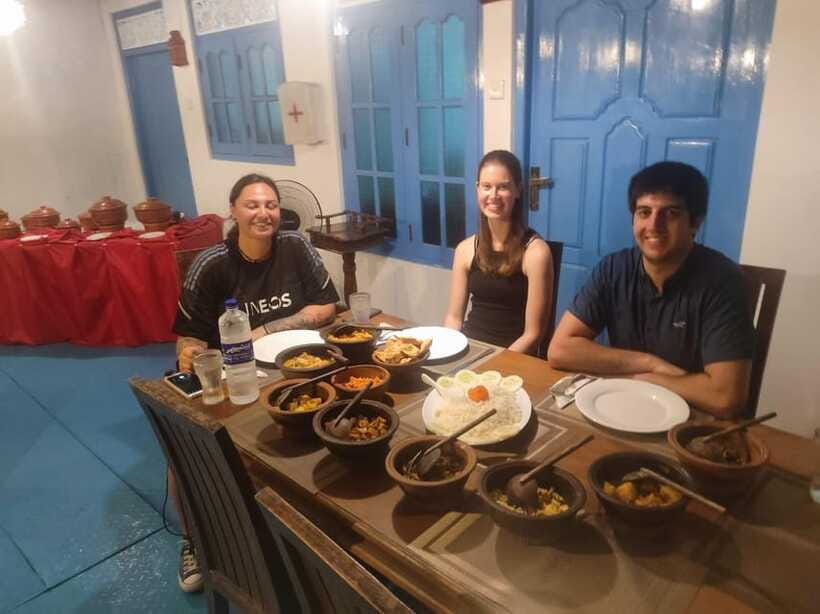
The strongest practical feature is the amount of food prepared. One session produced eight dishes, while another made seven in roughly an hour and a half. That is a generous spread for a three-hour activity, though the pace and exact number can vary.
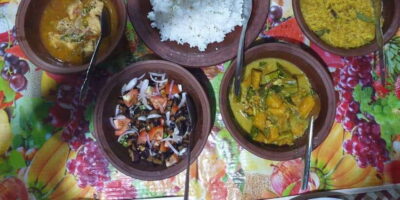
A large menu gives you a broad look at Sri Lankan cooking. You are likely to see how rice, coconut, vegetables, meat, fish, herbs, and spices work together across several preparations. It also lets you compare dishes instead of judging the cuisine from one curry alone.
The speed may surprise you. Seven dishes in about 1.5 hours means the class can move quickly, especially if several preparations happen at once. If you want careful practice with every technique, tell the guide. If you mainly want a broad introduction and a generous meal, the fast pace may suit you well.
Wear simple, comfortable clothing that allows you to work easily. The activity specifically advises practical dress, and that is sensible around cooking surfaces, spices, and food preparation. Do not arrive after drinking alcohol. The safety guidance is clear, and cooking is best approached with a steady head.
The class is suitable for people who eat vegetables and meat, but the menu can be discussed in advance. The host may prepare the kitchen around your diet and preferences, as happened for one booking. That does not replace a firm conversation about allergies, so make those needs clear before arrival.
Same base, a completely different day:
- From Mirissa / Galle / Tangalle to Yala Safari & Drop- Ella
★ 4.6 · 124 reviews - Mirissa: Snorkeling Experience with Turtles
★ 4.5 · 123 reviews - YALA SAFARI TOUR from TANGALLE/HIRIKETIYA/MIRISSA/GALLE
★ 4.8 · 121 reviews - From Mirissa/Galle/Hikkaduwa: Udawalawa National Park Safari
★ 4.7 · 106 reviews
The meal with your hosts
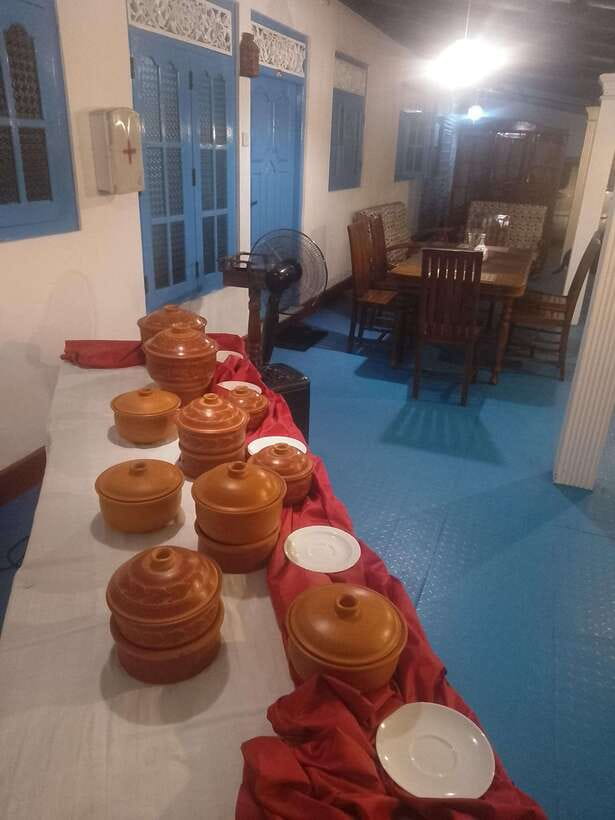
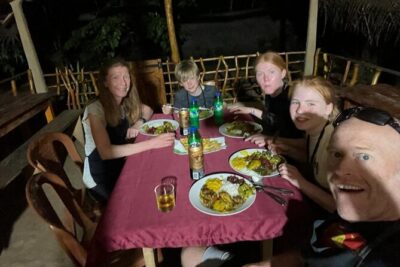
After cooking, you sit down and taste what you have prepared. This shared meal is more than a reward for finishing the work. It gives you a chance to see how the separate dishes fit together as a Sri Lankan table.
I like this part because it links food with people. You get time to know your hosts and hear about daily life in Sri Lanka, rather than leaving as soon as the last pan is finished. The meal also gives you a useful test of your own palate. A dish that seemed intense while cooking may work differently alongside rice, coconut, vegetables, and the rest of the spread.
There is one important qualification. The activity information says you savor your creations and dine with your hosts, but the price details also list meals and beverages as not included. That wording is not perfectly clear. Ask before booking what food is covered, what you will eat during the class, and which drinks, if any, cost extra.
Bottled water is included. Other beverages are not listed as included, so plan on paying for them if offered or needed. The $50 price should be judged mainly against the instruction, transport, food preparation, and time with the hosts, not as an all-you-can-eat restaurant meal.
The spice question deserves real attention
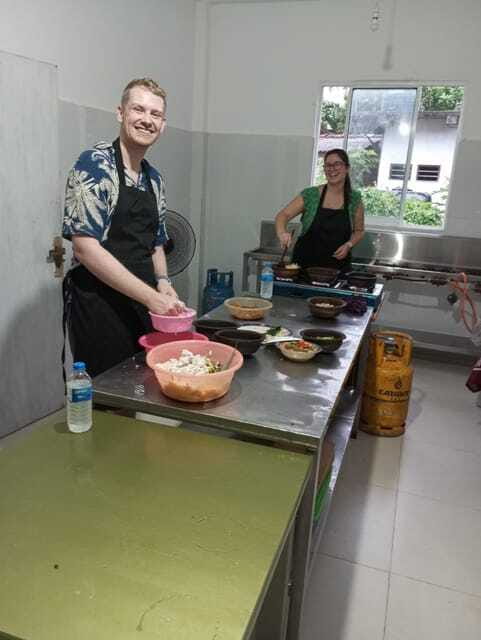
Sri Lankan food can be hot, but heat is only one part of its character. The class aims to show how spices work with rice, coconut, fish, meat, and vegetables. That makes it useful for anyone who wants to understand the cuisine, but chili tolerance can shape the whole experience.
Tell the host exactly what you can eat. Saying less spicy may not be enough if you cannot manage much chili. Use plain language such as no chili, very mild, or only a small amount, and repeat the request when the menu is discussed.
This matters because one participant found the food too hot to eat, while another person who normally handles spicy food still struggled with it. That is a serious consideration, not a minor complaint. If you are sensitive to heat, ask whether a separate portion can be kept mild before spices are added.
At the same time, do not confuse heat with poor cooking. The problem may simply be a mismatch between the kitchen’s idea of mild and your own. A clear conversation gives the host a better chance to adjust the dishes and gives you a fairer taste of the food.
What $50 per person gets you
At $50 per person, the class is not the cheapest way to eat in Sri Lanka. You can find less expensive meals elsewhere. The value comes from the combined package: three hours of instruction, local transport, a meal based on your work, cultural background, and time with the hosts.
The price looks strongest if you want to take something home beyond photographs. Learning how rice, coconut, seafood, vegetables, and spices fit together can shape the rest of your time in Sri Lanka. You may recognize ingredients on restaurant menus and understand why dishes taste the way they do.
It is also a good choice if you value a small, personal setting, though the exact group size is not provided. The social contact is central, and the class is not designed as a quick cooking show with a chef at a distance.
The value is weaker if you only want a meal, dislike group participation, or have strict spice limits that cannot be accommodated. It may also feel rushed if your main goal is to master each technique in detail. Before paying, confirm the menu, meal arrangements, beverage costs, and spice level.
Free cancellation is available up to 24 hours before the activity for a full refund, and you can reserve now and pay later. Those terms help if your schedule around Kotapola is still changing.
Who should book this class
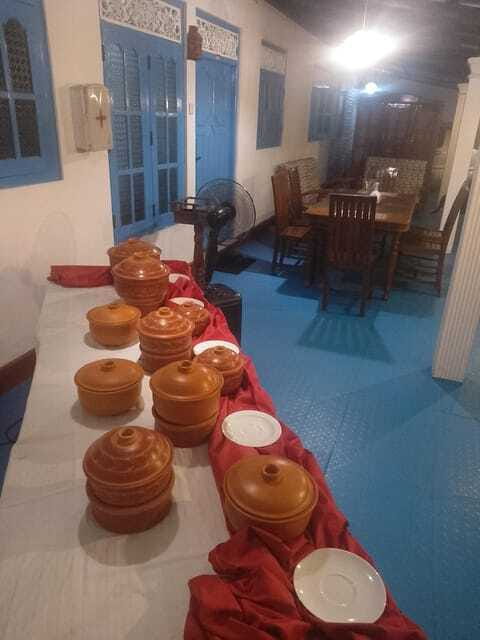
I would recommend it to you if you enjoy food as a way to meet people. It suits curious eaters, couples, families who like practical activities, and home cooks who want to understand Sri Lankan flavors rather than simply order them.
It is also a good fit if you have limited time in the area. Three hours is long enough to cook several dishes and share a meal without taking over an entire day. Included pickup and drop-off make the plan simpler.
You should think twice if you have limited mobility. The activity information says wheelchair access is available, but another section says it is not suitable for wheelchair users or people with mobility impairments. That is a direct contradiction. Contact Tourlankaholidays before booking and ask about the kitchen layout, tuk-tuk transfer, seating, and access to cooking areas.
The class is conducted in English, so it works best if you are comfortable following spoken instructions in English. An English-speaking guide is included, along with entrance fees and bottled water.
Should you book the Kotapola cooking class?
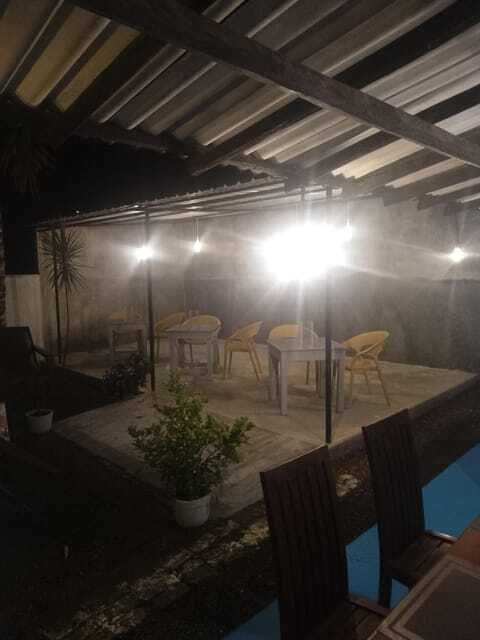
Book it if you want a personal food lesson with a shared meal, local conversation, and enough dishes to understand the range of Sri Lankan cooking. The combination of rice, coconut, vegetables, meat, seafood, spices, and culinary history gives the three hours real substance.
Before you commit, settle three points: how mild the food can be, what food and drinks are included, and whether the setting works for your mobility needs. If those answers suit you, $50 is fair for a hands-on class with pickup and drop-off.
I would skip it if you want a quiet meal, cannot eat chili at all without firm safeguards, or need a fully accessible setup that has not been confirmed. For everyone else, this is a useful and sociable way to get past the restaurant menu and understand what makes Sri Lankan food tick.
FAQ
Where does the cooking class take place?
The class takes place in Kotapola, Sri Lanka.
How long does the activity last?
The booked activity lasts three hours.
How much does the class cost?
The listed price is $50 per person.
What language is the class conducted in?
The live guide conducts the class in English.
Is hotel pickup included?
Yes. Pickup and drop-off are included from hotels or villas in the Kotapola area. Pickup is by tuk-tuk, generally around 30 minutes before the activity.
What kinds of food are covered?
The class covers traditional Sri Lankan cooking with rice, coconut, vegetables, meat, seafood, herbs, fruit, and spices. The exact menu is not specified.
Will I eat the food I prepare?
The activity includes tasting your creations and dining with your hosts. The price information also lists meals and beverages as not included, so confirm the meal and drink arrangements before booking.
Can I request less spicy food?
You can discuss your diet and preferences with the host before the activity. Because some diners still found the food too spicy after requesting less heat, explain your spice limits very clearly and confirm what can be prepared.
Is bottled water included?
Yes, bottled water is included. Other beverages are listed as not included.
Is the class wheelchair accessible?
The information is inconsistent. One section says the activity is wheelchair accessible, while another says it is not suitable for wheelchair users or people with mobility impairments. Confirm the current access arrangements with Tourlankaholidays before booking.
Just added around Mirissa
- Snorkeling Trip from Polhena Beach, Matara, Sri Lanka★ 3.8 · 11 reviews
- Scuba Diving in Mirissa★ 5.0 · 4 reviews
- Mirissa: Whale & dolphin Watching Boat Tour with Breakfast★ 4.0 · 8 reviews
- Mirissa: Whale Watching Cruise★ 3.1 · 5 reviews
- All Inclusive Mirissa Whale and Dolphin Watching Boat Ride★ 4.5 · 29 reviews
- Mirissa: Cooking Class with Beer and Meal★ 3.3 · 4 reviews
- Mirissa: Whale & Dolphin Watching Trip with Private Transfer★ 4.1 · 6 reviews
- All Inclusive Mirissa Whale & Dolphin Watching + Snorkeling★ 3.9 · 3 reviews
Cooking Classes, compared.
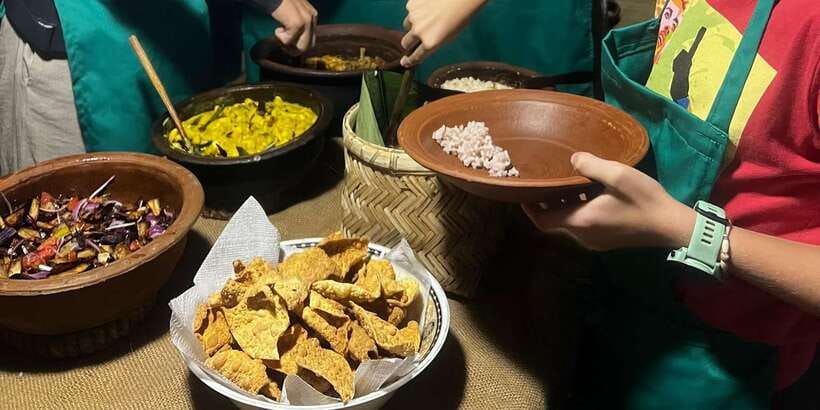
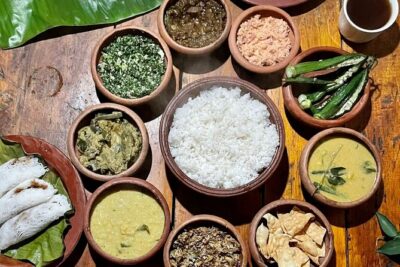
Organic cooking class sigiriya (kumara & family)
Read our review →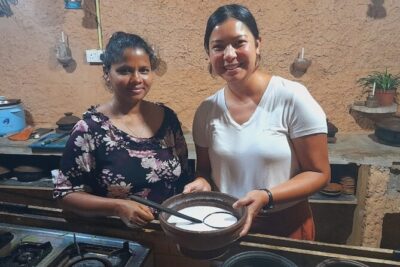
Sri Lankan Cooking Class with Neranji at Homestay
Read our review →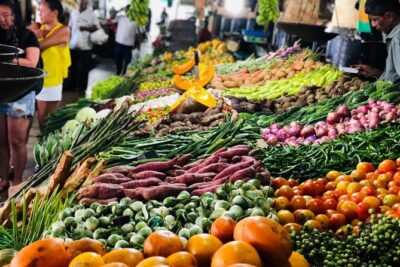
Browse the lists this tour appears in