
Reviewed · COOKING CLASSES
Cook with Wasantha
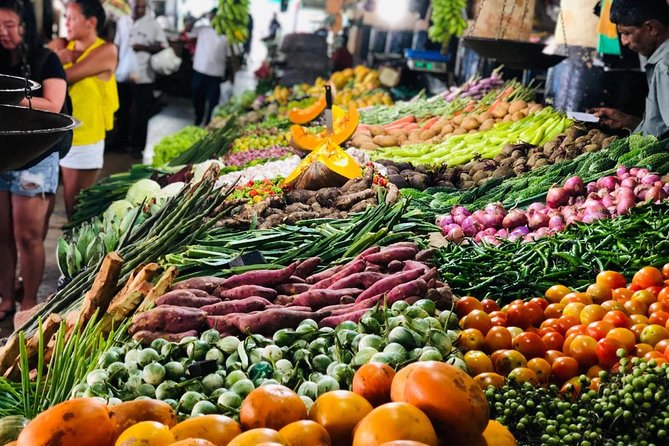
Sri Lankan food makes the most sense when you see the ingredients before they reach the cooking pot. With Wasantha, you visit a vegetable market and fish market, choose what to cook, then learn how coconut milk, spices, rice, and five curries come together in a family kitchen.
I especially like the market shopping and the chance to choose unfamiliar fruits or vegetables yourself. I also like the generous, practical teaching, including how to get fluffy rice and make fresh coconut milk. The main consideration is that the class may feel more like a demonstration than a hands-on lesson, especially if you want to do every step yourself.
Key points
- Two market visits: Shop for vegetables and fish before cooking, with Sam or Sasa sometimes helping guide the market visit.
- Five curries from scratch: Prepare four vegetable curries plus tuna or chicken, with dishes such as dhal, pumpkin, pineapple, aubergine, onion, and tuna possible.
- Fresh coconut milk: Learn a basic Sri Lankan kitchen skill that changes the texture and flavor of curry.
- Small group size: Numbers are limited to 10 people, keeping the experience more personal than a large demonstration.
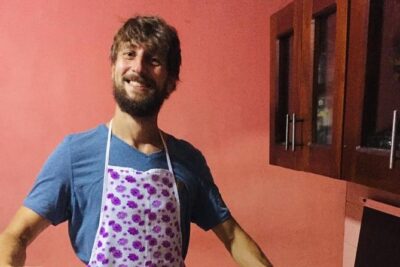
- A family kitchen setting: Wasantha, her mother, children, and other family members may all contribute to the meal.
- Lunch and recipes included: Eat the food you helped prepare, and receive recipes to try at home.
Starting in Unawatuna with a tuk-tuk to the market
The experience begins at 10 a.m. at Wasantha’s Sri Lanka Cuisine on Yaddehimulla Road in Unawatuna. From there, the group heads by tuk-tuk toward the markets near Galle. Transport is included in the $30 price, which matters because the morning is not simply a cooking lesson at one fixed address.
The first stop is the Dutch Market, where you look at the produce and help decide what will go into the meal. This is one of the best parts of the morning because it gives you a useful connection between Sri Lankan shopping and Sri Lankan cooking. Instead of receiving a fixed menu with ingredients already measured, you see the raw materials and make choices with the group.
You might select vegetables or fruit that are unfamiliar at home. Possible dishes have included pineapple curry, pumpkin, dhal, aubergine and onion, and a special avocado curry. The exact menu can change according to what is available and what the group chooses, so you should expect a genuine market-based meal rather than a completely fixed cooking script.
Sam, Wasantha’s husband, may lead the market visit. He is also described as a tour guide, so the ride and shopping portion can include useful information about local food and Sri Lankan travel. On other occasions, Wasantha’s daughter Sasa has led the market visit and cooking session.
Other cooking classes around Galle:
- Sea waves sri lankan cooking class
★ 5.0 · 467 reviews - Galle Unawatuna Cooking Class
★ 5.0 · 142 reviews - Galle Fort cooking class
★ 5.0 · 60 reviews
Why the market visit adds real value
A market stop can easily become a quick sightseeing detour, but here it has a clear purpose. You are choosing the ingredients that will later appear on your plate. That makes it easier to understand why Sri Lankan curries can taste so different from one another even when they use some of the same spices.
You also get a chance to ask how to judge produce and select ingredients. That is a more useful lesson than simply walking past colorful stalls while a guide names a few items. If you enjoy food shopping, this part alone may be worth the early start.
The market portion is not a polished food tour with a long script. One account describes the commentary as lacking energy, so the quality of this section may depend on who leads it and how much you ask. I would treat it as a practical shopping trip with local help, not as a formal lecture on Galle’s markets.
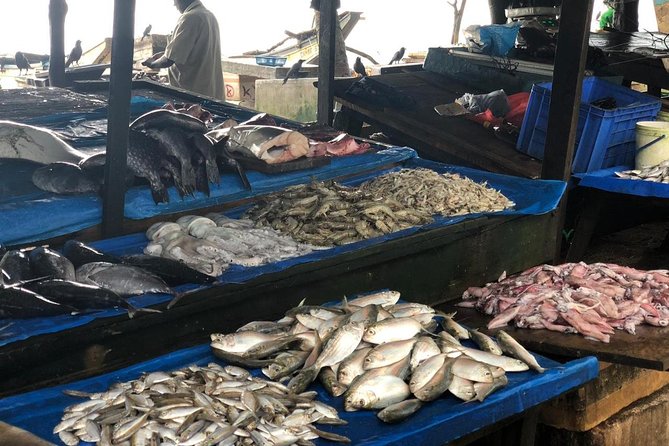
After choosing the produce, the group visits a fish market. Fresh tuna is one possible choice, though chicken can be used instead. This gives you a simple way to compare a seafood curry with the vegetable dishes and see how the same kitchen handles different main ingredients.
Back at Wasantha’s kitchen
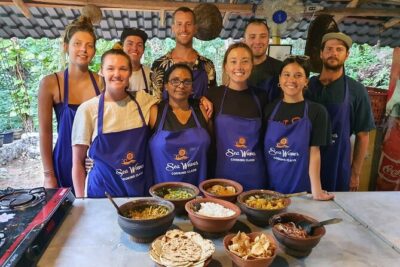
After the market visits, you return to Wasantha’s restaurant and home area in Unawatuna. The cooking takes place in a family setting, and several members of the household may take part. Wasantha’s mother, daughter, and son have all been part of the experience at different times, which gives the class a warm, lived-in feel.
This is not a large cooking school with rows of individual workstations. That is part of its appeal, but it also explains the main criticism. Some people have found that they mostly watched Wasantha cook, with limited cutting or preparation for the group.
You may help prepare vegetables, fruit, and other ingredients, but you should not book this expecting four hours of constant hands-on work. If you want to chop, fry, season, and plate every dish yourself, ask about the level of participation when you book. If you prefer to watch a skilled local cook closely and learn by following her methods, the format may suit you well.
Wasantha’s teaching style is based on long experience and instinct. She may add spices by smell rather than measuring them exactly, while still explaining what she is doing. That is valuable for understanding how home cooks work, though it can be harder to copy than a recipe with precise spoonfuls.
Five curries, rice, and the essentials of coconut milk
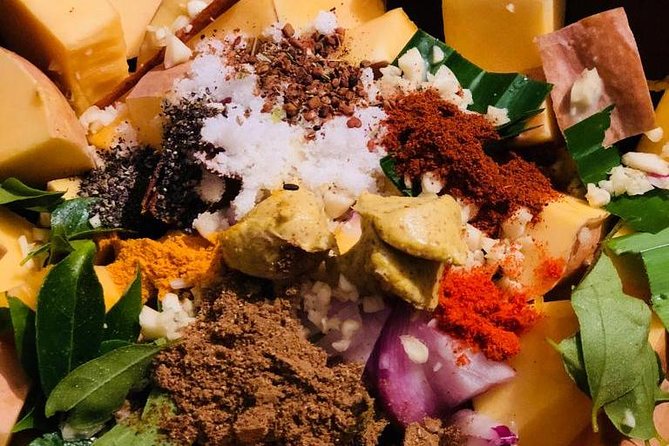
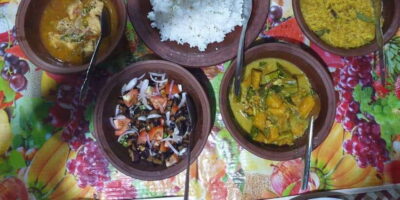
The central lesson covers five different curries, generally four vegetable curries and one tuna or chicken curry. The range is what makes the meal feel substantial. You are not learning one coconut curry in five slightly different forms. The dishes can include sweet, earthy, creamy, and savory flavors, depending on the ingredients chosen.
Possible combinations include dhal, pineapple, pumpkin, aubergine with onion, and tuna. A signature coconut sambol may also appear, and one account describes learning a special avocado curry. The final selection is not guaranteed, since the market choices shape the menu.
The rice lesson is especially practical. Many people can make rice, but getting it fluffy and properly cooked alongside several curries is another matter. Wasantha explains the Sri Lankan method so you can avoid the sticky or undercooked results that often spoil an otherwise good meal.
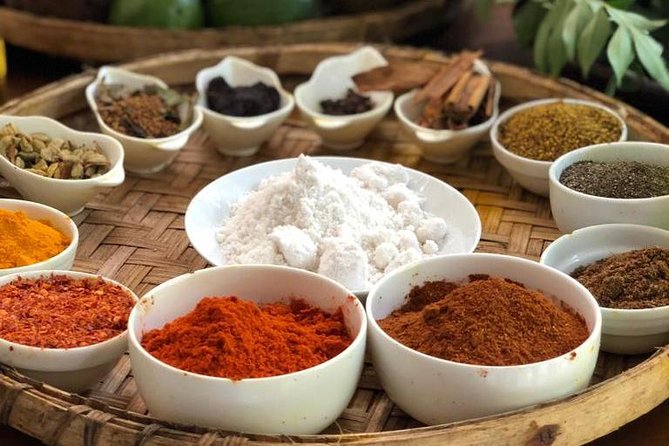
Making fresh coconut milk is another strong point. You learn how an important base ingredient is prepared rather than relying only on canned coconut milk. That skill helps explain why Sri Lankan curry can have a softer, fresher texture and a different taste from a quick restaurant version.
You also learn how local herbs and spices are blended. The useful part is not only the list of ingredients. It is seeing how a cook balances them, changes the amount, and adjusts the dish to suit the food in front of her.
Same base, a completely different day:
- Whales and Dolphins Watching-Luxury Super Grade Cruiser(Hotel Pick up offered)
★ 5.0 · 1,268 reviews - Galle: Traditional Gems & Jewellery Workshop with Transfers
★ 4.9 · 539 reviews - Galle Fort Walking tour
★ 4.9 · 285 reviews - Snorkeling with Turtles in Mirissa
★ 5.0 · 268 reviews
A family meal at the end of the lesson
When the cooking is finished, the dishes are served buffet style and eaten together. The meal is part of the class, not an optional extra after the main event. You get to taste the results while the techniques are still fresh in your mind.
Eating with your fingers, the local way, is part of the experience. You can take small portions of several curries and see how they work with rice. This is also when the lesson becomes more than a list of recipes. The food is shared in a relaxed family setting, often with stories and conversation.
The meal can be large. The combination of rice, five curries, sambol, and other dishes may be enough that you do not want a full dinner later. That is useful to know if you are arranging the rest of your day around the class.
The family atmosphere is one of the most praised parts of the experience. Wasantha’s warmth and care come through strongly, and family members may join the cooking or lunch. One particularly generous detail is that an accompanying family member who arrives later may be invited to join the meal, though you should not assume this is always possible.
What you take home besides a full stomach
The recipes are an important part of the value. Participants have received 21 recipes, giving you far more to work with than the five dishes prepared during the class. Wasantha also invites follow-up questions when you try the recipes at home.
That makes the $30 price quite reasonable. You receive approximately four hours of transport, market visits, instruction, food, and recipes. The meal alone would be a good part of the price, but the market shopping and cooking guidance add the cultural context that a restaurant lunch cannot provide.
The strongest value comes if you intend to cook Sri Lankan food after returning home. You will leave with a better idea of how to use coconut milk, how to cook rice, how vegetables behave in curry, and how spices are adjusted. If you only want a quick meal and a few photographs, a regular restaurant will be simpler and cheaper.
The recipe format may not be as exact as a Western cookbook. Since Wasantha often cooks by sight, smell, and experience, you may need to ask questions and take your own notes. That is not a fault, but you should pay attention during the demonstration rather than relying only on the printed recipes.
Group size, timing, and comfort
The maximum group size is 10 people. That is small enough for questions and conversation, though the amount of hands-on work will still depend on how the class is organized that day. A smaller group usually gives you a better chance to ask about ingredients, spice levels, or substitutions.
The activity lasts about four hours and ends back at the meeting point. The 10 a.m. start gives you time for both markets and a full lunch before the afternoon is over.
The experience is near public transportation, and service animals are allowed. The activity requires good weather because the market visits involve outdoor travel. If poor weather cancels the class, you are offered another date or a full refund.
You can cancel for a full refund up to 24 hours before the start time. Cancellations or changes made within 24 hours are not refunded or accepted, so keep that deadline in mind when arranging your Galle and Unawatuna plans.
Who will enjoy this cooking class most
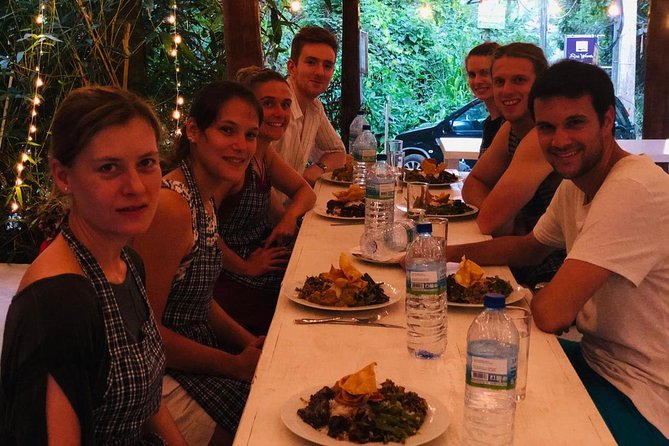
I would choose this experience if you want to understand Sri Lankan home cooking rather than simply eat it. It is especially suitable for people who enjoy markets, family-run experiences, and learning the logic behind a cuisine.
It also works well for families. Children can take part in selected preparation tasks, and the family setting may feel more relaxed than a formal school. Participation levels can vary, so it is worth explaining if your group wants more active cooking.
Food-focused visitors will appreciate the menu choices and the chance to try ingredients that may not be common at home. The option of tuna or chicken also helps if someone in your group does not eat fish.
I would hesitate only if your main goal is a strictly hands-on class with each person cooking an individual dish. The best way to think of this experience is a traditional cooking demonstration with meaningful participation, market shopping, and a shared meal. Some sessions may offer more active work than others.
Should you book Cook with Wasantha?
At $30, this is a strong-value introduction to Sri Lankan food in the Galle and Unawatuna area. The combination of two markets, tuk-tuk transport, five curries, coconut milk, rice, a full lunch, and recipes gives you a lot for half a day.
Book it if you want a personal family setting and a taste of how Sri Lankan meals are made at home. Go in expecting to watch as well as cook, and you are more likely to enjoy the relaxed format.
If you want a precise, chef-school lesson with every participant working continuously, choose a different class or confirm the hands-on format first. For most food lovers, though, Wasantha’s blend of shopping, cooking, family conversation, and a generous final meal makes this one of the better ways to spend a morning near Galle.
FAQ
Where does Cook with Wasantha begin?
The experience begins at Wasantha’s Sri Lanka Cuisine, 180/A Yaddehimulla Road in Unawatuna, Sri Lanka.
What time does the cooking experience start?
The stated start time is 10 a.m.
How long does the experience last?
The activity lasts approximately four hours and ends back at the meeting point.
How many people can join?
The group is limited to a maximum of 10 people.
What food will I learn to cook?
You learn to make fresh coconut milk, Sri Lankan rice, four vegetable curries, and a tuna or chicken curry. Possible dishes include dhal, pineapple, pumpkin, aubergine with onion, tuna, coconut sambol, and avocado curry.
Is transportation included?
Tuk-tuk transportation between the meeting point and the markets is included in the experience price.
Can I cancel for a refund?
Yes. You can receive a full refund if you cancel at least 24 hours before the local start time. Cancellations within 24 hours are not refunded.
Just added around Galle
- Bentota: All Inclusive Galle Dutch Fort & Madu River Safari★ 4.2 · 6 reviews
- GO WILD! Double Safari Day Trip (Yala & Udawalawe) – Private & All Inclusive★ 5.0 · 23 reviews
- Mirissa/Weligama/Galle/Tangalle: Drop to Ella & Yala Safari★ 4.8 · 27 reviews
- Sinharaja Rainforest Private & Customize Tour★ 4.6 · 38 reviews
- Sinharaja Rainforest Private Half Day Tour with Licensed Guide★ 5.0 · 39 reviews
- Surf lesson in weligama by surf and stay Srilanka .★ 5.0 · 95 reviews
- Galle Fort and City Cycling Tour – Choice of E-Bike or Manual★ 5.0 · 28 reviews
- Galle : Traditional Jewellery making workshop★ 4.9 · 34 reviews
Cooking Classes, compared.
Organic cooking class sigiriya (kumara & family)
Read our review →
Sri Lankan Cooking Class with Neranji at Homestay
Read our review →
Browse the lists this tour appears in