
Reviewed · COOKING CLASSES
Ella: Sri Lankan Cooking Class with Neranji at Homestay
Sri Lankan cooking makes the kitchen do the talking: a few fresh vegetables, coconut, curry leaves, and carefully balanced spices become a full rice-and-curry feast. At Neranji’s home in Ella, you help prepare the meal rather than simply watch a demonstration, then sit down to eat what you have made.
I like the hands-on format, which can include washing rice, making coconut milk from scratch, preparing several curries, and shaping coconut roti. I also like the personal touch: Neranji explains how to adapt ingredients for Western supermarkets and can share the recipes so you can cook the meal again at home.
The main consideration is that transportation is not included, and the meeting point can vary by booking option. Anyone with food allergies should also choose another activity, as this class is specifically listed as unsuitable for people with food allergies.
Key points before you book
- Cook in Neranji’s home kitchen: This is a local family experience, not a polished restaurant demonstration.
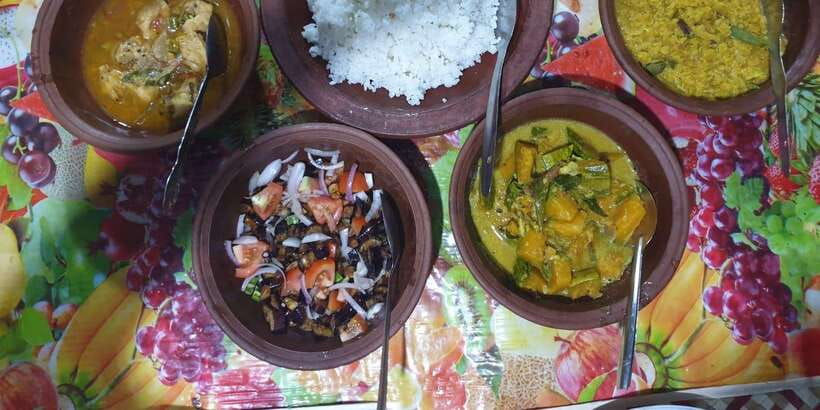
- Prepare a full spread: Dhal, pumpkin, potato, fish, chicken, eggplant salad, sambols, papadom, and roti may be included.
- Ask ahead for special dishes: Banana flower, jackfruit, mango, sweet onion, and coconut roti require ingredients to be arranged 24 hours in advance.
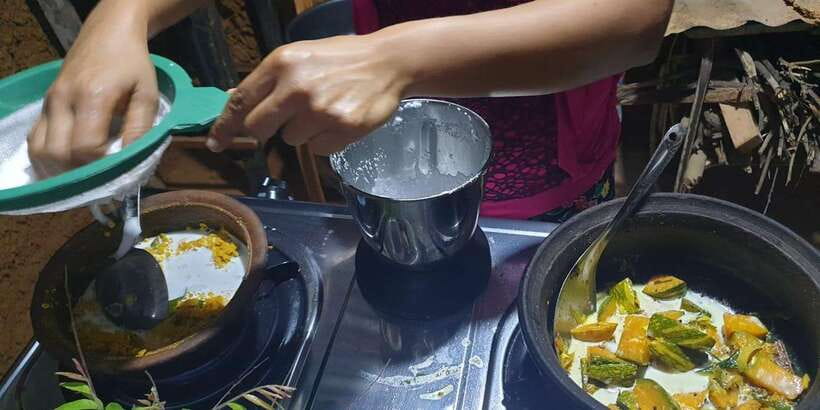
- Learn old cooking methods: You may see rice cleaned by hand and coconut milk made from fresh coconut.
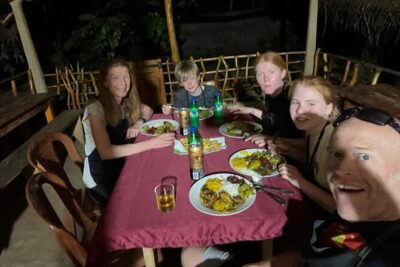
- Eat the food you prepare: The class ends with a shared meal, often after a little more than two hours.
- Good value at $19: You receive instruction, food, recipes, and spices to take home, but must arrange your own transport.
A real Sri Lankan kitchen in Ella
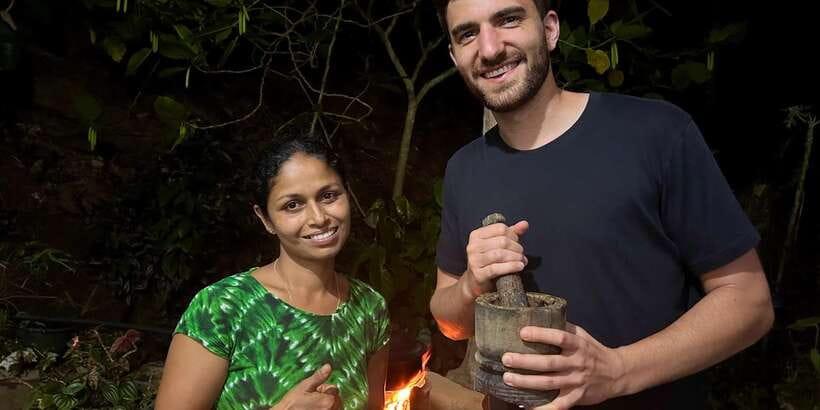
The setting is one of the main reasons to choose this class. You meet Neranji in her home in Ella, where cooking is part of daily life rather than a staged performance for tourists. Some sessions take place in an outdoor kitchen, with views from the cooking area and a relaxed family atmosphere.
That setting changes the feel of the lesson. You are not only learning that Sri Lankan food uses coconut, spices, and fresh produce. You are seeing how those ingredients work together in a household kitchen. Neranji also shows traditional techniques alongside modern methods, which makes the class useful for home cooks with ordinary equipment.
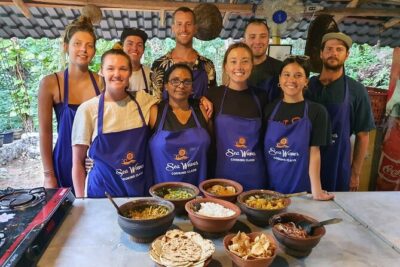
The class is led in English and Sinhalese. English-language instruction is available, and the practical demonstrations are supported by hands-on preparation. Group size is limited to 10, though the actual number can vary. One recent session included 12 people, so I would check the confirmed group size if a small class matters to you.
Other cooking classes around Ella:
- Ella: Traditional Sri Lankan Cooking Class
★ 4.9 · 788 reviews - Ella : Cooking class with amazing Spice Garden Tour
★ 5.0 · 239 reviews - Ella Sri Lanka : Mom’s Kitchen Cooking class
★ 5.0 · 113 reviews
What you cook during the two to three hours
There is no single fixed menu stated for every session. Instead, you choose from a range of Sri Lankan dishes, with seasonal produce shaping what is available. This is good news if you want to focus on vegetables or learn the basics of rice and curry, but it means you should not book expecting one guaranteed set of recipes.
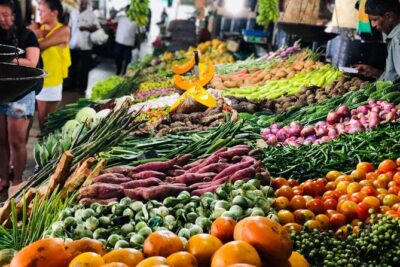
A typical selection can include three curries and a salad. Potato, dhal, pumpkin, beans, fish, and chicken curry are among the familiar choices. You may also prepare eggplant salad, carrot sambol, coconut sambol, and papadom.
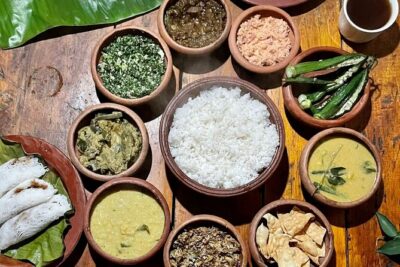
The menus are especially useful for showing how a Sri Lankan meal is built. One curry gives you a soft, mild base. Another brings sweetness or heat. A sambol adds freshness and texture. The result is not one large dish with every flavor mixed together, but a plate made from several small, distinct parts.
Vegetarian and vegan cooking is welcomed, according to the experience details and participant feedback. If you do not eat meat, you can still learn a broad range of dishes, including dhal, pumpkin curry, eggplant salad, sambols, and roti.
Fish and chicken curry are also available for those who want to learn how Sri Lanka handles meat and seafood. Since ingredients are seasonal and the menu is chosen from several options, tell the provider what you want when booking or as early as possible.
The special dishes need advance notice
Neranji offers several less familiar dishes that make this class particularly interesting. These include banana flower curry, jackfruit curry, sweet onion curry, mango curry, and coconut roti.
Do not leave these choices until the day of the class. The ingredients for the special dishes need at least 24 hours to arrange, so contact the provider by email or mention your preference when you book.
I would especially consider the banana flower or jackfruit curry if you have already eaten the usual dhal and potato curry elsewhere in Sri Lanka. These dishes offer a different look at local cooking and give you something less likely to appear on a standard restaurant menu.
Coconut roti is another smart choice. It is approachable, filling, and easy to try again at home. The class can show you how coconut changes the texture and flavor of a simple flatbread, while also giving you a practical recipe for your own kitchen.
Spices, coconut milk, and the small details
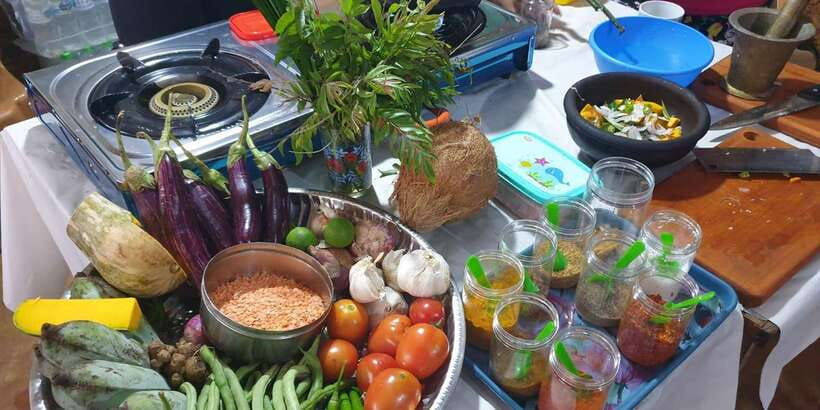
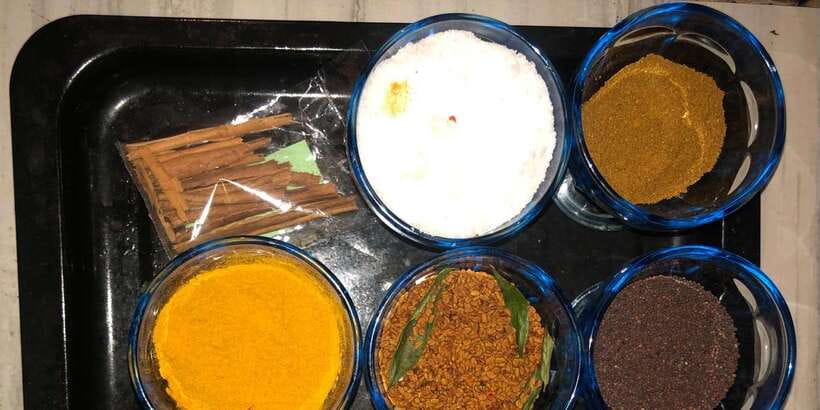
The best part of a cooking class is often not the recipe itself. It is the little decision that makes the dish work. Neranji explains the spices and ingredients used in Sri Lankan cooking, along with the preparation methods behind them.
You may learn how the same basic ingredients can produce very different curries depending on how they are prepared. Timing matters. The order of the spices matters. So does the amount of coconut, the way vegetables are cut, and how much heat you use.
Several sessions have included traditional steps such as cleaning rice and making coconut milk from scratch. These are useful lessons because they connect the finished meal with the ingredients before they reach the pot. You also get a better sense of why fresh coconut plays such a major role in Sri Lankan food.
Neranji can explain which local ingredients have Western supermarket substitutes. That advice makes the class more practical than a lesson that depends on ingredients you cannot find at home. You can ask how to recreate the flavors with what is available in your own country.
The spice lesson is not just a list of names. You learn how spices fit into a dish and how to adjust the heat to suit your taste. One participant noted that Neranji adapted recipes to different spice preferences. That is worth keeping in mind if you enjoy the flavor of curry but do not want a very hot meal.
Same base, a completely different day:
- Ella: Drop to Tangalle/Hiriketiya/Mirissa/Galle & Yala Tour
★ 4.9 · 518 reviews - Ella: Little Adam’s Peak, Nine Arches Bridge & Waterfalls
★ 4.9 · 402 reviews - ELLA: Drop to Tangalle/Hiriketiya/Mirissa/Galle & Yala Tour
★ 4.1 · 336 reviews - From Ella: Drop to Tangalle/Hiriketiya/Mirissa & Yala Safari
★ 4.8 · 296 reviews
You are part of the cooking, not just watching
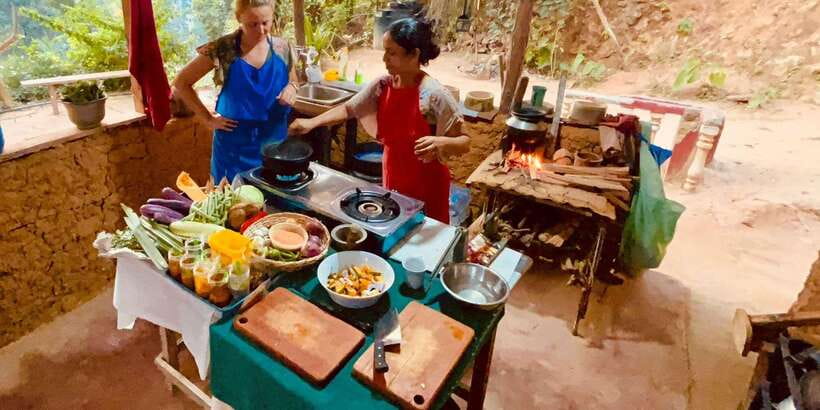
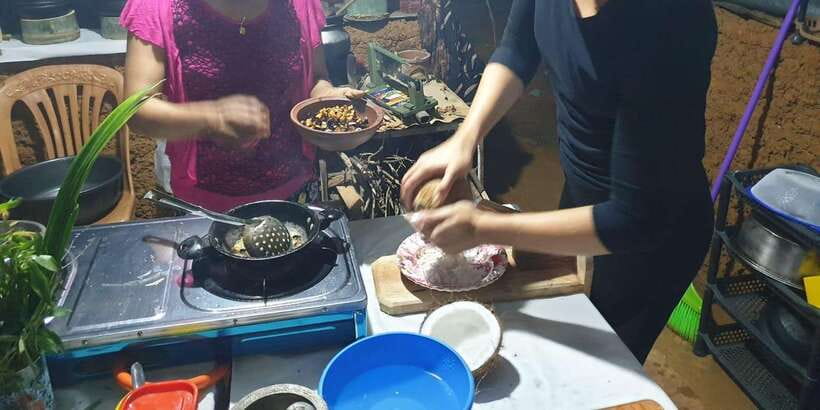
The class is designed around participation. You help chop, prepare, stir, and assemble the dishes, with Neranji guiding the process. The exact jobs depend on the group and menu, but you should expect to work alongside other people rather than receive a private cooking demonstration from start to finish.
That shared work is part of the appeal. It gives you something to do while learning, and it makes the final meal feel earned. It also creates an easy way to meet people staying in and around Ella. After the cooking, the group sits down together and eats the finished spread.
The pace is generally relaxed. A session can last a little over two hours, while the advertised duration is two to three hours. A morning start can lead naturally into lunch, while an evening class becomes dinner. Check the available starting time when booking.
If you want a quiet, private lesson with one instructor focused only on you, this may not be the right choice. The small-group setting is friendly and social, but the attention must be shared. For most people, that is part of the fun.
The meal at the end is more than a tasting
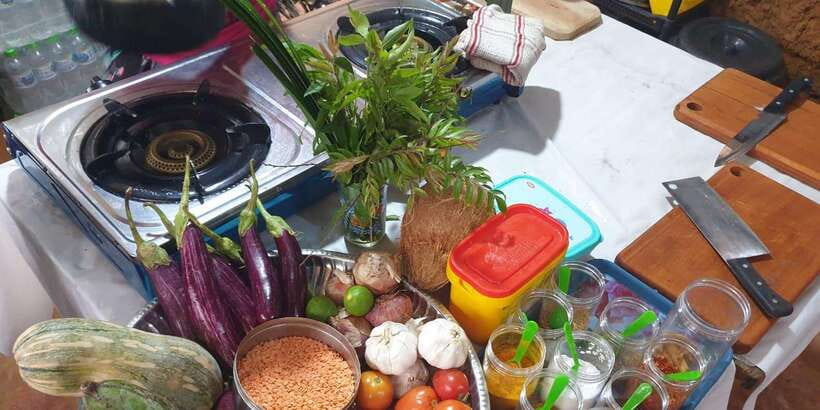
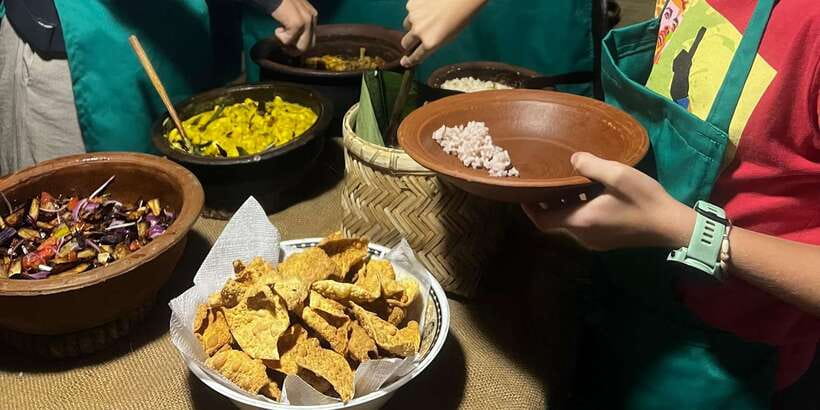
The class ends with a proper meal, not a token sample. You eat the curries, salads, sambols, and breads prepared during the session. Several dishes are usually made, so the final plate gives you a clear sense of how the flavors work together.
This matters when you are deciding if the $19 price is fair. You are paying for instruction, ingredients, a full meal, recipes, and special spices to take home. You are also spending time with a local family and supporting a female-run business. Compared with paying separately for a meal and a short demonstration, the value is strong.
The food itself is central to the experience. Fresh seasonal produce is used, and the class explains how to balance spices rather than simply handing you a finished plate. You can taste the difference between a curry prepared with fresh coconut milk and one made with a ready-made substitute.
The shared meal also gives you time to ask final questions. If you want the recipe for every dish, ask Neranji directly. She has shared recipes through WhatsApp, and the experience includes recipes for the dishes prepared during the class.
Why the home setting adds value
A cooking lesson in a restaurant kitchen can teach technique, but a homestay class gives you more cultural context. You learn how food fits into family life and how traditional methods can sit alongside modern tools.
Neranji’s husband, Nishantha, is part of the warm family welcome described by the provider and participants. On some occasions, he has helped with transport after a late class. This should not be treated as a guaranteed transfer, since transportation is not included, but it shows the family involvement that gives the activity its personal character.
The home setting also means you should arrive with realistic expectations. This is not a formal culinary school with a professional classroom layout. It is a local kitchen where you may work outdoors, share preparation space, and follow a menu shaped by available ingredients.
For me, that is a strength, as long as you want an authentic home experience. If you prefer a highly structured class with individual workstations, printed menus, and exact timing, you may find the format informal.
Getting there and planning your visit
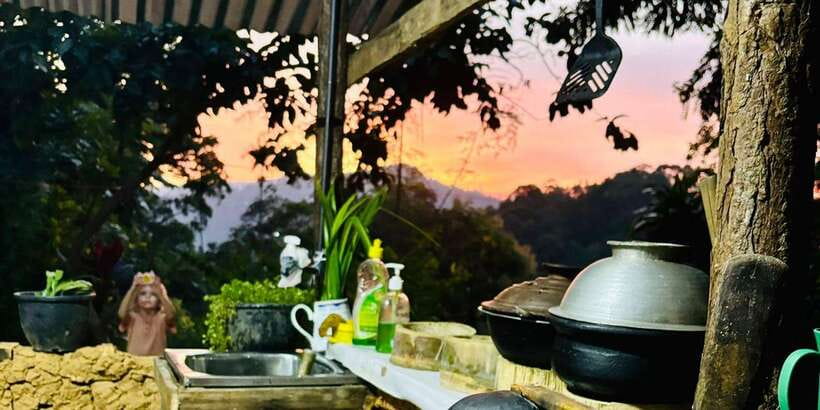
Transportation to and from the cooking class is not included. The meeting point may vary according to the option booked, so confirm the location before setting out. This is especially important for an evening class, when you will want to know how you are getting back to your accommodation.
Allow two to three hours for the full activity. Do not schedule a tightly timed train, sightseeing stop, or other booking immediately afterward. Cooking can take longer when a group is chopping and preparing several dishes, and the shared meal is part of the experience rather than an optional extra.
The class is available at different starting times, depending on current availability. Morning sessions can work well if you want the meal for lunch. Evening sessions turn the activity into a relaxed dinner and social occasion.
Wear something comfortable and practical. The provided information does not specify a dress code or equipment list, so I would avoid bringing anything you would worry about around food preparation. If you have allergies, this activity is not suitable.
Cancellation is flexible up to 24 hours in advance for a full refund, and you can reserve now and pay later. Those terms help if your route through Sri Lanka is still changing.
Who will enjoy this class most
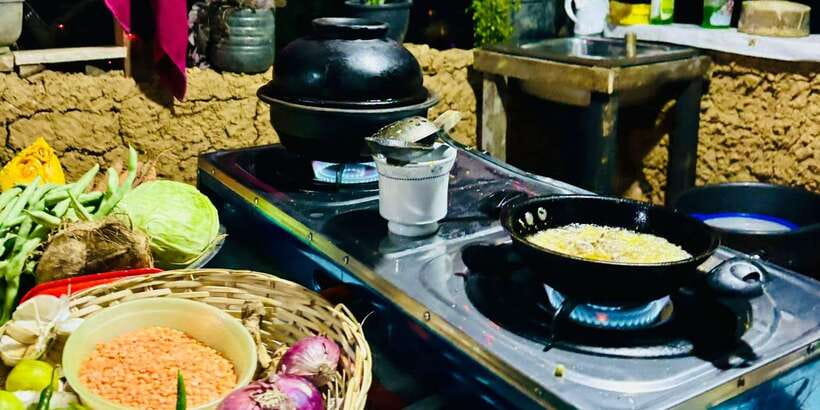
I would recommend the experience to anyone who wants more than a restaurant meal in Ella. It suits cooks who want recipes they can use at home, food lovers curious about coconut and spice, and people who enjoy meeting others while doing something practical.
It is also a strong choice for families and couples. One family of five treated it as a favorite activity in Sri Lanka, and the cooking gives children or first-time cooks a clear role. The menu can include familiar vegetables as well as dishes that introduce new ingredients.
Vegetarians and vegans should find plenty to work with, especially if they confirm their preferences in advance. The broad menu includes several vegetable curries, dhal, sambols, salad, and coconut roti.
I would hesitate only if you have serious food allergies, need a private setting, dislike group activities, or want a guaranteed menu. Also remember that the $19 price does not cover transport.
Should you book it?
Yes, if you want a friendly, useful introduction to Sri Lankan home cooking. The strongest reasons are the hands-on work, the generous meal, the chance to learn traditional methods such as making coconut milk, and the practical recipes and spices you take home.
Book early if banana flower, jackfruit, mango, sweet onion curry, or coconut roti is your priority. Confirm the meeting point and transport plan, and tell Neranji about dietary preferences before the class.
At $19, this is one of the better-value food activities in Ella. You leave with dinner, new cooking skills, recipes, spices, and a clearer understanding of how Sri Lankan flavors are built. If that sounds more appealing than simply ordering another curry, book it.
FAQ
How long does the cooking class last?
The class lasts between two and three hours. Some sessions finish a little over two hours, including the cooking and shared meal.
How much does the experience cost?
The listed price is $19 per person.
Where does the cooking class take place?
The class takes place at Neranji’s homestay and home kitchen in Ella. The exact meeting point may vary depending on the option booked.
Is transportation included?
No. Transportation to and from the cooking class is not included.
What dishes can I learn to cook?
Possible dishes include potato, dhal, pumpkin, beans, fish, and chicken curry, along with eggplant salad, papadom, carrot sambol, coconut sambol, and coconut roti.
Can I request a special dish?
Yes. Banana flower curry, jackfruit curry, sweet onion curry, mango curry, and coconut roti are available by request. You should request these at least 24 hours in advance so the ingredients can be arranged.
Are vegetarian and vegan participants welcome?
Yes. The class can include vegetarian and vegan dishes, and participants have prepared vegetable curries, dhal, salads, sambols, and coconut roti.
Are recipes and ingredients included?
Yes. Recipes for the dishes prepared during the class are included, along with special spices and ingredients to take home.
Can I cancel my booking?
Yes. You can cancel up to 24 hours in advance for a full refund. A reserve-now, pay-later option is also available.
Just added around Ella
- Bentota/Kalutara/Hikkaduwa/Galle/Mirissa: Day Trip to Ella★ 4.7 · 14 reviews
- All Inclusive Ella From/To Kandy Scenic Train Journey★ 3.4 · 11 reviews
- From Ella: Tea Adventure in Haputale with Village Lunch★ 4.8 · 13 reviews
- Ella: 9 Arches Bridge, Little Adam’s Peak, Tea Factory★ 4.3 · 41 reviews
- Ella Day Tour from Kandy with tea factory★ 5.0 · 15 reviews
- Ella, Sri Lanka Cycle Zone Bike Tour★ 4.7 · 8 reviews
- Ella: Little Adam’s Peak and Nine Arch Bridge Half-Day Tour★ 4.8 · 55 reviews
- Ella: Private Ella Rock Sunrise Hike – All Inclusive★ 4.8 · 56 reviews
Cooking Classes, compared.
Organic cooking class sigiriya (kumara & family)
Read our review →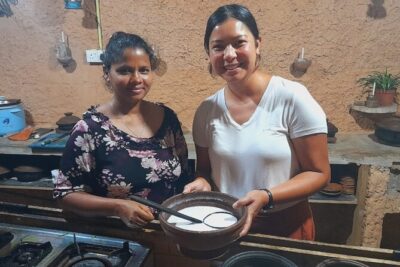

Browse the lists this tour appears in