
Reviewed · COOKING CLASSES
Ella Sri Lanka : Mom’s Kitchen Cooking class
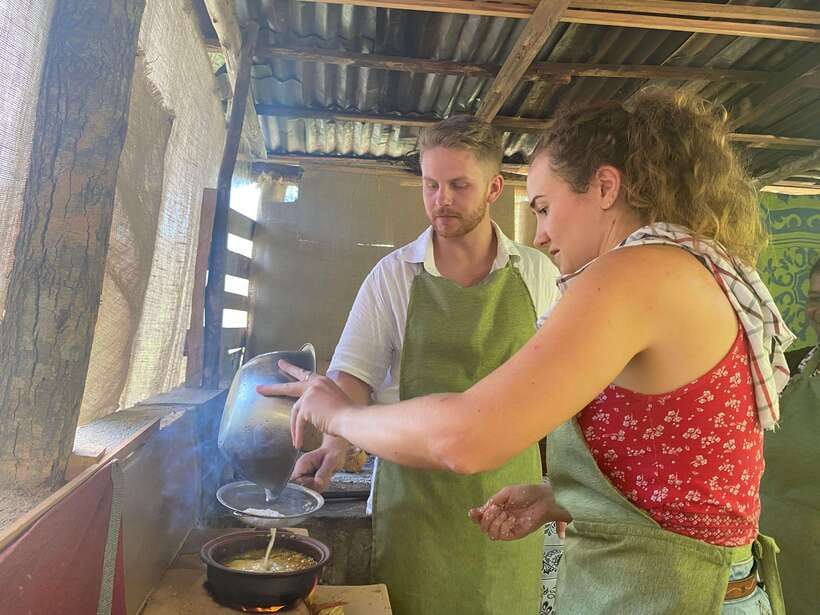
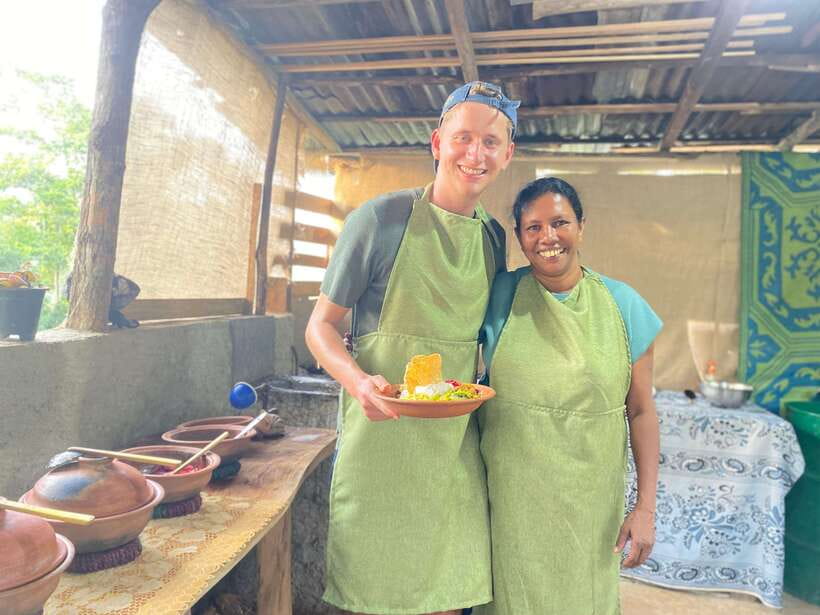
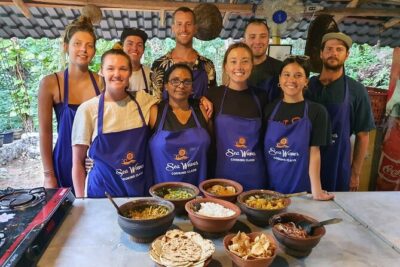
Sri Lankan food makes more sense when you cook it from the ground up. At Mom’s Kitchen, Kamala and her daughter Irosha show you how a few fresh ingredients become several different curries, coconut sambol, rice, and papadum. The cooking takes place in an outdoor kitchen near their home, with views across Ella and traditional tools that give the class a homely feel.
I like the hands-on format, where you chop, peel, grind, season, fry, and cook instead of watching a demonstration. I also like the practical recipes, since the same core spices can produce very different flavors and the instructions are simple enough to use back home. The main consideration is that the outdoor setting can be affected by weather, although one class continued successfully during heavy rain.
Key points at a glance
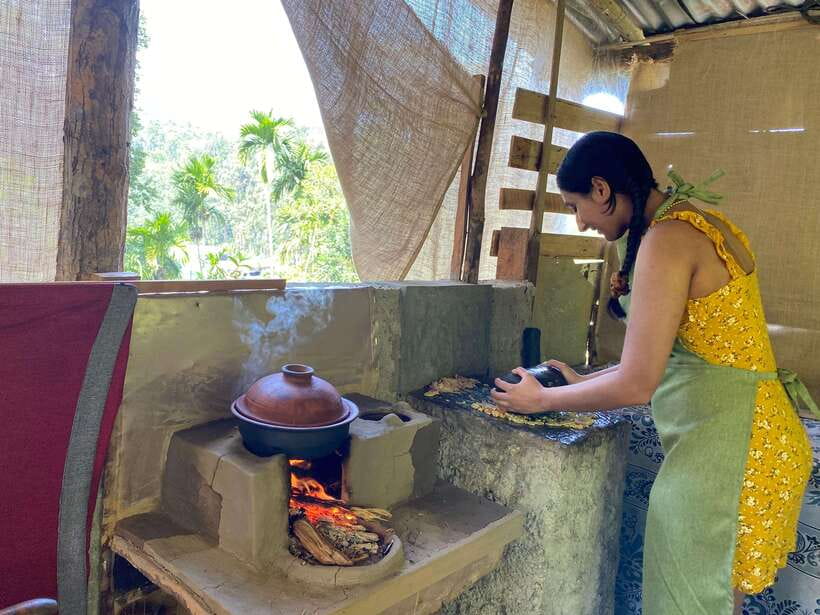
- Cook over fire and gas: Learn traditional Sri Lankan methods, including spice grinding and cooking in an outdoor kitchen.
- Mother-and-daughter hosts: Kamala prepares the food with years of experience, while Irosha explains the steps clearly in English.
- Five or more dishes: Depending on the session, you may prepare several curries, rice, coconut sambol, and papadum.
- Small groups: The class is limited to six people, so you get a real part in the cooking.
- Recipes for home: You receive recipes after the class, including dishes made during the session and additional Sri Lankan recipes.
- A meal with a view: The two-hour class ends with everyone sitting down to eat the food you prepared.
Why this Ella cooking class feels different
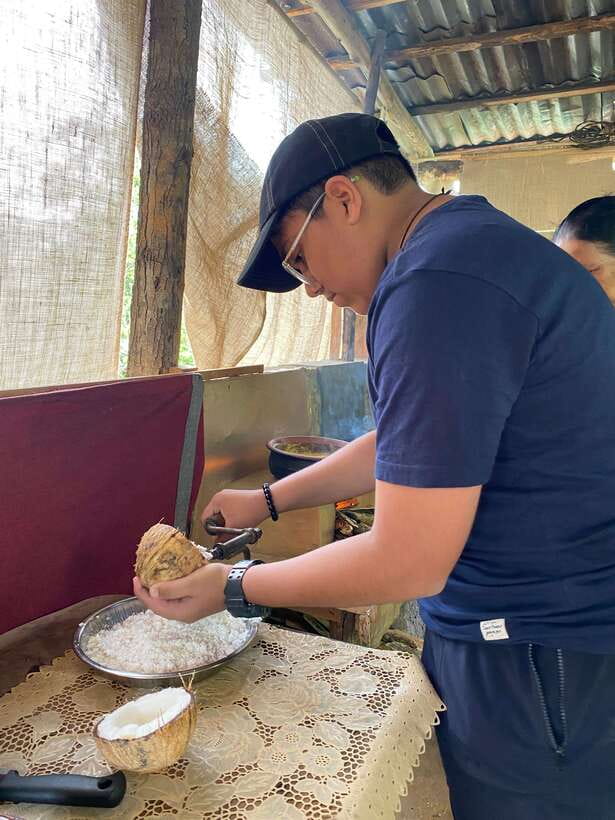
Many cooking classes are set up for watching. This one asks you to help with nearly every stage. You may wash vegetables, chop ingredients, grate fresh coconut, heat oil, grind spices, mix sambol, or cook a curry over a wood fire.
That matters because Sri Lankan cooking is less about one complicated recipe than about how ingredients are handled. You learn how oil is flavored, how spices are ground, and how the same seasoning base changes when paired with beans, beetroot, mango, chicken, or another vegetable.
The setting adds to the lesson. The kitchen is outside, in front of the family home, with views over Ella’s green hills. It is not a polished restaurant kitchen, and that is exactly the point. You see a family-style cooking space rather than a staged culinary classroom.
The class is also personal. Kamala brings the practical knowledge and familiar recipes, while Irosha translates and explains the process. Her English is described as clear, and she has been praised for making the instructions easy to follow.
Other cooking classes around Ella:
- Ella: Traditional Sri Lankan Cooking Class
★ 4.9 · 788 reviews - Ella: Sri Lankan Cooking Class with Neranji at Homestay
★ 5.0 · 276 reviews - Ella : Cooking class with amazing Spice Garden Tour
★ 5.0 · 239 reviews
Meeting Kamala and Irosha
The warm welcome is a major part of the experience. Kamala and Irosha host the class as a family activity, not as a large commercial production. That makes the pace feel relaxed, with time for questions and small corrections as you work.
Irosha is especially useful if you want to understand the reason behind each step. She explains the ingredients, preparation methods, and ways to recreate the dishes at home. Kamala often works from memory, showing the confidence that comes from making these recipes regularly.
The family atmosphere can be a real advantage if you are traveling with children or a parent. A seven-year-old participant was included in the cooking, and a mother and daughter who booked together found the shared format especially fitting. You do not need advanced kitchen skills. The class is designed for ordinary cooks who are willing to take part.
The small-group limit of six also matters. You are not likely to spend the whole class standing at the back of a crowd. Each person can take on a task, although the exact amount of work will depend on the number of people attending and the dishes selected that day.
What happens during the two-hour class
The class begins with an introduction to the kitchen, ingredients, and plan for the session. You get a sense of the tools being used and the role of spices in Sri Lankan cooking before the practical work begins.
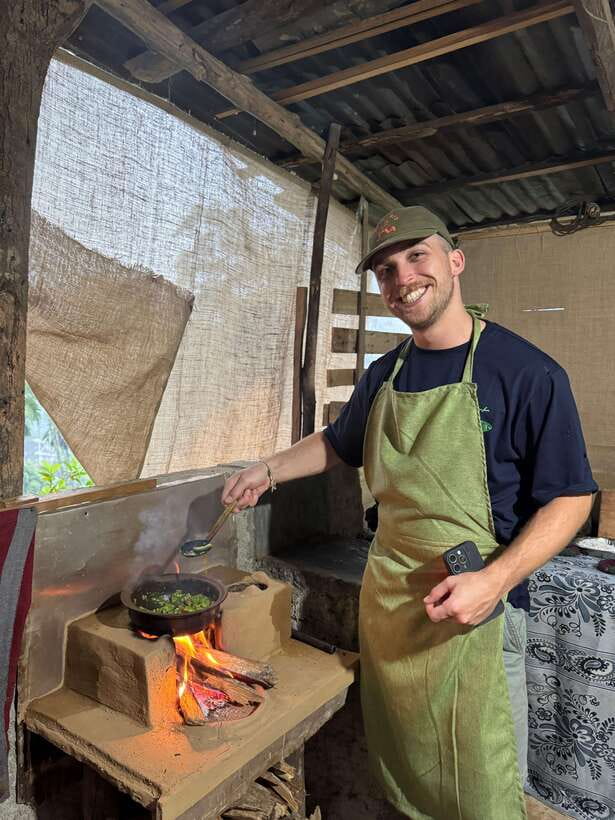
The preparation is deliberately shared. One person might chop vegetables while another peels, washes, or grates coconut. You may also help aromatize oil, fry papadum, grind spices on a traditional stone, or tend a pot over the fire.
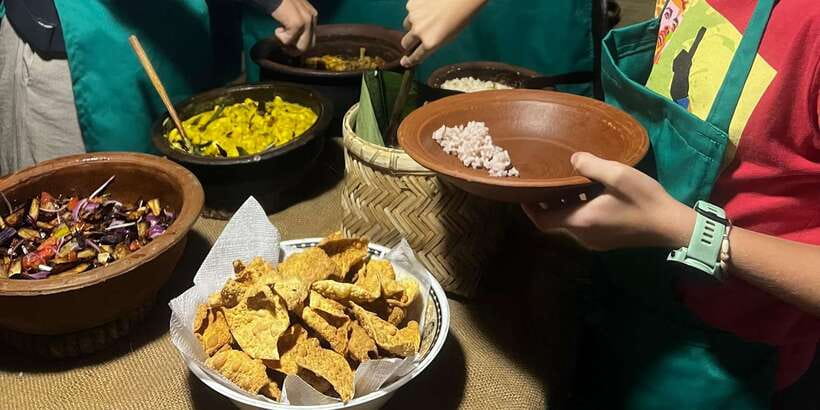
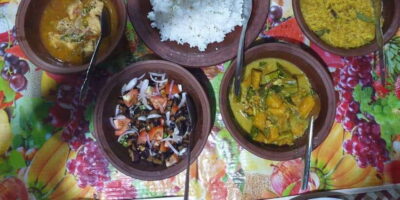
The class has been described as making four, five, or six types of curry, depending on the session. Dishes mentioned include chicken, bean, beetroot, mango, and dhal curries, along with rice, coconut sambol, and papadum. The exact menu is not fixed in the information provided, so you should treat the examples as a guide rather than a promise.
This variety is one of the strongest parts of the experience. You can taste how a common spice mix behaves with sweet mango, earthy beetroot, creamy dhal, or savory chicken. The lesson is not simply how to follow a recipe. It is how to build flavor with a small set of familiar ingredients.
There is also plenty of room for questions. You can ask about spice combinations, cooking times, ingredient benefits, and substitutions that may be easier to find at home. The emphasis is on quick, simple recipes rather than restaurant-style techniques that require specialist equipment.
Traditional tools and simple ingredients
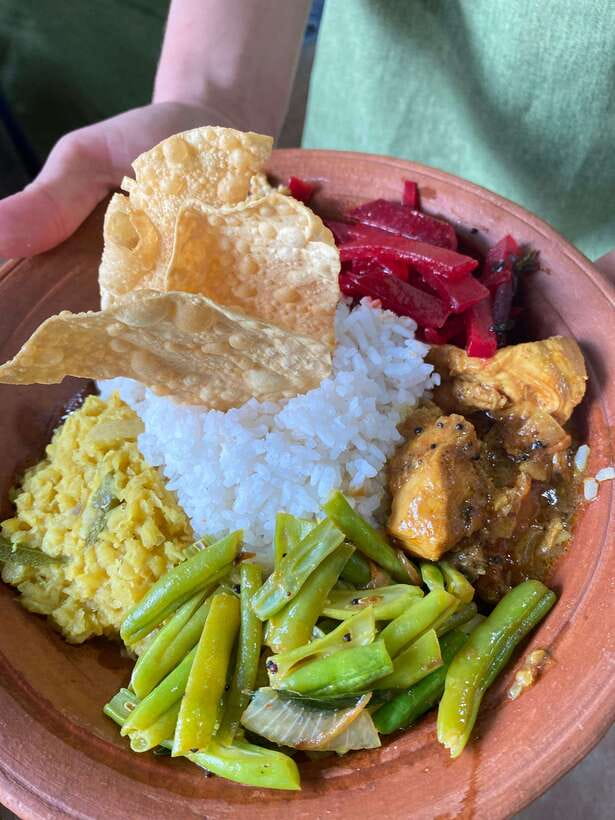
The cooking methods are part of the attraction. Several sessions have included cooking over a wood fire, using gas as well, and grinding spices with a stone tool. Fresh coconut is grated and used for sambol or other parts of the meal.
These details give you a better understanding of how traditional home cooking works. The process can be slower and more physical than opening a packet or using a food processor, but it also shows how much flavor comes from fresh preparation.
The class also demonstrates that Sri Lankan food does not require a long shopping list. Several curries may use the same basic spices while tasting completely different. That is valuable information if you want to cook Sri Lankan food in a small kitchen outside the country.
You should expect the session to be practical rather than technical. You are not being trained as a professional chef. Instead, you are learning a family approach that values fresh produce, careful seasoning, and knowing when a dish is ready.
Same base, a completely different day:
- Ella: Drop to Tangalle/Hiriketiya/Mirissa/Galle & Yala Tour
★ 4.9 · 518 reviews - Ella: Little Adam’s Peak, Nine Arches Bridge & Waterfalls
★ 4.9 · 402 reviews - ELLA: Drop to Tangalle/Hiriketiya/Mirissa/Galle & Yala Tour
★ 4.1 · 336 reviews - From Ella: Drop to Tangalle/Hiriketiya/Mirissa & Yala Safari
★ 4.8 · 296 reviews
The meal at the end
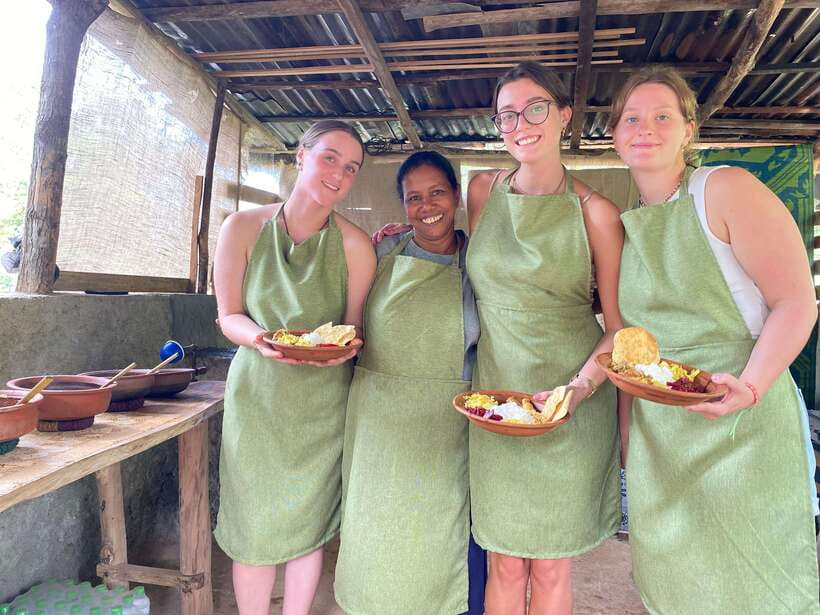
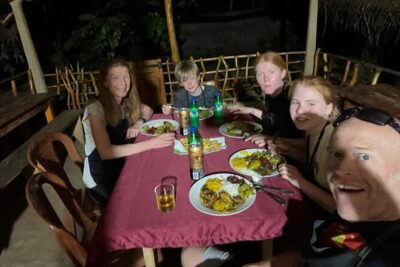
Once the cooking is finished, everyone sits down to eat. This is not a small tasting plate. The portions have been described as generous, with enough food to make the final meal feel like a proper lunch or dinner.
The meal may include the curries you prepared, rice, coconut sambol, and papadum. Because you helped make the dishes, you can identify the steps behind each flavor. A mango curry may taste sweet and fragrant, while a vegetable curry can be sharper or more savory even when the spice base is similar.
The outdoor setting makes the meal memorable. You eat near the cooking area with views of Ella, and some sessions have included birds and a squirrel appearing nearby. Those small details are not guaranteed, but they show how different this can feel from eating in a busy town restaurant.
The food is also a useful test of the class. If you want to recreate it at home, tasting the finished dish helps you understand the intended balance of salt, spice, coconut, and heat. The hosts share recipes afterward, often through WhatsApp, which makes the instructions easier to keep.
The view, setting, and weather question
The kitchen sits outside the main center of Ella, surrounded by nature. That means you trade some central convenience for a quieter place and a better view. If you are hoping for an urban restaurant setting, this may feel basic. If you want a family kitchen with scenery, it is a good match.
The outdoor arrangement is attractive but has one practical weakness: weather. Rain can affect a fire, seating, and the general comfort of the session. One class continued during torrential rain, so the hosts appear prepared to work around changing conditions, but you should still dress for Ella’s weather and avoid arriving in clothing that cannot handle smoke or a little mess.
The information does not specify transport arrangements or a precise meeting point. Check the location details when booking, especially since the kitchen is outside the inner town. One participant appreciated receiving directions in advance, so contacting the hosts if you are unsure is sensible.
What you learn about Sri Lankan flavor
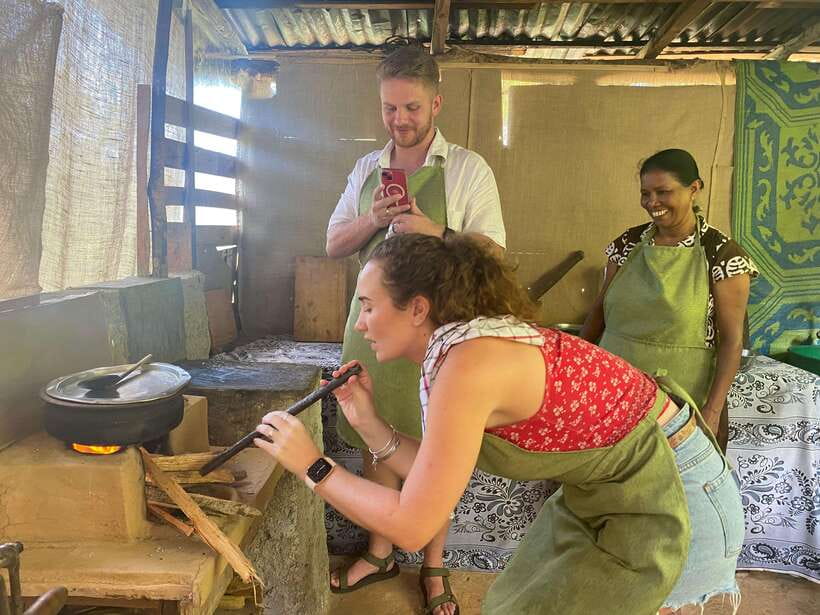
The class gives you a useful framework for understanding Sri Lankan food. You will see how spices are toasted or warmed in oil, how coconut changes the texture of a dish, and how vegetables are treated differently from meat.
The most practical lesson is that simple does not mean bland. A short list of ingredients can produce several distinctive curries when you change the main ingredient, the cooking time, the amount of coconut, or the balance of seasoning.
You also learn that curry is not one fixed dish. The class may present several curries at once, each with its own color, texture, and level of sweetness or heat. That makes the meal a better introduction to Sri Lankan home food than ordering one curry from a menu.
The recipes are designed to be taken home. Several people specifically valued receiving the instructions afterward, and the class focuses on methods that can be repeated without unusual equipment. You may still need to find fresh coconut or Sri Lankan spices in your local area, but the basic approach is meant to be manageable.
Price, timing, and who gets the best value
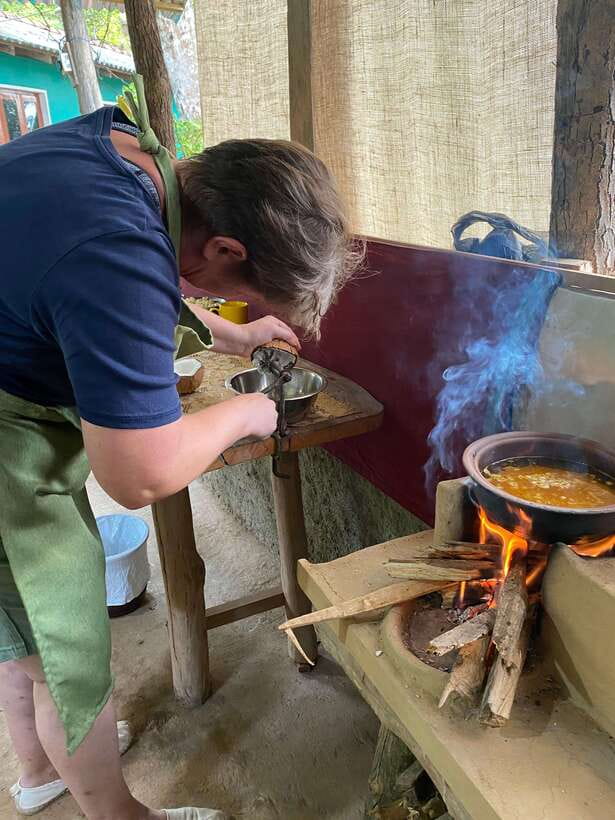
At $20 per person for two hours, the class is fairly priced. The fee includes the cooking instruction, local ingredients, and the meal afterward. Since you may prepare five or more items and receive recipes for future use, the value is better than the price alone suggests.
It is especially good value if you want more than a meal. A restaurant dinner would give you food, but not the chance to learn how the dishes are built or to ask questions while they are being prepared.
The two-hour length is another strength. It is long enough to make several dishes but short enough to fit around sightseeing in Ella. The class is not an all-day commitment, which suits you if you also plan to visit places such as Little Adam’s Peak or explore the town.
The experience is best for people who enjoy participation. If you prefer to sit back and watch someone else cook, you may find the shared tasks less appealing. Families, couples, solo visitors, and small groups can all fit the format, and the hosts have run the class even when only one booking was made.
You can cancel up to 24 hours before the activity for a full refund. A reserve-now, pay-later option is also available, which helps if your plans around Ella are still changing.
Helpful expectations before you book
Bring curiosity and a willingness to work. The class includes chopping, peeling, washing, grinding, frying, mixing, and seasoning, so it is more enjoyable if you are happy to take a turn rather than wait for the hosts to do everything.
Ask about dietary needs before the class if necessary. The hosts have accommodated dietary requests, but the available information does not list a standard menu or specific substitutions.
Expect a family home setting, traditional equipment, and an informal atmosphere. The cooking area has been praised for cleanliness and good food-handling standards, but it is not presented as a modern professional kitchen.
Keep your schedule slightly flexible if possible. The class itself lasts two hours, while the location outside central Ella and any weather changes may affect the overall time needed. The hosts have shown patience with delayed arrivals, but arriving on time is still the considerate choice.
Should you book Mom’s Kitchen?
Book it if you want a personal introduction to Sri Lankan home cooking, especially if you value fresh ingredients, traditional methods, and a meal you help prepare. The mother-and-daughter team, small group size, mountain views, and recipes for home make this more useful than a simple cooking demonstration.
Think twice only if you need a fully indoor, highly polished kitchen or want a fixed menu with guaranteed dishes. For everyone else, $20 buys two active hours, a substantial Sri Lankan meal, and skills you can use after leaving Ella. I would place this high on the list for food lovers, families, and anyone who wants to understand Sri Lankan curry beyond the restaurant plate.
FAQ
How much does Mom’s Kitchen Cooking Class cost?
The class costs $20 per person.
How long does the cooking class last?
The activity lasts two hours.
How many people can join the class?
It is a small-group experience limited to six participants.
What is included in the price?
The price includes the cooking class, locally sourced ingredients, and the meal you prepare.
What food might I prepare?
The menu can include several curries, such as chicken, bean, beetroot, mango, or dhal, along with rice, coconut sambol, and papadum. The exact dishes can vary.
Can I cancel or pay later?
You can cancel up to 24 hours in advance for a full refund. A reserve-now, pay-later option is also available.
Just added around Ella
- Bentota/Kalutara/Hikkaduwa/Galle/Mirissa: Day Trip to Ella★ 4.7 · 14 reviews
- All Inclusive Ella From/To Kandy Scenic Train Journey★ 3.4 · 11 reviews
- Ella: 9 Arches Bridge, Little Adam’s Peak, Tea Factory★ 4.3 · 41 reviews
- Ella Day Tour from Kandy with tea factory★ 5.0 · 15 reviews
- From Ella: Tea Adventure in Haputale with Village Lunch★ 4.8 · 13 reviews
- Ella, Sri Lanka Cycle Zone Bike Tour★ 4.7 · 8 reviews
- Ella: Private Ella Rock Sunrise Hike – All Inclusive★ 4.8 · 56 reviews
- Tuk-Tuk Safari Liptons seat,Tea Fields Hike,TeaFactory Tour★ 4.8 · 46 reviews
Cooking Classes, compared.
Organic cooking class sigiriya (kumara & family)
Read our review →
Sri Lankan Cooking Class with Neranji at Homestay
Read our review →
Browse the lists this tour appears in