
Reviewed · WHALE & DOLPHIN WATCHING
Great Whales Education Programe Dolphins and Whales are in SL
Sri Lanka is famous for blue whales and dolphins, but seeing them from a boat is never guaranteed. This one-hour education program in Matara gives you the background first: where the animals live, how whale watching developed, and what affects a sighting. Ms. A.H. Deepika Kumari leads the session and brings more than 12 years of experience in Sri Lanka’s whale and dolphin watching industry.
I like the small private format, since only your group takes part, and I like the practical focus on boat types, weather, trip length, and viewing methods. Tea, coffee, snacks, and bottled water are included, which makes the $25 price easier to justify. The main drawback is simple: this is an indoor education program, not a whale watching cruise, so you will not be searching the sea for animals during the hour.
Key points to know before booking
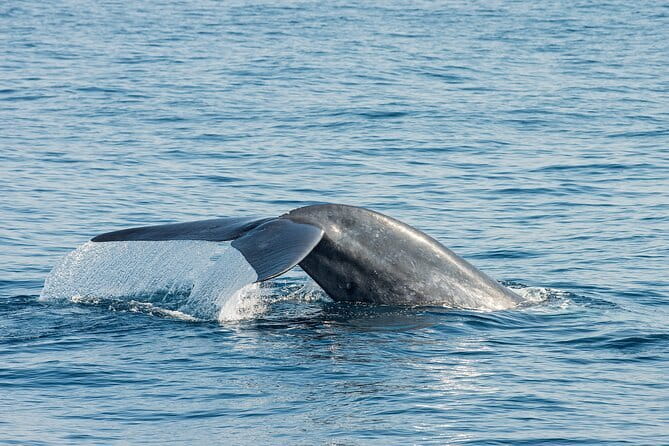
- A one-hour lesson about Sri Lankan marine life: Learn about blue whales, dolphins, local viewing sites, and the development of commercial whale watching.
- Led by Ms. A.H. Deepika Kumari: She was among the early members of Sri Lanka’s whale and dolphin watching industry and has more than 12 years of experience.
- Useful before a Mirissa boat trip: The session covers weather, boats, trip duration, facilities, and methods for watching whales and dolphins.
- Private for your group: This is not a large public lecture. Only your own party participates.
- Refreshments are included: Tea or coffee, snacks, and bottled water are provided without extra charge.
- A practical alternative when boats do not run: Bad weather or poor sightings can spoil a marine safari. This program still gives you a worthwhile hour of learning.
Why this Matara lesson matters before going to sea
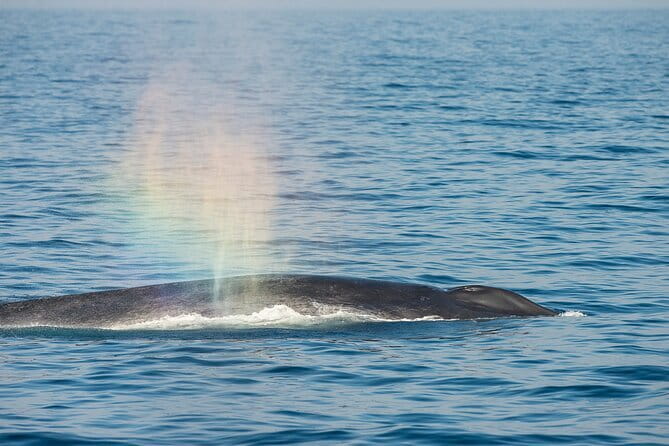
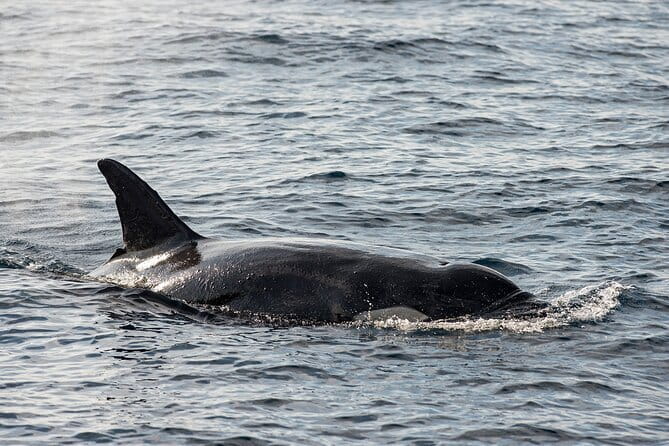
Whale watching is often sold as a simple promise: board a boat, go offshore, and see a blue whale. The reality is less tidy. Sightings depend on weather, sea conditions, animal behavior, and the skill of the boat crew. A boat trip can be exciting, but it can also end without a clear sighting, or with too many people competing for a view.
Great Whales takes a different approach. Instead of treating the animals as a quick photo opportunity, the program explains how whale and dolphin watching works in Sri Lankan waters. You learn why certain points on the south coast attract marine life, which species are commonly seen, and what conditions affect a trip.
That background has real value. If you later visit Mirissa for a boat outing, you will have a better idea of what the operator is promising and what nature can realistically provide. You can also ask better questions about the boat, the length of the trip, the weather forecast, and the facilities offered.
I especially like this approach for families. Children often enjoy whales and dolphins but have little sense of their size, behavior, or place in the sea. An hour of explanation can give meaning to a distant fin or a brief whale blow. It also helps set sensible expectations before anyone steps aboard a boat.
Other boats out to the whales from Galle:
- Whales and Dolphins Watching-Luxury Super Grade Cruiser(Hotel Pick up offered)
★ 5.0 · 1,268 reviews - Whale Watching Mirissa with ( WWC )
★ 5.0 · 252 reviews - Whale Watching Mirissa with Eagle Eye
★ 4.5 · 128 reviews
Meeting Ms. A.H. Deepika Kumari in Matara
The program takes place at No. 12 Paramulla Road in Matara. Matara is about 30 minutes from Mirissa, one of Sri Lanka’s best-known whale and dolphin watching points, and about 15 minutes from Polhena Beach.
That location makes the session easy to add to a south-coast itinerary. You might schedule it before a Mirissa boat trip, after time at Polhena Beach, or on a day when sea conditions prevent a cruise. The program runs daily from 7:00 AM to 7:00 PM during the stated operating period, so you have more flexibility than with a fixed morning departure.
Ms. A.H. Deepika Kumari leads the education program. She is described as one of the first members of the whale and dolphin watching industry in Sri Lanka and has more than 12 years of experience in the field. That matters because her subject is not limited to general animal facts. The session also deals with how whale watching developed locally and what you should expect from an actual boat outing.
The exact balance between explanation and discussion may depend on your group. The format is described as an open conversation, so you can ask about species, viewing conditions, or your own whale watching plans. That is more useful than a fixed speech if you already have questions about Mirissa or another coastal stop.
What the one-hour program covers
The hour is built around several practical topics. You are not simply shown pictures of whales and sent on your way.
How whale watching began in Sri Lanka
The lesson covers the history of commercial whale and dolphin watching in Sri Lanka. This gives you context for the industry you see along the south coast, including the role of places such as Mirissa.
That context is useful because whale watching is not just a private wildlife encounter. It is also a local business involving boat operators, guides, coastal communities, and changing rules or practices. Understanding that setting helps you judge the quality of a trip instead of choosing only by price or departure time.
Same base, a completely different day:
- Galle: Traditional Gems & Jewellery Workshop with Transfers
★ 4.9 · 539 reviews - Sea waves sri lankan cooking class
★ 5.0 · 467 reviews - Galle Fort Walking tour
★ 4.9 · 285 reviews - Snorkeling with Turtles in Mirissa
★ 5.0 · 268 reviews
The main watching points
You learn about the important whale and dolphin watching locations in Sri Lanka. Mirissa is the key point connected with this program, but the discussion is broader than one harbor.
For you, the practical benefit is knowing that a particular beach or port is part of a larger coastal network. If your route includes Matara, Mirissa, Polhena Beach, or nearby areas, the session helps connect the places on your map with the animals found offshore.
Why whales and dolphins visit these waters
The program explains why Sri Lankan waters attract whales and dolphins. It also covers the main common species found in the country’s sea.
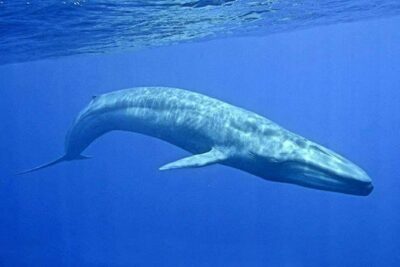
Blue whales receive special attention because Sri Lanka is known for sightings of the largest animal on Earth. Still, the session is not limited to one famous species. You also learn about dolphins and other whales that may appear during a marine trip.
The value here is scale and recognition. Once you know what species to look for, a boat ride becomes more than a search for a generic whale. You can pay attention to size, body shape, surfacing style, and group behavior, even if your view lasts only a few seconds.
Current sightings and trip conditions
The discussion includes current sightings of whales and dolphins, along with the length of a typical watching trip. It also addresses weather conditions and the kinds of boats or yachts used.
This is the most useful part for anyone planning a cruise. Weather can determine whether a boat operates at all. One booking experience recorded in the supplied material took place during a period when live whale and dolphin watching by boat was not operating because of bad weather. In that situation, the education program still provided a planned activity rather than leaving the day empty.
You should not treat the class as a guarantee of better sightings. It does not control the sea or the animals. What it can do is help you understand why a trip may be delayed, canceled, or unsuccessful.
How to watch responsibly
The session discusses methods for live whale and dolphin watching and the facilities provided by boat operators. That gives you a chance to think about more than getting close to an animal for a photograph.
Ask yourself what kind of boat is being used, how long you will be at sea, and what support is available on board. The program is particularly useful if you are new to marine wildlife trips or are arranging an outing for children and older adults.
A private format with time for questions
This is a private activity, meaning only your group participates. That does not necessarily mean a long one-to-one lecture, but it does give you a better chance to ask questions than you would have in a large group.
I would make use of that format. Ask about the species most often seen near Mirissa, how weather affects departures, and what facilities are normally provided on boats. If you have already taken a whale watching trip, you can also discuss what you saw and how the outing compared with the information in the session.
The open discussion is one of the strongest parts of the program. The subject can be adjusted for children, first-time visitors, or people who already have some interest in marine life. The experience is suitable for adults, young people, families with children, and seniors.
The one-hour length also works well. It is long enough to cover the main subjects but short enough to fit around a beach day or another stop in Matara. If your children lose interest quickly, the limited duration reduces the risk of turning the lesson into a tiring obligation.
Tea, snacks, and locally made souvenirs
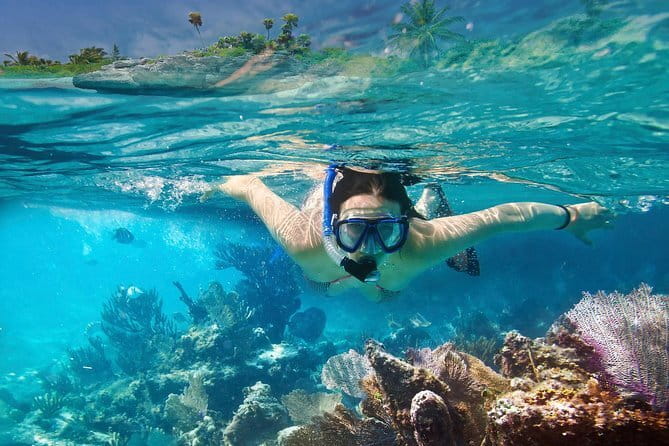
Tea or coffee, snacks, and bottled water are included in the $25 price. These are modest additions, but they make the hour more comfortable, especially if you are fitting the program between other activities.
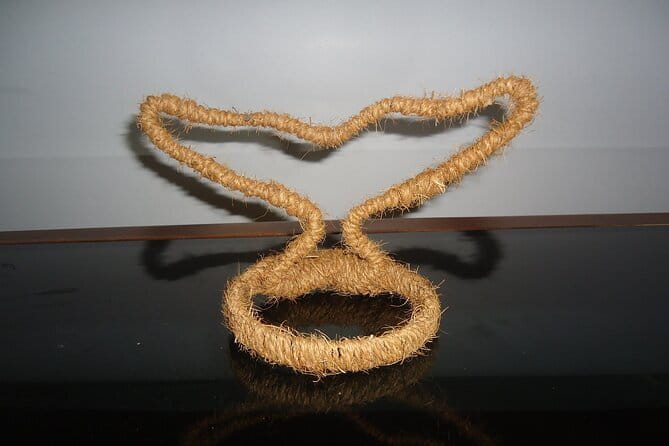
You can also buy locally designed and locally made whale and dolphin souvenirs. That gives the visit a stronger local connection than buying a generic marine-life item at an airport shop. The available information does not specify the exact products or prices, so you should ask on arrival if a particular type of souvenir matters to you.
The refreshments do not transform the program into a meal. Think of them as a useful courtesy during the discussion, not a reason to book by themselves.
Is $25 a fair price?
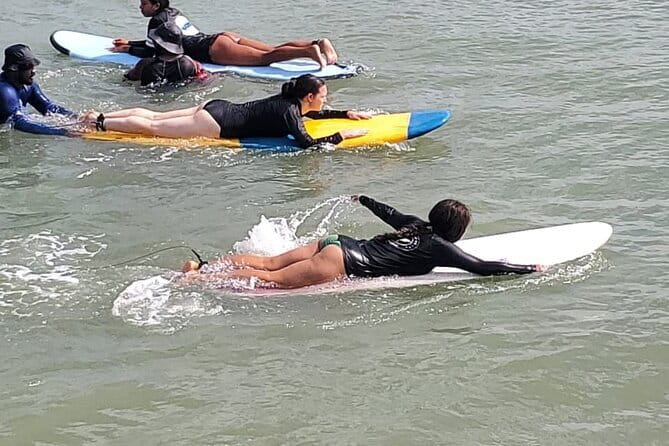
At $25 per person, the program is priced as a focused private educational activity rather than a simple museum entry. The value depends on what you want from your south-coast day.
If your main goal is to see a whale from a boat, this is not a substitute for a sea trip. You would need a separate booking for live whale and dolphin watching in Mirissa, and the price of that outing is not included here.
If you want to understand Sri Lanka’s marine life, prepare for a boat trip, or have a useful plan when weather stops boats from running, the cost makes more sense. You receive an hour with an experienced local guide, refreshments, and a private format. You also avoid paying for a boat trip that may not operate or may return without a sighting, though you should remember that this program cannot replace the excitement of being at sea.
The strongest value comes when you combine it with a wider visit to Matara, Mirissa, or Polhena Beach. On its own, it is a short lesson. As part of a coastal itinerary, it can make your whale watching plans more informed.
What the program cannot promise
You should book this with clear expectations. There is no live animal viewing during the education hour, and there is no stated aquarium, beach walk, boat ride, or wildlife guarantee.
The program also cannot ensure that a later Mirissa trip will find whales or dolphins. Marine animals move freely, and weather can stop operations. One account describes a boat outing with no sightings and another describes a crowded boat with little information about the animals. Those points show why the lesson can be useful, but they also underline its limits.
If you are looking for an action-packed morning, this may feel too quiet. If you enjoy learning, asking questions, and understanding what you are seeing, the slower format is more likely to suit you.
Who should book this Matara experience?
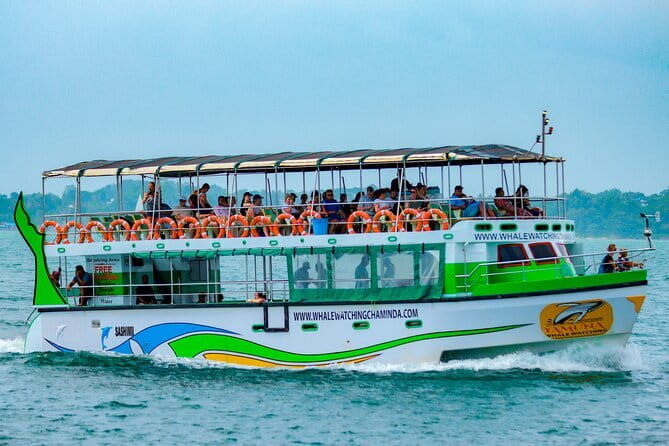
I would recommend it most strongly to families, first-time whale watchers, and anyone staying near Matara or Weligama who wants more context before going offshore. It also suits people who have already taken a boat trip but felt they did not receive enough explanation about the animals.
Seniors may appreciate the short duration and the fact that the activity does not require time on a moving boat. Children can benefit from the clear introduction to whales and dolphins, though parents should decide whether a discussion-based hour matches their children’s attention span.
It is also a sensible option for a poor-weather day. If boats are not operating, you can still spend time learning about the species and the local watching industry. That does not erase the disappointment of missing the sea, but it gives you a worthwhile alternative.
The program is less suitable if you have only a few hours in Matara and want a direct wildlife encounter. In that case, you may prefer to put your time toward a boat outing, with the understanding that sightings are not certain.
Booking, arrival, and cancellation details
The meeting point is No. 12 Paramulla Road, Matara, Sri Lanka, and the activity ends back there. An air-conditioned vehicle is not included, so you need to arrange your own transport to the meeting point.
Confirmation is provided at booking. The activity accepts mobile tickets, service animals are allowed, and it is near public transportation. Most people can participate, but the supplied information does not describe specific wheelchair access or detailed facilities, so you should ask ahead if you have access needs.
The program is listed as operating Monday through Sunday from 7:00 AM to 7:00 PM. Free cancellation is available if you cancel at least 24 hours before the start time. Cancellations or changes made less than 24 hours before the start are not accepted for a refund.
Should you book Great Whales?
Book it if you want a clear introduction to Sri Lankan whales and dolphins, especially before a Mirissa boat trip. Ms. A.H. Deepika Kumari’s long experience, the private format, and the useful discussion of weather and boats give the hour a practical purpose.
Skip it if your only goal is to see an animal in the water. This is a classroom-style program, not a cruise. But if you value understanding what you see, want a backup plan for poor weather, or are visiting the Matara coast with children or older family members, $25 buys a thoughtful and useful addition to your itinerary.
FAQ
How long is the Great Whales education program?
The program lasts approximately one hour.
Where does the activity take place?
It starts and ends at No. 12 Paramulla Road, Matara 81000, Sri Lanka.
How much does the program cost?
The listed price is $25 per person.
Who leads the education program?
Ms. A.H. Deepika Kumari leads the program. She has more than 12 years of experience in Sri Lanka’s whale and dolphin watching industry.
What is included in the price?
All fees and taxes, tea or coffee, snacks, and bottled water are included.
Does the activity include a boat trip?
No. The one-hour program is an education session. You can buy tickets separately for live whale and dolphin watching in Mirissa.
Is this a private activity?
Yes. Only your group participates in the activity.
Can I cancel for a full refund?
Yes, if you cancel at least 24 hours before the experience start time. Cancellations or changes made less than 24 hours in advance are not accepted for a refund.
Just added around Galle
- Udawalawe National Park Safari Tour★ 4.7 · 3 reviews
- Yala National Park Private Safari trip from Galle/Unawatuna/Mirissa★ 5.0 · 12 reviews
- Galle Day Tour with Turtle Hatchery & River Boat Safari★ 5.0 · 4 reviews
- Adam’s Peak Night Hike Experience [One Day & ALL INCLUSIVE]★ 5.0 · 14 reviews
- Yala Safari Drive From Galle, Weligama, Mirissa & Dickwella★ 5.0 · 7 reviews
- Yala National Park Private Safari (All Inclusive) From Mirissa★ 4.5 · 4 reviews
- From: Ella – YALA Safari – Drop off: Arugam Bay / Arugambay★ 5.0 · 3 reviews
- Whale Watching Experience in Mirissa★ 4.5 · 6 reviews
Whale & Dolphin Watching, compared.
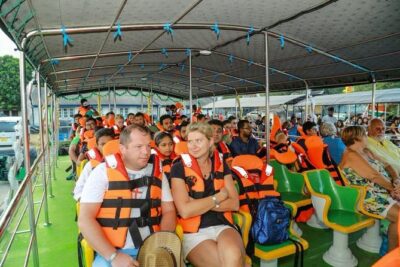
Whales and Dolphins Watching-Luxury Super Grade Cruiser(Hotel Pick up offered)
Read our review →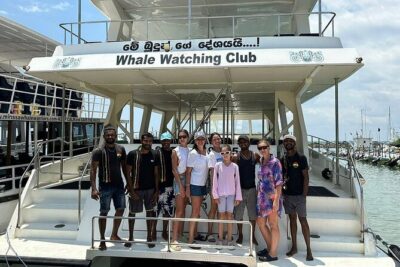
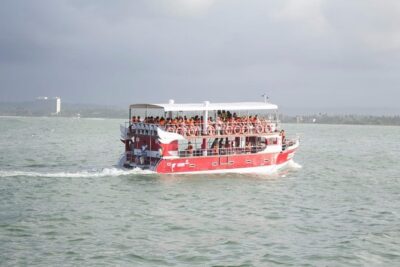
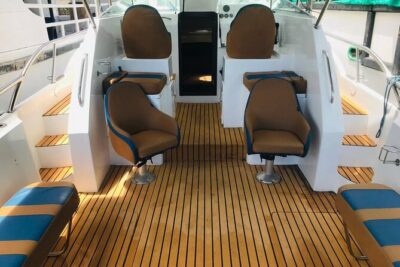
Sports Boat- Private Whale Watching Trip( free breakfast & paid pick-up)
Read our review →
Browse the lists this tour appears in