
Reviewed · COOKING CLASSES
Ella Cook With Sadamali
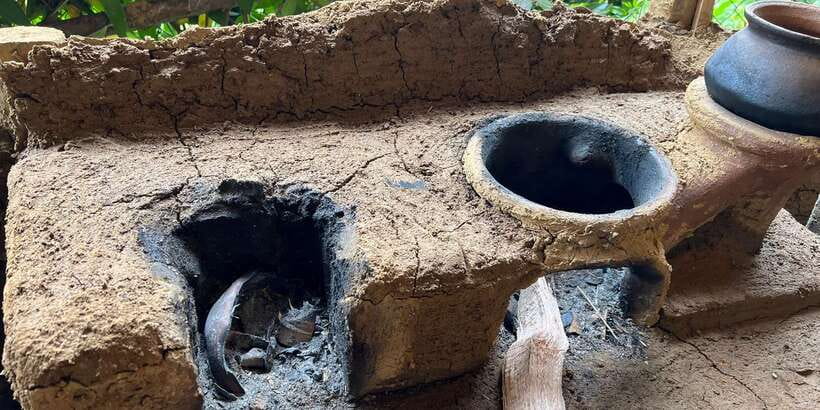
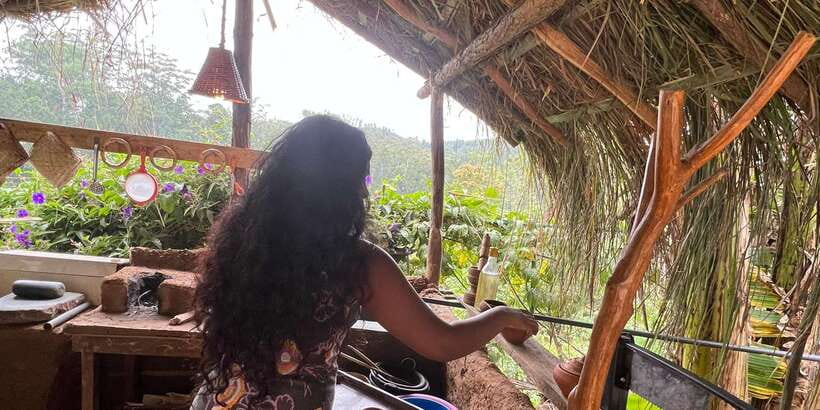
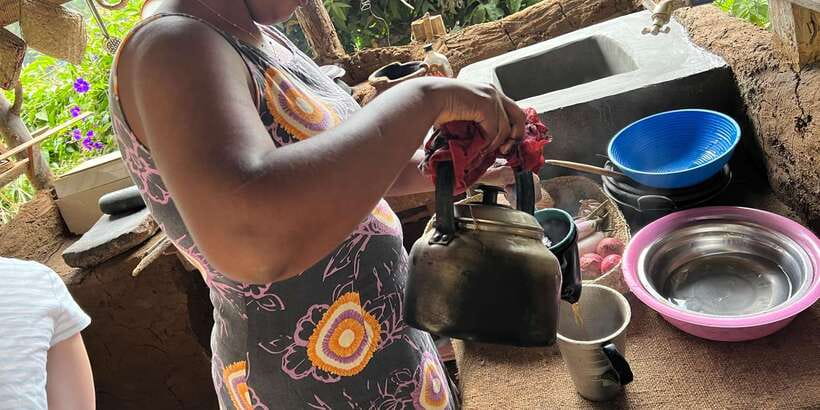
Sri Lankan cooking makes the most sense when you are standing beside the fire, grinding, stirring, and tasting as you go. In Ella, Sadamali teaches you to prepare a full rice-and-curry meal with clay pots, firewood, and traditional tools, often in an outdoor kitchen facing the hills.
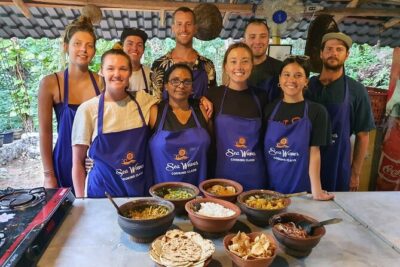
I like the small groups of up to eight, which give Sadamali time to explain each step and let you handle the cooking yourself. I also like the freedom to choose curries and adjust the spice level, a useful touch when one person wants serious heat and another prefers a gentler plate.
The main consideration is the setting and access. You must make your own way to the class on Passara Road, and people with food allergies or visual impairments are not considered suitable for this activity. The class is listed as 2.5 hours, though cooking and conversation may run longer.
Key details at a glance
- Cook over firewood in clay pots: This is not a demonstration where you watch from a chair. You take part in the preparation and cooking.
- Choose your curries and spice level: The menu can be adjusted for mild or spicy tastes, within the dishes available.
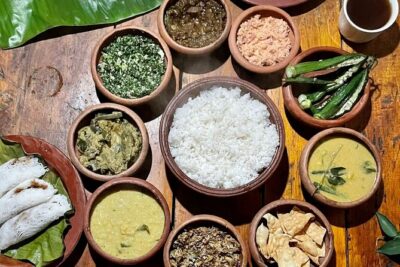
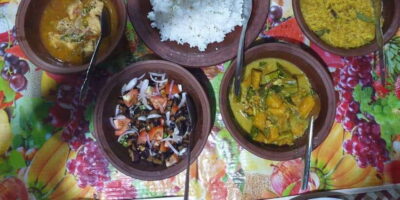
- Eat a complete Sri Lankan meal: Expect steamed rice, several curries, and a crisp poppadum, with some sessions also preparing coconut sambol or salad.
- Learn with Sadamali: She explains traditional methods and also offers practical modern approaches for cooking at home.
- Enjoy a hill-facing outdoor kitchen: The setting adds a strong sense of place, though weather and outdoor conditions are worth considering.
- Pay $17 per person: For a meal, instruction, recipes, and a small-group setting, this is strong value.
Why this Ella cooking class feels different
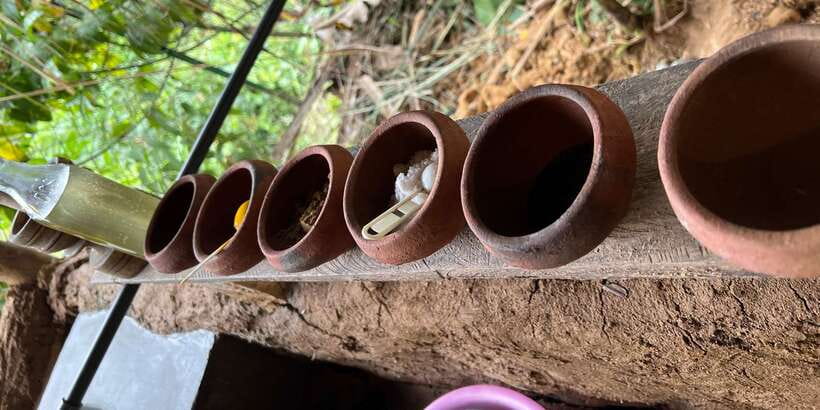
Many cooking classes give you a recipe, a cutting board, and a quick lesson. This one puts more attention on how Sri Lankan food has traditionally been cooked. You work with clay pots and firewood, and you learn why the order of adding spices matters.
That old-fashioned method is not just there for photographs. It changes the pace of the class. You have time to watch onions soften, spices release their aroma, and sauces thicken. You also get a better sense of how several simple dishes become a complete Sri Lankan meal.
Sadamali is the central part of the experience. She guides the group through each dish, explains the tools, and adjusts the lesson to suit the people in front of her. Her English is described as strong, and the class is available in English. She also explains modern methods, which helps if you want to recreate the meal with an ordinary home stove rather than a wood fire.
The tone is personal rather than formal. Tea and biscuits may be offered on arrival, and the class can turn into a relaxed meal and conversation. One session scheduled for two hours continued for about four hours, so do not plan a tight connection immediately afterward.
Other cooking classes around Ella:
- Ella: Traditional Sri Lankan Cooking Class
★ 4.9 · 788 reviews - Ella: Sri Lankan Cooking Class with Neranji at Homestay
★ 5.0 · 276 reviews - Ella : Cooking class with amazing Spice Garden Tour
★ 5.0 · 239 reviews
Finding the outdoor kitchen on Passara Road
The meeting point is about 1.5 kilometers from Ella town on Passara Road. After you pass Flower Garden Hotel, continue for roughly 30 meters. Look for the board marked Ella Silloam on the left side, where Sadamali can pick you up.
This is a detail worth taking seriously. The location is not described as being in central Ella, and transportation to and from the class is not included. Arrange your own tuk-tuk or other transport, and keep the meeting instructions available on your phone.
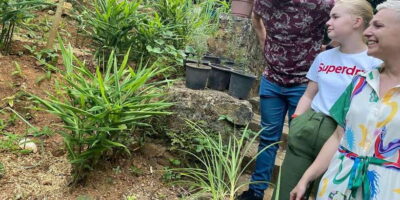
Once there, the setting is one of the class’s real pleasures. Several people specifically enjoyed the outdoor kitchen and the views from the property. You cook with the hills in sight rather than in a sealed commercial kitchen, which gives the meal a clear connection to Ella.
The outdoor setting can also mean heat, smoke, uneven ground, or changing weather. The activity is listed as wheelchair accessible, but you should confirm the practical route and kitchen layout before booking if you use a wheelchair. The available information does not describe ramps, toilet access, or the exact cooking surface.
What happens during the 2.5-hour class
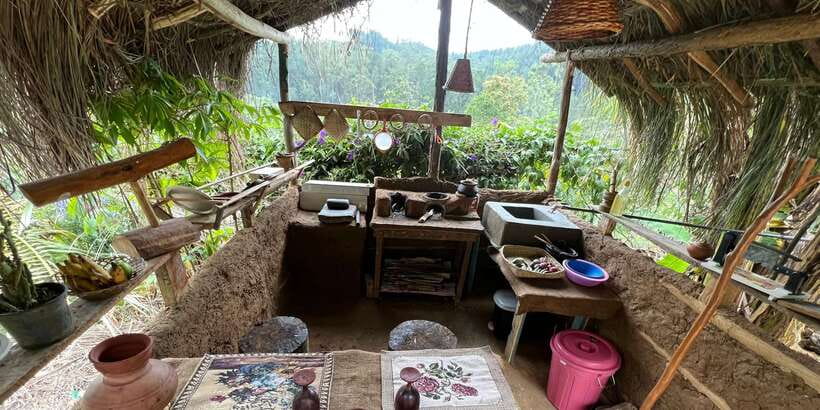
The class begins with an introduction to the kitchen, ingredients, and the dishes you will prepare. Sadamali explains the traditional tools and shows you how the cooking process works before you get involved.
You are not limited to watching. You help prepare the meal, work with the ingredients, and cook the dishes yourself. The class is designed around participation, so wear comfortable clothing that you do not mind wearing near smoke, food splashes, or an outdoor fire.
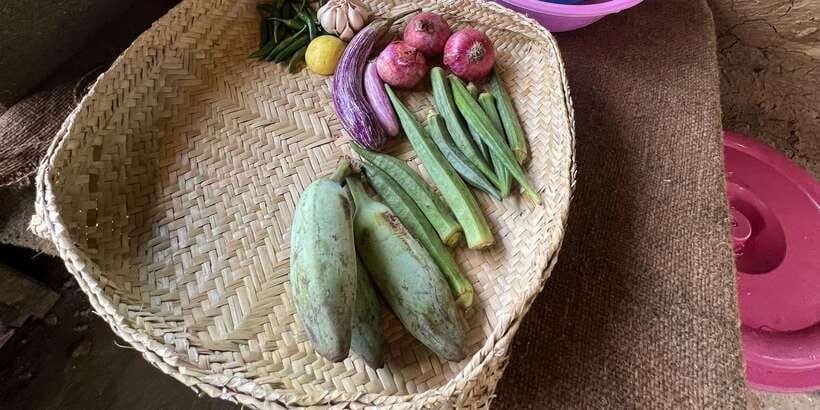
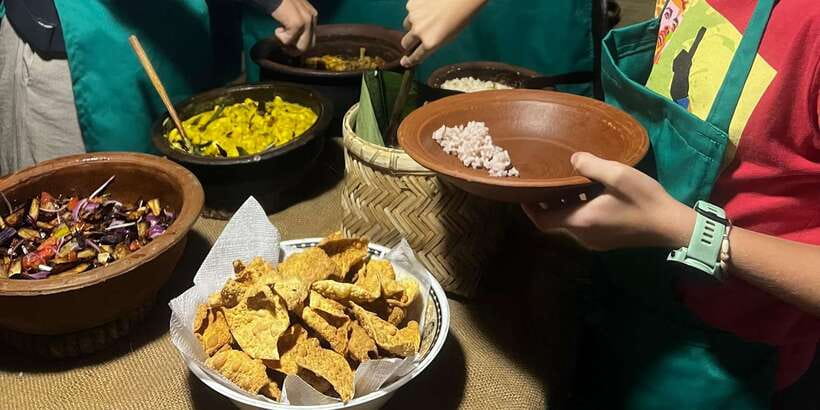
The precise menu can vary because you can choose your curries. The meal includes steamed rice, a range of Sri Lankan curries, and a crisp poppadum. Sessions described by participants included three curries, coconut sambol, salad, and rice. These examples give you a useful idea of the scale of the meal, but you should not assume every class will prepare the exact same combination.
The cooking lesson focuses on balance. Sri Lankan curry is not simply a matter of adding more chili. You learn how spices work together, how textures develop, and how different curries sit beside one another on the plate. That makes the lesson useful for a beginner who wants to understand the logic behind the food rather than memorize one recipe.
You also learn how to use traditional utensils and clay cooking pots. Sadamali can compare those methods with modern tools, which is particularly helpful when you return home and find that your kitchen lacks a wood fire or a village-style pot.
Choosing curries and managing the heat
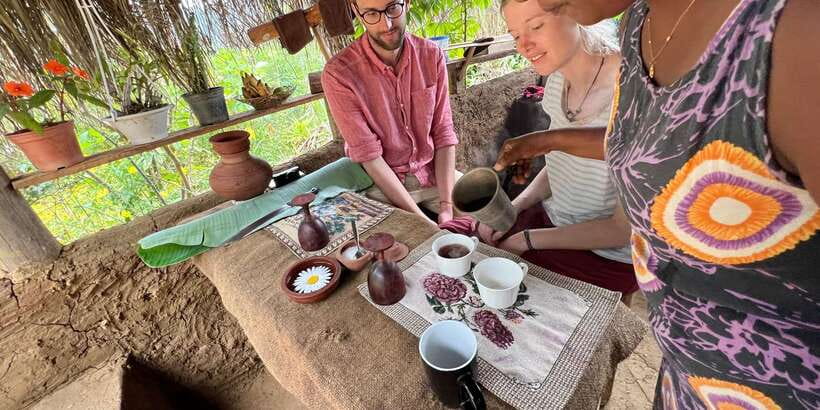
The option to choose your own curries is one of the most practical features here. Sri Lankan food can be hot, but not every dish needs to be fiery. You can tell Sadamali whether you prefer spicy or mild food and shape the meal around your taste.
Be clear about your preference at the start. Spice levels can be hard to judge once a dish is already cooking, and the activity information specifically asks you to consider the spicy level before taking part.
The menu is also a good fit for people who want variety on one plate. Rice and curry is not one curry poured over rice. It is a collection of separate preparations, each with its own seasoning and texture. Cooking several dishes helps you understand why Sri Lankan meals feel generous even when individual recipes use ordinary ingredients.
Do not book this class if you have a food allergy that requires strict control. People with food allergies are listed as unsuitable, and special dietary requests or menu changes beyond the included offering are not covered. That is a firm limitation, not a minor footnote.
Same base, a completely different day:
- Ella: Drop to Tangalle/Hiriketiya/Mirissa/Galle & Yala Tour
★ 4.9 · 518 reviews - Ella: Little Adam’s Peak, Nine Arches Bridge & Waterfalls
★ 4.9 · 402 reviews - ELLA: Drop to Tangalle/Hiriketiya/Mirissa/Galle & Yala Tour
★ 4.1 · 336 reviews - From Ella: Drop to Tangalle/Hiriketiya/Mirissa & Yala Safari
★ 4.8 · 296 reviews
Clay pots, wood fires, and the value of doing the work
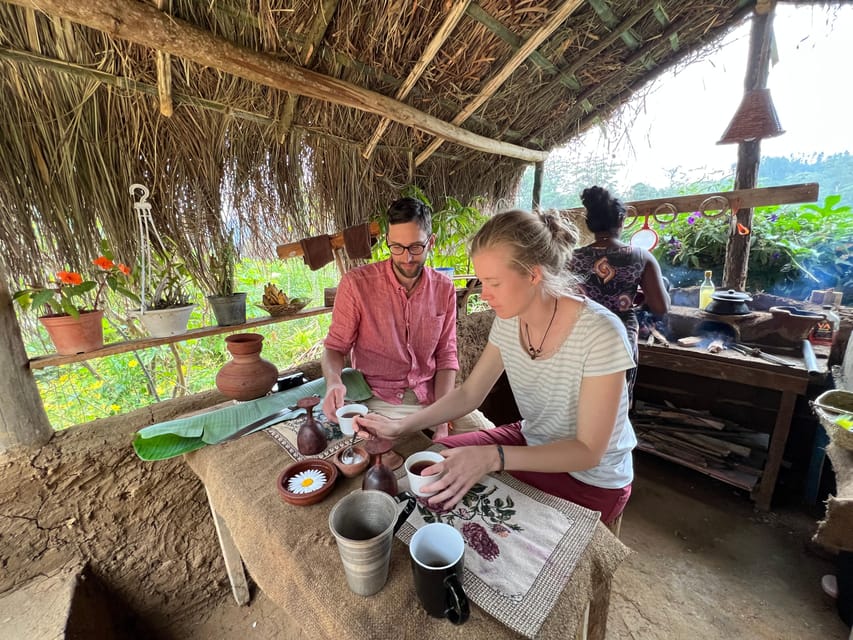
The traditional cooking equipment gives this class its strongest sense of place. Clay pots and firewood require more attention than a modern cooker. You work at the speed of the fire, watch the pot, and take part in a process that is less automatic.
That hands-on work also makes the final meal feel earned. You will have chopped, stirred, seasoned, and watched the dishes come together before sitting down to eat. For me, that is far more useful than taking home a printed recipe after watching someone else do everything.
The class does not pretend that traditional cooking is always the easiest way. Modern kitchens are faster and more predictable. Sadamali’s comparison between old and new methods helps keep the lesson practical, especially for anyone hoping to cook Sri Lankan food after returning home.
Fresh ingredients are another recurring part of the appeal. The dishes are made during the class, not reheated for you. Some sessions have included fresh coconut for sambol, prepared with traditional methods. If you enjoy learning through texture, smell, and taste, this is where the class earns its modest price.
Eating what you have made
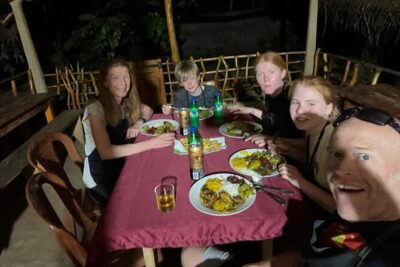
At the end, you sit down to eat the meal you prepared. The included food is steamed rice, several traditional curries, and a poppadum. Depending on the menu, you may also have coconut sambol or a salad.
The meal is substantial enough to function as lunch or dinner. One useful tip is to consider booking a later starting time if you want the finished food to become your evening meal, though the exact schedule depends on available start times.
This final part is more than a reward. It lets you compare the dishes side by side and notice how the spice balance works across the plate. A curry that seems strong on its own may taste just right with rice, sambol, and a milder dish.
You also have a chance to ask last questions while the food is in front of you. The class includes take-home recipes for all the dishes prepared, and people have also photographed the recipes for later reference. Bring your camera if you want pictures of the food, tools, or hill views.
How personal is the instruction?
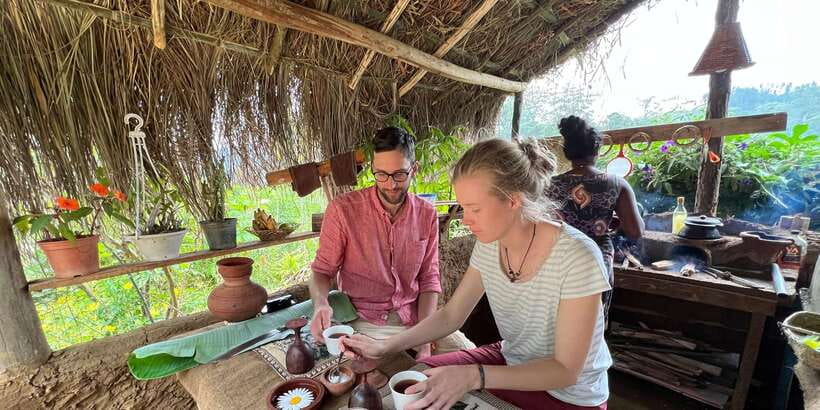
The group limit is eight people, but the class can feel smaller depending on the booking. Sadamali gives individual attention and adjusts explanations for the group’s pace. That matters in a cooking class because the difference between watching and learning often comes down to whether you can ask a question at the right moment.
This is a good choice if you want to stir the curry yourself, try several tools, and ask why a step is done in a certain order. It is less suitable if you prefer a polished cooking show with minimal participation.
The social side is part of the appeal. People cook together, share the meal, and talk with Sadamali about Sri Lankan food and life. The informal mood may be especially welcome after a day of sightseeing around Ella.
At the same time, do not expect a strict, minute-by-minute schedule. The listed duration is 2.5 hours, but some classes have lasted longer because the group stayed to talk and eat. That flexibility is pleasant if your day is open and inconvenient if you have a train, tour, or dinner reservation waiting.
Is $17 a good value?
At $17 per person, the class is priced below many organized food experiences, yet it includes instruction, ingredients, a full meal, traditional cooking methods, and recipes to take home. Transportation is the main extra cost.
I see the best value in the combination of meal and skill. You are not paying only for lunch. You are paying to learn a set of methods you can adapt in your own kitchen, while also spending time in a local home setting rather than a generic restaurant room.
The value is strongest for people who enjoy participation. If you only want to taste Sri Lankan curry, a local restaurant will be simpler and probably faster. If you want to understand how the dishes are made, the class offers much more for the money.
There are a few limits. Drinks and snacks beyond what is provided cost extra, personal purchases are not included, and special menu requests are outside the normal offering. You also need to arrange transportation to Passara Road.
Free cancellation is available up to 24 hours before the class, and you can reserve now and pay later. Check the available start times before booking, especially if you want to use the meal as dinner.
Who should book this class?
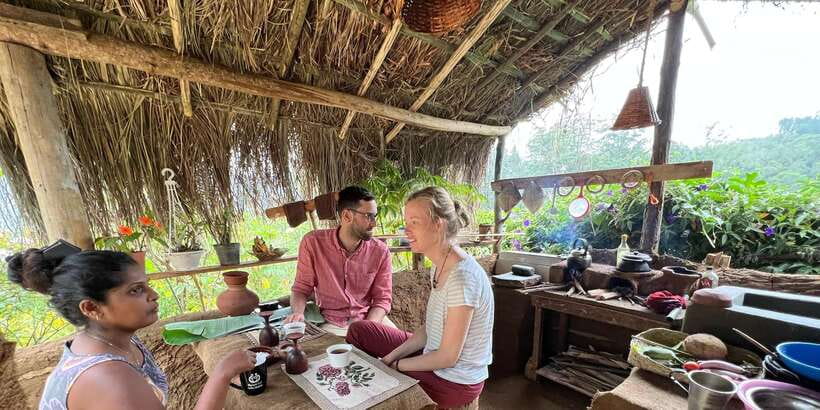
I would point this class toward anyone who enjoys food, small groups, and practical cultural experiences. It suits couples, solo visitors, friends, and families with older children who can take part safely.
It is particularly good for you if:
- You want to cook rather than simply watch.
- You are curious about clay pots, wood fires, and Sri Lankan kitchen tools.
- You like choosing your spice level.
- You want a full meal after the lesson.
- You value a scenic, home-based setting.
- You hope to recreate the dishes at home.
Children under three and babies under one are not suitable. People with food allergies and visually impaired people are also listed as unsuitable. The activity does not allow pets, smoking, alcohol, or drugs.
The wheelchair-accessible listing is encouraging, but the outdoor location means you should confirm the exact arrangements if access is important to you. The supplied details do not explain the surface, steps, or bathroom facilities.
Should you book Ella Cook With Sadamali?
Yes, if you want an affordable, hands-on introduction to Sri Lankan food and do not mind making your own way outside central Ella. The wood fire, clay pots, outdoor kitchen, hill views, and personal teaching give the class more character than a standard recipe lesson.
Book it with realistic expectations. The menu is flexible but not built for special dietary needs, the location requires attention, and the class may last longer than the stated 2.5 hours. For most food-loving visitors, those are manageable trade-offs.
I would choose this class over a restaurant meal when I wanted to understand the cooking process, meet a local host, and finish with a generous dinner. At $17, it is an easy recommendation for an open afternoon or evening in Ella.
FAQ
How long does the Ella cooking class last?
The listed duration is 2.5 hours. Some sessions may run longer if the group spends extra time cooking, eating, and talking.
How much does the class cost?
The price is $17 per person.
Where does the class meet?
From Ella town, take Passara Road for about 1.5 kilometers. After Flower Garden Hotel, continue about 30 meters. The location is on the left, marked with an Ella Silloam board.
Is transportation included?
No. Transportation to and from the cooking class is not included.
What food is included?
The meal includes steamed rice, a variety of traditional Sri Lankan curries, and a crisp poppadum. Depending on the chosen menu, the class may also include dishes such as coconut sambol or salad.
Can I choose mild or spicy food?
Yes. You can choose curries and discuss your preferred spice level.
Can people with food allergies join?
No. People with food allergies are listed as not suitable, and special dietary requests or customized menu items beyond the included offering are not included.
Just added around Ella
- Bentota/Kalutara/Hikkaduwa/Galle/Mirissa: Day Trip to Ella★ 4.7 · 14 reviews
- All Inclusive Ella From/To Kandy Scenic Train Journey★ 3.4 · 11 reviews
- Ella: 9 Arches Bridge, Little Adam’s Peak, Tea Factory★ 4.3 · 41 reviews
- Ella Day Tour from Kandy with tea factory★ 5.0 · 15 reviews
- From Ella: Tea Adventure in Haputale with Village Lunch★ 4.8 · 13 reviews
- Ella, Sri Lanka Cycle Zone Bike Tour★ 4.7 · 8 reviews
- Tuk-Tuk Safari Liptons seat,Tea Fields Hike,TeaFactory Tour★ 4.8 · 46 reviews
- From Ella- All inclusive Day Trip of 8 Iconic Sights & Train★ 4.6 · 54 reviews
Cooking Classes, compared.
Organic cooking class sigiriya (kumara & family)
Read our review →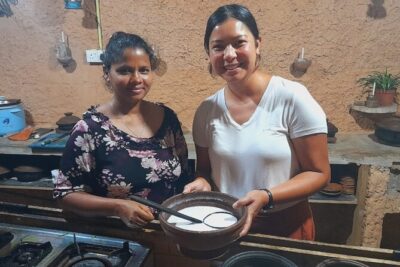
Sri Lankan Cooking Class with Neranji at Homestay
Read our review →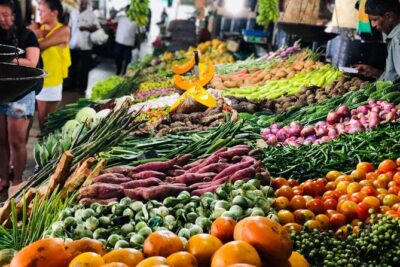
Browse the lists this tour appears in