
Reviewed · COOKING CLASSES
Cooking Class and Market Visit in Negombo
Sri Lankan cooking begins at the market, not the stove. This Negombo experience takes you to a local vegetable market to choose produce, spices, fruit, and possibly the day’s fish before moving to a Sinhalese home for a meal cooked from scratch. Shashi, the host praised for clear communication and strong local insight, helps connect the ingredients to everyday food culture.
I like the market-to-table format, which gives the cooking class a useful setting instead of treating recipes as isolated instructions. I also like the private setup: your group alone can ask questions, work at its own pace, and focus on dishes such as coconut curries, sambols, tuna, or devilled prawns.
The main consideration is the price, $70 per person, which is fairer for a couple or small group that values private transport and personal guidance than for someone seeking the cheapest cooking lesson. The class also runs for about three hours, so it needs a real block of time in your Negombo plans.
Key points to know before booking
- The market comes first: Spend about 30 minutes choosing vegetables, fruit, spices, and possibly fresh seafood.
- Shashi hosts the experience: Clear communication and practical food guidance are central to the visit.
- Cooking takes place in a Sinhalese home: The setting gives the meal a closer link to daily life than a standard demonstration kitchen.
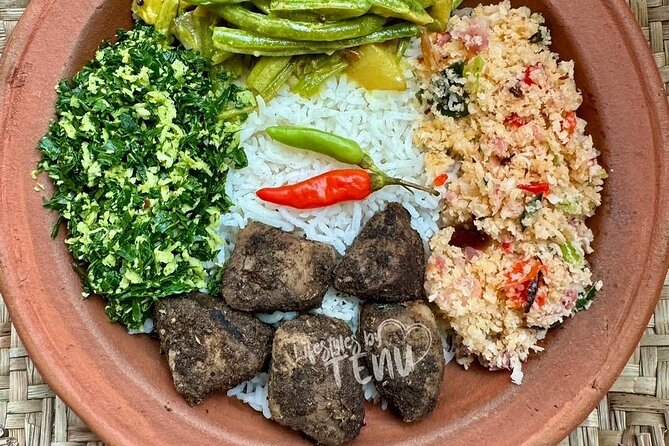
- Expect a full Sri Lankan meal: Coconut curries, spicy sambols, rice, and seafood dishes may feature in the cooking.
- Hotel pickup is included: Pickup windows are listed around 11:00 am to noon and 6:00 pm to 7:00 pm.
- Your group stays private: No other booking is added to your activity.
Why the Negombo market matters
The best part of this experience is the order of events. You do not simply arrive at a kitchen with ingredients already measured into bowls. You first see where the food begins, then use those purchases in the meal.
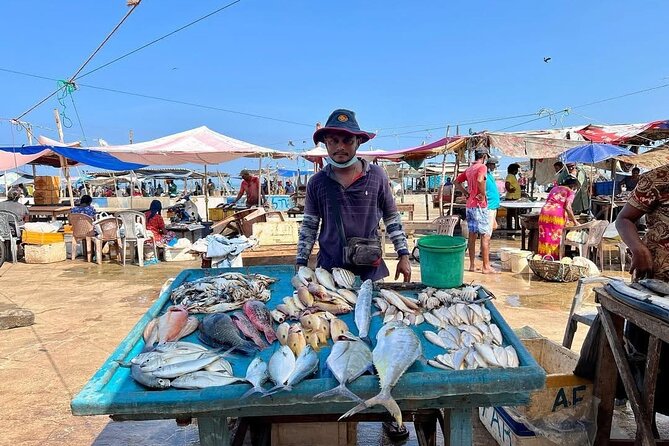
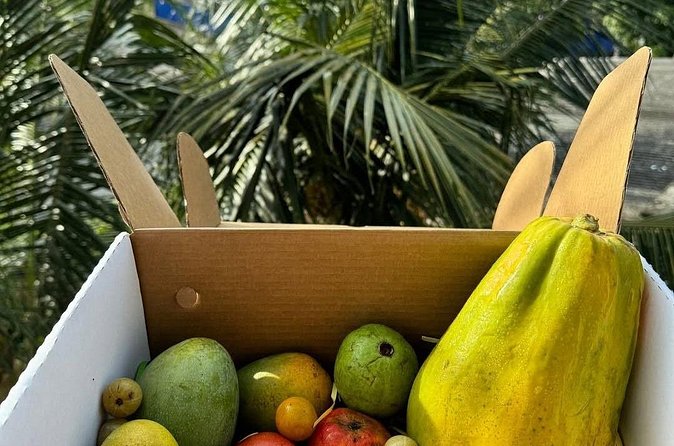
The Negombo vegetable market is scheduled for about 30 minutes, after a drive of roughly 15 minutes from your hotel. That is enough time to get a feel for the place and examine the produce without turning the morning or evening into a long market tour.
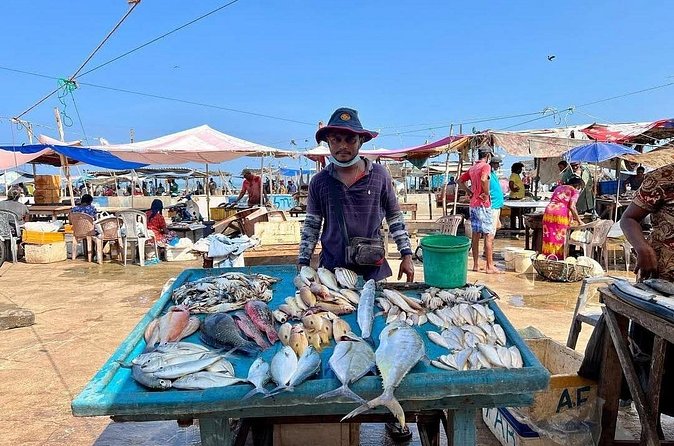
Expect stalls filled with fruits, vegetables, island spices, and other ingredients used in Sri Lankan home cooking. Fresh fish may also be selected, especially if the meal includes tuna or another seafood dish. The precise menu is not fixed in the information provided, so you should treat those dishes as examples rather than promises.
I like this stop because it answers practical questions that recipes often skip. Which ingredients look fresh? What does a familiar vegetable look like in Sri Lanka? How do local cooks shop for a meal? A guide can explain those choices as you make them, giving the later cooking lesson more meaning.
The market is also a good place to notice how much Sri Lankan food depends on fresh ingredients. Rice, coconut, vegetables, seafood, spices, herbs, and chilies are not just decorative additions. They shape the balance of a meal, and buying them together helps you see how the cuisine is built.
Keep your expectations realistic. This is a short guided visit, not a free hour to wander every aisle or shop independently. The market can be busy, and the attention is on gathering cooking ingredients rather than sightseeing. If you want a quiet, polished setting, this may feel rough around the edges. If you want ordinary local life, that is part of the appeal.
Other cooking classes around Negombo:
- Cooking Classes in Sri Lanka
★ 5.0 · 110 reviews - Ella: Traditional Sri Lankan Cooking Class
★ 4.9 · 788 reviews - Organic cooking class sigiriya (kumara & family)
★ 5.0 · 650 reviews
From market basket to Sinhalese home
After the market, the drive to the cooking location takes about 10 minutes. The cooking session itself lasts around one and a half hours, giving you much more time at the stove than at the stalls.
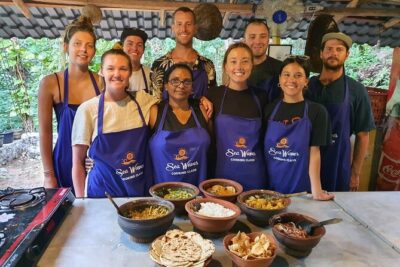
The class takes place in a Sinhalese home. That detail matters. A home setting can show you how food fits into daily life, rather than presenting Sri Lankan cooking as a restaurant performance. You are not just learning that coconut, curry leaves, cinnamon, chili, and fresh herbs are common ingredients. You are seeing how they work together in an actual meal.
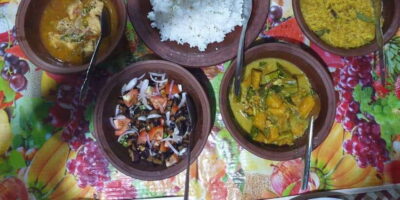
The menu may include coconut-based curries, spicy sambols, rice, fish, or jackfruit curry. One particularly specific possibility is tuna with a devilled prawn curry, followed by several other dishes. Since the exact selection can depend on the day’s market ingredients, ask about the menu when booking if you have dietary limits or strong preferences.
The preparation is hands-on. You should expect to help make the meal instead of only watching a host cook. That can include working with fresh produce, preparing spices, handling the seafood or other main ingredients, and learning how separate dishes come together at the same time.
Sri Lankan cuisine reflects Indian, Arab, Portuguese, Dutch, and Malay influences. You do not need a history lecture to appreciate that mix, but it helps explain why the food has such range. A meal can combine fragrant rice, hot sambol, coconut, seafood, and spice blends in ways that feel both familiar and distinctive.
I especially like the focus on techniques passed through generations. The value here is not just a list of ingredients. You get a chance to understand how flavor is layered, how coconut softens heat, and how a simple dish can gain depth from fresh aromatics and spices.
The wording around the class does not promise that every dish will be taught in the same way each day. That is normal for a market-based activity. The ingredients available that day can shape the meal, which makes the experience more connected to local shopping but less predictable than a fixed cooking school menu.
What you may cook and eat
The cooking description points to a full Sri Lankan meal rather than one token dish. Rice forms the base, with curries and sambols providing heat, sweetness, acidity, and texture.
A coconut curry is likely to be one of the most useful lessons for home cooks. Coconut is a major part of Sri Lankan food, and it can soften spices while giving a curry its body. The class may also feature fish from the lagoon or market, which makes sense in a coastal destination such as Negombo.
Jackfruit curry is another example given for the experience. If you have only eaten jackfruit as a sweet fruit, a savory curry offers a different introduction. The final dish depends on what is chosen and prepared that day, so do not book solely for one named recipe unless the provider confirms it.
Sambols bring a sharper side to the meal. They can add chili, freshness, and contrast to rice and curry. The food is described as spicy, and you should be prepared for noticeable heat, though the exact level is not stated.
The class may also introduce you to hoppers, a well-known Sri Lankan food made from fermented batter and shaped into a bowl-like form. Hoppers are included in the broader description of Sri Lankan cuisine, but they are not guaranteed as part of this particular session. That distinction is worth keeping in mind.
At the end, you eat what you have prepared. This is a simple but important part of the value. You can judge the balance of the dishes while the cooking is fresh in your mind, and you leave with recipes intended for use at home.
Timing, pickup, and the private format
The experience lasts about three hours in total. The stated plan includes approximately 15 minutes of driving to the market, 30 minutes at the market, 10 minutes to the cooking location, 90 minutes of cooking, and about 15 minutes for the return to Negombo.
Pickup is offered from Negombo hotels. The listed windows are 11:00 am to noon and 6:00 pm to 7:00 pm. Because the wording gives a pickup window rather than one exact departure time, confirm the meeting details after booking.
The daytime option works well if you want the cooking class between other activities. The evening option may suit you if you prefer to make the market and meal part of your dinner plans. The exact daylight experience at the market will vary with the pickup time, but the information does not specify a separate evening menu.
The private format is a major practical advantage. Only your group participates, so you can ask about ingredients, cooking methods, or spice levels without waiting for a large class to catch up. A private class is also easier for families, couples, and small groups with mixed cooking confidence.
There is a trade-off. A private activity at $70 per person costs more than a basic group lesson might. Group discounts are offered, but the discount amount is not stated. For two people, the cost may feel worthwhile because it includes pickup, market transport, the market visit, instruction, the meal, and a private setting. For a solo visitor, the per-person price deserves closer thought.
The meeting point is in Negombo, and the activity is near public transportation. Hotel pickup reduces the need to arrange a tuk-tuk or taxi, but you should still provide your hotel details clearly at booking.
Same base, a completely different day:
- AirPort CMB to Colombo (Private Taxi 24/7) Car, Van, Minibus
★ 5.0 · 604 reviews - 8 Days tour in Sri Lanka with privet driver and accommodations
★ 5.0 · 472 reviews - Negombo city tour by Tuk Tuk Hotel Pickup & Guide
★ 5.0 · 221 reviews - Private Car & Driver for 07 Days Tour In Sri Lanka
★ 5.0 · 199 reviews
How this compares with a standard cooking class
A typical cooking class begins with ingredients already selected. That is convenient, but it removes the part of cooking that happens before the kitchen.
This experience gives you three linked lessons: how a market works, how ingredients are chosen, and how they become a meal. I see that as its strongest educational feature. You come away with more than recipes because you have watched the ingredients move from stall to plate.
The home setting also changes the mood. A professional cooking school may offer more polished equipment or a fixed teaching plan. A home class can feel more personal and may show how ordinary Sri Lankan food is prepared in a less formal environment.
That does not mean the experience is ideal for everyone. If you want exact measurements, a printed curriculum, or a highly structured kitchen session, ask in advance what recipes and materials are supplied. The available information confirms that recipes are provided for home use, but it does not describe the format or level of detail.
The short market visit is another point of difference. It adds local context, but it limits how much time you have to compare stalls, learn prices, or ask about every ingredient. Think of it as a focused introduction rather than a full market study.
Who will get the most from this experience
I would recommend this to people who enjoy food as a way to understand a place. It suits curious cooks, couples, families, and small private groups who want to participate rather than sit through a demonstration.
It is also a good choice for anyone staying in Negombo before or after a flight. The duration is manageable, and the hotel pickup keeps the transport simple. The experience can work as a standalone half-day or evening activity without taking over your entire schedule.
Seafood lovers may find the market-to-table setup especially appealing. Fresh fish, tuna, and devilled prawns are among the specific food possibilities mentioned, though the exact dish cannot be guaranteed. Vegetarians may still find plenty of interest in the vegetable market, jackfruit curry, rice, coconut preparations, and sambols, but should confirm the available menu before booking.
Families should consider the 90-minute cooking period. Children who enjoy hands-on food work may like it, while younger children who need constant activity may find the preparation slow. The private format helps because your group does not need to match another party’s pace.
This may be less suitable if you have severe food allergies or need a strictly fixed menu. The market purchase and daily ingredients are central to the experience, so clear communication before the class matters.
Is $70 per person good value?
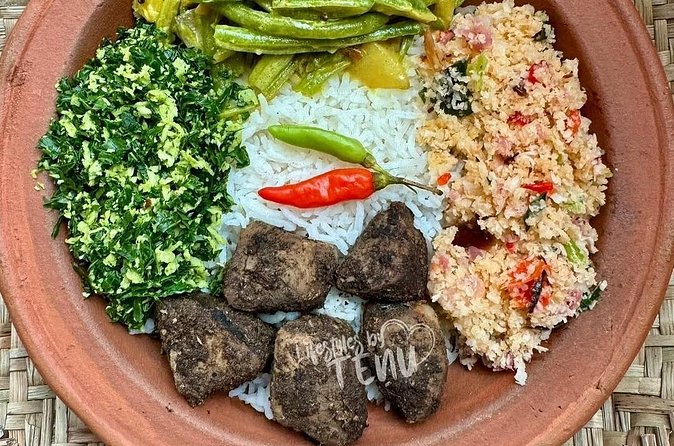
At $70 per person, this is not a bargain cooking lesson. The price makes more sense when you count the parts included: hotel pickup, local transport, a guided market visit, private instruction, ingredients, the meal, and recipes for later use.
The strongest value comes from the combination of activities. You are not paying only for 90 minutes at a stove. You are also paying for help choosing ingredients and for the chance to connect the meal with local food customs.
For a private group, the price becomes easier to justify. You have the host’s attention, control over questions, and no unrelated participants at the table. Group discounts are available, though the amount is not provided, so ask about the total before confirming.
For a solo visitor, compare the cost with your interest level. If you mainly want to eat Sri Lankan food, a restaurant meal will cost less. If you want to learn how to make curries and understand the shopping behind them, this offers more lasting value.
The high rating and the two detailed comments support the experience’s main strengths: clear communication, a strong host, a local market visit, and a substantial meal prepared in a home. Still, the small number of ratings means you should judge the tour by its format and price rather than relying on the score alone.
Booking details and cancellation
Confirmation is received at the time of booking. Free cancellation is available if you cancel at least 24 hours before the start time.
Cancellations made less than 24 hours before the experience are not refunded, and changes inside that window are not accepted. The cut-off follows local Negombo time.
The experience is listed as operating daily during the stated booking period, from December 5, 2025, through February 25, 2027. The displayed opening hours cover the full day, but the practical pickup windows are around midday and early evening.
Should you book the Negombo cooking class?
Book it if you want a personal food experience that connects shopping, cooking, and eating. The market visit is short, but it gives the class a useful local starting point. The home kitchen, private format, and chance to prepare dishes such as curry, sambol, rice, tuna, prawns, or jackfruit make this more meaningful than a recipe demonstration alone.
Skip it if you want the lowest possible price, a guaranteed menu, or a long market tour. You should also confirm ingredients in advance if you have dietary restrictions.
For most food-focused visitors staying in Negombo, I see this as a worthwhile splurge. The best reason to book is not one promised dish. It is the full path from market basket to home-cooked meal, with Shashi helping you make sense of what you are buying and preparing.
FAQ
Where does the cooking class take place?
The experience begins in Negombo, with pickup offered from Negombo hotels. After the market visit, cooking takes place in a Sinhalese home.
How long does the experience last?
The full experience lasts approximately three hours, including transport, the market visit, cooking, and the return to Negombo.
What time is hotel pickup?
Pickup is listed in two windows: 11:00 am to noon and 6:00 pm to 7:00 pm. Confirm the exact pickup time after booking.
How long is the market visit?
The guided visit to the Negombo vegetable market lasts about 30 minutes, following an approximately 15-minute drive.
How long is the cooking class?
The cooking portion lasts about one and a half hours, after a drive of approximately 10 minutes from the market.
Is this a private activity?
Yes. Only your group participates in the activity.
What food might be prepared?
Possible dishes and ingredients include coconut-based curries, spicy sambols, rice, fish, tuna, devilled prawns, jackfruit curry, spices, vegetables, and fruit. The exact menu is not fixed in the provided details.
Is hotel pickup included?
Yes. Pickup is offered from Negombo hotels, followed by transport to the market and cooking location.
Can I cancel for a full refund?
Yes, if you cancel at least 24 hours before the experience start time. Cancellations or changes made less than 24 hours before the start time are not accepted for a refund.
Just added around Negombo
- Wilpattu National Park: Morning or Afternoon Safari★ 3.9 · 39 reviews
- Wonderful Srilankan 14 Days Tours★ 5.0 · 6 reviews
- 9 Days Guided Tour Through Sri Lanka★ 5.0 · 4 reviews
- Pinnawala private day trip from colombo or negombo★ 5.0 · 4 reviews
- Tailor-made Multi-day Private Tour Packages in Sri Lanka★ 5.0 · 19 reviews
- The Most popular Personalized round Tour In Sri Lanka-Day Charged★ 5.0 · 6 reviews
- Private Tour Experiences Across Sri Lanka★ 5.0 · 4 reviews
- Transfer between Colombo (CMB) Airport and Galle Face Hotel★ 5.0 · 4 reviews
Cooking Classes, compared.
Organic cooking class sigiriya (kumara & family)
Read our review →
Sri Lankan Cooking Class with Neranji at Homestay
Read our review →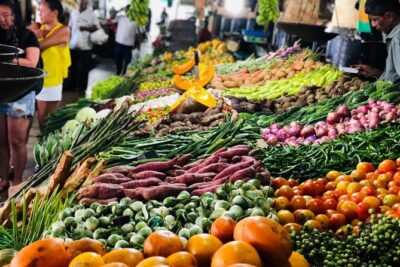
Browse the lists this tour appears in