
Reviewed · COOKING CLASSES
Cooking With Village Family
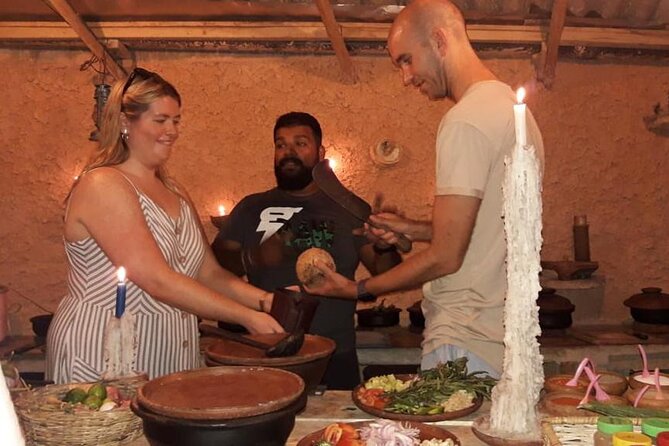
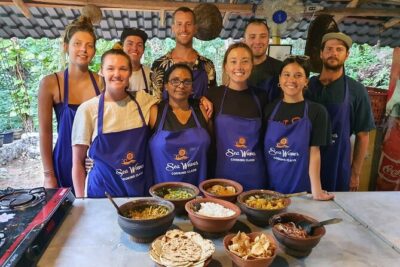
The best part of this Kandy experience is that you do not simply watch a chef cook. You make the meal yourself, from choosing ingredients to preparing coconut milk and cooking several Sri Lankan dishes. The setting is a family home in a village just outside Kandy, giving the lesson a more personal feel than a standard restaurant class.
I like the small private format, since your group gets direct guidance instead of trying to follow a demonstration from the back of a crowded room. I also like that the meal is built around your choices, with tea or coffee first and lunch or dinner served at the end. The main consideration is that this is hands-on work, not a polished show, so you should be ready to chop, stir, learn, and possibly make a few mistakes.
Key points
- A private family cooking class: Only your group participates, with personal instruction throughout.
- Nandi’s traditional guidance: The family matriarch teaches practical skills such as making coconut milk and preparing rice, dhal, and vegetable curries.
- Choose your own ingredients: You help decide what goes into your lunch or dinner rather than following a fixed menu.
- A village setting outside Kandy: The class offers a break from the city and a look at everyday food preparation.
- About three and a half hours: The length gives you time for tea, preparation, cooking, and eating the finished meal.
- Good value at $30 per person: Lunch or dinner, tea or coffee, and bottled water are included.
From Kandy City Centre to a Village Kitchen
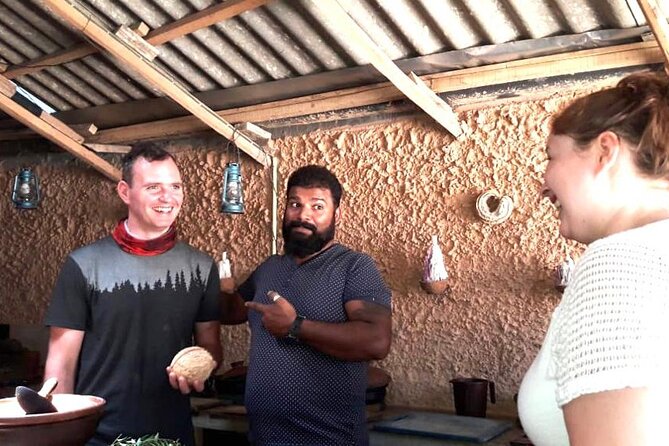
The meeting point is Kandy City Centre, which gives you a clear place to start in the middle of town. Pickup is offered, though private transportation is not listed as included, so check the exact pickup arrangement when booking. One previous booking included a pickup by Sudesh, who took the participant to the family home outside Kandy.
That transfer matters because the class is not presented as a city restaurant lesson. You leave the central streets and spend time in a village setting, where the food feels connected to the family preparing it. The location adds a sense of place without requiring a full-day trip into the countryside.
The activity lasts about three hours and 30 minutes. That is enough time for an unhurried cooking session, but it is still short enough to fit neatly into a day of sightseeing around Kandy. You finish back at the meeting point, according to the stated arrangements.
Because the activity requires good weather and a minimum number of participants, plans can change if those conditions are not met. In that case, you are offered another date or experience, or a full refund.
Other cooking classes around Kandy:
- Kandy Village Cooking Class
★ 5.0 · 536 reviews - Private Traditional Sri Lankan Cooking Class in Kandy with Hotel Transfers
★ 5.0 · 115 reviews - Kandy Cooking Class with Granny
★ 4.9 · 95 reviews
Tea First, Then a Personal Menu
The lesson begins with tea or coffee. This is a small touch, but it gives you time to settle in before the work starts. Sri Lankan tea is an especially fitting welcome in Kandy, and the pause helps turn the visit into a social cooking session rather than a rushed class.
Next, you select the ingredients for your meal. The information provided does not give a fixed list of dishes or promise a specific number of curries. That flexibility is useful if you have favorite Sri Lankan foods you want to learn, or if you would rather focus on simple recipes you can repeat at home.
You should ask about the available choices early in the session. Since the meal is described as a bespoke lunch or dinner, your group has some say in what gets prepared. The exact menu may depend on the ingredients available and the family’s guidance.
This is also where the class differs from a standard cooking demonstration. You are not merely shown a finished plate. You take part in deciding what to make, then prepare the components yourself with help from the family.
Learning to Make Coconut Milk by Hand
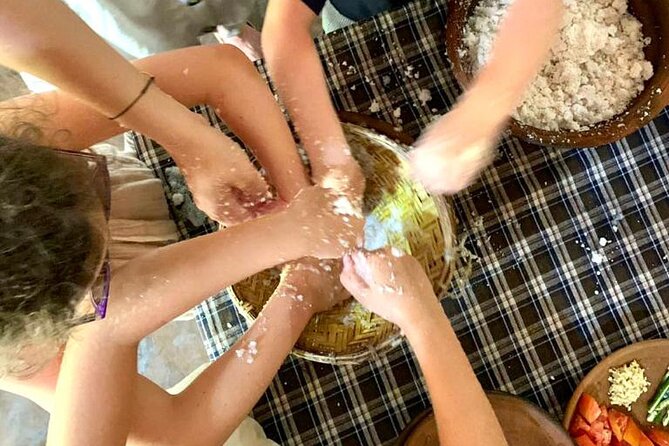
One of the most useful skills taught here is how to get coconut milk. Coconut milk is central to many Sri Lankan dishes, and learning the process gives you more than a recipe card. You gain a better sense of how the texture and flavor of a curry begin before the pot reaches the stove.
Nandi, the family matriarch, guides this part of the lesson. Her instruction is described as careful and practical, with attention to the small steps that can be easy to skip when a restaurant kitchen does the work for you.
The class is intended to show you how to cook from scratch. That phrase matters here. You should expect to take responsibility for the preparation, while the family explains what to do and corrects you when needed. If you prefer to sit back and watch, this may feel more demanding than expected. If you want techniques you can use at home, it is one of the strongest reasons to book.
The hands-on method also makes the meal more memorable. You understand the effort behind the finished dishes, and you leave with a better chance of recreating them instead of remembering only how they tasted.
Rice, Dhal, and Vegetable Curry on Your Own Stove
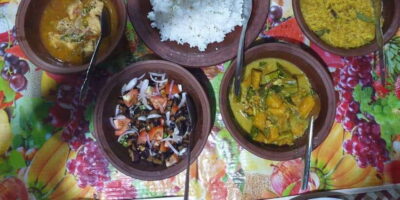
The dishes specifically associated with the class include rice, dhal, and several kinds of vegetable curry. These are excellent choices for a first Sri Lankan cooking lesson because they show how a meal is built from several parts rather than one main dish.
Rice gives you the basic foundation. Dhal adds a soft, comforting element. Vegetable curries bring variety in flavor and texture, and they show how spices and coconut can turn simple produce into a complete meal.
Nandi’s role is to explain how to cook each part, but the work remains yours. You may be asked to prepare ingredients, follow instructions, and manage the cooking as the dish develops. This makes the lesson less predictable than a scripted class, but it also makes it more personal.
The supplied details do not promise a printed recipe booklet or a fixed spice lesson, so do not assume you will receive formal take-home materials. Bring a phone or small notebook if you want to record ingredients and methods, and ask permission before taking photographs during the preparation.
Same base, a completely different day:
- Kandy Private Guided City Tour by Tuk Tuk
★ 4.9 · 1,307 reviews - From Kandy: Sigiriya Rock & Dambulla Cave Temple Adventure
★ 4.9 · 785 reviews - Kandy to Ella Train Tickets – Reserved Seats
★ 4.5 · 523 reviews - From Kandy: Pinnawala Day Tour
★ 4.8 · 331 reviews
Why the Family Setting Matters
A family kitchen changes the tone of the activity. You are not in a large cooking school with a dozen workstations. Only your group participates, so the family can adjust the pace and explain steps directly to you.
That private format is particularly useful if you are new to Sri Lankan food. You can ask basic questions without feeling rushed, and you can spend more time on a technique that is unfamiliar. A private lesson also works well for people with different comfort levels in the kitchen, since the instruction can be more personal.
The family setting also gives the class a local connection. You are not just learning a restaurant version of Sri Lankan food. You are preparing a meal in a household setting with guidance from people who cook these kinds of dishes themselves.
Still, keep your expectations realistic. This is a local cooking activity, not a luxury culinary school. The appeal is the direct contact and home-style approach. The tradeoff is that the pace, equipment, and presentation may be simpler than what you would find in a professionally designed cooking studio.
Eating the Meal You Prepared
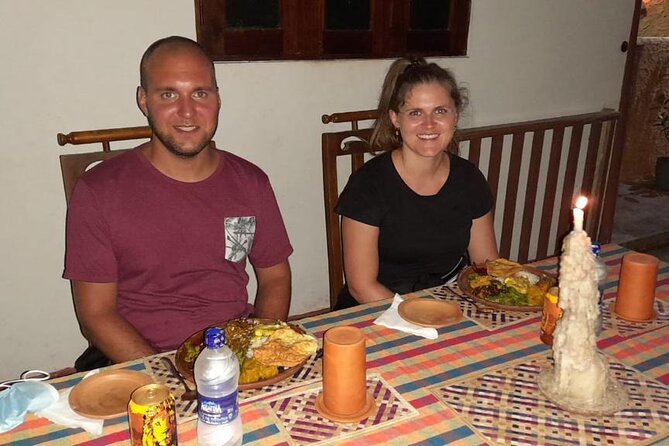
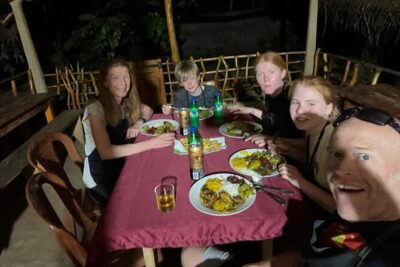
At the end, you sit down to eat your lunch or dinner. The meal is part of the price, along with bottled water and tea or coffee. Since you have prepared it yourself, the final meal serves as both lunch or dinner and the reward for the work that came before.
This also makes the experience good value for visitors who want an activity and a meal in one booking. At $30 per person, you are paying for roughly three and a half hours of private instruction, food, drinks, and access to a local family setting. In Kandy, that is a reasonable price if you value personal teaching more than a polished restaurant atmosphere.
The value depends partly on how actively you take part. If you engage with the cooking, ask questions, and pay attention to methods you can use later, the class offers more than a meal. If you mainly want to eat and take photographs, a restaurant may be a simpler choice.
You should also remember that alcohol is not included. That is unlikely to matter during a daytime cooking class, but it is worth knowing if you were expecting drinks with dinner.
Who Will Get the Most From This Class
I would recommend this experience to anyone who wants food to be the center of a Kandy visit. It suits people who enjoy learning by doing, home cooks looking for new recipes, and visitors who prefer a small personal activity to a large group tour.
It is also a good fit for couples, families, and small groups who want the class to follow their own pace. The private format means your group participates together, rather than being combined with strangers.
The class may be less suitable if you have very limited time in Kandy and cannot spare three and a half hours. It may also disappoint you if you expect a formal cooking school with a set menu, printed recipes, professional kitchen equipment, or a staged performance.
Most people can participate, and the activity is near public transportation. The provided information does not give specific details about dietary restrictions, allergies, wheelchair access, or the physical demands of the kitchen. If any of those issues affect your plans, ask before booking.
Timing, Pickup, and Practical Details
Plan for the full three hours and 30 minutes, not just the time spent eating. The session includes the welcome drink, choosing ingredients, explanations, preparation, cooking, and the final meal.
Start at Kandy City Centre and confirm how pickup works. Pickup is offered, but private transportation is not included in the stated price. Since one arrangement involved Sudesh collecting a participant, the practical details may be handled directly for your booking, but you should not assume every transport cost is covered.
The experience ends back at the meeting point. That makes it easier to fit into a Kandy itinerary, especially if you plan to visit other sights before or after the class.
Booking about 20 days ahead is the average pattern, so reserve early if your dates are fixed. The activity has a five-star rating from 104 reviews and a 100 percent recommendation rate, which suggests strong consistency, but you should still choose it for the hands-on format rather than the rating alone.
Free cancellation is available if you cancel at least 24 hours before the start time. Changes or cancellations within 24 hours are not accepted for a refund. Weather and minimum participation can also affect the schedule, with a new date, another experience, or a refund offered if the provider cancels.
Should You Book Cooking With Village Family?
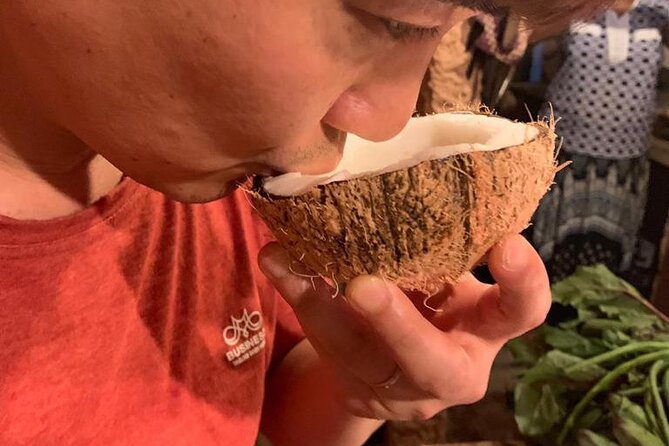
Book it if you want to cook instead of simply watch, and if a family setting sounds more appealing than a formal culinary studio. The combination of Nandi’s instruction, your own ingredient choices, coconut milk preparation, and a shared final meal makes this a useful introduction to Sri Lankan home cooking.
The $30 price is fair because it covers the lesson, food, tea or coffee, bottled water, and a private group format. Just confirm the pickup details, allow the full three and a half hours, and arrive ready to work.
Skip it if you want a fixed menu, a short demonstration, or a polished restaurant experience. For everyone else, this is a practical way to connect a Kandy visit with food you can try making again at home.
FAQ
Where does the cooking class start?
The activity starts at Kandy City Centre in Kandy, Sri Lanka.
Where does the activity end?
The activity ends back at the meeting point.
How long does the experience last?
The cooking class lasts approximately three hours and 30 minutes.
Is pickup offered?
Yes, pickup is offered. Private transportation is not included in the stated inclusions, so confirm the pickup arrangements when booking.
Is this a private activity?
Yes. Only your group participates in the activity.
What food and drinks are included?
Lunch or dinner, coffee or tea, and bottled water are included.
Do I choose the ingredients?
Yes. You can select the ingredients used to prepare your lunch or dinner, with guidance from the family.
Who teaches the cooking?
The family matriarch, Nandi, provides the cooking guidance. Sudesh is also associated with pickup arrangements mentioned for the experience.
Can I cancel for a refund?
Yes. You can cancel at least 24 hours before the start time for a full refund. Cancellations or changes made less than 24 hours before the start time are not accepted for a refund.
Just added around Kandy
- Authentic Sri Lankan Cooking Class in Kandy by Local Family★ 4.9 · 15 reviews
- Ambuluwawa Tower & Pinnawala & Kandy Day Tour From Negombo★ 5.0 · 4 reviews
- Ambuluwawa Tower & Pinnawala & Kandy Day Tour From Colombo★ 5.0 · 5 reviews
- Ambuluwawa Tour : From Kandy with Tea Factory Visit★ 5.0 · 16 reviews
- 8-Day Sri Lanka Private Round Tour Hotels, Meals, Car, Guide★ 4.3 · 6 reviews
- Kandy: Sigiriya Fortress & Cave Temple Full Day Private Tour★ 4.1 · 29 reviews
- 1 Hour Private White Water Rafting in Kitulgala From Kandy with Hotel Pickup★ 5.0 · 15 reviews
- Private Kandy City Tour: Temple of the Tooth & Lake Highlights★ 5.0 · 27 reviews
Cooking Classes, compared.
Organic cooking class sigiriya (kumara & family)
Read our review →
Sri Lankan Cooking Class with Neranji at Homestay
Read our review →
Browse the lists this tour appears in