
Reviewed · COOKING CLASSES
Private cooking class – Personalized classic menu
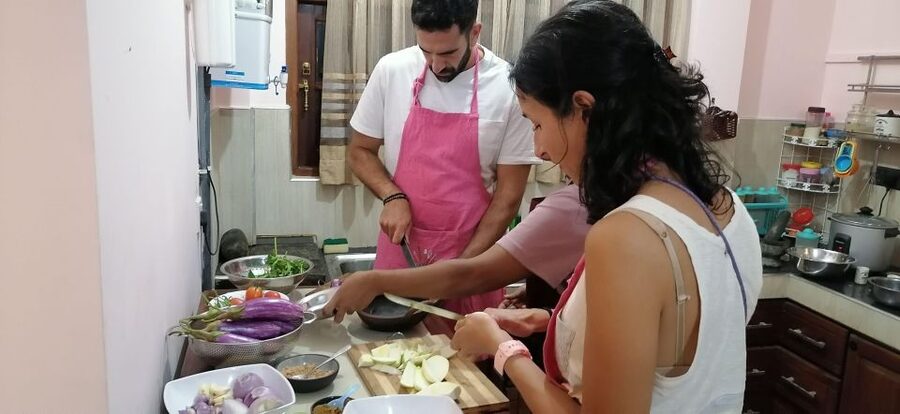
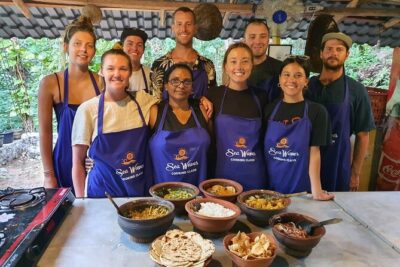
Sri Lankan food makes the most sense once you understand its spices. At Sweetvalley Cooking School, Sithara and Upali turn that lesson into a private, hands-on meal in their home. You may begin with a natural tea, put on an apron, and work through a custom menu that can include curries, string hoppers, roti, sambal, snacks, or dessert.
I like the one-to-one teaching and the way the menu is planned around your tastes, diet, and pace. I also like that you learn both old-style Sri Lankan methods and practical ways to repeat them in a modern kitchen at home. The main consideration is time: three hours can pass quickly, especially if you choose a large menu or want plenty of questions answered.
Key points to know before you book
- Sithara and Upali host you in their home, creating a private class rather than a large demonstration.
- The menu is discussed beforehand, so you can request vegetarian, vegan, gluten-free, or particular Sri Lankan dishes.
- Spices are part of the lesson, with attention to curry paste, aroma, color, taste, and local food customs.
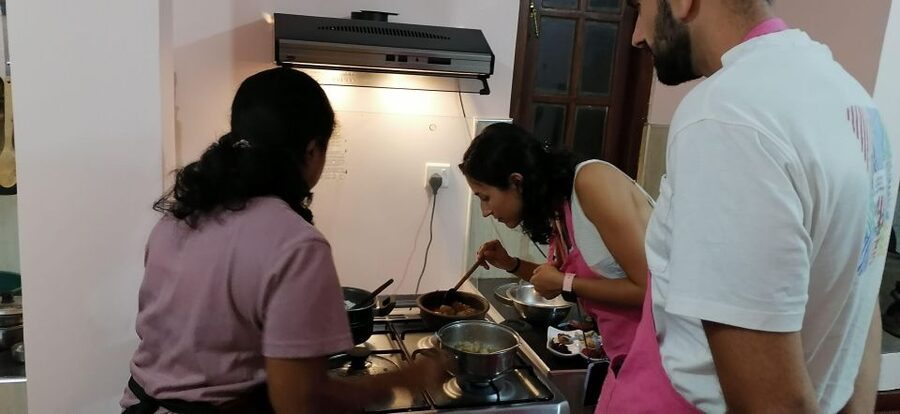
- You do the cooking yourself, using traditional techniques alongside modern kitchen tips.
- Expect a generous class, with past menus including around 10 or 11 dishes, prepared in two rounds.
- Hotel pickup and drop-off are included, and the three-hour session is offered in English.
A private kitchen lesson with a personal menu
The appeal here is not simply eating Sri Lankan food. It is learning how the meal comes together. Sithara and Upali shape the session around your preferences before you arrive, which gives you more control than a fixed cooking demonstration.
You can discuss the type of food you want to make, your dietary needs, and how much time you have for learning. That matters in Sri Lanka, where a single meal can include several curries, sambals, breads, rice dishes, and small accompaniments. A custom plan keeps the class focused on food you are most likely to cook again.
This is also a private group experience. You are not trying to follow a teacher from the back of a crowded room or waiting for your turn with a single cooking station. The teaching can move at your speed, with room for questions about ingredients, methods, and substitutions.
The setting is a home, not just a commercial classroom. That gives the session a more personal feel, though you should choose it because you enjoy conversation and close contact with your hosts. If you prefer a quick, highly structured demonstration with minimal interaction, this may feel more involved than you want.
Other cooking classes around Ella:
- Ella: Traditional Sri Lankan Cooking Class
★ 4.9 · 788 reviews - Ella: Sri Lankan Cooking Class with Neranji at Homestay
★ 5.0 · 276 reviews - Ella : Cooking class with amazing Spice Garden Tour
★ 5.0 · 239 reviews
From natural tea to apron and chopping board
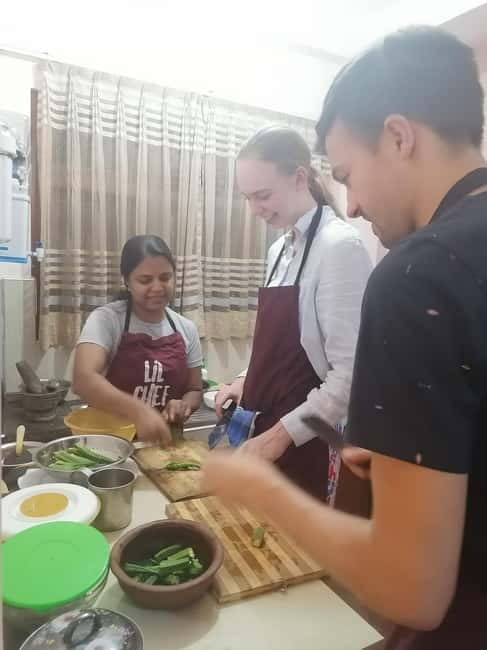
The exact opening can be tailored, but a typical session begins with a warm welcome and an introduction to the hosts. One account describes starting with natural tea before putting on cooking aprons. That small beginning sets the tone: this is a social meal as well as a lesson.
You then move into the kitchen and discuss what you will prepare. Sithara explains what each ingredient does and why a particular method matters. Upali helps create a relaxed setting and joins the conversation, making the experience feel less like a formal class and more like being welcomed into a Sri Lankan home.
The lesson is conducted in English. Since the course is private, you can ask for a slower explanation when a step is unfamiliar. That is useful with Sri Lankan cooking, where the timing and texture of an ingredient can matter as much as the recipe itself.
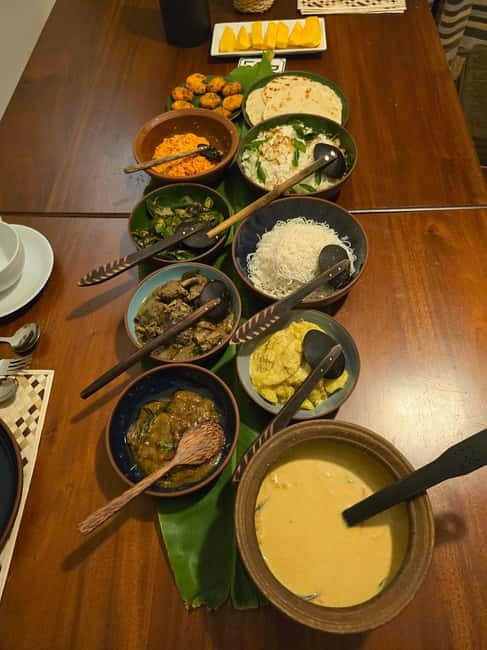
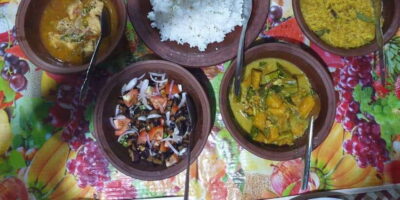
The class is not limited to one curry. Past sessions have included about 10 or 11 dishes, divided into two rounds so the work remains manageable. The number of dishes will depend on your chosen menu, but the format gives you a broad look at Sri Lankan cooking rather than one isolated recipe.
Why the spice lesson matters
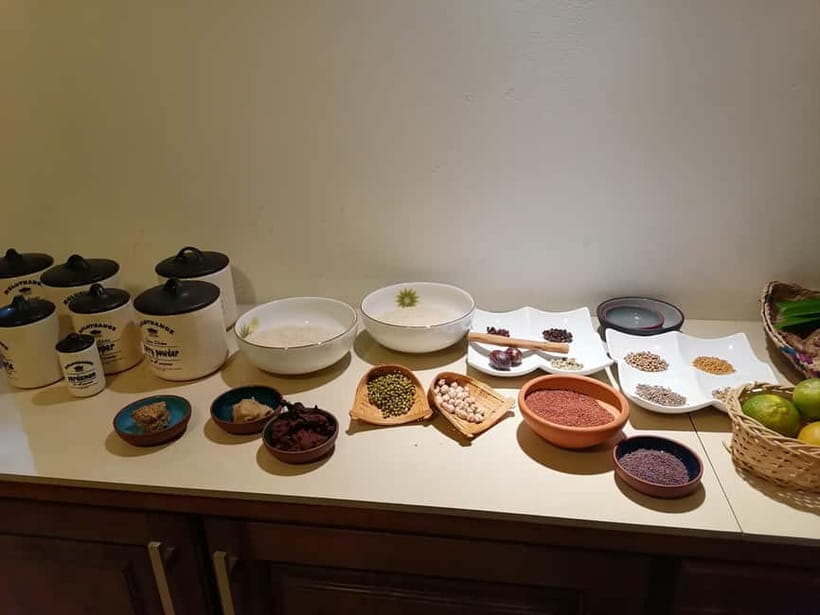
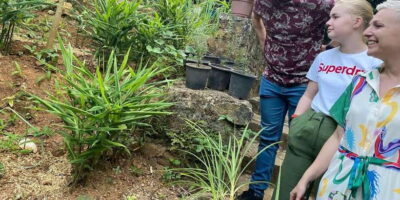
The spice section is one of the most useful parts of the class. In Sri Lankan cooking, curry paste helps create the dish’s color, taste, and aroma. You are not simply handed a prepared mixture. You get to work with a selection of spices and see how traditional curry paste is made.
That lesson helps you understand why two dishes called curry can taste so different. The balance of spices, the order of cooking, and the treatment of the paste all affect the finished food. Sithara also explains the cultural side of the ingredients, connecting what is in the pan with Sri Lankan culinary customs.
You may find this especially helpful if you cook at home but tend to buy ready-made sauces. The focus is on methods you can repeat, not just on watching a local expert perform a recipe. The class also covers modern techniques, so the food is not presented as something that requires a traditional household setup.
I would pay close attention here and take notes if allowed. The most useful information may be a simple detail about texture or timing that is hard to pick up from a recipe card. The supplied information does not promise printed recipes, so do not assume you will leave with a formal booklet.
Cooking traditional dishes in a modern kitchen
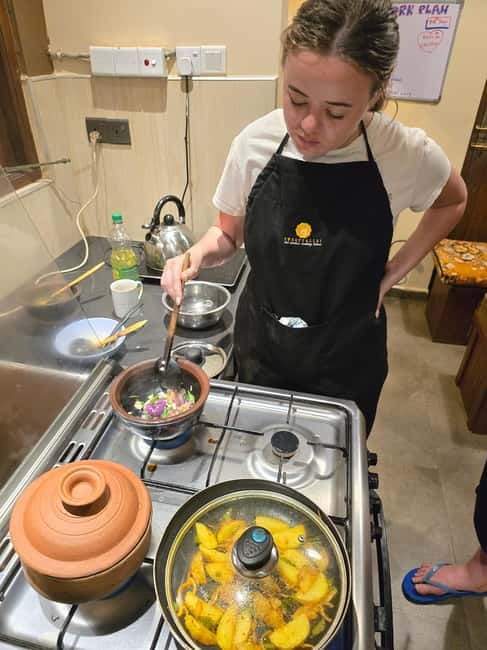
After the spice work, you prepare the selected dishes with guidance from the hosts. The food can include starters, main meals, snacks, and desserts. You might work on curries and sambal, make roti, or prepare fresh string hoppers, depending on the menu agreed in advance.
String hoppers are a good example of why the hands-on format helps. The dish involves more than knowing a list of ingredients. You need to see how the mixture is handled and how the final texture should look. The same is true of roti, sambal, and curry paste. A teacher can correct your technique while you are still working, rather than leaving you to guess at home.
The class can also be shaped around specific requests. One menu included a celebrated cashew curry, while another included a vegan spread with string hoppers, curries, roti, and sambal. These examples do not guarantee those dishes on your date, but they show the range you can discuss with Sithara and Upali.
The hosts teach why you are doing each step, not only what to do. That is important for home cooking. If you understand why a spice is added at a certain point or how a paste should smell and look, you can adapt the dish later instead of following a recipe blindly.
Same base, a completely different day:
- Ella: Drop to Tangalle/Hiriketiya/Mirissa/Galle & Yala Tour
★ 4.9 · 518 reviews - Ella: Little Adam’s Peak, Nine Arches Bridge & Waterfalls
★ 4.9 · 402 reviews - ELLA: Drop to Tangalle/Hiriketiya/Mirissa/Galle & Yala Tour
★ 4.1 · 336 reviews - From Ella: Drop to Tangalle/Hiriketiya/Mirissa & Yala Safari
★ 4.8 · 296 reviews
Eating what you have made
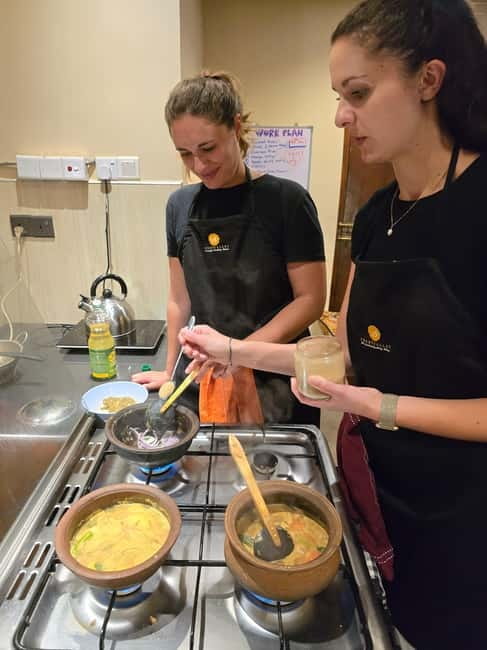
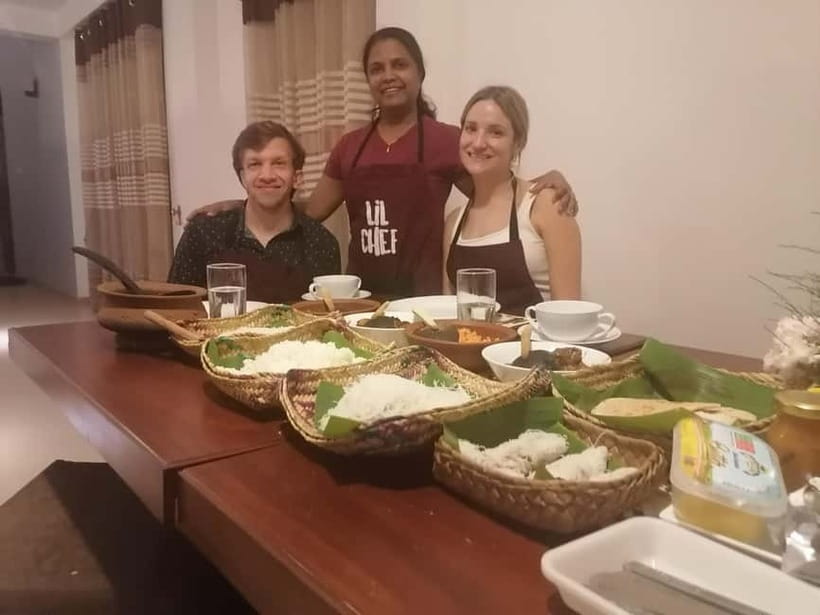
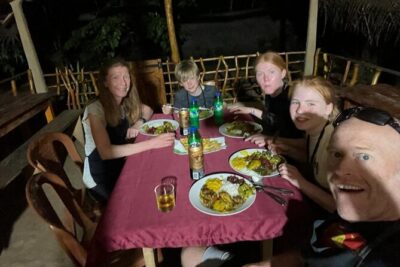
The reward comes at the table, where you eat the dishes prepared during the session. This turns the class into a full meal, with conversation about food, culture, daily life, and the hosts’ experiences.
The meal is likely to be generous when the menu includes 10 or 11 dishes. That is part of the fun, but it may be more food than you expect from a three-hour class. If you are traveling with a small appetite, ask in advance how the menu will be sized. The experience is designed around your preferences, so it makes sense to discuss quantity as well as ingredients.
I like that you eat your own work rather than watching a host cook everything while you sit aside. The meal gives you a chance to compare textures and flavors immediately. You can ask what you would change next time and talk through ways to reproduce the dish at home.
The social side is just as important. Sithara and Upali are described as warm, humble hosts who take an interest in the people they teach. If you enjoy learning through conversation, this adds real value. If you want a quiet class with little personal interaction, the home setting may not suit you as well.
Vegan, vegetarian, and gluten-free options
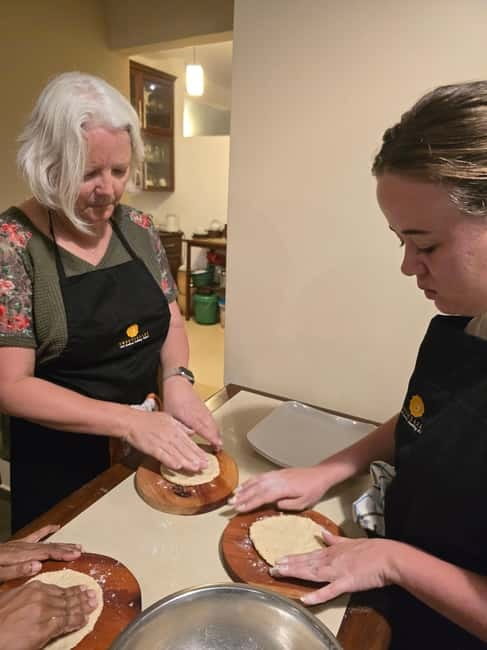
Dietary needs can be discussed before the session. Authentic vegan and gluten-free meals are available, and a vegan menu has already been arranged successfully. This is more useful than simply removing meat from a standard meal, since Sri Lankan cooking offers plenty of plant-based dishes with their own spice combinations and textures.
Tell the school your requirements before arrival. You can also request particular dishes, but the final menu will depend on what is practical for the session and the time available. The important point is that your restrictions are part of the planning, not an afterthought at the table.
Vegetarians and vegans may find this especially appealing because the menu can be built around the foods they actually want to learn. Gluten-free participants should still discuss their needs clearly in advance, since the class may include roti or other wheat-based items unless the menu is adjusted.
Three hours, pickup, and the practical details
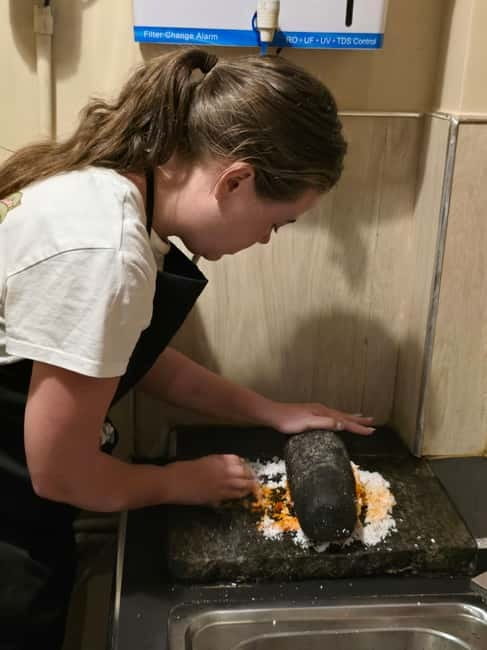
The experience lasts three hours, with hotel pickup and drop-off included. A driver will call the mobile number provided when arriving, so keep your phone available and make sure the booking has the correct contact details.
Pickup is a real convenience if you are staying in the area and do not want to arrange local transport for an evening activity. It also means you can focus on the cooking rather than finding the home yourself. The provided information does not specify a pickup radius or exact meeting time, so check availability for your accommodation and preferred start.
The class is wheelchair accessible. Since the experience takes place in a home kitchen, I would still mention any mobility needs when booking so the hosts can confirm that the arrangement works for you.
English is the listed teaching language. The private format should make it easier to ask for explanations, though the pace will still depend on your group and how many dishes you select.
The experience costs $42 per person. For three hours of private instruction, a substantial meal, hotel transport, and a menu planned around your needs, I consider that a fair price. The value is strongest for couples, families, or small groups who will actually use what they learn at home.
The price is less compelling if you only want to eat Sri Lankan food. A restaurant meal will usually take less time and may cost less. You are paying here for instruction, participation, transport, and a personal exchange with the hosts.
You can cancel up to 24 hours in advance for a full refund, and you can reserve now and pay later. Those policies help if your route through Sri Lanka is still changing.
Who will enjoy Sweetvalley Cooking School most
I would recommend this class to you if food is part of the reason you travel. It suits curious cooks, couples, families, and small private groups who want to understand Sri Lankan flavors rather than simply sample them.
It is also a good choice if you are staying in or around Ella and want an evening activity with a local household feel. The supplied information connects the experience with Ella stays, while the formal location is given as Sri Lanka’s Eastern Province, so confirm the pickup area before booking.
You do not need to be an experienced cook. The pace is tailored to your group, and the hosts explain the techniques as you work. Beginners may appreciate the direct guidance, while confident home cooks can use the session to ask more detailed questions about spice blends and traditional preparation.
I would hesitate only if you dislike long meals, close conversation, or active participation. This is not a quick class built around a single dish. It is a social, food-heavy session with several recipes and plenty of time in the kitchen.
Should you book this Sri Lankan cooking class?
Book it if you want a personal lesson with a real meal at the end, especially if you have dietary needs or specific dishes in mind. Sithara and Upali offer the rare advantage of flexibility: you can help shape the menu, learn traditional and modern methods, and cook the food yourself.
Before you commit, send your menu requests early and ask how many dishes fit comfortably into three hours. Also confirm pickup from your hotel and mention any wheelchair access or dietary requirements.
I would choose this over a standard cooking demonstration if you want practical skills and a warm local encounter. I would skip it only if your schedule is tight or you want a simple restaurant meal rather than an evening built around cooking, eating, and conversation.
FAQ
How long does the cooking class last?
The private cooking class lasts three hours.
How much does the experience cost?
The price is $42 per person.
Is hotel pickup and drop-off included?
Yes. Hotel pickup and drop-off are included. The driver will call the mobile number provided when arriving.
Can the menu accommodate dietary restrictions?
Yes. The session can be discussed and tailored in advance. Authentic vegan and gluten-free meals are available, and other meal preferences can be considered.
What language is the class taught in?
The instructor teaches in English.
Can I cancel and receive a refund?
Yes. You can cancel up to 24 hours in advance for a full refund. You can also reserve now and pay later.
More cooking classes in Ella
- Ella Sri Lanka : Mom’s Kitchen Cooking class
★ 5.0 · 113 reviews - Ella Cook With Sadamali
★ 5.0 · 70 reviews - Ella: Sri Lankan Authentic Cooking expirience
★ 5.0 · 59 reviews - Organic cooking class sigiriya (kumara & family)
★ 5.0 · 650 reviews
Just added around Ella
- Zip Lining in Ella★ 4.5 · 16 reviews
- YALA BLOCK 5 & 6 (Weheragala & Lunugamwehera) Safari Tour★ 4.8 · 30 reviews
- Yala Block 5: Private Morning or Evening Safari★ 4.3 · 4 reviews
- Sri Lanka private tour package 10 Days. and luxury hotel★ 5.0 · 3 reviews
- Sri Lanka Private 10-Day Round Tour Car, Guide, Hotels, Food★ 4.8 · 10 reviews
- Haputale:Glorious Tuk Tuk Ride to Lipton’sSeat & Tea Factory★ 5.0 · 6 reviews
- Get a private driver for day tours around Sri Lanka★ 5.0 · 18 reviews
- From Tangalle/Hiriketiya: Shuttle to Ella with Yala Safari★ 4.8 · 6 reviews
Cooking Classes, compared.
Organic cooking class sigiriya (kumara & family)
Read our review →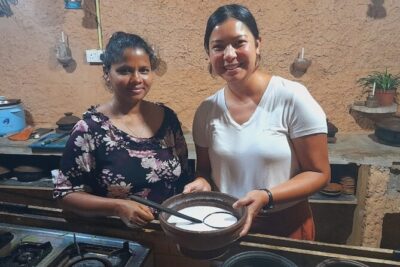
Sri Lankan Cooking Class with Neranji at Homestay
Read our review →
Browse the lists this tour appears in