
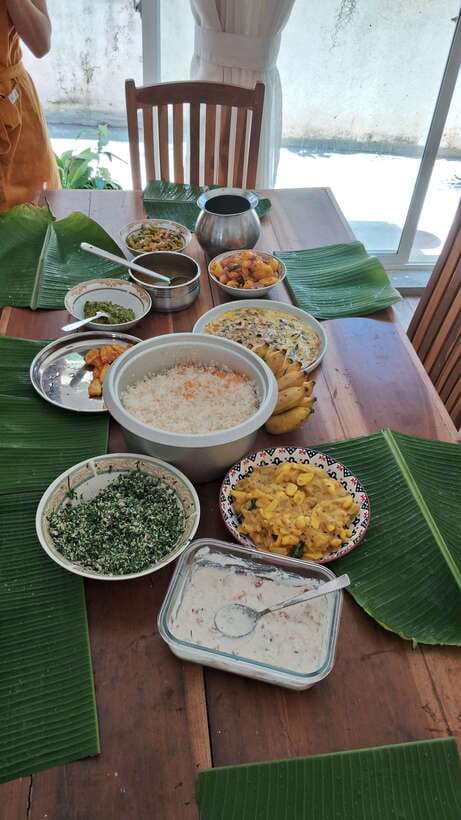
Reviewed · COOKING CLASSES
Cooking with Arun & Tamil Family
The best part of Cooking with Arun is its family setting. You are not simply shown how to prepare Sri Lankan food, then sent on your way. Arun, his mother, and an assistant bring you into their cozy kitchen, guide you through each step, and sit down with you to enjoy the meal afterward. Music, guitars, a ukulele, and a friendly dog named Snowy keep the mood relaxed.
I especially like the Tamil-style cooking and the flexible menu. You can ask for vegetarian, vegan, mild, or meat-based dishes, and food allergies or other restrictions can be discussed in advance. I also like that you receive a recipe book, so the lesson can continue in your own kitchen.
The main consideration is the setting. This is a home-based family activity, not a polished restaurant kitchen or a formal chef school. That is exactly the appeal for many people, but you should choose it for warmth and participation rather than professional culinary training.
Key points at a glance
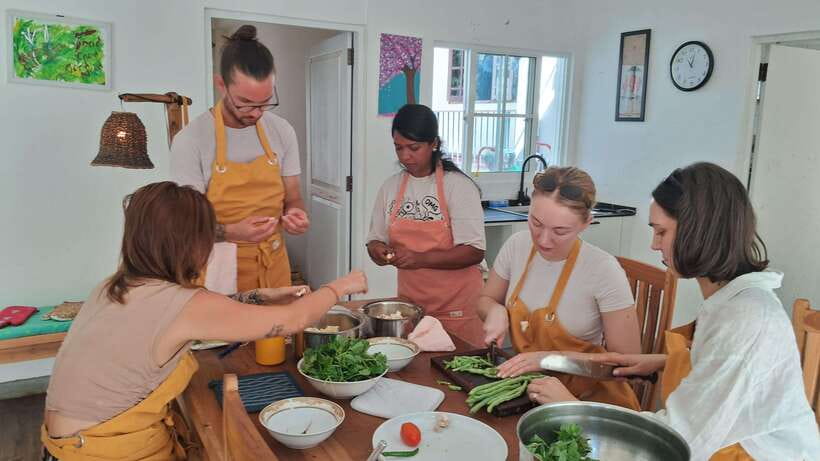
- A family kitchen in Central Province: Cook with Arun, his mother, and an assistant in a relaxed Tamil household setting.
- A menu shaped around you: Choose from Sri Lankan dishes with vegetarian, vegan, mild, and meat-based options.
- A three-hour food and culture experience: Cook, dine together, enjoy tea and sweets, and spend time with the family.
- Music is part of the evening: Guitars and a ukulele are available for guests who want to play while cooking.
- Snowy adds a friendly welcome: The family pet is part of the home atmosphere.
- Useful take-home value: You receive a complimentary PDF recipe book and may take extra food home or donate it.
Cooking Sri Lankan food in Arun’s family kitchen
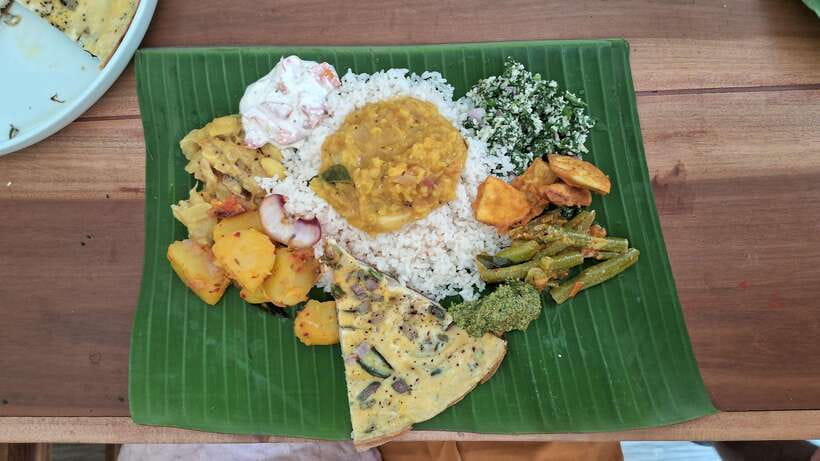
This experience works because the cooking lesson is also a social visit. Arun welcomes you into his family kitchen, where his mother brings the practical cooking experience and the family helps keep the lesson moving. The atmosphere is intended to feel easy and open, even if you rarely cook at home.
You do not need advanced skills. The teaching is designed for beginners as well as confident cooks, with guidance through each stage. That makes this a good choice if you want to learn by doing rather than watch a chef work from a distance.
The Tamil focus matters. Sri Lankan food varies by region, family, and community, and this lesson gives you a particular family style rather than a generic restaurant version. You can expect strong flavors, careful use of spices, and dishes prepared in the way Arun’s family cooks them.
The exact menu can vary because it is customized. That is helpful if your group has mixed tastes, but it also means you should not book expecting one fixed list of dishes. Tell the family about dietary needs and spice preferences before cooking begins.
Other cooking classes around Kandy:
- Kandy Village Cooking Class
★ 5.0 · 536 reviews - Private Traditional Sri Lankan Cooking Class in Kandy with Hotel Transfers
★ 5.0 · 115 reviews - Cooking With Village Family
★ 5.0 · 104 reviews
A three-hour visit with a clear rhythm
The experience lasts three hours, giving you enough time to cook and eat without turning the session into a full-day commitment. Starting times depend on availability, so check the schedule when booking.
The visit begins with a welcome drink. This gives you a chance to settle in and meet the family before the hands-on work starts. The welcome is part of the experience, not just a quick refreshment before an activity.
Next comes the cooking lesson. Arun and his family lead you through the preparation, explaining what to do as you work. The lesson is built around participation, so expect to chop, mix, season, and help prepare the meal rather than simply take notes.
The cooking stage is likely to be the most active part of the visit. If you are new to Sri Lankan food, pay attention to how the family balances heat and flavor. If you already cook, you can use the session to compare techniques and ask about the choices behind each dish.
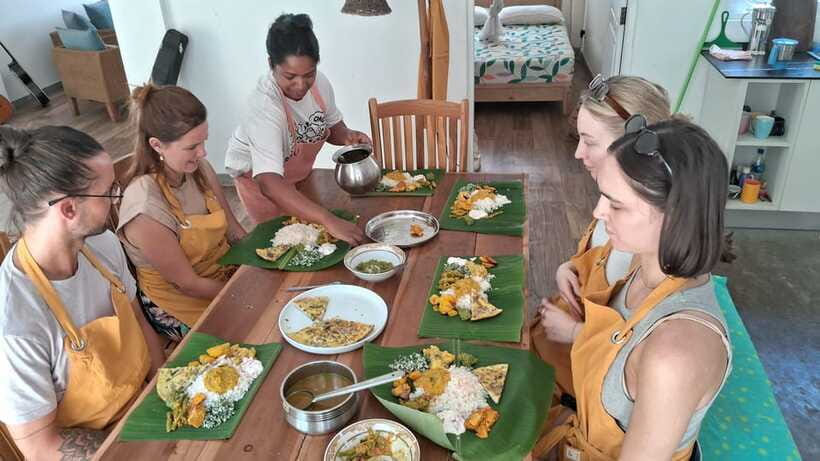
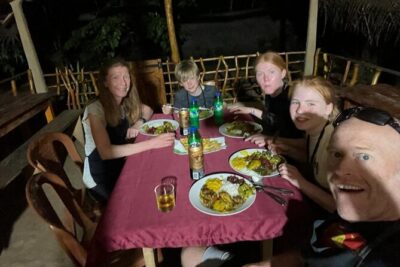
Once the food is ready, you dine together in the home. That shared meal is important. It lets you taste the results while the cooking process is still fresh in your mind, and it turns the lesson into a genuine social occasion.
Afternoon tea with authentic sweets is included as well. This adds a lighter, traditional touch to the meal and gives you another chance to try something you might not order in a restaurant.
Why the Tamil menu makes a difference
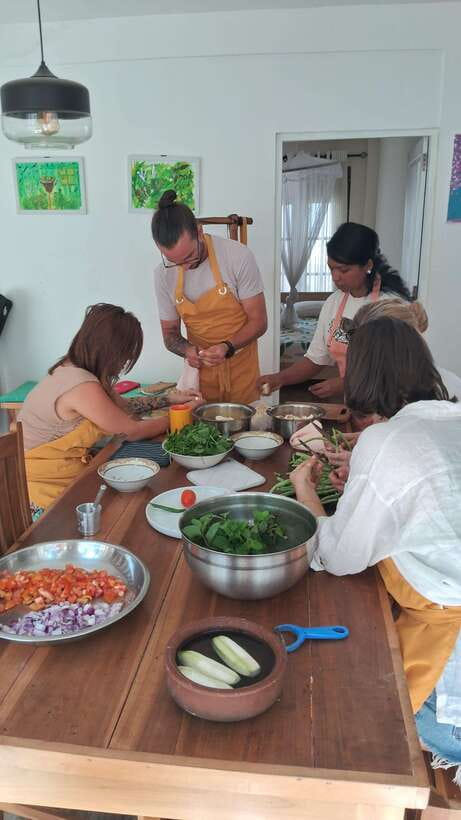
Sri Lankan food is often reduced to fiery curry, but this lesson presents more range. The menu includes spicy curries along with milder, flavorful choices, and the family can adjust the selection for vegetarian, vegan, or meat-eating participants.
That flexibility is one of the strongest practical features. A couple or family does not need to agree on one type of meal before booking. You can ask for different options, and food allergies or dietary restrictions can be discussed with the hosts.
I would still contact the provider before the day if your restrictions are serious. The activity specifically says that accommodations are possible, but the supplied information does not list individual dishes or guarantee that every allergy can be handled. Clear communication is the sensible approach.
The food also has a useful local connection. Fresh, locally sourced ingredients are used whenever possible. That does not turn the class into a market tour, since no market visit is included, but it does connect the meal to the ingredients and cooking habits of the area.
You should also expect the menu to be adapted to the group. That can be an advantage because you are more likely to eat food you enjoy, but people hoping to master one famous, fixed recipe may prefer a formal cooking school with a set syllabus.
Arun, his mother, and a welcoming team
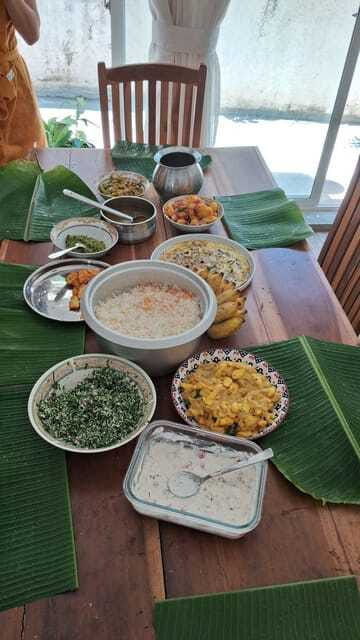
Arun is the main host, and his mother provides the family cooking expertise at the heart of the session. An assistant also helps with the experience. The small team matters because it keeps the instruction personal without making the group feel crowded.
Groups are limited to 10 people. That is small enough for a more direct lesson, though the experience will feel different with two participants than with a full group of 10. If you value quiet, one-on-one instruction, ask about the group size available on your date.
The English-language instruction makes the activity accessible to international visitors. The hosts explain the cooking in English, and the informal format leaves room for questions during the preparation.
The warmth of the hosting is a major reason to book. Arun and his family have been praised for their humor, kindness, and willingness to make the occasion special. A young child was also treated kindly during one visit, so families with children may find the home setting comfortable, although the activity is still centered on cooking rather than child-specific entertainment.
Same base, a completely different day:
- Kandy Private Guided City Tour by Tuk Tuk
★ 4.9 · 1,307 reviews - From Kandy: Sigiriya Rock & Dambulla Cave Temple Adventure
★ 4.9 · 785 reviews - Kandy to Ella Train Tickets – Reserved Seats
★ 4.5 · 523 reviews - From Kandy: Pinnawala Day Tour
★ 4.8 · 331 reviews
Music, Snowy, and the details that make it personal
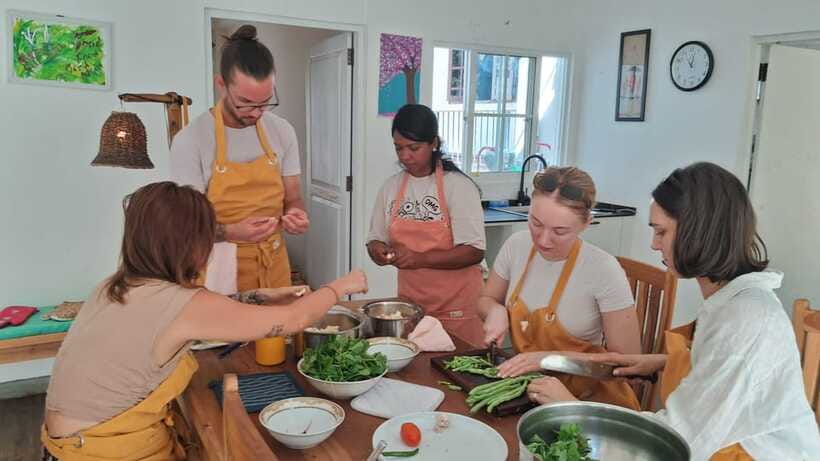
Good food is only part of the plan. The family encourages music during the cooking session, with guitars and a ukulele available. You can plug in and play favorite tunes, strum along, or simply listen while working.
This is a charming feature, but it is not the main event. If nobody in your group wants to play, you will not miss the central cooking lesson. If you enjoy informal music, it gives the visit a little extra character and makes the kitchen feel more like a family gathering.
Snowy, the family pet, is also part of the scene. The dog may be eager to inspect the cooking and provide some company during the meal. This will appeal to animal lovers, though anyone with a dog allergy should consider the home setting before booking.
After the meal, you may be able to take extra food home if more was prepared. You can also donate surplus food to disadvantaged people. The amount of extra food is not guaranteed, so treat this as a possible benefit rather than something to plan your dinner around.
The rooftop area and the final cup of tea
A rooftop chill-out area is available for relaxing and taking in the views. The information does not specify exactly what can be seen from the roof, so do not book this as a dedicated sightseeing viewpoint. Think of it as an additional place to unwind after the cooking and meal.
The rooftop option is useful because a three-hour food activity can otherwise feel tightly packed. It gives you time to slow down, continue talking, and enjoy the setting after the practical part is finished.
The included afternoon tea and authentic sweets fit naturally here. They offer a gentler finish than another heavy dish and give you a final taste of the family’s food traditions.
What you take home besides a full stomach
The complimentary PDF recipe book is one of the best-value features. A cooking class is easy to enjoy and then forget, especially when the recipes depend on unfamiliar spices or techniques. Written instructions give you a better chance of making the dishes again.
The recipe book cannot replace the explanations you receive in person. You will still need to remember how the family handled seasoning, texture, and timing. I recommend taking notes during the session if you want to recreate the meal accurately.
The chance to take extra food home also adds value. If more food was made, you can keep some for later or donate it. This is a practical touch, especially if you are staying in accommodation where you can store food.
Is $37 a fair price?
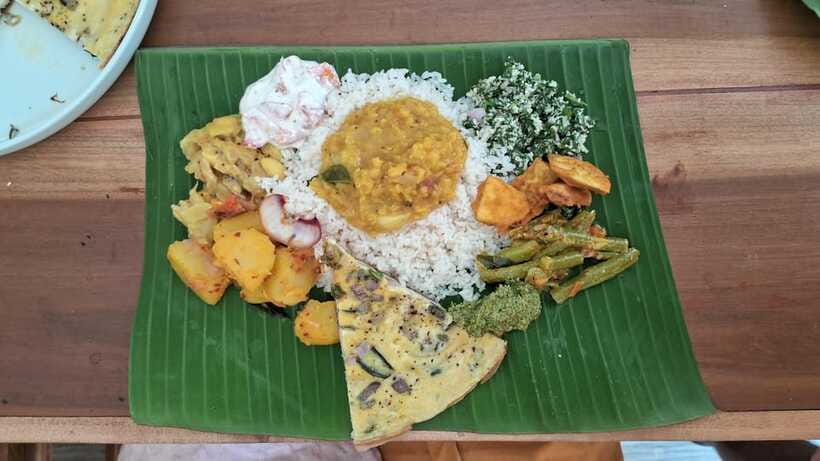
At $37 per person, the price covers more than a cooking demonstration. You receive a welcome drink, a three-hour lesson, the meal, afternoon tea with authentic sweets, a PDF recipe book, and time with the family.
The value is strongest if you want a cultural experience as well as food. You are paying for instruction, ingredients, hosting, and a shared meal in a private home setting. Compared with eating one meal at a restaurant, the activity gives you much more contact with the people preparing the food.
It is less compelling if you only want a cheap dinner. The session takes three hours, and the cooking is part of the commitment. You need to be willing to participate, listen, and spend time with the family.
The reserve-now, pay-later option can help if your Central Province plans are not fixed. You can reserve a place without paying immediately, and cancellation is free up to 24 hours in advance for a full refund. Starting times depend on availability, so check both the schedule and your transport plans before committing.
Who will enjoy this most?
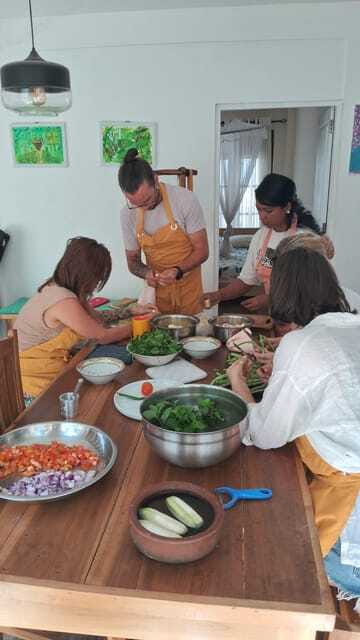
I would recommend this experience to people who want a personal introduction to Sri Lankan food and do not mind a relaxed home setting. It suits couples, families, solo visitors, and small groups who enjoy cooking together.
It is also a good match for vegetarians and vegans because the menu can be adapted. Meat eaters are covered too, and mild-food preferences can be discussed.
Families with young children may appreciate the informal welcome and the kindness shown to a two-year-old during one session. Still, cooking requires some attention, so parents should decide if their child will be comfortable around a three-hour food activity.
This may not suit you if you want a silent, highly structured class, a fixed restaurant-style menu, or professional chef certification. It is about family recipes, shared food, music, and conversation.
Should you book Cooking with Arun?
Book it if you want to cook Tamil-style Sri Lankan food with real hosts in a friendly home kitchen. The combination of Arun, his mother, flexible dishes, shared dining, tea and sweets, music, Snowy, and the recipe book gives the experience a personal shape that a standard restaurant meal cannot match.
At $37, it offers good value for anyone who sees a cooking class as part meal, part cultural exchange, and part evening with a welcoming family. Just keep your expectations clear: this is not a formal culinary course, and the menu is customized rather than fixed.
The perfect reason to book is simple. You want to learn a few family-style Sri Lankan recipes, eat what you helped prepare, and leave with instructions to try again at home.
FAQ
Where does Cooking with Arun take place?
The experience takes place in Central Province, Sri Lanka, in Arun’s family kitchen.
How long does the cooking experience last?
The activity lasts three hours.
How much does it cost?
The listed price is $37 per person.
Who teaches the cooking lesson?
Arun, his mother, and an assistant host the experience. Instruction is provided in English.
How many people can join?
The activity is limited to 10 participants.
Can the menu accommodate vegetarians and vegans?
Yes. The menu can include vegetarian, vegan, mild, and meat-based options. You can also discuss food allergies and other dietary restrictions.
What is included in the price?
The price includes a welcome drink, the cooking lesson, dining in, afternoon tea with authentic sweets, and a complimentary PDF recipe book.
Can I take food home?
If more food was prepared, you may be able to take some home or donate it to disadvantaged people.
Can I cancel my booking?
Yes. You can cancel up to 24 hours in advance for a full refund. You can also reserve now and pay later.
Just added around Kandy
- Udawalawe National Park Private Full-Day Safari★ 5.0 · 3 reviews
- Kandy City Tour & Famous Ambuluwawa Tower with Friendly Chauffeur★ 5.0 · 11 reviews
- White Water Rafting in Kitulgala★ 4.5 · 12 reviews
- From Kandy to Nuwara Eliya Day Tour★ 5.0 · 21 reviews
- Tour to the Hidden Waterfalls around Kandy (Knuckles Range)★ 5.0 · 6 reviews
- Sri Lanka 4 Day Private Tour★ 5.0 · 6 reviews
- White Water Rafting Kitulgala★ 4.5 · 4 reviews
- Wasgamuwa National Park Safari from Kandy★ 5.0 · 3 reviews
Cooking Classes, compared.
Organic cooking class sigiriya (kumara & family)
Read our review →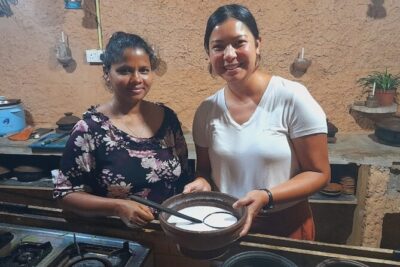
Sri Lankan Cooking Class with Neranji at Homestay
Read our review →
Browse the lists this tour appears in