
Reviewed · COOKING CLASSES
Authentic Sri Lankan Cooking Experience
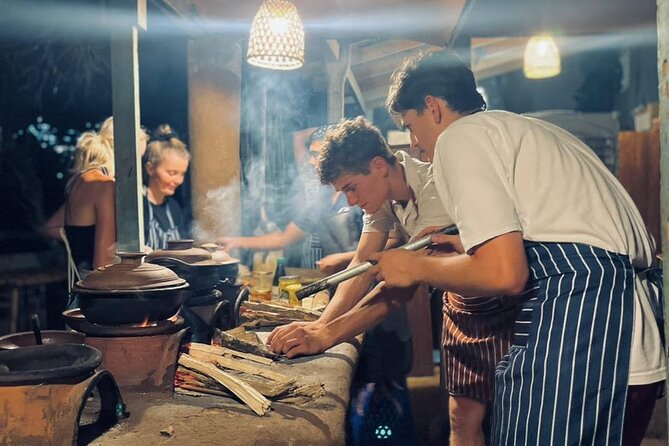
Sri Lankan food makes the most sense when you see where it begins. Here, you walk through a garden, learn about local herbs, then cook a full meal in a recreated grandmother’s kitchen using clay pots, coconut spoons, and a wood-fire stove. The class is held in a quiet village home, not a polished cooking studio.
I like two things right away: the ingredients come from the resort garden, and you do the actual work rather than simply watch a chef. I also like the small, private format, which lets the host adjust the pace and explain the health ideas linked to Ayurvedic cooking.
The main consideration is transport. Pickup is not included, and any arranged vehicle costs extra based on distance and vehicle type. You need to reach Kandy Living Villa & Homestay on your own by 11:00 am.
Key points at a glance
- Garden-to-table cooking: Pick up homegrown vegetables and herbs before they reach the cooking fire.
- Seven dishes and roti: The class can include a generous spread of Sri Lankan dishes, not just one curry.
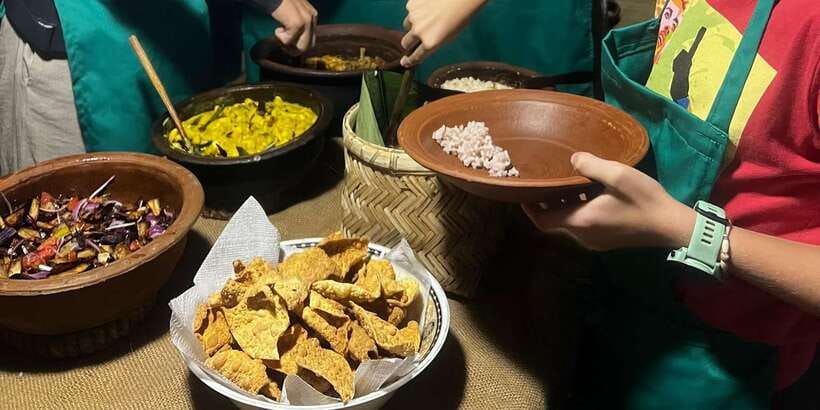
- Traditional outdoor kitchen: Cook with clay pots, coconut utensils, and a wood-fired hearth.
- Private two-and-a-half-hour class: Only your group takes part, making it easier to ask questions.
- Sandy and the local family hosts: Sandy is described as accommodating and helpful, while the family setting adds warmth.
- Vegetarian and vegan friendly: Plant-based cooking is included, not treated as an afterthought.
Starting at Kandy Living Villa at 11:00 am
Your meeting point is Kandy Living Villa & Homestay on Maithree Mawatha, Kandy 20000. The experience begins at 11:00 am and lasts about two hours and thirty minutes.
This is a useful setup if you are staying in Kandy and want a food activity without committing to a full day outside town. Public transportation is nearby, but private pickup is not part of the $25 price. If you ask the host to arrange a vehicle, the added cost depends on the distance and the type of car.
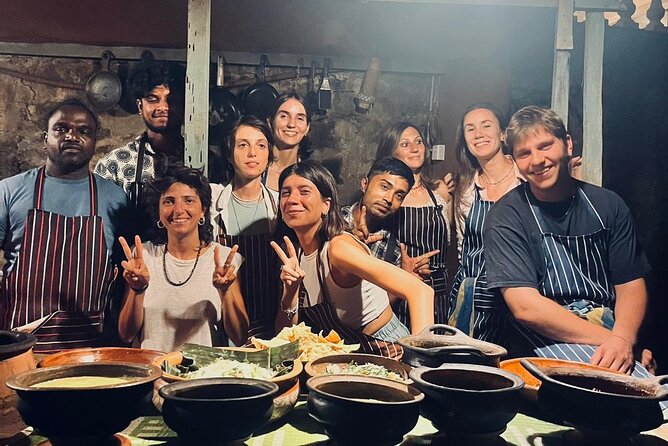
The class is private, so only your own group participates. That matters here. Cooking is more enjoyable when you can take your time chopping, ask about an unfamiliar spice, or admit that your first attempt at a technique needs another demonstration.
The meeting point is also the finish point. You return there after the meal, which keeps the plan simple and avoids arranging a separate ride home.
Other cooking classes around Kandy:
- Kandy Village Cooking Class
★ 5.0 · 536 reviews - Private Traditional Sri Lankan Cooking Class in Kandy with Hotel Transfers
★ 5.0 · 115 reviews - Cooking With Village Family
★ 5.0 · 104 reviews
Walking through the garden before cooking
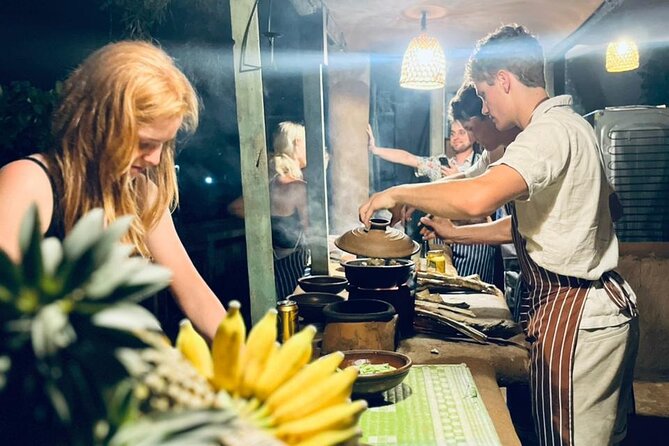
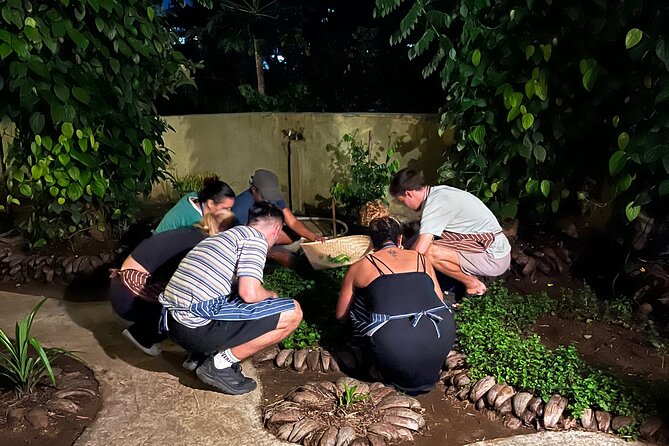
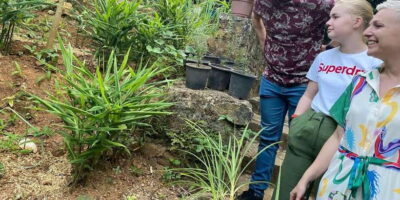
The first important part of the class is not at the stove. You begin with a garden walk, where the host introduces vegetables, herbs, and spices grown at the property.
The garden gives the food a practical context. Instead of hearing a long list of ingredients in the kitchen, you can see the plants and understand how they are used. The host also explains the benefits associated with different foods and herbs, including ideas connected with traditional Ayurvedic cooking.
That does not turn the class into a medical lesson. Think of it as a look at how food and wellness are understood in Sri Lankan home cooking. You learn why certain herbs are valued, how fresh ingredients fit into everyday meals, and why traditional cooking often depends on simple, seasonal produce.
The garden portion is particularly useful if you do not know Sri Lankan ingredients by sight. It helps you connect a leaf or spice to the dish it will flavor later. Just remember that the exact plants available can vary, especially since the activity requires good weather.
Cooking in a recreated grandmother’s kitchen
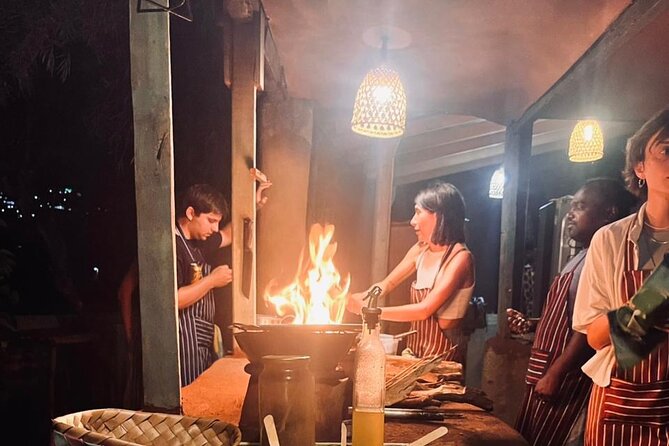
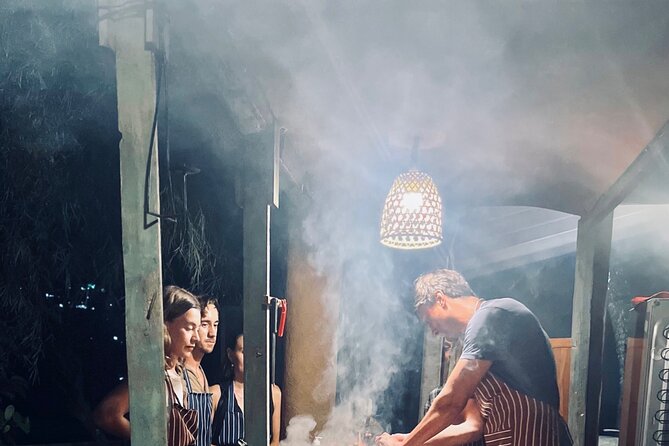
After the garden visit, you move to a traditional outdoor kitchen. The setting is meant to resemble the host family’s grandmother’s kitchen, with a clay hearth and wood fire rather than modern electric equipment.
This is one of the most appealing parts of the experience. A kitchen like this changes your sense of time. You are not rushing from one demonstration to the next. You help prepare food, wait for pots to simmer, and see how heat, spices, and fresh produce work together.
The tools matter, too. Cooking with clay pots and coconut spoons is different from using the stainless-steel cookware found in most home kitchens. The point is not that these tools make every dish better. Their value is cultural and practical: they show you how the meal has traditionally been prepared and give the class a sense of place.
The wood fire can also mean a less controlled cooking process than you would have on a gas burner. That is part of the appeal, but it may feel slower and less tidy. If you want a polished demonstration with every ingredient measured in advance, this is probably not the right format.
Preparing a full Sri Lankan meal
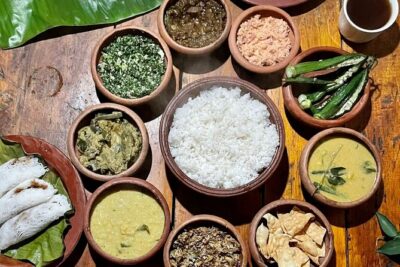
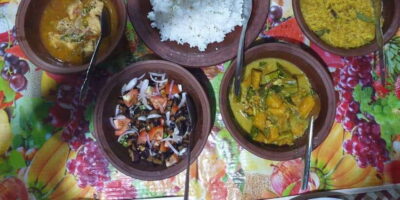
You do not simply make one curry and leave. The class can include seven dishes plus roti, giving you a useful look at the variety of a Sri Lankan meal.
The supplied details do not name every dish, so you should not expect a fixed menu of specific curries. The meal is built around local vegetables, herbs, spices, and traditional preparation. That flexibility may be useful because it allows the hosts to work with what is fresh and suitable for the day.
Roti adds another hands-on element. You get to see how a simple flatbread fits alongside curries and vegetable dishes. The number of dishes also gives you a broader understanding of balance: one preparation may be spicy, another mild, and another focused on herbs or coconut.
The class is designed for participation. You can expect to help with the preparation and cooking rather than sit at a table while someone else does everything. The hosts explain each step, share family methods, and add cultural background as the meal comes together.
Because the session lasts around two and a half hours, the pace should be active but not rushed. Still, seven dishes is a lot for that time. You may spend more time learning key methods than mastering every recipe in full detail. Take notes if you want to recreate the meal later.
Same base, a completely different day:
- Kandy Private Guided City Tour by Tuk Tuk
★ 4.9 · 1,307 reviews - From Kandy: Sigiriya Rock & Dambulla Cave Temple Adventure
★ 4.9 · 785 reviews - Kandy to Ella Train Tickets – Reserved Seats
★ 4.5 · 523 reviews - From Kandy: Pinnawala Day Tour
★ 4.8 · 331 reviews
Learning the family methods behind the food
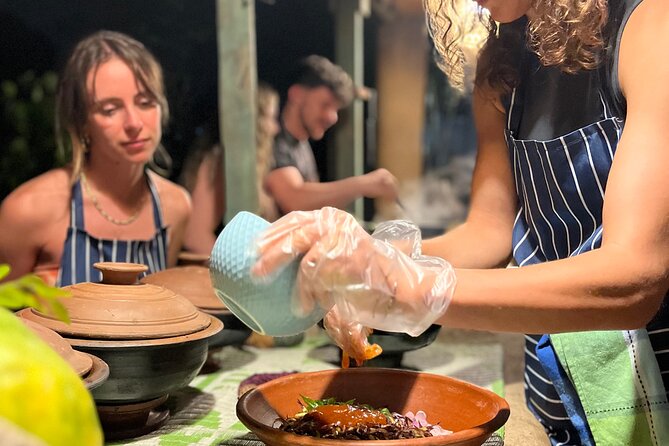
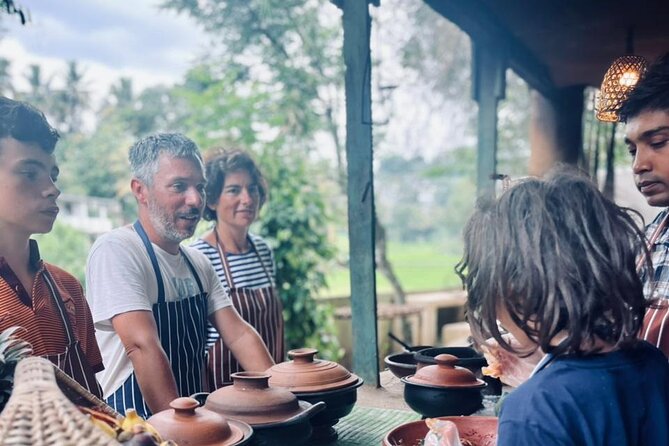
The best part of a private cooking class is often the small instruction that does not appear in a standard recipe. Here, the chef and family hosts explain their own methods and share household knowledge passed down through generations.
That might mean learning how ingredients are combined, when spices are added, or how a dish is judged as it cooks. The supplied information does not promise printed recipes, so ask the host directly if you want written instructions to take home.
Sandy is specifically described as accommodating. One person arrived 45 minutes late and was still helped into the class rather than left to catch up alone. I would not treat that as permission to arrive late, since you will miss part of the garden walk or preparation, but it does suggest a patient approach when plans go wrong.
The family atmosphere is another strength. The hosts are presented as warm and open to cultural exchange, so the class is not only about food. You may hear stories, share a few laughs, and learn how cooking fits into family life in Sri Lanka.
Tea, simmering pots, and a slower pace
While the food cooks, you can enjoy homemade herbal tea or iced tea. This pause is a small detail, but it makes the session feel more like visiting a home than attending a timed demonstration.
The quiet setting also gives you a break from Kandy’s busy streets. You are surrounded by a garden and a simple cooking space, with the meal gradually taking shape nearby. The experience asks you to slow down and pay attention to the process.
That slower rhythm will suit you if you enjoy food as a cultural activity. It may not suit you if you are mainly looking for a quick meal or a highly structured class with no waiting between steps.
The tea is included as part of the experience, and the meal is also included. The information lists both lunch and dinner, though the class begins at 11:00 am, so plan for a substantial midday meal rather than assuming you will return for a separate evening dinner.
What the $25 price really gives you
At $25 per person, this is a strong value if you want more than a meal. You are paying for a private class, a garden introduction, hands-on preparation, the finished food, and a cultural setting that would be difficult to reproduce by eating at a restaurant.
The value is strongest for people who cook at home. You leave with methods, ingredient ideas, and a better sense of how several Sri Lankan dishes fit together. Even if you never recreate all seven dishes, you can use the techniques and flavor combinations in your own kitchen.
The price does not include transportation. That is the main extra cost to consider. If you are already near the meeting point or can use nearby public transportation, the total remains reasonable. If you need an arranged car, ask for the price before confirming, since the amount changes with distance and vehicle type.
The class also includes vegetarian and vegan options. That makes the $25 fee easier to assess for plant-based diners, since you are not paying for a meal that requires major substitutions.
Who will enjoy this cooking class most
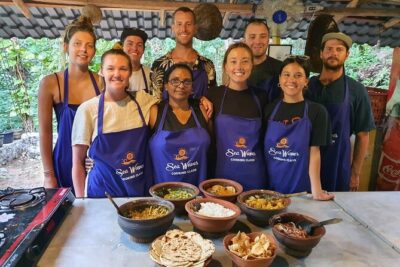
I would choose this experience if you want a personal introduction to Sri Lankan food and do not mind getting involved. It suits couples, families, and small groups who prefer a private activity over a large class.
It is also a good choice for:
- People who enjoy learning about ingredients before tasting them
- Home cooks who want practical techniques
- Vegetarians and vegans
- Visitors interested in Ayurveda and traditional wellness ideas
- Anyone seeking a quiet activity away from Kandy’s main sights
- Families who want a shared, hands-on experience
You may want to choose another activity if you have limited mobility around a garden or outdoor kitchen, although specific accessibility information is not provided. You should also keep your expectations realistic: this is a family-style cultural class, not a professional culinary school.
Weather, timing, and cancellation details
The experience requires good weather because part of it takes place outdoors. If poor weather forces a cancellation, you are offered another date or a full refund.
You can cancel for a full refund up to 24 hours before the local start time. Cancellations made less than 24 hours before the start are not refunded, and changes within that period are not accepted.
Confirmation arrives when you book. Since the activity begins at 11:00 am, allow enough time to reach the villa without relying on a last-minute ride. Being late may be handled kindly, but you will get more from the class if you arrive for the garden walk.
Should you book the Kandy cooking class?
Book it if you want to understand Sri Lankan food through people, plants, and traditional tools. The garden visit, wood-fire kitchen, private format, and meal of several dishes give you much more than a standard restaurant lunch.
The strongest reasons to go are the fresh garden ingredients, the family setting, and the chance to cook every part of the meal. The main drawbacks are the extra transportation cost, the outdoor setting, and the lack of a fixed dish list.
For $25, this is a sensible choice for food-focused visitors in Kandy, especially vegetarians, vegans, and home cooks. Arrive on time, confirm transport, and ask whether recipes will be provided if you want to repeat the meal at home.
FAQ
Where does the cooking class begin?
It begins at Kandy Living Villa & Homestay, Maithree Mawatha, Kandy 20000, Sri Lanka.
What time does the experience start?
The start time is 11:00 am.
How long does the class last?
The activity lasts approximately two hours and thirty minutes.
Is transportation included?
No. Private transportation is not included. If pickup is arranged, an additional charge applies based on the distance and vehicle type.
Where does the experience end?
The activity ends back at the meeting point.
Is the class private?
Yes. Only your group participates in the activity.
Are vegetarian and vegan meals available?
Yes. Vegetarian and vegan options are included.
What is included in the price?
Lunch and dinner are listed as included, along with the cooking experience and tea mentioned during the session.
What is the cancellation policy?
You receive a full refund if you cancel at least 24 hours before the local start time. Cancellations or changes made within 24 hours are not accepted for a refund. If poor weather causes cancellation, you are offered a different date or a full refund.
Just added around Kandy
- Udawalawe National Park Private Full-Day Safari★ 5.0 · 3 reviews
- Kandy City Tour & Famous Ambuluwawa Tower with Friendly Chauffeur★ 5.0 · 11 reviews
- White Water Rafting in Kitulgala★ 4.5 · 12 reviews
- From Kandy to Nuwara Eliya Day Tour★ 5.0 · 21 reviews
- Tour to the Hidden Waterfalls around Kandy (Knuckles Range)★ 5.0 · 6 reviews
- Sri Lanka 4 Day Private Tour★ 5.0 · 6 reviews
- Private Tuk Tuk Tour of Kandy City & Surroundings★ 5.0 · 35 reviews
- White Water Rafting Kitulgala★ 4.5 · 4 reviews
Cooking Classes, compared.
Organic cooking class sigiriya (kumara & family)
Read our review →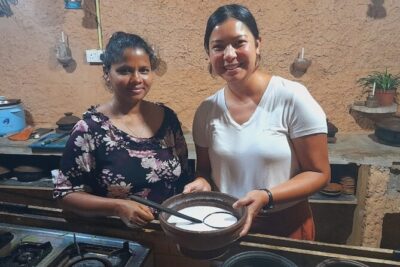
Sri Lankan Cooking Class with Neranji at Homestay
Read our review →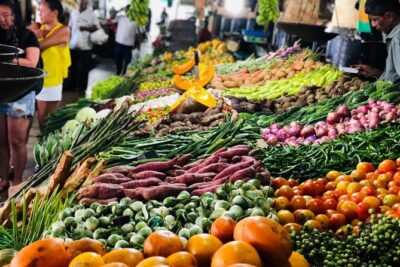
Browse the lists this tour appears in