
Reviewed · COOKING CLASSES
Kandy Cooking Class with Granny
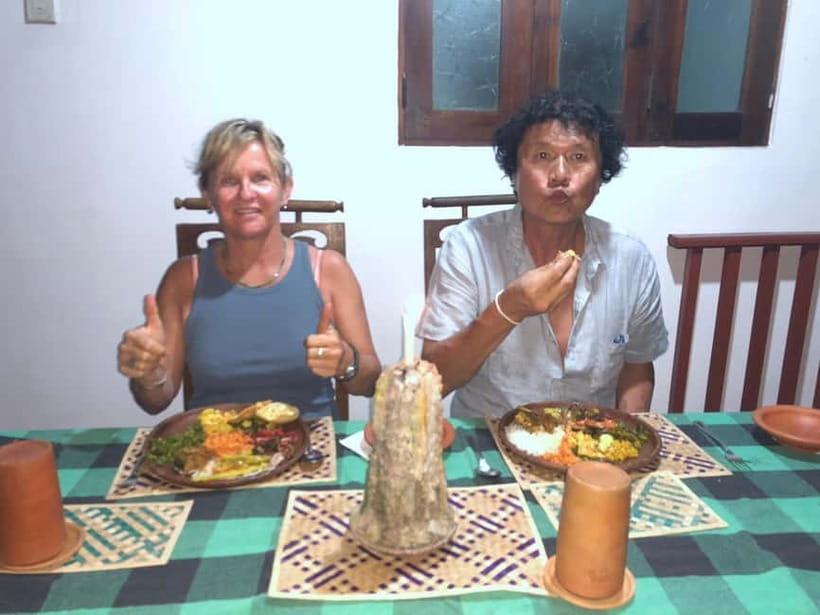
Sri Lankan cooking makes its best impression when you help prepare it. This private village cooking class takes you about 6.5km outside Kandy, where Granny Nandy and her family teach you to work with spices, coconut milk, rice, vegetables, and curry in a real home kitchen rather than a concrete classroom.
I like the chance to cook as many as seven vegetable dishes, then sit down to a generous meal. I also like the local feel, especially when the outing includes a market visit and tuk-tuk ride through the hills. The main thing to watch is the return transport: pickup from Kandy is included, but getting back costs extra and may be quoted above local ride-hailing prices.
Key points
- Granny Nandy leads the class: You learn directly from a local home cook, with family members helping during the session.
- A village home replaces a formal cooking school: The setting is about 6.5km outside Kandy, in a quiet residential area among the hills.
- The menu is large and flexible: Expect rice, seven vegetables, curry, coconut sambol, papadam, and a Sri Lankan sweet.
- The market visit adds real context: Some sessions begin with a local market stop, where you can see and taste unfamiliar fruit and vegetables.
- Vegan cooking is available: You can keep the meal vegan or include egg, chicken, or fish.
- The class runs three times daily: Choose a morning, midday, or evening session, each lasting about three and a half hours.
From Kandy to a family kitchen in the hills
The class begins with pickup in Kandy or within about 3km of the city. From there, you travel to a village home roughly 6.5km away. Several people describe the ride as taking about 20 minutes by tuk-tuk, though traffic and weather can change that.
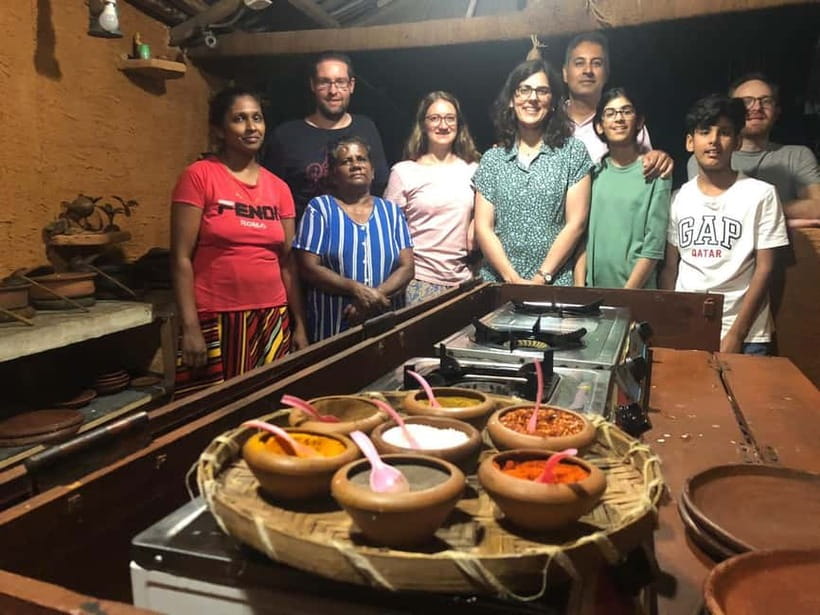
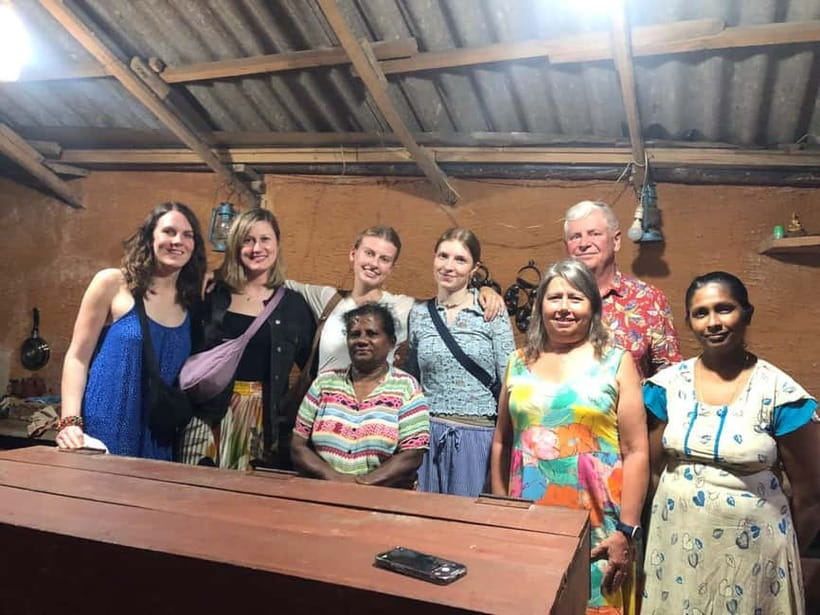
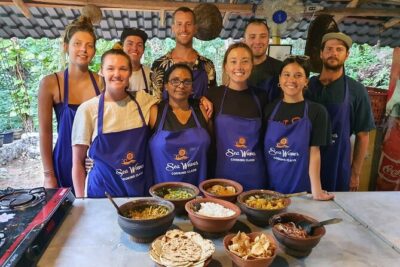
That short trip matters. You leave the city behind and reach a quieter residential area with a more personal feel. This is not a polished cooking studio built for large groups. You cook at a family home, often with three generations present, and the kitchen setting is part of the experience.
You should expect a simple, lived-in place rather than a restaurant kitchen. That is a plus if you want to see how Sri Lankan food is prepared at home. It also means the surroundings may feel less formal than a professional culinary school. The appeal is the contact with family life, not fancy equipment.
The class is private, so you are not placed in a large bus group. Group size can be small, with one group describing a session of four people and another couple having the venue to themselves. That gives you more time to chop, stir, taste, and ask questions.
Other cooking classes around Kandy:
- Kandy Village Cooking Class
★ 5.0 · 536 reviews - Private Traditional Sri Lankan Cooking Class in Kandy with Hotel Transfers
★ 5.0 · 115 reviews - Cooking With Village Family
★ 5.0 · 104 reviews
The market stop and choosing your ingredients
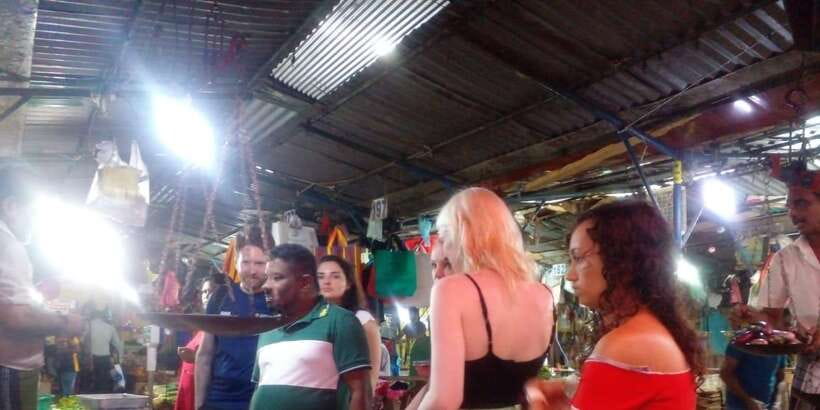
A market visit is included in some versions of the outing and has become one of its most memorable features. You may go with the driver or a family member to buy vegetables before heading to the house.
This is more than a quick shopping errand. You can learn the names of local produce, see what is in season, and choose some of the vegetables that will go into your meal. One market visit included tastings of three kinds of banana, mango, and passionfruit. That small detail gives you a better sense of Sri Lankan produce before you start cooking with it.
The market portion is especially useful if you have eaten Sri Lankan food but do not know what goes into it. You might see vegetables that are unfamiliar at home, then watch them become curry a short time later. It connects the ingredients to the finished meal in a way a standard demonstration cannot.
Do not assume the market visit is guaranteed for every booking or every schedule. The supplied program focuses on the cooking class itself, while the market trip appears as an added part of some sessions. If this is important to you, confirm it when booking.
Learning spices, coconut milk, and Sri Lankan technique
At the house, Granny Nandy introduces the spices used in Sri Lankan cooking and explains how they work together. The class is taught in English, and the method is hands-on. You do not simply watch a cook prepare lunch while standing behind a counter.
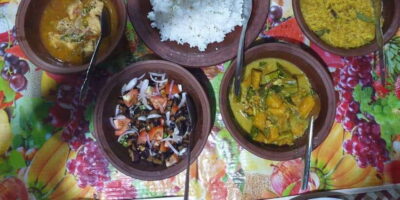
The exact menu changes by day, reflecting different Sri Lankan food traditions. You may help make rice, several vegetable curries, dhal, chicken or fish curry, egg curry, coconut sambol, papadam, and a traditional sweet. One session included a special curry usually prepared for large family occasions.
The vegetables are a major part of the meal. The class includes as many as seven vegetable dishes, and you may be able to choose which vegetables to use. That is useful for home cooks because it shows how Sri Lankan cooking handles many different ingredients with the same basic spice knowledge.
You also learn to make coconut milk, an important step in many Sri Lankan curries. This is one of the practical details worth paying attention to. The finished dishes depend not only on the spice mix, but also on how coconut, water, heat, and vegetables are combined.
Granny Nandy demonstrates each stage, then lets you take part. You might chop ingredients, add spices, stir a curry, or help finish a sambol. The balance is good for beginners because you receive guidance without being expected to arrive with cooking skills.
The generous menu and what you actually eat
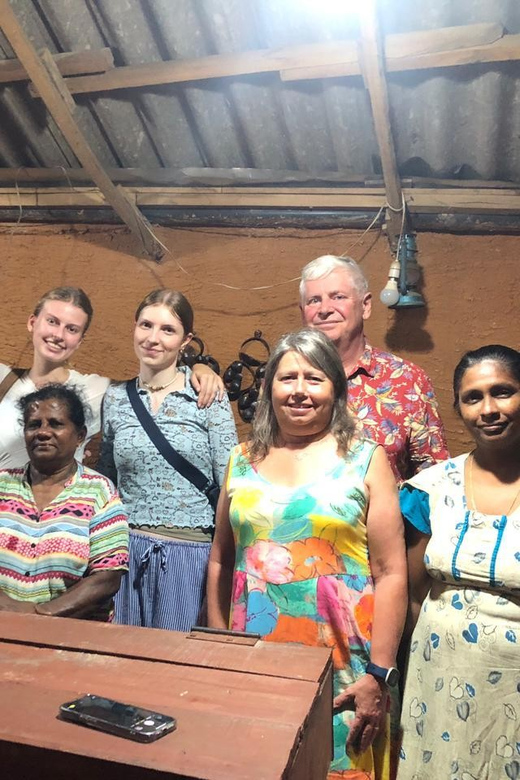
At $25 per person, the value comes mainly from the quantity of food and the amount of teaching. You are not paying for one small dish and a short demonstration. The planned meal includes:
- Rice
- Up to seven vegetable dishes
- Fish or chicken curry, if selected
- A traditional Sri Lankan sweet
- Coconut sambol
- Papadam
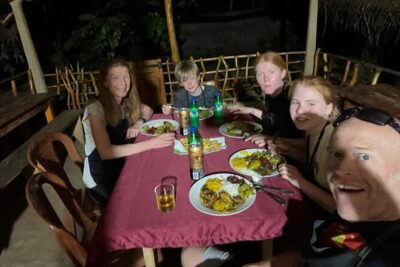
The food is plentiful enough that you should arrive hungry. Several sessions produced eight or more preparations once rice, snacks, and different curries were counted. This can make the three and a half hours feel like a full meal, not just a lesson.
The menu can suit different diets. Vegan food is available, and you can add egg, chicken, or fish if you prefer. A gluten-free request was accommodated for one participant. Still, you should state allergies and dietary needs clearly before the class rather than relying on a last-minute adjustment.
The variety also gives you a useful introduction to the Sri Lankan plate. Instead of tasting one curry in isolation, you learn how rice, sambol, papadam, dhal, vegetables, and stronger meat or fish curries work together. The meal shows why Sri Lankan cooking is not simply about making one hot sauce.
Same base, a completely different day:
- Kandy Private Guided City Tour by Tuk Tuk
★ 4.9 · 1,307 reviews - From Kandy: Sigiriya Rock & Dambulla Cave Temple Adventure
★ 4.9 · 785 reviews - Kandy to Ella Train Tickets – Reserved Seats
★ 4.5 · 523 reviews - From Kandy: Pinnawala Day Tour
★ 4.8 · 331 reviews
Why the home setting adds value
A cooking class in a restaurant can teach technique. A class in a family home gives you a better sense of how food fits into daily life. Here, the people teaching you are not just following a script. The warm family atmosphere is a central part of the experience.
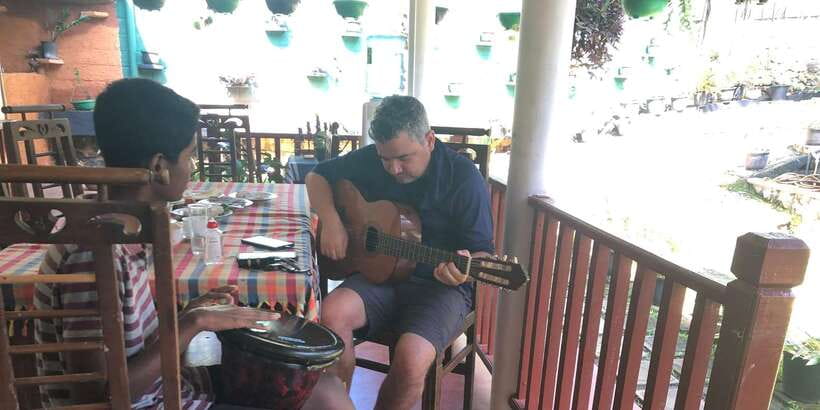
The family setup also makes the class feel social. Tea may be served when you arrive, and family members help explain ingredients or guide you through the work. The tone is informal, with plenty of interaction and room for humor.
That informality has a tradeoff. You may not receive a neatly timed professional demonstration with every quantity measured in grams. Sri Lankan home cooking often depends on tasting, adjusting, and judging by feel. If you want exact culinary-school precision, this may feel loose. If you want to understand how local food is actually made, that looseness is part of the point.
You can also request the recipes afterward. Photos of the dishes and recipes can be sent to you so you can try making them at home. This is valuable because a large menu can be hard to remember after one evening, especially when several curries use related spice combinations.
Choose your time: morning, midday, or evening
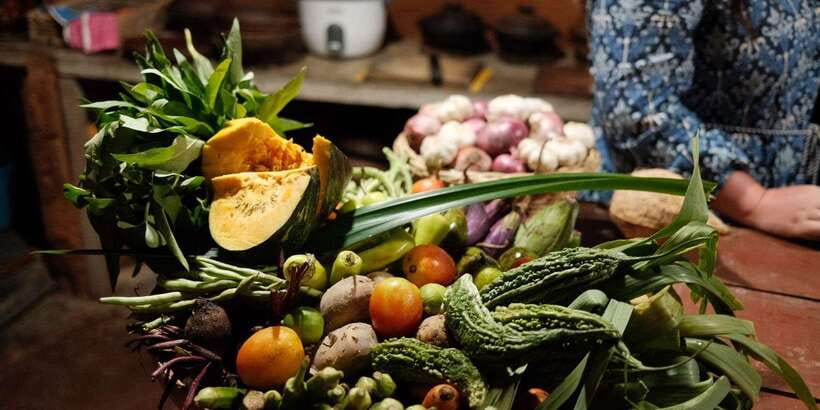
The class is offered in three daily time slots:
- Lunch class: 9:00am to 12:30pm
- Midday class: 1:00pm to 4:30pm
- Dinner class: 5:00pm to 8:30pm
The morning session suits you if you want the rest of the day free. It also ends at lunchtime, so you can eat what you prepared before moving on to another Kandy activity.
The midday session is a practical choice if your morning is already occupied. The evening class is likely the most atmospheric, especially when you arrive in the hills late in the day and finish with a large home-cooked dinner. Several people chose the evening option and treated it as one of their main Kandy activities.
The advertised duration is three and a half hours, though the general guidance allows three to four hours. Your pace matters. If your group cooks slowly, asks many questions, or spends time at the market, do not plan a tight appointment immediately afterward.
Transport: convenient pickup, extra cost on the way back
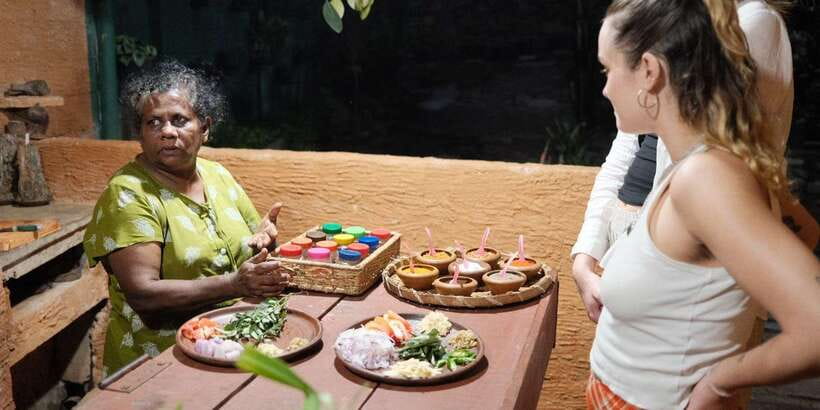
Pickup is included from Kandy and from locations within about 3km of the city. The journey to the house may be arranged by tuk-tuk, and this is part of the fun for many people. It gets you into the village without needing to work out local transport first.
The return trip is not included in the $25 price. You can arrange transportation through the provider, but you pay extra. One person found the quoted return fare much higher than a PickMe ride, so I would compare prices before agreeing.
This is the clearest practical weakness in the arrangement. The class itself is good value, but the final cost can rise if you accept an expensive return transfer without checking alternatives. Ask about the return price before the class begins, and consider using a local ride-hailing service if one is available in your area.
The location is not in central Kandy. It is a village about 6.5km from the city, and the class is not suitable for wheelchair users. Those details are easy to overlook when planning a short stay, so allow time for the ride in both directions.
Who will enjoy this class most
I would recommend this experience to you if food is one of the main reasons you visit Sri Lanka. It suits curious eaters, beginner cooks, couples, families, and solo visitors who prefer a personal activity over a standard city tour.
It is particularly good for anyone who wants to understand vegetables and spices. The menu gives you repeated practice with curry-making rather than a single recipe. You also get a chance to taste local fruit and see produce in a market setting if that part is included.
The class works well for vegetarians and vegans because the vegetable dishes form the center of the meal. Meat and fish can be included, but they are not required. Gluten-free needs may be manageable, though you should explain them in advance.
You may want to skip it if your schedule is extremely tight, you dislike informal home settings, or you want a polished professional kitchen. It is also not the right choice if you need step-free access. The village location and extra return fare require a little planning.
Is $25 a fair price?
For three and a half hours, a large meal, hands-on instruction, local transport to the house, and a private group, $25 is a strong price. The value improves if your session includes the market visit, since you get a second activity before the cooking begins.
The price does not cover the return journey, so calculate that separately. Even with a paid ride home, the class can still be good value, especially when compared with a restaurant meal that teaches you nothing about preparing the food.
The most important value is not the number of dishes. It is the chance to learn the logic behind them: how spices are used, how coconut milk is made, how vegetables are selected, and how several small dishes become one Sri Lankan meal.
Should you book the Kandy cooking class with Granny?
Book it if you want a warm, hands-on introduction to Sri Lankan food in a real village home. Granny Nandy, the family helpers, the possible market visit, and the long list of dishes make this more personal than a simple cooking demonstration.
Before booking, confirm your pickup point, ask whether the market visit is part of your session, state any dietary needs, and find out the return transport price. If you are comfortable with those details, this is one of the better-value ways to spend an evening or half-day in Kandy.
FAQ
Where does the cooking class take place?
The class takes place in a village home about 6.5km outside Kandy, in a quiet residential area rather than in the city center.
How long does the class last?
The scheduled duration is 3.5 hours. The listed sessions run from 9:00am to 12:30pm, 1:00pm to 4:30pm, or 5:00pm to 8:30pm.
Is hotel pickup included?
Pickup is included from Kandy and locations within about 3km of Kandy. Transport from Kandy to the cooking location is included, while the return journey costs extra.
Is the cooking class private?
Yes. The activity is offered as a private group experience.
Is the class taught in English?
Yes. English is the listed language for the class.
What food will I cook?
The meal includes rice, up to seven vegetable dishes, coconut sambol, papadam, and a traditional Sri Lankan sweet. You can also include fish, chicken, or egg.
Can I request vegan food?
Yes. Vegan dishes are available. You can also request egg, chicken, or fish if you want them included.
Does the experience include a market visit?
Some sessions include a visit to a local market before the class, where you may see and taste local fruit and vegetables. Confirm this detail when booking if it is important to you.
Is the class suitable for wheelchair users?
No. The experience is not suitable for wheelchair users.
Just added around Kandy
- Authentic Sri Lankan Cooking Class in Kandy by Local Family★ 4.9 · 15 reviews
- Ambuluwawa Tower & Pinnawala & Kandy Day Tour From Negombo★ 5.0 · 4 reviews
- Ambuluwawa Tower & Pinnawala & Kandy Day Tour From Colombo★ 5.0 · 5 reviews
- Ambuluwawa Tour : From Kandy with Tea Factory Visit★ 5.0 · 16 reviews
- 8-Day Sri Lanka Private Round Tour Hotels, Meals, Car, Guide★ 4.3 · 6 reviews
- Kandy: Sigiriya Fortress & Cave Temple Full Day Private Tour★ 4.1 · 29 reviews
- 1 Hour Private White Water Rafting in Kitulgala From Kandy with Hotel Pickup★ 5.0 · 15 reviews
- Private Kandy City Tour: Temple of the Tooth & Lake Highlights★ 5.0 · 27 reviews
Cooking Classes, compared.
Organic cooking class sigiriya (kumara & family)
Read our review →
Sri Lankan Cooking Class with Neranji at Homestay
Read our review →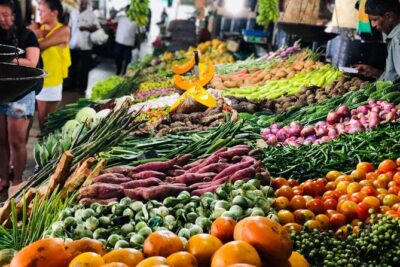
Browse the lists this tour appears in