
Reviewed · COOKING CLASSES
Authentic Sri Lankan Cooking Class in Kandy with Local Family
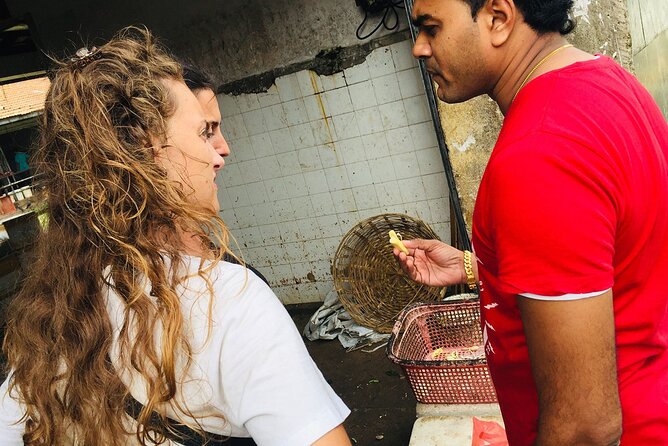
The best part of this Kandy cooking class is its setting: you cook inside a real family home, not a polished culinary school. The teachers are the host’s wife, sister, and mother, women who prepare traditional food every day. I like the family atmosphere and the chance to learn techniques you can repeat at home. I also like that you can add a visit to a local market for a closer look at Sri Lankan spices and vegetables.
The one thing to consider is the lack of a fixed restaurant-style kitchen or professional chef. That is the point for many people, but it also means the class feels informal and family-led rather than highly structured. Pickup is available only around Kandy city, and the class begins at 5 pm.
Key points at a glance
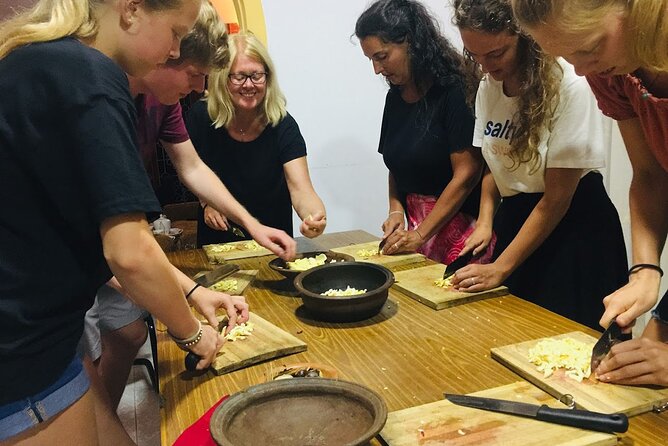
- A real Kandy home kitchen: Cook with the host’s wife, sister, and mother in their family home near the Bahirawakanda Buddha statue.
- Three generations may join in: The host’s three young daughters sometimes take part, adding a natural family feel.
- Optional market visit: Ask to visit a local market and learn about the spices and vegetables used in Sri Lankan meals.
- Practical cooking skills: The techniques are designed to be repeated at home, and recipes are provided at the end.
- A three-hour evening activity: The 5 pm start works well after a day exploring Kandy.
- Small-scale by tour standards: The class accepts a maximum of 15 people, though the home setting may feel more personal than a large group class.
Cooking Sri Lankan food inside a family home
This experience gives you something a standard restaurant class cannot: a look at how food fits into everyday family life. You do not simply watch a chef prepare a set menu. You enter a household near Kandy city center and cook in the home kitchen with several members of the family.
The main teachers are the host’s wife, sister, and mother. Their experience comes from cooking traditional food day after day, often several times daily. That matters because you are learning from people who use these methods as part of ordinary life, not just for demonstrations.
I like this setup because it keeps the focus on food that families actually prepare. You can ask questions about ingredients, cooking habits, and the place of food in Sri Lankan life. The class also includes cultural and historical tips about the cuisine, so the meal has some context behind it.
Do not expect a theatrical cooking show. The class is home-based, informal, and personal. The host makes clear that there is no professional chef. For me, that is a strength if you want a local experience, though people seeking exact measurements, restaurant plating, or a formal kitchen may prefer a more polished class.
Other cooking classes around Kandy:
- Kandy Village Cooking Class
★ 5.0 · 536 reviews - Private Traditional Sri Lankan Cooking Class in Kandy with Hotel Transfers
★ 5.0 · 115 reviews - Cooking With Village Family
★ 5.0 · 104 reviews
The 5 pm start works well in Kandy
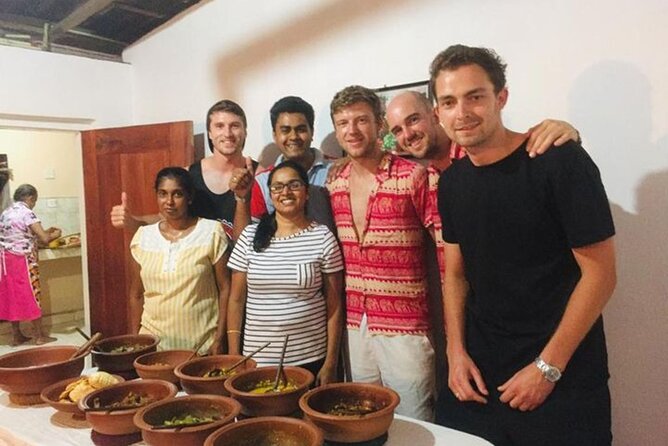
The class begins at 5 pm and lasts about three hours. This makes it a useful evening plan after sightseeing in Kandy, when you are ready to slow down and eat rather than squeeze in another major attraction.
The timing also gives the experience a natural rhythm. You arrive, settle into the family home, learn about ingredients and methods, prepare the food, and then eat what you have helped make. The class is long enough to feel substantial without taking up an entire day.
Pickup and drop-off can be arranged for hotels around Kandy city. This is worth requesting in advance if you are not comfortable finding the home yourself. The meeting details are otherwise centered on the Kandy area, and the house is close to the large Buddha statue at Bahirawakanda Mountain.
The location has a calmer feel than the center of town. The home is described as being in a green, quiet setting, while still close to Kandy’s main urban area. Since pickup is limited to around Kandy city, you should check your hotel location before booking.
A possible market visit before the cooking begins
If you want more than the kitchen session, the family can guide you to a local market. This part is not presented as a fixed stop for every booking, so you should request it when arranging the experience.
A market visit can help you understand the ingredients before you cook with them. The family explains the spices and vegetables, giving you a better sense of how Sri Lankan meals are built. Even if you already know curry powder or chili, seeing the raw ingredients in their local setting can make the later cooking steps easier to understand.
The market option is especially useful for people who want practical food knowledge rather than only a meal. You can connect the ingredient to the finished dish and learn what to look for when trying to recreate it at home.
The trade-off is that an optional market visit may make the schedule less predictable. Since the full activity lasts about three hours, ask how the market stop will fit into your chosen start time. If cooking is your main goal, you may prefer to spend the entire session in the kitchen.
Learning from the host’s wife, sister, and mother
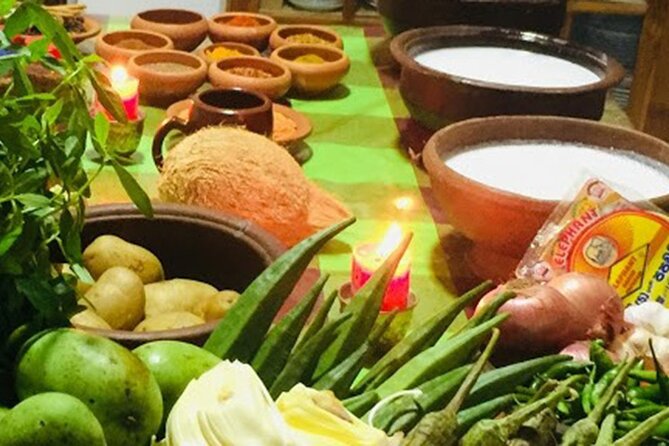
The strongest feature here is the group of teachers. The host’s wife, sister, and mother lead the cooking, and the host explains that women in the family have particular experience with traditional food because they cook it every day.
That detail gives the class a useful focus. You are not simply receiving a generic introduction to Sri Lankan cuisine. You are learning household methods passed through a family, with different generations contributing their own experience.
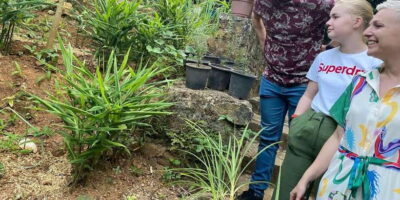
The host’s three young daughters sometimes join the class too. They are described as very cute, but the more important point is that their presence reinforces the family setting. You may see the class unfold as part of ordinary home life, rather than as a performance separated from the household.
This can make the experience feel warm and relaxed. It can also mean that the pace is less formal. If you need a tightly timed lesson with every step announced and measured, ask questions as you go. The family format rewards curiosity and conversation.
Same base, a completely different day:
- Kandy Private Guided City Tour by Tuk Tuk
★ 4.9 · 1,307 reviews - From Kandy: Sigiriya Rock & Dambulla Cave Temple Adventure
★ 4.9 · 785 reviews - Kandy to Ella Train Tickets – Reserved Seats
★ 4.5 · 523 reviews - From Kandy: Pinnawala Day Tour
★ 4.8 · 331 reviews
What you can expect to cook and learn
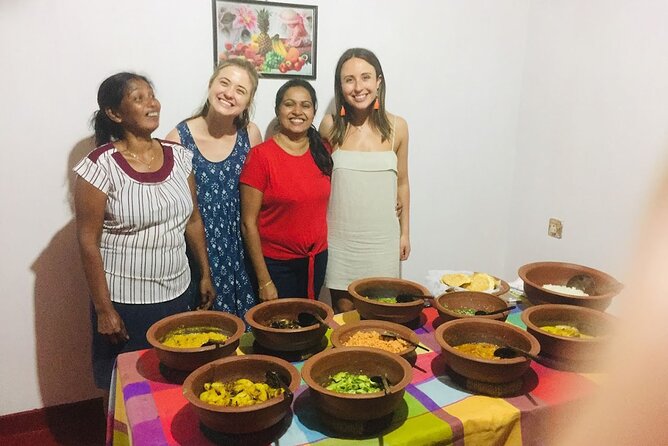
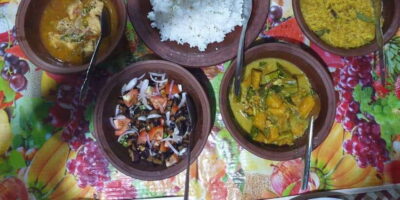
The available details do not specify a fixed menu, so you should not book expecting particular dishes unless the family confirms them. What is clear is that you learn traditional Sri Lankan cooking, including methods and ingredient use that can be repeated in your own kitchen.
That flexibility can be helpful. A family may adjust the lesson based on available vegetables, the season, or the group’s interests. It also leaves room for questions about how a dish is made at home, not just how it is presented for tourists.
You can expect the teaching to cover more than the final recipe. The family explains traditions, spices, vegetables, and the background of Sri Lankan cuisine. You learn by taking part, rather than sitting through a lecture.
I would pay attention to technique. Home cooking often depends on timing, texture, and knowing when an ingredient is ready. Those are the details that can be hard to pick up from a cookbook. Ask the teachers to repeat any step you want to remember, then use the supplied recipes as a guide when you return home.
The recipes are provided at the end of the class. This is an important part of the value because the meal does not disappear when the evening ends. You leave with something you can use, although you may still need to adapt ingredient names, quantities, or availability in your own country.
Eating the food you helped prepare
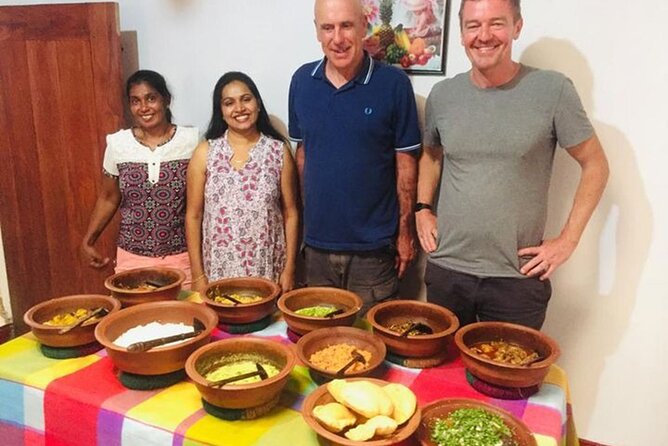
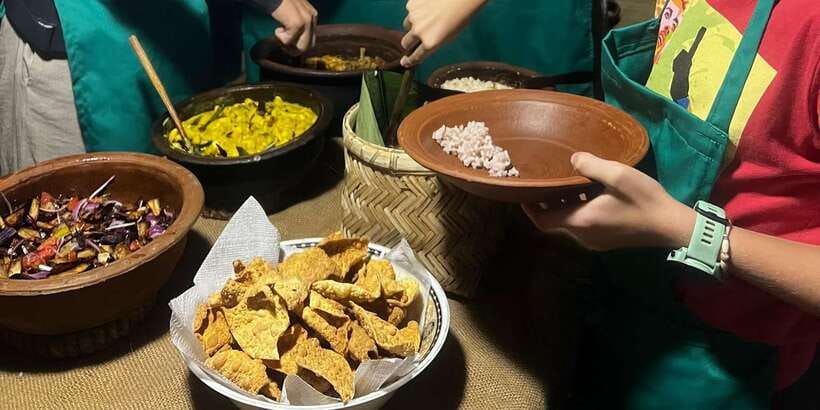
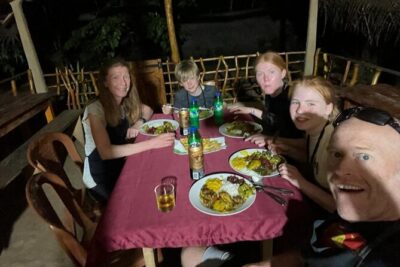
The meal at the end gives the class a clear purpose. You are not cooking for practice alone. You prepare traditional food and then eat it together in the family home.
That shared meal is where the cooking, family setting, and cultural explanation come together. You can ask final questions while eating and compare what you made with the way the family normally prepares it.
The experience is best suited to people who enjoy food as a social activity. Couples, friends, and solo visitors who like conversation should find the setting appealing. It may be less suitable if you want a quiet, private meal or if you do not enjoy participating in preparation.
The class has a maximum of 15 people. That is not an especially tiny limit, so the exact feel may depend on the booking size. A couple or small group should find it easier to ask questions and work closely with the family. With a fuller group, you may need to be proactive so you do not miss a step.
Is $35 good value in Kandy?
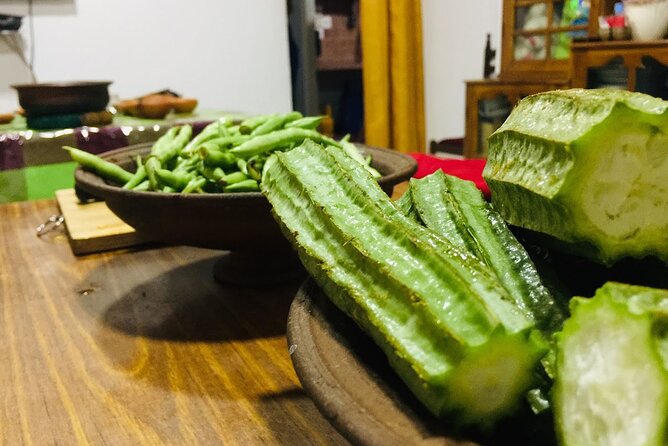
At $35 per person, this is priced as a full evening activity rather than a simple meal. You are paying for about three hours, instruction, the family setting, the food you prepare, cultural explanation, and recipes to take home.
The value is strongest if you want personal contact and practical skills. A restaurant dinner might cost less, but it would not give you the same chance to handle ingredients, ask about family traditions, or learn how to repeat the food at home. A formal cooking school might offer more equipment and structure, but it could feel less connected to everyday life.
The optional market visit adds value if you want to understand the ingredients in their local setting. Since it may need to be arranged, ask for it before the class rather than assuming it is included automatically.
The price is less compelling for someone who mainly wants to eat Sri Lankan food without cooking. You spend part of the evening preparing the meal, so the experience suits people who see cooking as the main attraction.
What the informal format means for you
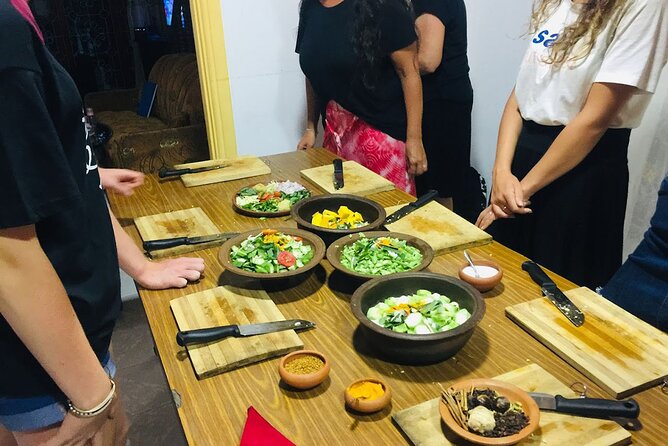
The lack of a professional chef is worth understanding before you book. The teachers are family members, and the class takes place in their home kitchen. You get a more personal experience, but not necessarily the polished instruction or restaurant-level presentation found in a specialist culinary studio.
I see that as a fair trade. Traditional home cooking is often learned through repetition, observation, and conversation. You may pick up small practical habits that a formal lesson would skip, such as how a family handles common vegetables or uses spices in everyday meals.
Still, be realistic about the format. The information does not promise a detailed printed itinerary, a fixed menu, or a private class. The maximum group size is 15, and the family format means the evening may have a relaxed pace.
If you want the most from it, arrive ready to ask questions. Ask which spices are essential, what substitutions work at home, and which parts of the recipe can be prepared ahead. The family’s experience is most useful when you engage with it.
Who should book this Kandy cooking class?
I would recommend it to you if you want three things: a home-based setting, contact with a local family, and cooking skills that you can use after your trip. It is also a good fit for people who want an evening activity near Kandy rather than another sightseeing stop.
Food-focused visitors will get the most from the optional market visit. Families and couples may also enjoy the presence of the host’s wife, sister, mother, and sometimes the three daughters. The activity has a friendly, social character rather than a formal classroom mood.
You should think twice if you need a guaranteed menu, a professional chef, or a highly controlled schedule. The class is intentionally informal, and the available details do not promise specific dishes.
The 5 pm start, three-hour length, and possible hotel pickup make it easy to fit into a Kandy itinerary. Confirm that your hotel is within the pickup area around Kandy city, and ask in advance if you want the market option.
Booking and cancellation details
You receive confirmation at the time of booking, and mobile tickets are accepted. The activity is near public transportation, while pickup and drop-off may be arranged for hotels around Kandy city.
Free cancellation is available if you cancel at least 24 hours before the 5 pm start time. Cancellations or changes made within 24 hours are not accepted for a refund. The activity also requires a minimum number of people, so if that minimum is not reached, you can be offered another date or experience, or receive a full refund.
The class is offered by Best Kandy Kitchen. It is commonly booked around 20 days ahead, so I would not leave it until the last minute if your Kandy dates are fixed.
Should you book it?
Book this class if you want to cook in a real Sri Lankan home, meet the women who prepare the family food, and leave with recipes you can try again. The optional market visit makes it even more useful for people curious about spices and vegetables.
Skip it if you want a formal culinary course with a professional chef, a guaranteed menu, or restaurant-style presentation. For everyone else, $35 buys a personal three-hour evening and a direct look at family cooking in Kandy. That is a fair price for an experience built around participation, conversation, and food you make yourself.
FAQ
Where does the cooking class take place?
The class takes place in a traditional family home near Kandy city center, close to the large Buddha statue at Bahirawakanda Mountain.
What time does the class begin?
The class begins at 5 pm.
How long does the experience last?
The cooking class lasts approximately three hours.
Is hotel pickup available?
Pickup and drop-off can be arranged for hotels around Kandy city. You should confirm that your hotel is within the service area.
Can I visit a local market during the experience?
A local market visit can be arranged if you want to learn about Sri Lankan spices and vegetables. It is best to request this when arranging the class.
Who teaches the cooking class?
The teachers are the host’s wife, sister, and mother. The host’s three young daughters sometimes join the cooking activity.
Are recipes provided after the class?
Yes. Recipes are provided at the end of the cooking class.
How much does the cooking class cost?
The price is $35 per person.
What is the cancellation policy?
You can cancel at least 24 hours before the experience for a full refund. Cancellations and changes made less than 24 hours before the start time are not accepted for a refund.
Just added around Kandy
- Udawalawe National Park Private Full-Day Safari★ 5.0 · 3 reviews
- Kandy City Tour & Famous Ambuluwawa Tower with Friendly Chauffeur★ 5.0 · 11 reviews
- White Water Rafting in Kitulgala★ 4.5 · 12 reviews
- From Kandy to Nuwara Eliya Day Tour★ 5.0 · 21 reviews
- Tour to the Hidden Waterfalls around Kandy (Knuckles Range)★ 5.0 · 6 reviews
- Sri Lanka 4 Day Private Tour★ 5.0 · 6 reviews
- White Water Rafting Kitulgala★ 4.5 · 4 reviews
- Wasgamuwa National Park Safari from Kandy★ 5.0 · 3 reviews
Cooking Classes, compared.
Organic cooking class sigiriya (kumara & family)
Read our review →
Sri Lankan Cooking Class with Neranji at Homestay
Read our review →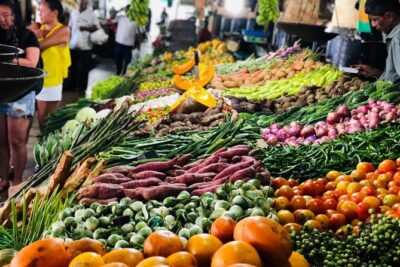
Browse the lists this tour appears in