
Reviewed · COOKING CLASSES
Private Traditional Sri Lankan Cooking Class in Kandy
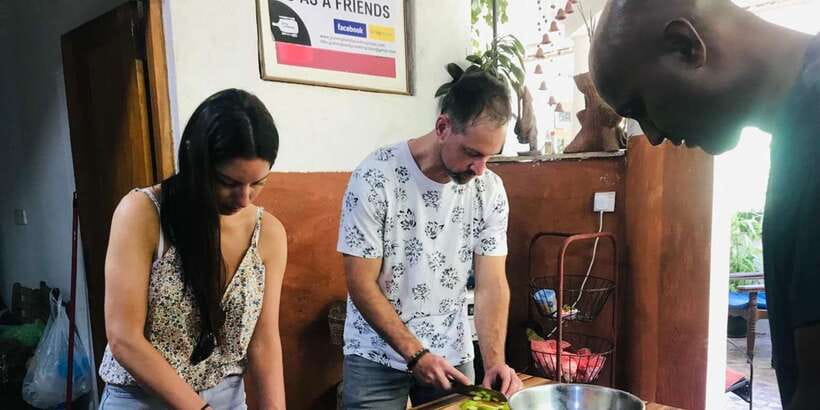
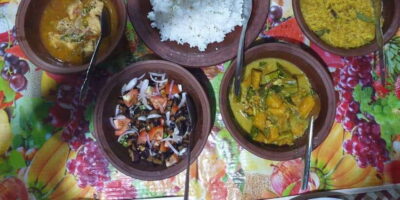
Sri Lankan cooking is best learned with your hands busy, not from a polished demonstration. This three-hour Kandy class takes you from raw vegetables and spices to lentils, jackfruit curry, chutney, and other home-style dishes you can eat at the end.
I like the four-person group limit, which gives you room to ask questions and work at the stove. I also like the practical finish: you eat what you make, and you receive recipes so the class does not end when you leave the table. The main consideration is that the host name may vary: the experience is presented with Chitra, while recent hosted sessions featured Ranees and his wife.
Key points at a glance
- Small class of up to four: You get personal guidance instead of standing behind a crowd.
- Cooking from the beginning: Dishes may be prepared from raw ingredients rather than partly made in advance.
- Sri Lankan specialties: Expect dishes such as lentils, jackfruit curry, mango chutney, chicken curry, and vegetable preparations.
- Dietary flexibility: Vegan, vegetarian, and gluten-free meals can be requested.
- Hotel pickup included: You meet at your hotel concierge desk and return by tuk-tuk or van.
- Recipes to take home: The instructions help you repeat the meal after your Sri Lankan holiday.
Why this Kandy cooking class is worth your morning
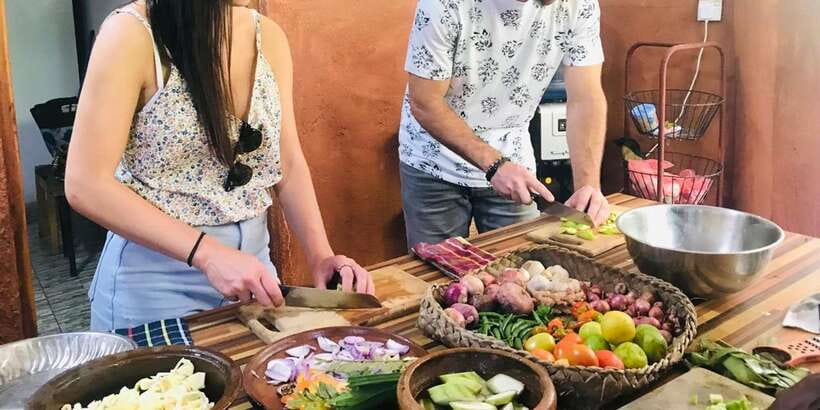
I like this class because it gives you a useful look at everyday Sri Lankan food rather than treating the cuisine as a quick tasting stop. You learn how several dishes come together as one meal, which matters in Sri Lanka, where rice, curries, sambols, chutneys, and vegetables are often served side by side.
The food also has a good spread of textures and flavors. Lentils offer a soft, comforting base. Jackfruit gives a hearty curry without meat. Mango chutney adds sweetness and sharpness, while vegetable dishes show how much variety can come from produce and spice alone. A chicken curry may be included if that suits your menu, but the meal can be made vegan, vegetarian, or gluten-free with advance notice.
This is not a large tourist kitchen with ten or twenty people copying a chef at the front. The group is capped at four, so you can get help with chopping, spice combinations, heat control, and timing. If you are new to cooking, that personal attention should make the class less intimidating. If you already cook, you can ask more detailed questions and focus on technique.
Other cooking classes around Kandy:
- Kandy Village Cooking Class
★ 5.0 · 536 reviews - Private Traditional Sri Lankan Cooking Class in Kandy with Hotel Transfers
★ 5.0 · 115 reviews - Cooking With Village Family
★ 5.0 · 104 reviews
Meeting Chitra, Ranees, and the cooking team
The experience information identifies Chitra as the culinary instructor. Hosted sessions described in the booking details also feature Ranees and his wife, who run restaurants and catering businesses. That difference is worth noting before you book, especially if you are choosing the class because of a particular host.
Either way, the format is built around direct instruction. You are not simply handed a plate and told which spices were used. You work through the dishes with the host, learning how the ingredients are handled and cooked. The language of instruction is English.
The strongest part of this setup is the chance to ask small, practical questions. How finely should an ingredient be cut? When should a spice be added? How do you know when a curry is ready? In a tiny group, these questions can be answered as they arise, rather than lost in a general lecture.
Hotel pickup by tuk-tuk or van
Pickup is included from your hotel concierge desk, followed by a return to your hotel after the class. Transport is by tuk-tuk or van, depending on the number of people.
The ride can be a useful part of the morning. A tuk-tuk gives you a quick, open-sided look at Kandy, though it is less spacious than a van. If you have luggage, mobility equipment, or a larger amount of personal gear, confirm the transport arrangement before setting off.
The class is listed as wheelchair accessible, but hotel access and vehicle fit can vary. If accessibility is important to you, give the provider your needs when booking and confirm how the pickup vehicle will handle them.
A possible market stop before the stove
One hosted version of the morning includes a visit to the market to choose produce for the class. This is a particularly good addition because it connects the food on your plate with the ingredients sold in Kandy.
Shopping for produce also makes the cooking feel less staged. You see what the host selects, learn which vegetables are useful in local dishes, and take part in deciding what will go into the meal. The exact market visit is not described as guaranteed for every departure, so ask ahead if this is important to you.
This part also has a practical benefit. You are likely to encounter vegetables and fruit that you do not often use at home. The cooking team can explain how to prepare them and, in some cases, discuss their health benefits. You do not need to memorize every local ingredient, but you will leave with a better sense of how Sri Lankan cooks build a meal from what is available.
Same base, a completely different day:
- Kandy Private Guided City Tour by Tuk Tuk
★ 4.9 · 1,307 reviews - From Kandy: Sigiriya Rock & Dambulla Cave Temple Adventure
★ 4.9 · 785 reviews - Kandy to Ella Train Tickets – Reserved Seats
★ 4.5 · 523 reviews - From Kandy: Pinnawala Day Tour
★ 4.8 · 331 reviews
Preparing lentils, jackfruit, and curry dishes
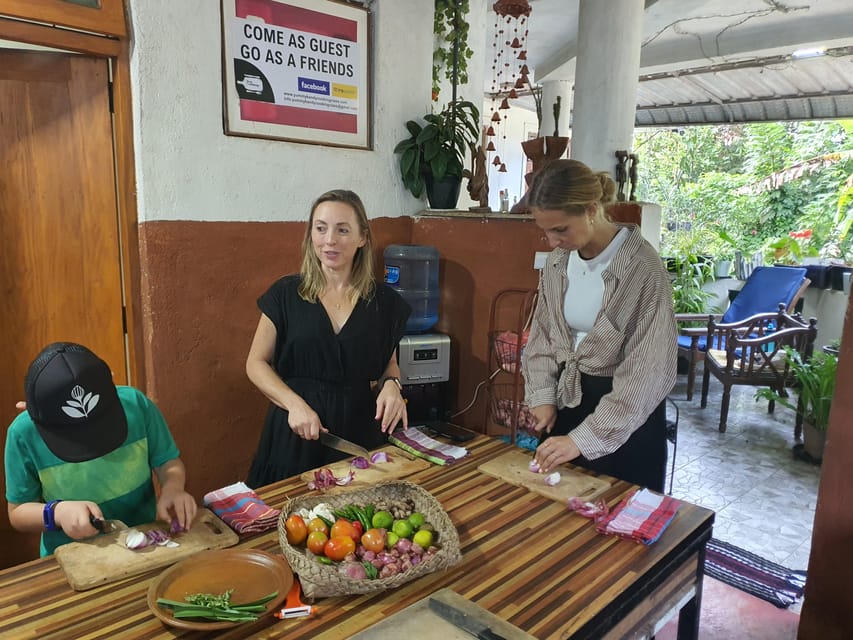
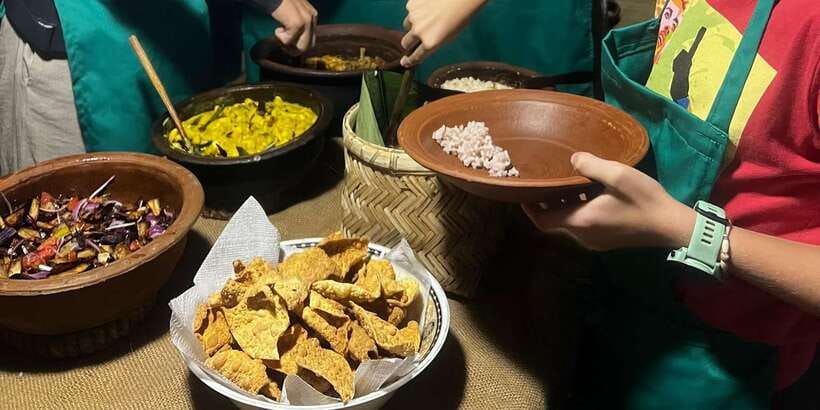
The main class focuses on hands-on cooking. Likely dishes include lentils, jackfruit curry, several vegetable dishes, and mango chutney. A chicken curry may also be prepared when the menu is not vegetarian or vegan.
The jackfruit curry is one of the more interesting dishes to learn. Jackfruit has a firm, satisfying bite and works well in a spice-heavy curry, making it a useful choice for people who want a substantial vegan main course. You can see how a familiar local ingredient takes on a completely different role from sweet fruit or snack food.
Lentils are another smart teaching dish. They are affordable, filling, and easy to make at home once you understand the basic method. The lesson can show you how seasoning changes a simple pot of lentils into a dish with real character.
You may also prepare several vegetables rather than one large centerpiece. That is valuable because Sri Lankan meals are often about contrast: creamy beside crisp, mild beside hot, sweet beside sour. Instead of leaving with one recipe, you get a small collection of ideas that can become a complete meal.
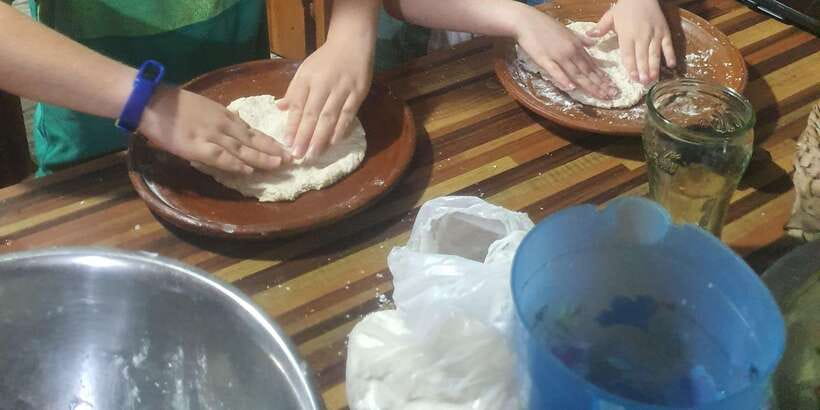
One especially useful detail is that the cooking is described as starting with the ingredients rather than relying on pre-prepared dishes. For a three-hour class, this gives you more to do and more to learn. It can also make the pace feel busy. If you want a relaxed demonstration with little kitchen work, this may be more effort than you expect.
Eating what you cooked at the shared table
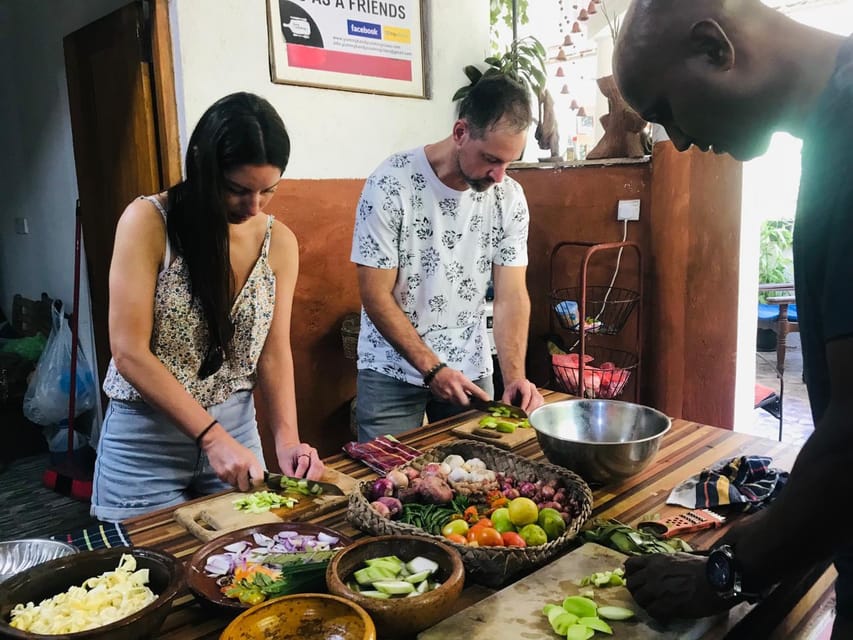
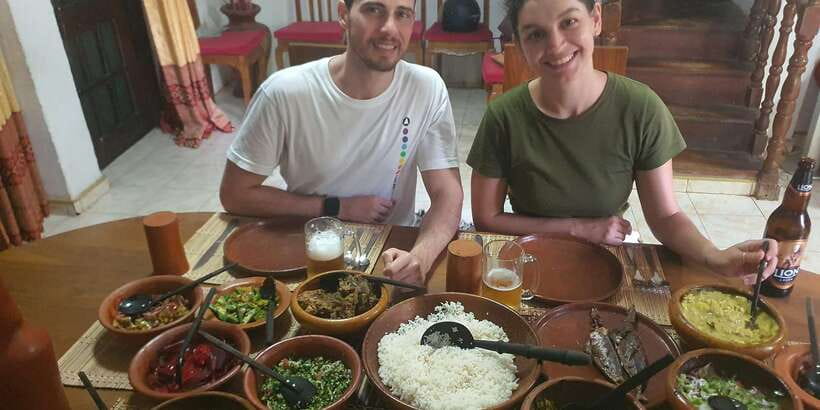
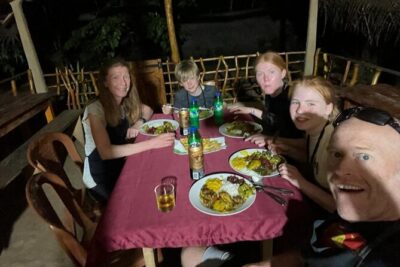
After the kitchen work, you sit down to eat the meal you prepared. This is not an afterthought. It is the point where you can compare the finished dishes, see how they work together, and ask final questions while the flavors are fresh.
I value this kind of ending because cooking technique makes more sense when you taste the result. You can notice how the jackfruit carries the curry, how the chutney changes the lentils, and how vegetable dishes balance the stronger spices.
The meal includes lunch, coffee or tea, and bottled water. Portions may be generous: one hosted account describes having more food than the diners could finish. That is a pleasant problem, though it means you should not plan a large meal immediately afterward.
The table also gives the morning a social side. With a maximum of four participants, you will have time to talk with the host and the other cooks without the noise of a large class. If you prefer a private lesson, check the booking arrangement, since the standard format is small group rather than automatically one-to-one.
Vegan and gluten-free cooking in Kandy
Dietary requests are handled more flexibly than in many casual food activities. The class offers vegan, vegetarian, and gluten-free meal options, and the included meal is prepared according to your dietary preference.
You should request your needs in advance rather than waiting until pickup. This is especially important if your diet is strict or involves allergies. The food options are clearly part of the experience, but the supplied details do not explain separate allergy protocols, ingredient substitutions, or cross-contact procedures.
For a vegan diner, jackfruit curry, lentils, mango chutney, and vegetable dishes can form a satisfying menu. One hosted class was prepared fully vegan after the request was made the day before. That is a useful guide: give the provider notice as early as possible.
Gluten-free diners can also request a suitable menu. Since the cooking is based on rice, lentils, vegetables, and spices, there are workable choices, but you should still confirm the exact ingredients used in sauces, seasonings, and any packaged products.
What you take home besides lunch
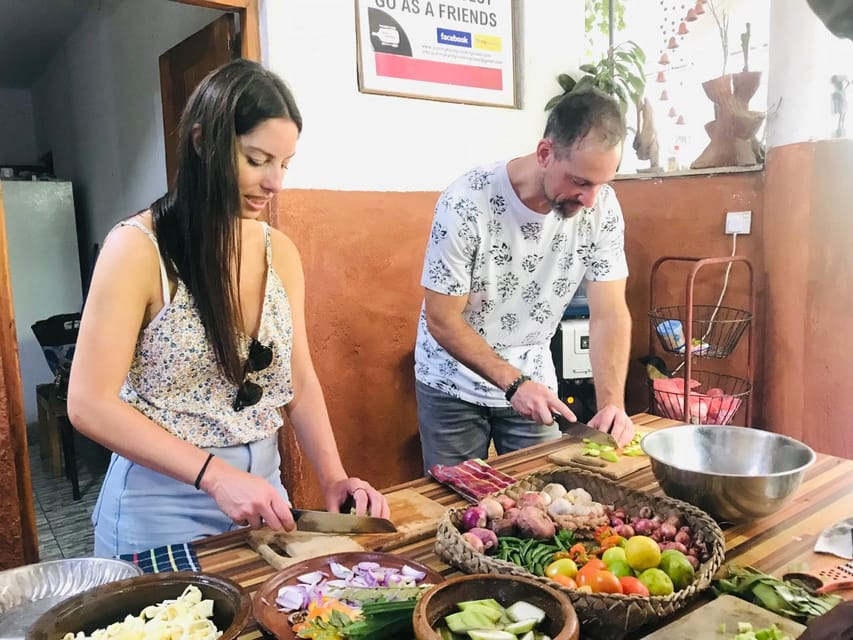
The most useful souvenir is the recipe material. You receive recipes and instructions for the dishes made during the class, allowing you to recreate the meal later.
That makes the $40 price more attractive than a meal alone. You are paying for transport, instruction, ingredients, kitchen equipment, drinks, lunch, and written recipes. A restaurant meal might cost less, but it would not teach you how to make the dishes or give you a way to repeat them.
The recipes are also more practical than simply taking a photo of a plated curry. You can note the ingredients, cooking order, and methods while the host explains them. If you cook at home, bring a small notebook or use your phone for extra notes, provided the kitchen allows it.
Do not expect a professional cooking qualification or a long culinary lecture. This is a friendly, practical lesson designed for visitors. Its value comes from the small group, the full meal, and the chance to cook Sri Lankan food with local hosts.
Timing, price, and who should book
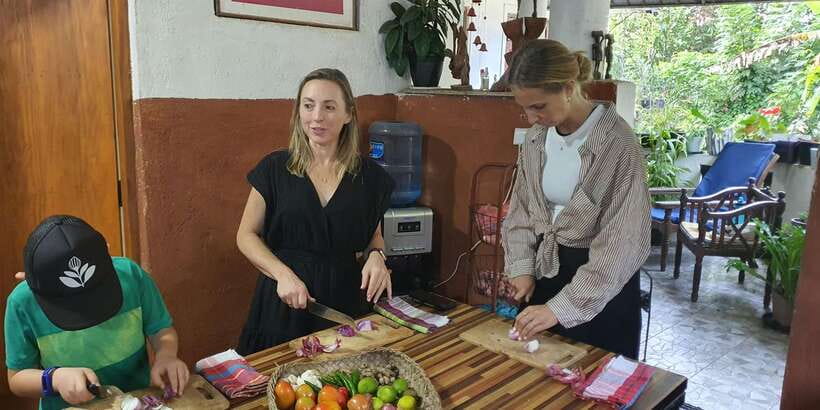
At $40 per person for three hours, this is a fair value for Kandy, particularly because hotel pickup and return are included. Lunch, coffee or tea, bottled water, equipment, ingredients, and recipes are also part of the package.
The price makes the most sense if you use the class as both a meal and a cultural activity. If you only want to eat, a local restaurant will be simpler. If you want to understand how the food is made and take the recipes home, the class offers more.
I would recommend it to people who enjoy active trips, home cooks, curious eaters, and anyone who wants a break from sightseeing. It suits beginners because the group is small and the instruction is personal. It also suits experienced cooks who want to compare methods and ingredients.
Families with very young children should note that babies under one year are not suitable for the activity. Older children may enjoy the hands-on format, but the supplied details do not specify a minimum age beyond that restriction.
The three-hour length is long enough for real cooking but short enough to fit beside other Kandy plans. Still, allow room around the scheduled start time because pickup involves a hotel meeting and transport. Starting times vary, so check availability before arranging your day.
Should you book this Kandy cooking class?
I would book this if you want to learn several Sri Lankan dishes in a small group, eat a full lunch, and leave with recipes you can use at home. The strongest reasons are the four-person limit, the from-scratch cooking, the market option when offered, and the flexible vegan and gluten-free menus.
I would think twice if you dislike hands-on kitchen work or want a guaranteed private class with one named instructor. Confirm the host, market visit, menu, and dietary arrangements before paying.
For most visitors, though, this is a practical and enjoyable way to spend three hours in Kandy. You do not just taste Sri Lankan food. You learn how the meal comes together, then sit down and eat the result.
FAQ
How long does the cooking class last?
The class lasts three hours.
How much does the experience cost?
The price is $40 per person.
How many people can join the class?
The small group is limited to four participants.
Is hotel pickup included?
Yes. You meet at your hotel concierge desk, and the provider returns you to your hotel after the class. Transport is by tuk-tuk or van, depending on the number of participants.
Can I request vegan or gluten-free food?
Yes. Vegan, vegetarian, and gluten-free meal options are available. Request your preference in advance.
What is included in the price?
The experience includes lunch, coffee or tea, bottled water, kitchen equipment, and meals based on your dietary preference. Recipes and instructions for the prepared dishes are also provided.
Just added around Kandy
- Udawalawe National Park Private Full-Day Safari★ 5.0 · 3 reviews
- Kandy City Tour & Famous Ambuluwawa Tower with Friendly Chauffeur★ 5.0 · 11 reviews
- White Water Rafting in Kitulgala★ 4.5 · 12 reviews
- From Kandy to Nuwara Eliya Day Tour★ 5.0 · 21 reviews
- Tour to the Hidden Waterfalls around Kandy (Knuckles Range)★ 5.0 · 6 reviews
- Sri Lanka 4 Day Private Tour★ 5.0 · 6 reviews
- White Water Rafting Kitulgala★ 4.5 · 4 reviews
- Wasgamuwa National Park Safari from Kandy★ 5.0 · 3 reviews
Cooking Classes, compared.
Organic cooking class sigiriya (kumara & family)
Read our review →
Sri Lankan Cooking Class with Neranji at Homestay
Read our review →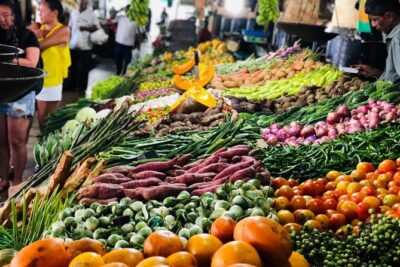
Browse the lists this tour appears in