
Reviewed · COOKING CLASSES
3 hour cooking experience
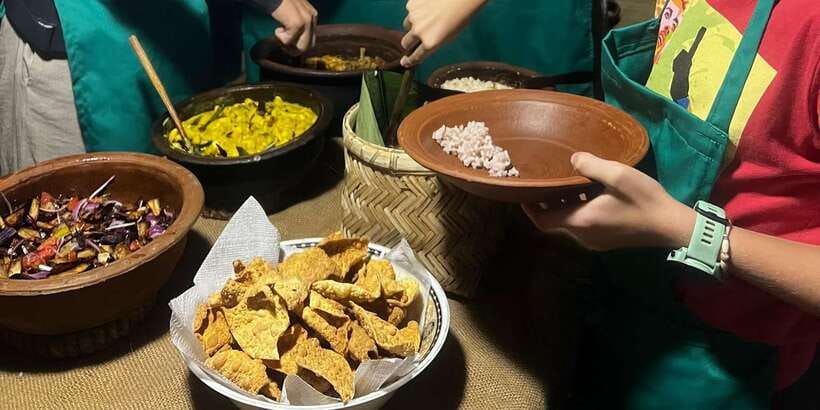
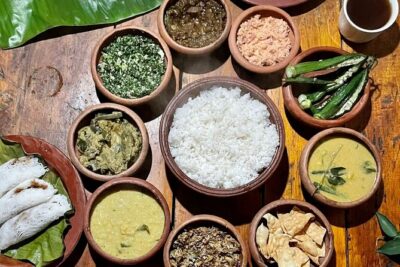
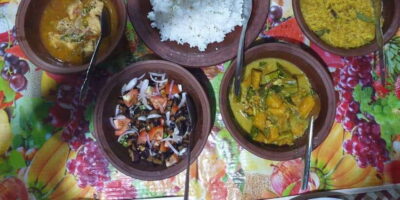
Sri Lankan cooking is not one dish or one spice. It is a full table of contrasting curries, rice varieties, and sambols. In this three-hour private class, Chef Mohara Dole brings you into that world through a hands-on meal prepared at her home cooking studio in Colombo.
I like the range of dishes, from loofah and eggplant to lotus root, chicken, seafood, and beetroot. I also like that you receive the recipes, so the class has value after you leave Sri Lanka. The main consideration is the fixed three-hour schedule and the 10:30 AM start, which may not suit every sightseeing plan.
Key points
- Several Sri Lankan curries: Prepare vegetable, chicken, and seafood dishes rather than focusing on one recipe.
- Three rice varieties: Learn about basmati, red raw rice, and samba rice and how they fit into a Sri Lankan meal.
- Sambols included: These fresh, spicy accompaniments add contrast to the curries and rice.
- Private setting: Only your group takes part, making it easier to ask questions and work directly with Mohara.
- Recipes to take home: You can recreate the dishes after your trip instead of leaving with only a memory.
- $60 includes the meal: Ingredients, dinner, bottled water, and soda are covered, while alcohol costs extra.
A Three-Hour Introduction to Sri Lankan Cooking
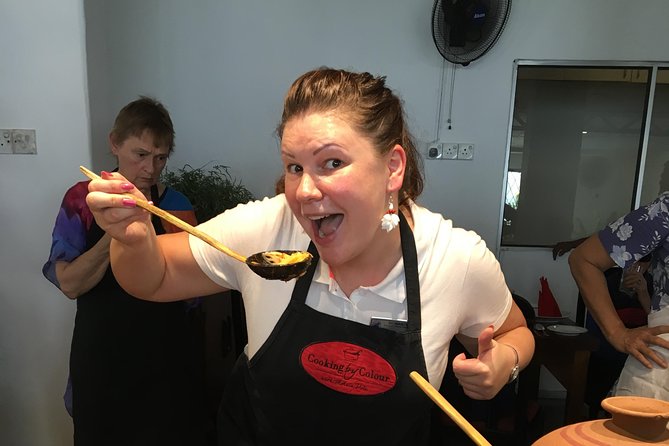
This experience is built as a demonstration and hands-on cooking session. You do not simply watch a chef prepare a meal and then sit down to eat. You join Mohara at the stove as the dishes come together.
That format matters because Sri Lankan food often depends on small choices: which rice to use, how several curries share a plate, and how a sambol changes the taste of a richer dish. The class gives you a practical look at those choices without requiring a long cooking course.
The exact order of the dishes is not specified, so you should think of the session as a guided cooking workshop rather than a rigid restaurant-style tasting menu. The focus is on learning a group of traditional preparations and sharing the finished food.
The class lasts about three hours. That is long enough to cover a broad selection without taking an entire day from your Colombo plans. It is also short enough to fit into a visit for people who want a food experience but do not want to commit to a full-day activity.
Other cooking classes around Colombo:
- Colombo Cooking Class
★ 5.0 · 151 reviews - Market Tour and Hands-On Cooking Class Colombo
★ 5.0 · 140 reviews - Cooking Class Sri Lanka with Locals
★ 5.0 · 101 reviews
From Loofah and Beetroot to Chicken and Seafood
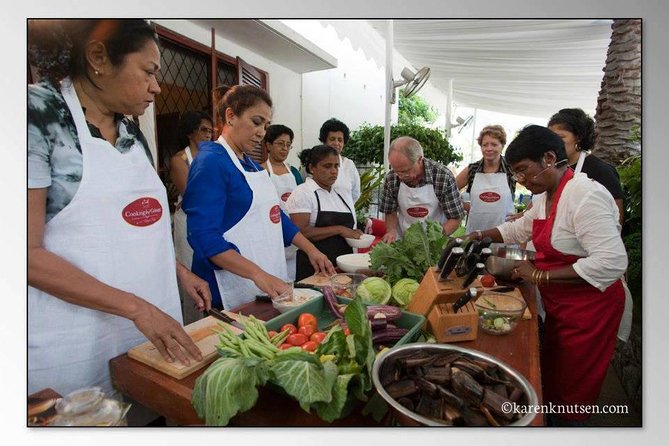
The strongest feature is the variety. You may work with vegetable curries such as loofah, eggplant, lotus root, and beetroot, along with chicken and seafood preparations.
Each ingredient brings a different lesson. Loofah and beetroot show how Sri Lankan cooking can turn everyday vegetables into dishes with real character. Eggplant offers a different texture, while lotus root introduces an ingredient many visitors may not cook at home. Chicken and seafood add the more familiar protein-based curries.
I like this broad approach because it helps you understand Sri Lankan food as a meal made of several dishes, not as one standard curry. You get to compare vegetables, meat, and seafood in the same cooking session.
The menu may not suit every diet. The information provided does not specify vegetarian, vegan, gluten-free, or allergy accommodations. If you have dietary restrictions, contact the provider before booking and confirm what can be changed.
Understanding Basmati, Red Raw Rice, and Samba Rice
Rice is treated as more than a plain side dish in this class. You learn about basmati, red raw rice, and samba rice, three varieties with different looks, textures, and places at the table.
Basmati is familiar to many cooks, but red raw rice and samba rice may be less common in your kitchen. Learning about these varieties gives you a better sense of how Sri Lankan meals are built. The rice helps balance the curries and provides the base for the sambols and other accompaniments.
This is one of the useful details to carry home. You receive recipes for the dishes you prepare, and the rice lessons can help you make the meal feel more like the version you had in Sri Lanka.
The available information does not promise that you will cook every rice variety during every session. It says you will learn about different rice types, so the emphasis may be partly instructional. That is still worthwhile, especially if you want context rather than a quick recipe demonstration.
Why Sambols Matter on the Plate
Sambols bring a different kind of heat and freshness to the meal. They are not simply extra sauces. They help you adjust the balance of a plate, adding contrast to curries and rice.
The class includes sambols alongside the curries and rice. That makes the meal feel more complete and gives you a better understanding of how Sri Lankan food is eaten as a combination of flavors.
I especially like this part for home cooks. A curry can take time, but a sambol may be an easier way to bring a Sri Lankan touch to an ordinary meal. The recipes allow you to try the dishes again without needing to remember every step from the stove.
You should expect spice to be part of the cooking conversation, but the provided details do not say how hot the dishes are or if each recipe can be adjusted. Ask Mohara about spice levels during the class if that matters to you.
Other three-hour outings around Colombo:
- 3 Hour Private Colombo Street Food Tour
★ 5.0 · 13 reviews - Exclusive 3-Hour Private Jeep Safari at Udawalawe National Park
★ 5.0 · 21 reviews - Hurulu Eco Park: 3-Hour Morning or Evening Safari
★ 4.9 · 11 reviews - Wasgamuwa: Wasgamuwa National Park Private 3-Hour Safari
★ 4.9 · 10 reviews
Cooking With Mohara in a Private Studio
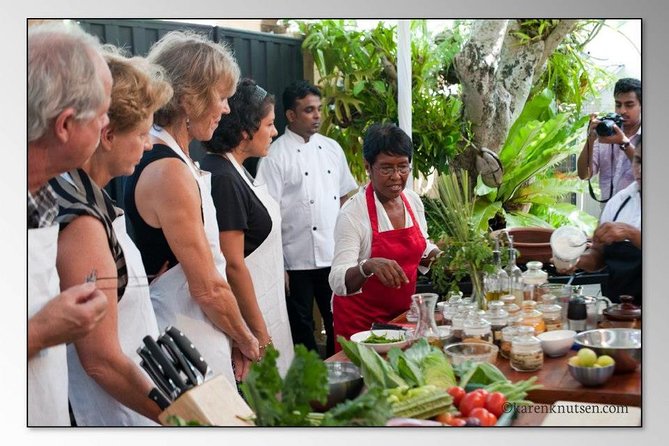
The experience is led by Chef Mohara Dole at her home cooking studio. The meeting point is 49 Park Ln in Sri Jayawardenepura Kotte, the administrative capital area next to Colombo.
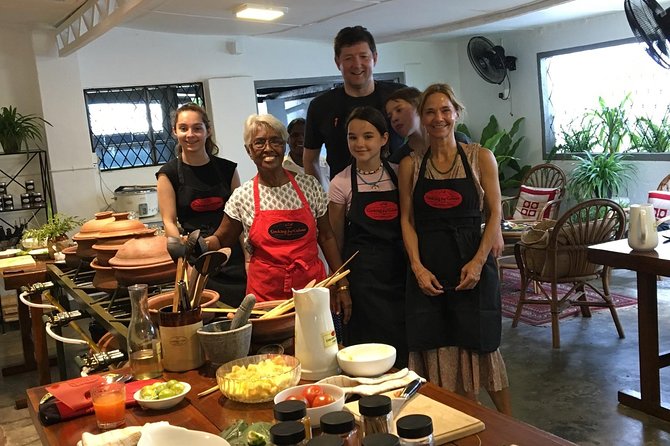
Only your group participates. This private format is a real advantage if you want to ask questions, work directly with the chef, or move at a comfortable pace. You are not trying to hear a demonstration over a large group or waiting for several unrelated parties to finish at the stove.
A private session can also feel more personal than a standard restaurant class. Mohara’s goal is to share both the cooking and the culture behind it. The personal setting suits you best if you enjoy conversation and want to understand how the dishes fit into everyday island cooking.
The tradeoff is that the home studio may offer a less formal setup than a commercial cooking school. That is not a problem for most people, but it is worth knowing if you expect a polished classroom with multiple workstations.
Sharing the Meal After the Cooking
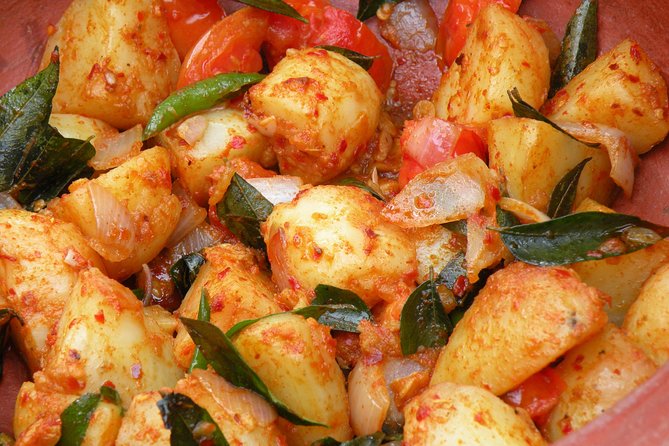
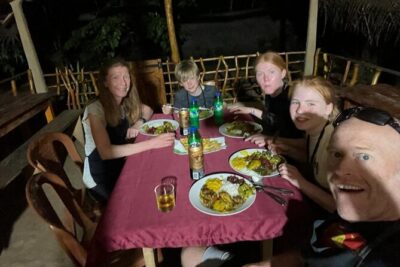
After preparing the dishes, you share the Sri Lankan meal you have made. Dinner is included, along with all ingredients, bottled water, and soda.
This makes the $60 price easier to assess. You are paying for a private three-hour lesson, the food, a chef’s guidance, and recipes to use later. A simple meal elsewhere would cost less, but it would not include the instruction or the personal time with Mohara.
The value is strongest if you plan to cook at home. You are not only buying a meal. You are paying for a set of recipes and the chance to see how the dishes are prepared. If you do not cook, the class is still a cultural food experience, but some of its long-term value will be lost.
Alcohol is not included. You can have the provided soda and water, but alcoholic drinks cost extra if available. This is a small point, yet it is useful when comparing the total price with other food experiences.
Recipes That Keep the Experience Going
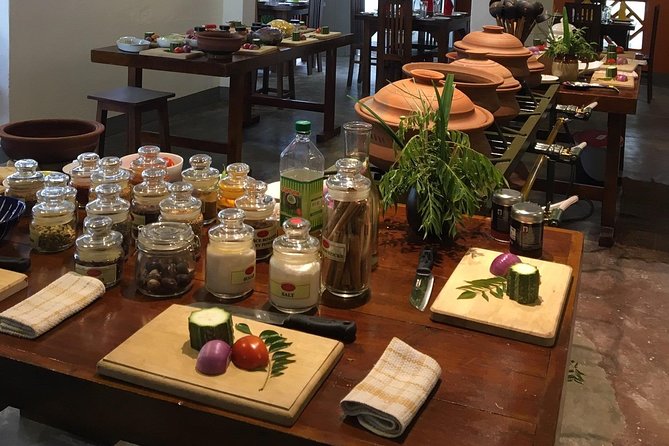
The recipe handout is one of the most practical features. Many food classes are enjoyable in the moment but difficult to repeat because the ingredients and methods are quickly forgotten.
Here, you receive recipes for the food you cook. That gives you a way to recreate the curries, rice, and sambols at home. You can also use the recipes as a starting point, then adjust the spice or swap ingredients based on what you can find.
One past participant specifically told Mohara they were using the recipes and could contact her for guidance. That suggests the relationship does not necessarily end when the class finishes, though you should not assume unlimited follow-up support. The important point is that the recipes are meant to be useful beyond the day itself.
Keep your travel plans in mind. Recipes and cooking notes are easy to lose, so save them digitally or pack them somewhere dry before leaving Sri Lanka.
Timing, Location, and Getting There
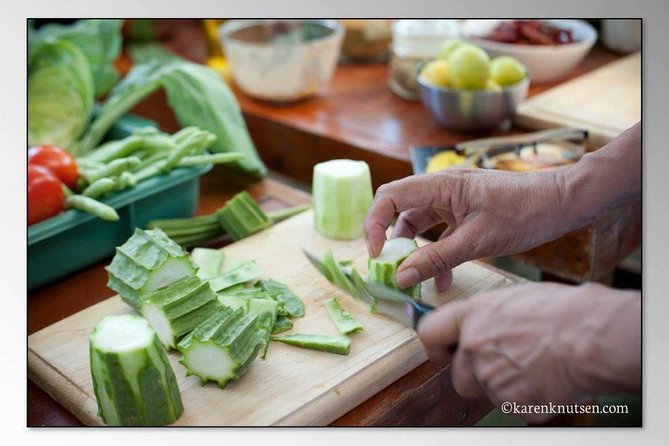
The activity runs Monday through Sunday from 10:30 AM to 2:00 PM. The stated experience lasts about three hours, so you should allow the full morning and early afternoon rather than scheduling a tight appointment afterward.
The meeting point is 49 Park Ln, Sri Jayawardenepura Kotte, Sri Lanka. The activity ends at the same place. It is near public transportation, which helps if you are making your own way there.
No pickup service is listed. Check the route from your accommodation before booking and allow time to arrive at the exact address. The cooking session is private, but transportation to the meeting point is your responsibility unless the provider confirms another arrangement.
Mobile tickets are accepted, and booking confirmation is provided at the time of booking. Those details make arrival simple, but I would still keep the address and confirmation available on your phone.
Who Will Enjoy This Colombo Food Experience
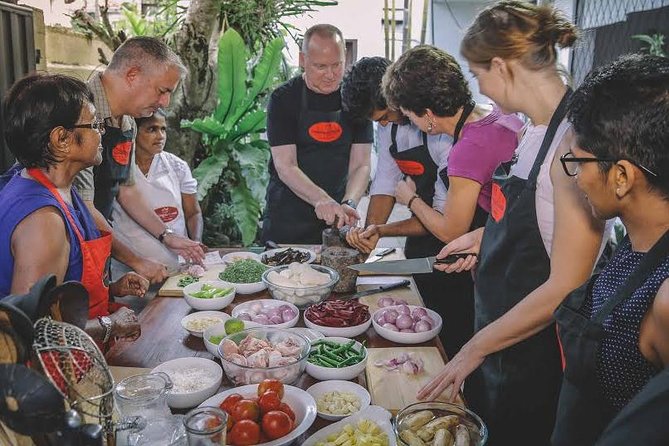
This class is a good fit for you if you want to understand Sri Lankan food through several dishes rather than a single recipe. It also suits couples, families, and small private groups who prefer a personal session.
You will get the most from it if you enjoy participating. The description places you at the stove with Mohara, so expect to chop, stir, prepare, and ask questions rather than sit back for the whole session.
It is also a strong choice for home cooks. The range of curries, three rice styles, sambols, and recipe handouts gives you plenty to take back to your own kitchen.
You may want to choose another activity if your schedule cannot accommodate a 10:30 AM start, if you want alcohol included, or if you need guaranteed dietary adaptations that have not been confirmed in advance. The class is also less suitable if you are looking only for a quick meal with no instruction.
Booking Advice and Cancellation
The activity has free cancellation if you cancel at least 24 hours before the local start time. Canceling later, or changing the booking within 24 hours, does not qualify for a refund.
That policy is fairly easy to manage, but the fixed cutoff matters because this is a private experience. Confirm your transport and dietary questions before the 24-hour window closes.
Should You Book This Cooking Class?
Book it if you want a personal introduction to Sri Lankan cooking with enough time to prepare several dishes and eat the results. The best reasons are the private format, the broad menu of vegetable, chicken, and seafood curries, and the recipes you can use at home.
At $60, the experience offers good value when you count the three-hour lesson, ingredients, dinner, drinks, and personal instruction. It is not the cheapest way to eat in Colombo, but it offers much more than a restaurant meal.
Skip it if you need a flexible start time, guaranteed dietary changes, or alcohol included in the price. For everyone else, Cooking By Colour with Mohara Dole is a practical, food-focused way to spend a morning in Colombo and leave with more than a full stomach.
FAQ
How long does the cooking experience last?
The experience lasts approximately three hours. The operating hours are 10:30 AM to 2:00 PM every day.
Where does the class meet?
The meeting point is 49 Park Ln, Sri Jayawardenepura Kotte, Sri Lanka. The activity ends back at the same meeting point.
Is the cooking class private?
Yes. Only your group participates in the activity.
What types of food will I learn to prepare?
The class covers traditional Sri Lankan curries, rice, and sambols. Examples include loofah, eggplant, lotus root, chicken, seafood, and beetroot curries, along with basmati, red raw rice, and samba rice.
What is included in the price?
The price includes the cooking ingredients, dinner, bottled water, and soda. Alcoholic beverages are not included.
Can I cancel for a full refund?
Yes, if you cancel at least 24 hours before the experience start time. Cancellations made less than 24 hours before the start time are not refunded.
Just added around Colombo
- Yala Safari All-Inclusive Package with Convenient Pick Up★ 4.4 · 3 reviews
- Wilpattu: Private Safari Day Trip with Lunch & Entry Fees★ 4.6 · 9 reviews
- Visit sri Lanka 7 Days Round Trip★ 5.0 · 18 reviews
- Tuk Tuk Tales of Colombo From Cruies★ 4.6 · 4 reviews
- Tuk Trip is Very Cheap in Colombo (All-inclusive ) city tour★ 3.4 · 5 reviews
- Udawalawa National Park: All-Inclusive Private Day Tour★ 4.8 · 36 reviews
- Tuk Trip is Very Cheap in Colombo (All-inclusive ) city tour★ 4.5 · 5 reviews
- Three Ancient Kingdoms Tour | from Colombo★ 5.0 · 18 reviews
Cooking Classes, compared.
Organic cooking class sigiriya (kumara & family)
Read our review →
Sri Lankan Cooking Class with Neranji at Homestay
Read our review →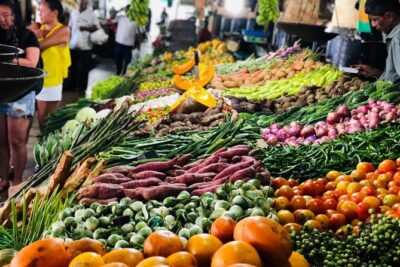
Browse the lists this tour appears in