
Reviewed · COOKING CLASSES
Market Tour and Cooking Class from Colombo
The best part of this Colombo experience happens before the cooking begins: you shop for ingredients at Pettah Market, then use them in a meal you prepare yourself. I like the market-to-table link, and I like that you learn a flexible Sri Lankan home-cooking method rather than simply following a fixed recipe. A chef named Piumi has also led a particularly engaging private class.
The main thing to consider is the four-hour commitment, with morning and evening sessions ending around 2:00 pm or 8:00 pm. Pettah can be affected by rain, and the market ride may be by tuk tuk or car depending on the weather, so this is not a tightly controlled studio demonstration.
Key points to know before booking
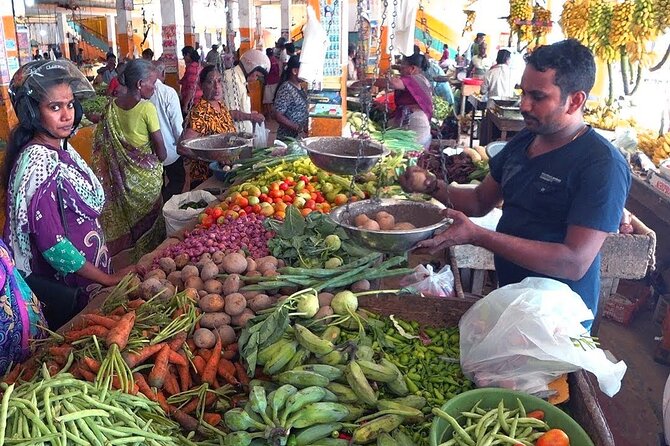
- Pettah comes first: Shop among fresh produce stalls and spice sellers before heading to the kitchen.
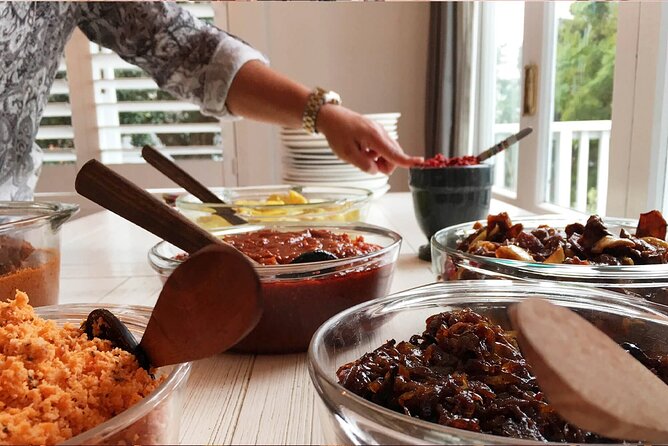
- You cook a full meal: The workshop centers on Sri Lankan rice and curry, including breadfruit curry and a fish or meat main.
- Private format: Only your own group takes part, which gives you room to ask questions and work at your own pace.
- Two useful time slots: Choose a 9:45 am morning class or a 3:45 pm afternoon class, except on Sundays.
- A chef-led lesson: Your chef guides the market choices and cooking rather than handing you a rigid recipe card.
- Meal included: Your lunch or dinner is the food you prepare during the class.
Why Pettah Market makes this more than a cooking lesson
A cooking class can be useful, but a market visit gives you the missing first step: how Sri Lankan food begins. At Pettah, you will visit fresh produce stalls and spice stalls before cooking. That lets you see the ingredients in their everyday setting, not just measured into small bowls in a spotless kitchen.
Pettah is one of Colombo’s oldest commercial areas, with age-darkened warehouses, worn cobblestone alleys, and separate sections for different kinds of goods. The market areas can shift quickly from one type of stall to another. You will focus on produce, but the surrounding streets provide a stronger sense of place than a class held entirely indoors.
I like this because it helps you understand the food by sight and smell. A recipe may tell you to add a vegetable or spice, but shopping with a local chef can show you what that ingredient looks like before it is cleaned, cut, or cooked. The chef also helps select what goes into the meal, which makes the class feel connected to the market rather than staged apart from it.
You should expect the market portion to be active rather than polished. Pettah has old warehouses and well-used lanes, not a quiet farm shop arranged for visitors. That is part of its appeal, but anyone wanting a calm, air-conditioned start may prefer a standard kitchen-only lesson.
Other cooking classes around Colombo:
- Colombo Cooking Class
★ 5.0 · 151 reviews - Market Tour and Hands-On Cooking Class Colombo
★ 5.0 · 140 reviews - Cooking Class Sri Lanka with Locals
★ 5.0 · 101 reviews
Starting at the Colombo cooking studio
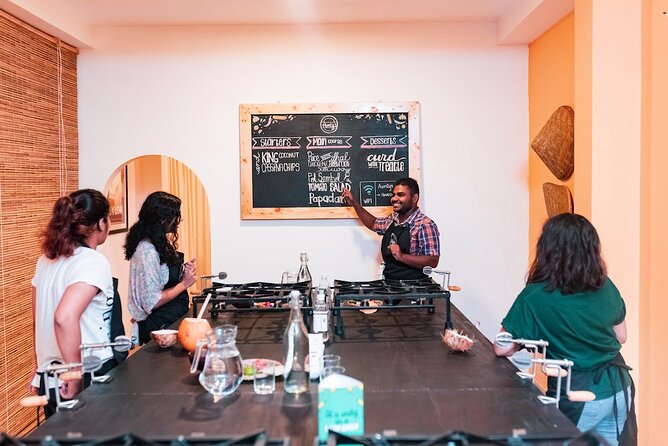
You meet at the cooking studio at 9:45 am for the morning session or 3:45 pm for the late-afternoon session. The activity runs every day except Sunday, and the exact address and directions are provided after booking.
From the studio, your chef takes you to Pettah Market. The short transfer is by tuk tuk or car, depending on the weather. That detail matters because a tuk tuk makes the ride feel more local and open, while a car gives you more shelter if Colombo’s weather turns wet.
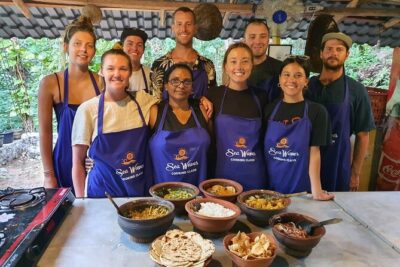
The experience is private, so only your group participates. That is a real advantage for a cooking lesson. You can ask why one ingredient is chosen over another, pause to watch a technique, or spend more time on a step without trying to keep up with a large class.
A previous class led by Piumi was described as informative, engaging, and fun, with the cooking taking place in her home. The exact setting and chef for your booking should be confirmed through the operator, but Piumi is a useful name to know because the experience can be personal rather than purely instructional.
Shopping for produce and spices in Pettah
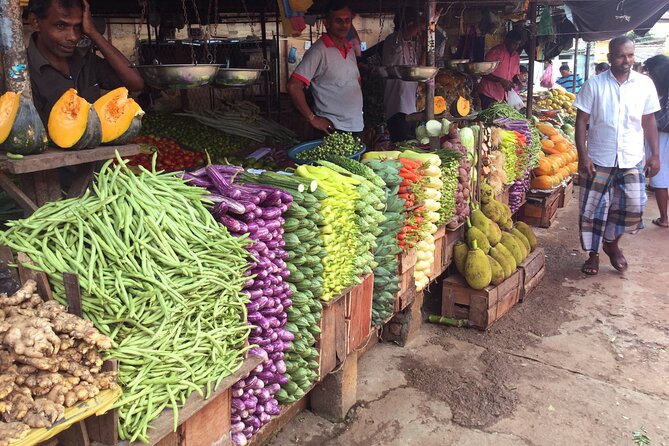
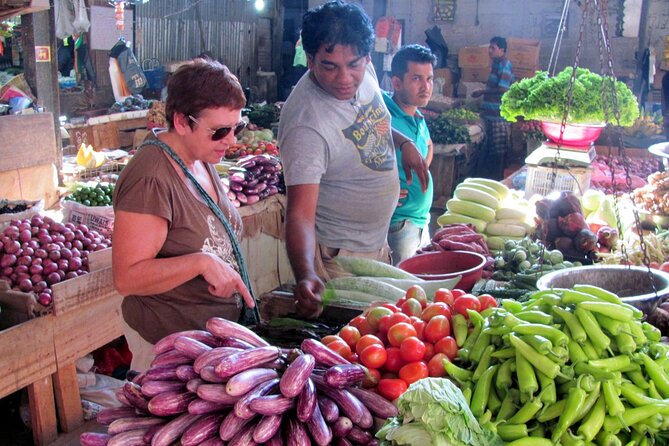
At Pettah, your chef leads you through the fresh produce stalls and spice areas. The stated focus is on choosing ingredients for a vegetable curry and a fish or meat main, with breadfruit curry specifically included in the cooking plan.
This part is not simply a sightseeing stop. The shopping gives you a chance to see how the meal is assembled before you cook it. You may find yourself comparing produce, looking at spices, and learning which ingredients suit the dishes planned for your class.
I would pay attention to the chef’s choices here. The most useful lesson may not be a single recipe, but the way the chef decides what to buy. That is the kind of knowledge that helps when you return home and cannot find exactly the same variety of vegetable or fish.
The market stop also gives the class a stronger local setting. Pettah’s old lanes and warehouses show a working side of Colombo that you would miss at a restaurant or hotel kitchen. At the same time, the experience is not described as a full historical tour of the district, so keep your attention on the food and shopping rather than expecting a long guided walk through every market section.
Returning to the kitchen for rice and curry
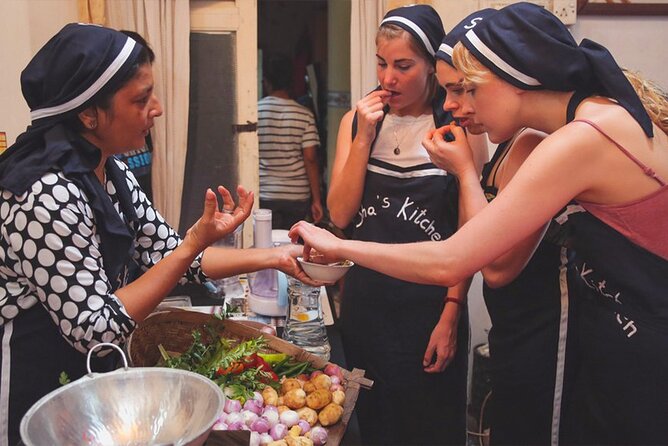
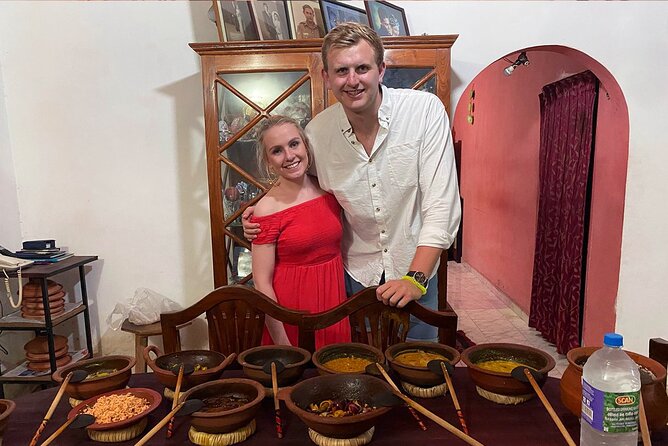
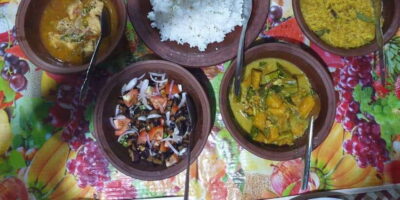
After shopping, you return to the cooking studio and begin the workshop. The meal is based on Sri Lankan home-style rice and curry, with a vegetable dish and a fish or meat main. Breadfruit curry is a named part of the lesson, making it more distinctive than a generic curry class.
The value here comes from learning how the dishes fit together. Sri Lankan meals often depend on balance across several preparations, so a curry class can teach more than how to fry spices or simmer one pot. You are preparing a meal with different components, then eating the result at the same table.
The chef guides you through the preparation, and the format is intended to be repeatable at home. That is more useful than a theatrical demonstration where you simply watch a professional handle every step. You should come away with a better sense of how to adapt the method to ingredients available in your own kitchen.
The supplied details do not specify the precise recipe, cooking equipment, spice quantities, or menu substitutions. If you have food allergies, dietary restrictions, or strong preferences between fish and meat, ask the operator before booking. The experience description says fish or meat, but it does not promise a particular protein for every session.
Same base, a completely different day:
- Colombo: Private Tuk-Tuk City Tour with All Entry Fees
★ 4.9 · 2,154 reviews - Sri Lanka Personal Tour Driver in private vehicle
★ 5.0 · 747 reviews - Colombo Tuk Tuk City Tour -Sightseeing Entry Fees & Food Included
★ 5.0 · 678 reviews - Udawalawe National Park: Elephant Safari with Expert Guide
★ 4.9 · 641 reviews
Lunch or dinner at the end
The class finishes by sitting down to eat the meal you helped prepare. The morning session ends at about 2:00 pm and includes lunch. The afternoon session ends at about 8:00 pm and includes dinner.
I like this timing because the meal is not rushed into a short tasting at the end. You have enough time to finish the workshop and enjoy what you cooked. It also makes the activity easy to place into a Colombo day: use the morning class as a late lunch, or choose the afternoon class for an evening meal.
The late session may suit you best if you plan to spend the day sightseeing first. The morning session is better if you want the cooking lesson to shape the rest of your day. Since the class takes about four hours, leave enough space around it rather than scheduling another fixed activity immediately afterward.
The meal is included, while gratuities and personal expenses are not. You are paying for the market visit, instruction, and lunch or dinner as one private experience, not just for a restaurant meal. That makes the $120 price easier to assess for a couple or small group that values personal teaching and local context.
Is $120 a fair price?
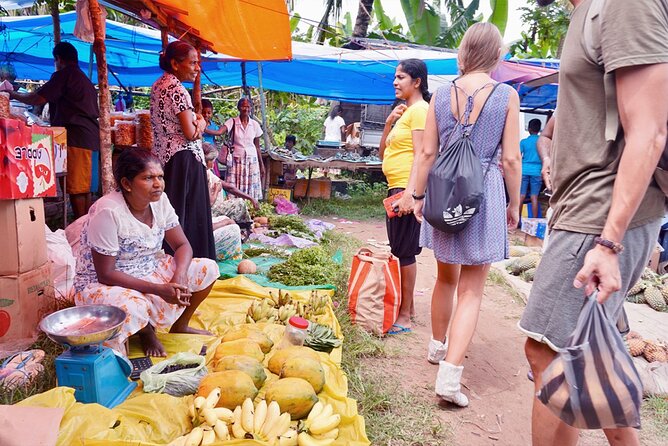
At $120 per person, this is not the cheapest way to eat in Colombo. You could spend far less on a meal alone, and a short demonstration would cost less than a four-hour private outing.
The price makes more sense if you value the complete sequence: transportation to Pettah, shopping with a chef, private instruction, and a meal. You are also paying for the chance to ask questions and work through the dishes rather than simply watching someone else cook.
Group discounts are available, which may improve the value for families or friends booking together. The private format is especially useful for a group with mixed experience levels. One person can ask about spices while another focuses on preparation, without competing with a room full of participants.
I would not choose this class only because you want a cheap lunch. Choose it because you want to understand how a Sri Lankan meal is built and because you expect to use the cooking ideas again. The value is strongest for people who enjoy food markets, hands-on lessons, and meals with a story behind them.
Who will get the most from this class?
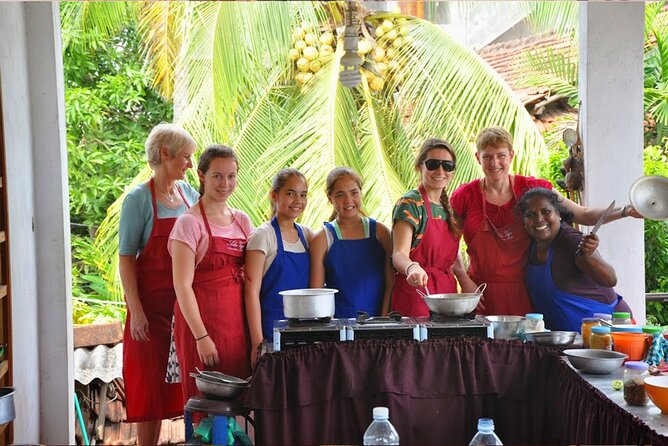
This experience suits you if you like to learn by doing. It is a good fit for couples, families, and small groups who want a private activity with both sightseeing and food.
It also works well for a first visit to Colombo because Pettah adds a local market stop to the day. You are not confined to a studio from start to finish, and the cooking session gives the market visit a clear purpose.
You may want to think twice if you dislike crowded market areas, want a highly polished culinary school setting, or need a guaranteed menu. The provided details do not promise a specific fish, meat, spice level, or substitution. Ask questions before booking if those points matter to you.
The timing also deserves attention. A four-hour session can be a pleasant centerpiece for your day, but it is too long to treat as a quick stop between major Colombo sights. The late class ends around 8:00 pm, so plan your evening around it.
Practical details that matter on the day
The experience operates Monday through Saturday, with a start at 9:45 am or 3:45 pm. It begins and ends at the meeting point, and directions to the cooking studio are provided.
You will use a tuk tuk or car to reach Pettah, depending on weather. Since the market visit takes place outdoors and the activity requires good weather, rain can affect the schedule. If poor weather causes cancellation, you are offered another date or a full refund.
Free cancellation is available if you cancel at least 24 hours before the start time. Cancellations or changes made less than 24 hours in advance are not refunded or accepted, so keep that deadline in mind when arranging your Colombo plans.
The meeting point is near public transportation, but the supplied details do not identify a specific station or explain accessibility. Use the directions sent after booking, and contact the operator if you need precise information about the route or mobility arrangements.
Should you book the Pettah market cooking class?
I would book this if you want more than a recipe lesson. The combination of Pettah produce stalls, spice shopping, private chef instruction, and a sit-down meal gives you a useful look at Sri Lankan food from market to plate.
The strongest reasons to choose it are the private format and the practical cooking focus. The positive experience associated with Piumi also points to the warm, personal style this activity can offer, though your assigned chef may be different.
Skip it if you want a short, inexpensive meal or a guaranteed menu with detailed dietary options. For everyone else, especially food-minded visitors with four hours to spare, this is a well-rounded Colombo activity that connects the city’s market streets with a meal you make yourself.
FAQ
Where does the cooking class begin?
You meet at the cooking studio in Colombo. The exact address and directions are provided after booking.
What time does the experience start?
The morning session starts at 9:45 am. The late-afternoon session starts at 3:45 pm. The activity is available every day except Sunday.
How long does the experience last?
The experience lasts about four hours. The morning session ends at approximately 2:00 pm, while the afternoon session ends at approximately 8:00 pm.
What will I cook?
You will prepare a Sri Lankan home-style rice-and-curry meal. The experience includes a breadfruit curry and a fish or meat main, along with a vegetable curry.
Is the tour private?
Yes. Only your group participates in the activity.
What happens if the weather is poor?
The experience requires good weather. If it is canceled because of poor weather, you can choose another date or receive a full refund.
Just added around Colombo
- Yala Safari All-Inclusive Package with Convenient Pick Up★ 4.4 · 3 reviews
- Wilpattu: Private Safari Day Trip with Lunch & Entry Fees★ 4.6 · 9 reviews
- Visit sri Lanka 7 Days Round Trip★ 5.0 · 18 reviews
- Tuk Tuk Tales of Colombo From Cruies★ 4.6 · 4 reviews
- Tuk Trip is Very Cheap in Colombo (All-inclusive ) city tour★ 3.4 · 5 reviews
- Udawalawa National Park: All-Inclusive Private Day Tour★ 4.8 · 36 reviews
- Tuk Trip is Very Cheap in Colombo (All-inclusive ) city tour★ 4.5 · 5 reviews
- Three Ancient Kingdoms Tour | from Colombo★ 5.0 · 18 reviews
Cooking Classes, compared.
Organic cooking class sigiriya (kumara & family)
Read our review →
Sri Lankan Cooking Class with Neranji at Homestay
Read our review →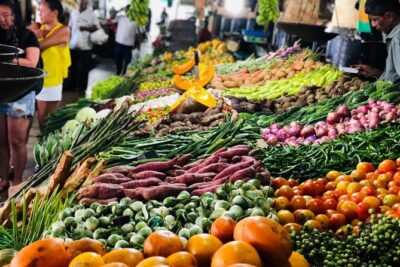
Browse the lists this tour appears in