
Reviewed · COOKING CLASSES
Galle: Cooking Class at a Local Home and Market Tour
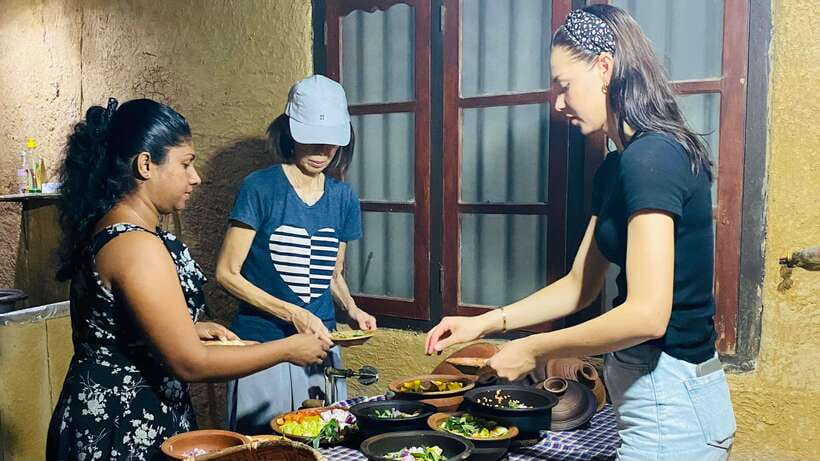
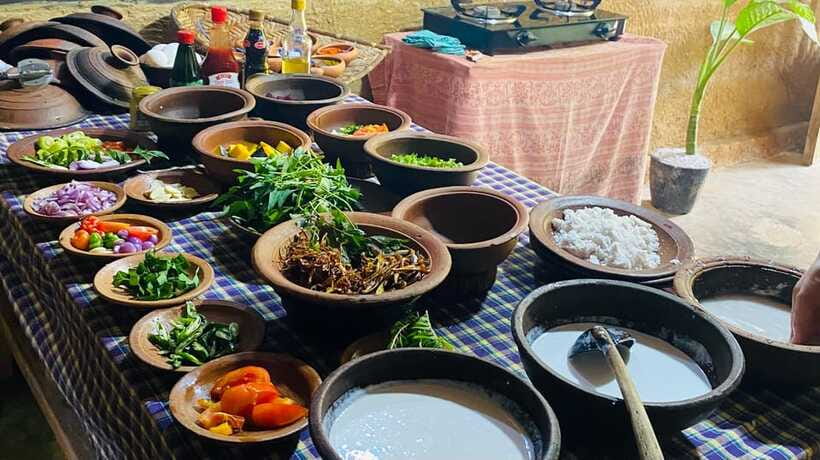
Sri Lankan cooking makes the market part of the lesson. With Madhu as your guide, you choose fresh ingredients in Galle before heading to her family home in Kotapola to cook them in a traditional kitchen. I like that you are not handed a fixed menu without explanation. You see the vegetables, spices, fish, and other ingredients first, then learn how they become lunch.
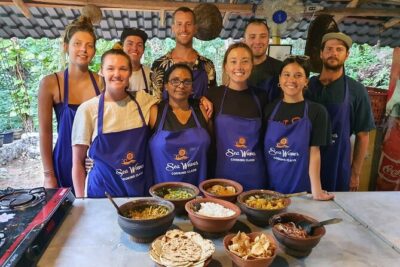
I especially like the small-group format, capped at 10 people, and the fact that everyone helps with several dishes rather than cooking one recipe alone. The homemade coconut milk, fresh market produce, and friendly family setting add real local character. The one thing to consider is that three hours moves quickly, especially if your group wants to ask many questions or prepare a large number of dishes.
Key points at a glance
- Madhu leads the experience: You learn from a local chef in English, with explanations about ingredients, spices, cooking methods, and Sri Lankan food customs.
- The market sets the menu: You help select vegetables and, depending on the meal, fish or chicken before cooking.
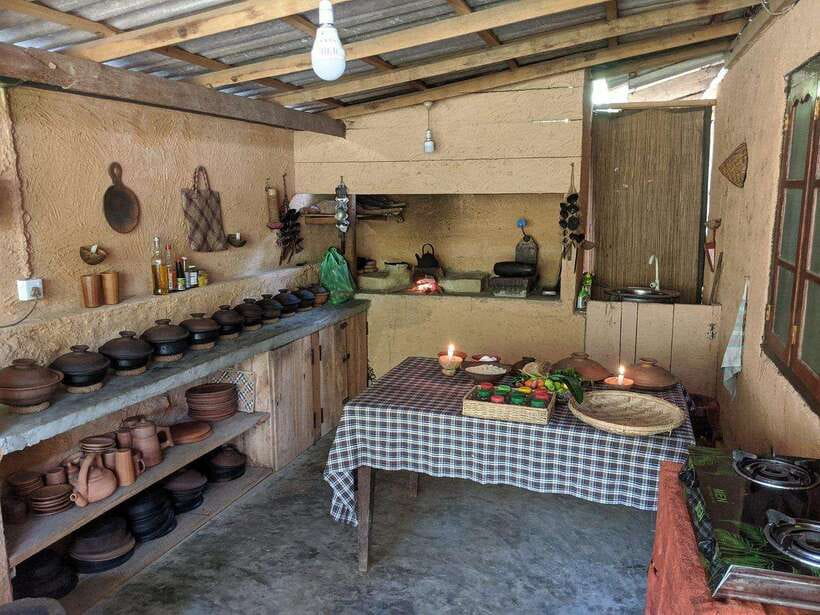
- A family kitchen, not a restaurant classroom: The lesson takes place at Madhu’s home, with traditional equipment and homemade coconut milk.
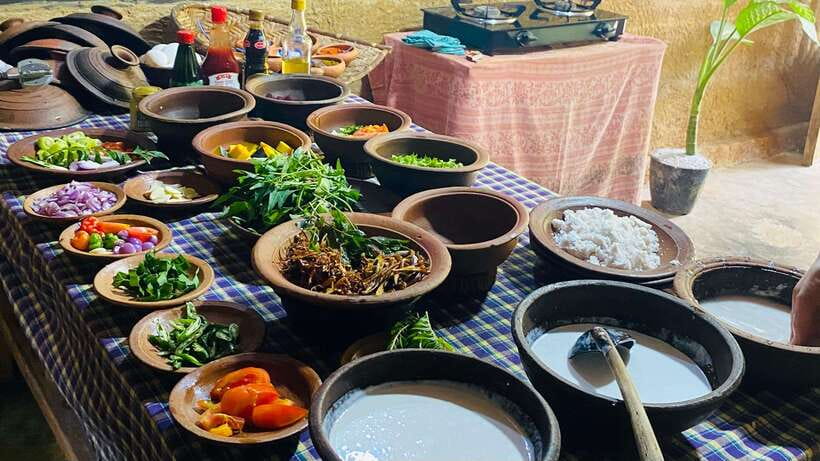
- Many dishes in one sitting: The meal includes seven vegetable curries, fish or chicken curry, coconut sambol, side dishes, and dessert. Some sessions have included 11 traditional dishes.
- Useful for vegetarians and families: Vegetarian needs can be handled, and children are warmly welcomed.
- Good value at $40: Hotel pickup and return, market visit, class, ingredients, meal, water, recipes, and photo and video service are included.
Starting at the market in Galle
The class begins with hotel pickup and a trip to a local market. This is more than a quick stop to collect groceries. Madhu walks you through the stalls and explains what the ingredients are used for, giving you a better sense of how Sri Lankan cooks build flavor.
You help choose the vegetables for the meal. Some participants have selected produce they had never seen or tasted before, which makes the market visit useful even if you already enjoy cooking. You may also choose fish or chicken, depending on the group and the meal being prepared.
This first stage gives you a practical look at local food shopping. Instead of seeing a finished curry on a restaurant table, you see the raw materials and learn how they fit into the meal. That context matters. Sri Lankan cooking often brings several dishes together, and the market helps explain why a plate can contain so many different tastes and textures.
The market visit also includes a chance to sample local street food. The exact food is not specified, so you should treat this as an opportunity to taste something available that day rather than expect one fixed snack. If you are vegetarian, have allergies, or avoid certain foods, tell Madhu before sampling or buying anything.
Some groups have also stopped at a local spice shop. This can be a useful extra for anyone who wants to understand the ingredients behind Sri Lankan cooking or buy spices to take home. The spice stop is described in the experience feedback, but it is not listed as a guaranteed inclusion, so do not book this class solely for shopping time.
Other cooking classes around Galle:
- Sea waves sri lankan cooking class
★ 5.0 · 467 reviews - Cook with Wasantha
★ 5.0 · 248 reviews - Galle Unawatuna Cooking Class
★ 5.0 · 142 reviews
From market produce to a home kitchen
After the market, you travel to the cooking venue, which is Madhu’s family home in Kotapola. Hotel pickup and drop-off are included, and one group was collected by tuk-tuk. The exact vehicle can vary, but the included transfer makes the class easier to fit into a day in the Galle area.
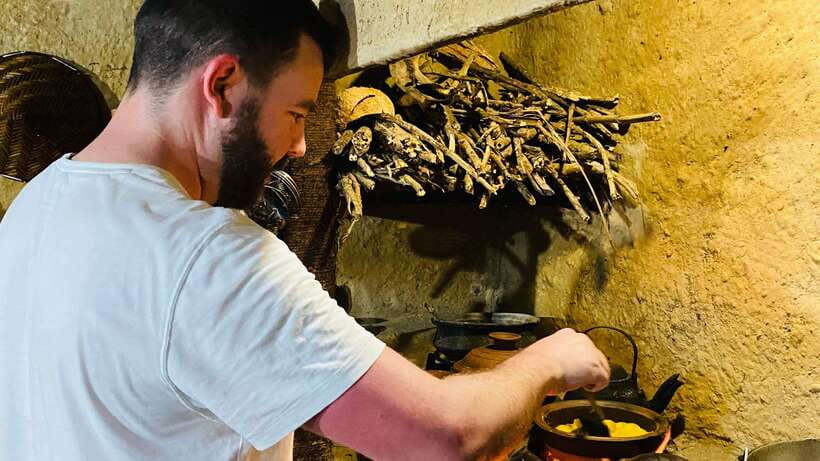
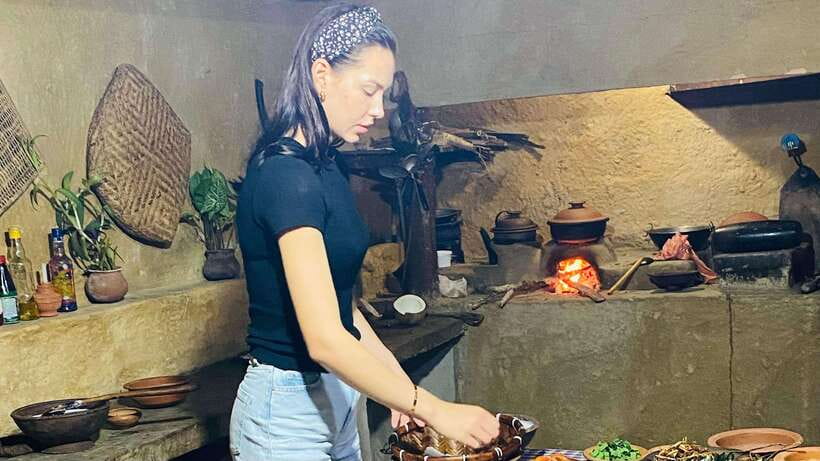
The setting is part of the appeal. You are cooking in a traditional Sri Lankan home kitchen rather than a polished culinary school. That means the surroundings may feel simple and practical, but it also gives you a closer look at how these dishes are prepared in a local household.
Madhu and her family welcome participants into the home, and children have been warmly included. This is a good choice for a family or a small group of friends that wants a shared activity. You should expect a social cooking session rather than a quiet, formal demonstration.
Before the cooking begins, you may learn a few Sri Lankan phrases. The class is conducted in English, so you do not need local language skills, but even a couple of phrases can make the interaction more personal and fun.
Cooking several dishes as a team
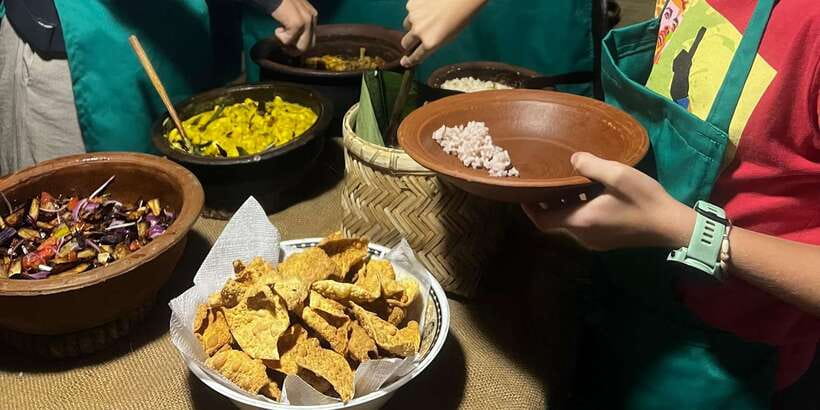
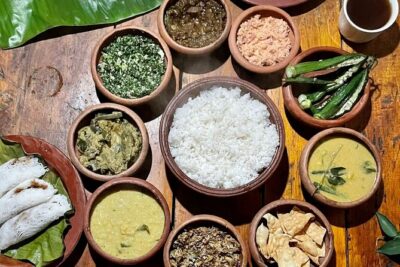
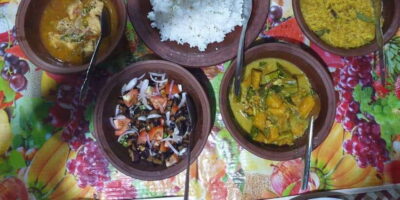
The main lesson focuses on traditional Sri Lankan food, including fragrant rice dishes, curries, coconut sambol, and side dishes. The advertised meal includes seven vegetable curries, fish or chicken curry, coconut sambol, and dessert. The exact combination can depend on the ingredients selected and the needs of the group.
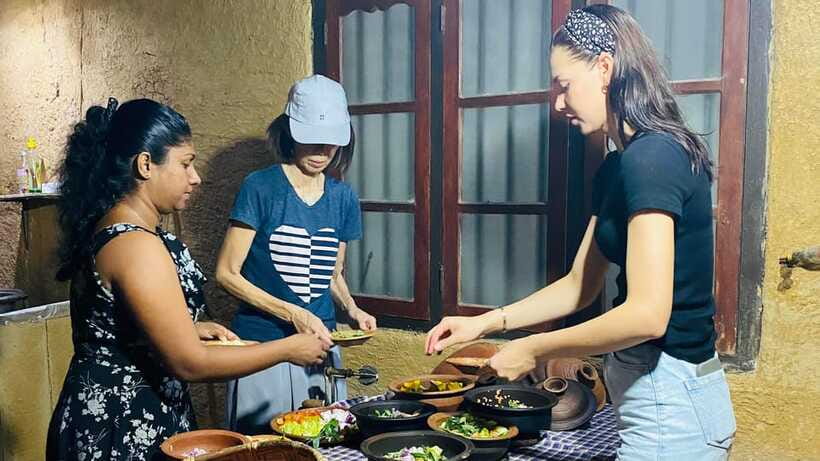
One of the best features is the way the work is shared. Each person contributes to several dishes instead of making one separate plate from start to finish. You might help prepare vegetables, work with spices, assist with a curry, or take part in making a side dish. This gives you a wider view of Sri Lankan cooking and lets you taste more of the final meal.
One group cooked 11 traditional dishes, while another selected mainly unfamiliar vegetables. These details suggest that the menu can be generous and flexible, but the number of dishes should not be treated as a fixed promise. At $40, the chance to learn several recipes in one session is strong value, especially when the ingredients and equipment are included.
Madhu explains the purpose of the ingredients and the techniques used. You can ask about spices, cooking methods, and how to adapt the food at home. Her patient teaching style is particularly useful if you are new to Sri Lankan cooking, since the meal can otherwise seem difficult to recreate after you return home.
The pace may be lively. Three hours includes transport, shopping, preparation, cooking, and eating, so you are unlikely to receive a long technical lecture about every spice. If you want to take careful notes, ask questions as you go and use the included recipes as your main reference later.
Why coconut milk and fresh ingredients matter
Several especially appealing details make this class more than a basic curry lesson. Participants have worked with vegetables and fish bought at the market, while coconut milk and spices have been prepared at home. These steps help you understand the difference between cooking with fresh local ingredients and simply opening a packaged sauce.
Coconut plays a central part in many Sri Lankan meals. Here, homemade coconut milk gives you a chance to see how an everyday local ingredient is used in curries and side dishes. You may not reproduce every step at home, depending on what is available in your kitchen, but the lesson gives you a clearer idea of the flavor and texture the recipes are aiming for.
The dish selection also allows contrast. Vegetable curries, fish or chicken curry, coconut sambol, rice, and dessert bring different levels of heat, richness, sweetness, and freshness to the table. The point is not one grand dish. It is learning how the parts work together as a complete Sri Lankan meal.
If you do not eat meat, vegetarian participation is specifically supported. One vegetarian participant received careful attention throughout the class. If you have a strict dietary requirement, communicate it ahead of time so the host can plan the ingredients and cooking process appropriately.
Same base, a completely different day:
- Whales and Dolphins Watching-Luxury Super Grade Cruiser(Hotel Pick up offered)
★ 5.0 · 1,268 reviews - Galle: Traditional Gems & Jewellery Workshop with Transfers
★ 4.9 · 539 reviews - Galle Fort Walking tour
★ 4.9 · 285 reviews - Snorkeling with Turtles in Mirissa
★ 5.0 · 268 reviews
Sitting down to the finished meal
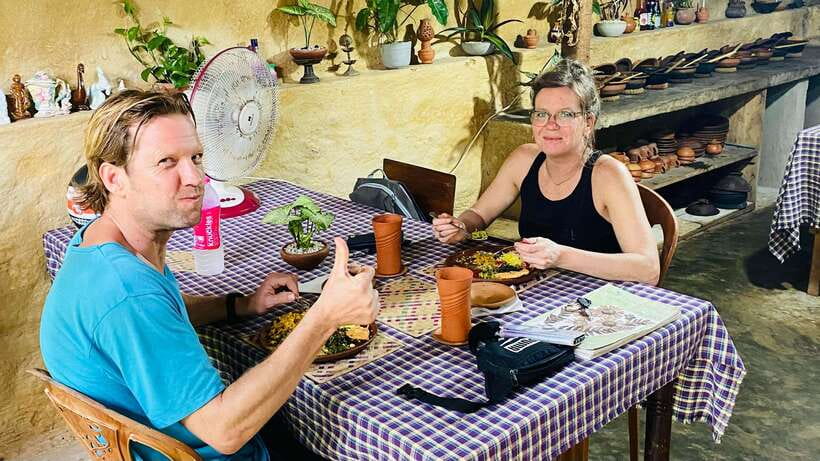
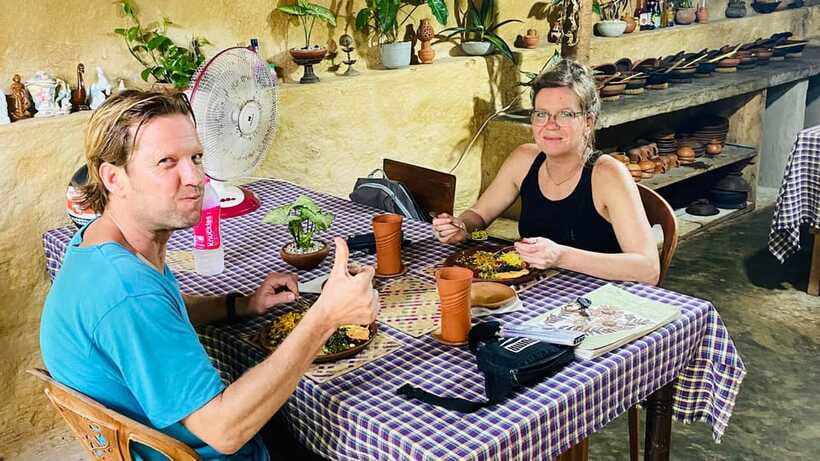
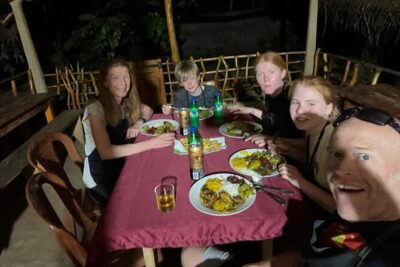
Once the cooking is done, you sit down with the group and eat the food you helped prepare. The final meal includes side dishes and water, and a dessert is part of the advertised menu. This shared table is where the class pays off: you can compare the different curries and see how the separate preparations form one meal.
The portions appear generous. One group described cooking a large number of dishes, and another called the finished meal the best food of their Sri Lankan trip. You should still keep expectations sensible, since menus can change with the market and group preferences.
The meal also gives you time to ask follow-up questions. If a curry tastes hotter than expected or a side dish is new to you, Madhu can explain its ingredients and role in the meal. This informal conversation is one reason the home setting works better than a quick restaurant meal for learning about food.
The class includes recipes, so you leave with something practical rather than only a pleasant memory. Write down any substitutions you discuss, particularly if you live somewhere without the same vegetables, fresh coconuts, or local spices.
What the $40 price includes
At $40 per person, this is priced as a full half-day food experience rather than simply a cooking lesson. The package includes:
- Hotel pickup and drop-off
- A local market tour
- A welcome drink
- An English-speaking professional chef
- Ingredients and cooking equipment
- The cooked meal with side dishes
- Water
- Dessert
- Recipes
- Photo and video service
That list makes the price reasonable for visitors who would otherwise pay separately for transport, a market walk, a meal, and a class. The strongest value comes from the combination of activities. You are not just watching someone cook, and you are not only eating lunch. You are shopping, preparing, learning, and dining in one three-hour visit.
The main limitation is time. A small group of up to 10 people is manageable, but a full group can make hands-on participation less even. The shared approach helps, since everyone works on different parts of the meal, but you may need to speak up if you want to handle a particular step.
Free cancellation up to 24 hours before the activity and reserve-now, pay-later booking add useful flexibility. Wheelchair accessibility is also listed, though you should confirm that the pickup vehicle and every part of the home setting meet your personal access needs before booking.
Who will enjoy this class most
I would choose this for you if food is one of the main ways you like to understand a place. The class gives you market contact, a family setting, practical cooking, and a substantial meal in a short window.
It suits:
- Couples who want a local activity beyond the sights
- Families with children
- Groups of friends who enjoy cooking together
- Vegetarians looking for a flexible meal
- Beginners who want clear guidance
- Experienced home cooks interested in Sri Lankan methods
- Anyone who wants recipes to use after the trip
It may be less suitable if you want a quiet, private lesson or a highly technical cooking school with exact measurements and extended instruction. The experience is social and shared. You will contribute to many dishes, rather than receive a private workstation and full control of one recipe.
It is also worth checking the starting time before committing to other plans. The activity lasts three hours, but availability depends on the date. Since it includes pickup, a market visit, and a meal, leave extra space around the scheduled period rather than squeezing it between two fixed appointments.
Practical booking advice for Galle
Tell Madhu about dietary needs when you book or before pickup. Vegetarian cooking has been handled with care, and the market lets the group select ingredients, but early notice gives the host more room to plan.
Wear clothes that are comfortable for cooking and easy to move in. The class is hands-on, and you will be working in a home kitchen rather than sitting through a demonstration. Bring your appetite, but do not expect the food to be mild unless you ask about spice levels.
If you are staying outside the immediate Galle area, confirm the pickup zone before booking. The experience is described as a Galle activity, while the cooking takes place in Kotapola. Included pickup makes the route convenient, but the exact travel time is not provided.
The photo and video service is a nice extra for families and groups. Still, if you want pictures of a particular stage, ask at the time. The cooking itself should remain your main focus.
Should you book the Galle cooking class?
Yes, if you want a friendly, hands-on introduction to Sri Lankan food and prefer a family home to a formal cooking studio. Madhu’s teaching, the market shopping, the shared preparation, and the full meal give you several ways to connect with local cooking for $40.
Book with a little caution if you need a private lesson, a fixed menu, or exact control over every dish. The menu can respond to the market and the group, and the three-hour schedule is full. For most visitors, though, that shared and flexible format is the point. You leave with recipes, a better sense of Sri Lankan ingredients, and a meal you helped make from the first market stop to the last spoonful.
FAQ
Where does the cooking class take place?
The experience includes a local market visit in Galle, followed by cooking at Madhu’s family home in Kotapola.
How long does the experience last?
The cooking class and market experience last three hours.
What is included in the price?
The $40 price includes hotel pickup and drop-off, the market tour, a welcome drink, an English-speaking professional chef, ingredients, equipment, the meal with side dishes, water, photo and video service, and recipes.
Is hotel transportation included?
Yes. Hotel pickup and drop-off are included.
What food will I cook?
The advertised meal includes seven vegetable curries, fish or chicken curry, coconut sambol, side dishes, and dessert. The exact menu can depend on the ingredients selected and the group.
Is the class suitable for vegetarians?
Yes. Vegetarian needs have been accommodated during the class. Tell the host about your dietary needs in advance.
Is the class taught in English?
Yes. The instructor language is English.
How many people can join?
The activity is a small-group experience limited to 10 participants.
Is the activity wheelchair accessible?
Yes. The activity is listed as wheelchair accessible.
Can I cancel or pay later?
You can cancel up to 24 hours in advance for a full refund. Reserve-now, pay-later booking is also available.
Just added around Galle
- Bentota: All Inclusive Galle Dutch Fort & Madu River Safari★ 4.2 · 6 reviews
- Mirissa/Weligama/Galle/Tangalle: Drop to Ella & Yala Safari★ 4.8 · 27 reviews
- Sinharaja Rainforest Private & Customize Tour★ 4.6 · 38 reviews
- Sinharaja Rainforest Private Half Day Tour with Licensed Guide★ 5.0 · 39 reviews
- Surf lesson in weligama by surf and stay Srilanka .★ 5.0 · 95 reviews
- GO WILD! Double Safari Day Trip (Yala & Udawalawe) – Private & All Inclusive★ 5.0 · 23 reviews
- Galle : Traditional Jewellery making workshop★ 4.9 · 34 reviews
- Scuba Diving in Mirissa★ 5.0 · 12 reviews
Cooking Classes, compared.
Organic cooking class sigiriya (kumara & family)
Read our review →
Sri Lankan Cooking Class with Neranji at Homestay
Read our review →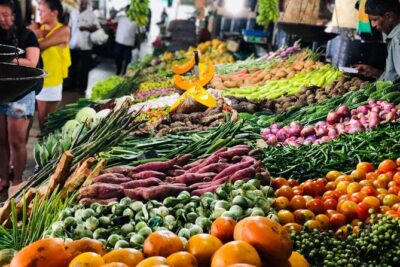
Browse the lists this tour appears in