
Reviewed · COOKING CLASSES
Galle: Traditional Sri Lankan Cooking Class
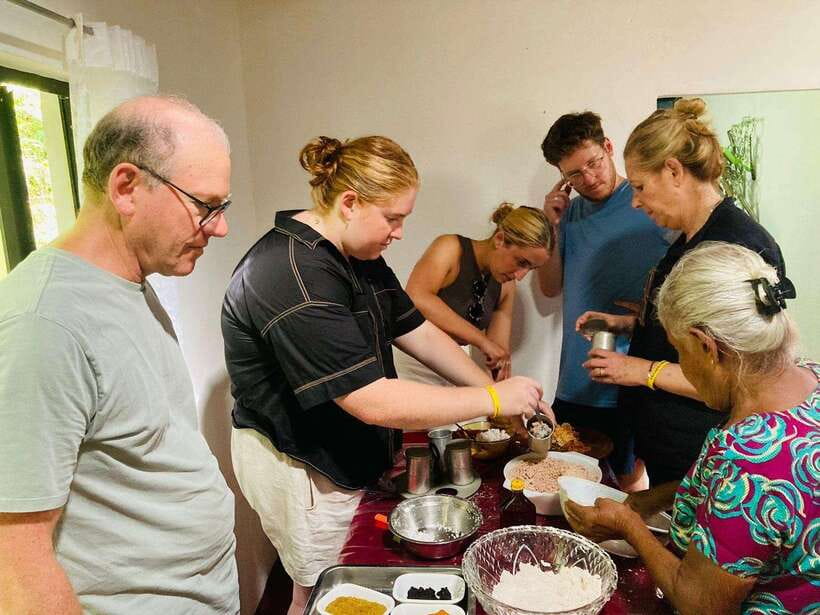
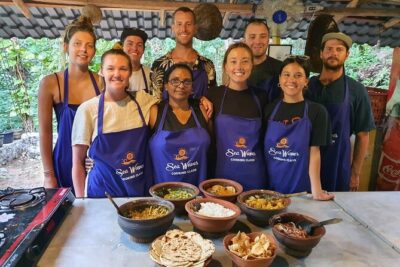
Sri Lankan cooking is best understood beside the people who make it every day, and this three-hour family kitchen class puts you in that setting rather than a polished cooking studio. You may work with Malik, his mother, or Chef Manogi, helping prepare several dishes, mixing spices, and sharing the finished meal at home.
I like the warm welcome, which can include fresh watermelon juice, and I like the chance to request a vegan menu. The class also gives you something useful to take home: a better feel for spice blends, local produce, and the way a Sri Lankan meal comes together.
One point needs clear attention: this is not necessarily a slow, step-by-step class where you cook every dish alone. You may chop, season, shop, and assist while the main cook handles much of the work, so serious hands-on students should confirm expectations before booking.
Key things to know before you book
- A real family kitchen: You cook and eat in a local home, not a purpose-built demonstration room.
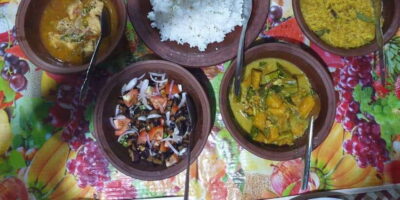
- Several dishes in three hours: One session included eight vegan dishes prepared with fresh local ingredients.
- Hosts with a personal touch: Malik, his mother, and Chef Manogi are among the local hosts named for this experience.
- A full meal is included: Your cooking ends with lunch or dinner, followed by dessert such as buffalo curd with treacle.
- Private and flexible: The class is for a private group, with an English-speaking instructor and wheelchair access.
- Bring an appetite: The food forms a substantial part of the experience, so skip a large meal beforehand.
A family kitchen instead of a cooking studio
The first thing that shapes this activity is its setting. You are not being placed at a numbered workstation in a commercial school. You enter a local family home and work in the kitchen where the hosts prepare food in their normal surroundings.
That matters because the class is as much about daily life and hospitality as it is about recipes. You see the tools, pace, and methods used by a local family. The atmosphere is likely to feel informal, and the hosts can talk about food in a way that connects it to home life and local customs.
The setting also means you should arrive with a little flexibility. A home kitchen does not always follow the tidy rhythm of a professional lesson. You may be asked to help with one task while the cook moves ahead with another. That can feel less structured than a formal culinary school, but it is also part of the appeal.
Several names appear in the experience details. Malik and his mother have hosted couples in their own kitchen, while Chef Manogi is praised for leading an enjoyable session. The exact host may vary, but you can expect an English-speaking local guide rather than a recorded demonstration.
Other cooking classes around Galle:
- Sea waves sri lankan cooking class
★ 5.0 · 467 reviews - Cook with Wasantha
★ 5.0 · 248 reviews - Galle Unawatuna Cooking Class
★ 5.0 · 142 reviews
What happens during the three hours
The session lasts three hours, with starting times available according to the date you choose. You are asked to arrive 15 minutes early, which is sensible because finding the home may take a little attention.
The meeting point is in Kotapola, listed as the Galle area. If you use the map, finding the place is described as easier. If you have trouble, an English-speaking local can give directions by phone. Since no hotel pickup or drop-off is included, you need to arrange your own way there and allow extra time for the final approach.
Once you arrive, the class begins with a welcome drink. Fresh watermelon juice has been served to one participant, and that small gesture sets the tone. You are being received as a visitor in someone’s home, not simply checked into an activity.
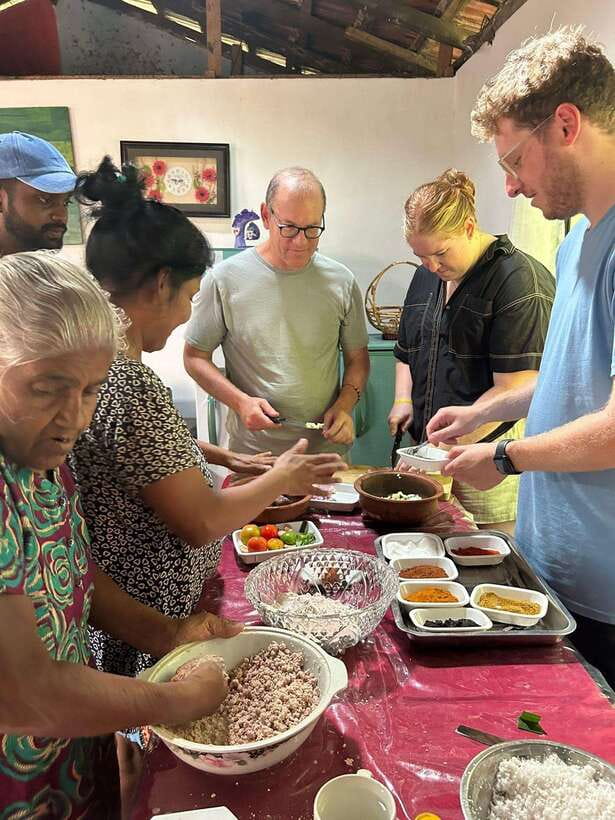
The exact sequence can change, but the work generally involves preparing ingredients, cutting vegetables, adding spices, and helping the cook bring the dishes together. You may also take part in shopping, according to the details provided by one participant. The emphasis is on participation and explanation rather than on every person independently completing every recipe.
A session arranged as a vegan menu included eight different dishes. That gives you a sense of the variety possible in three hours, though the number and type of dishes may depend on the menu and dietary requests. Ask ahead if there are particular foods you hope to prepare.
The spice work is the heart of the lesson
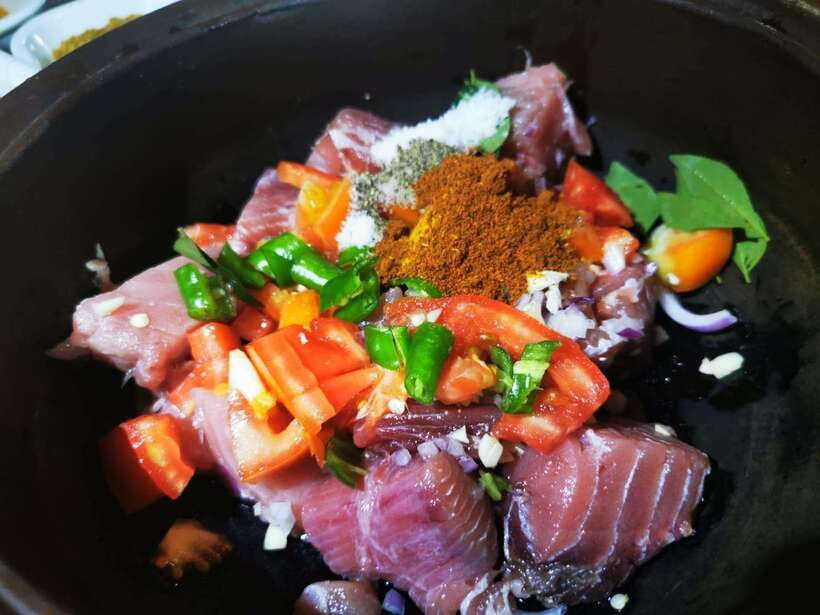
Sri Lankan food can look simple on the plate, but the flavor often comes from how spices are combined and handled. This class gives you a chance to learn about spice mixes and ingredient use, rather than simply eating a finished curry.
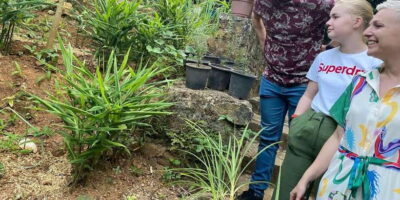
You may see how aromatic spices are selected, combined, or added at different points in cooking. The hosts also explain the background and cultural role of ingredients, from spices to tropical vegetables. That information helps you understand why a dish tastes the way it does and what makes Sri Lankan cooking different from a generic curry meal.
You should not expect a written cookbook or a formal lecture unless the host specifically provides one. The value is in watching, asking questions, and taking part. Pay close attention when spices are measured or mixed, since those are the practical details easiest to forget later.
The class is especially useful if you have eaten Sri Lankan food but have never learned how the flavors are built. You will leave with a clearer idea of how vegetables, seasoning, and spice blends work together. Even if you do not recreate eight dishes at home, you can use the techniques when preparing your own meals.
How hands-on is the cooking?
This is the most important point to understand before paying the $40 fee. The class is hands-on, but it is not presented as a fully independent cooking course. You may assist with cutting, shopping, and adding spices while the principal cook manages the main preparation.
For some people, that is exactly right. You can ask questions, avoid the pressure of getting every dish perfect, and spend more time talking with the family. It also lets you enjoy a broad menu within a short three-hour visit.
For others, especially confident home cooks, the format may feel too guided. If you want to prepare each dish from start to finish, one at a time, this may not meet your goal. I would contact the provider before booking and ask how much of the cooking you will personally do.
The class works best when you treat it as a shared household cooking session, not a technical examination. You are there to learn local methods, help with the meal, and enjoy the company. The cooking is practical, but the social side is equally important.
Same base, a completely different day:
- Whales and Dolphins Watching-Luxury Super Grade Cruiser(Hotel Pick up offered)
★ 5.0 · 1,268 reviews - Galle: Traditional Gems & Jewellery Workshop with Transfers
★ 4.9 · 539 reviews - Galle Fort Walking tour
★ 4.9 · 285 reviews - Snorkeling with Turtles in Mirissa
★ 5.0 · 268 reviews
Sitting down to the Sri Lankan meal
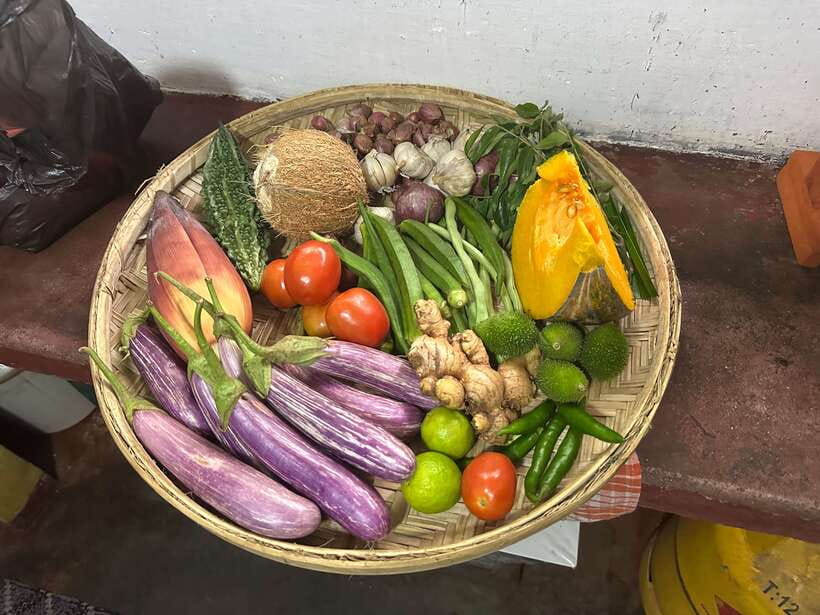
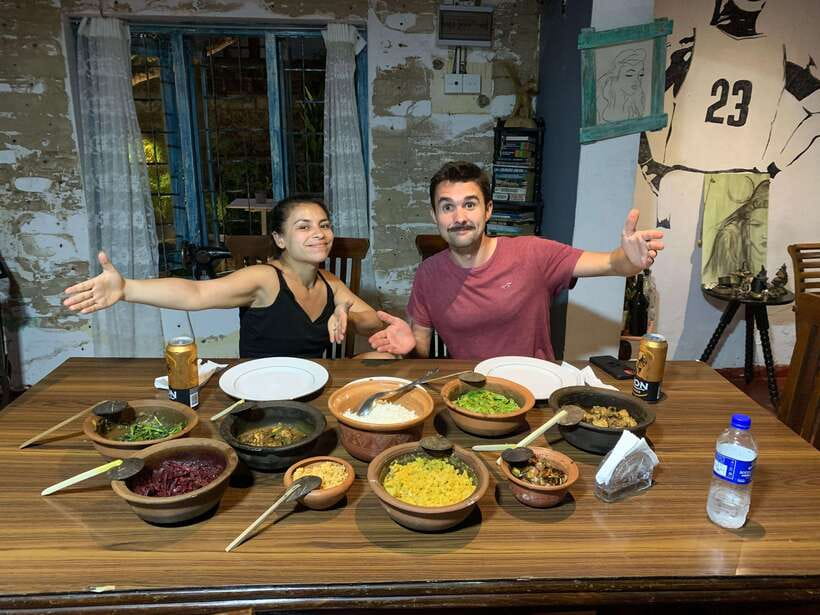
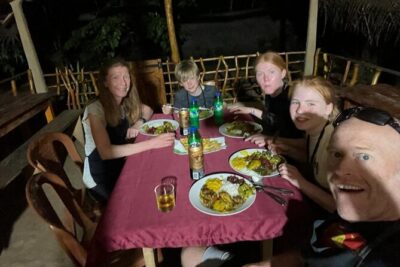
The prepared food is not just a sample at the end. Lunch or dinner is included, along with dessert, so the session finishes around a shared meal. That makes the $40 price easier to assess: you are paying for the instruction, ingredients, equipment, welcome drink, a private local experience, and a complete meal.
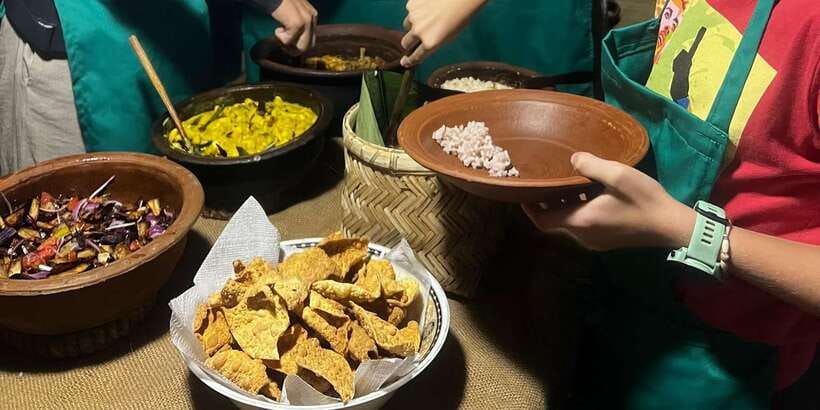
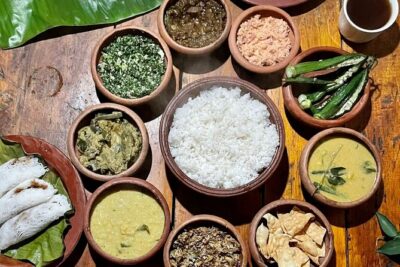
The food has received particularly strong praise. One session produced eight vegan dishes from fresh local ingredients, while another ended with buffalo curd and treacle. Those details suggest a meal with more range than a single curry and rice plate, though your exact menu will depend on what you request and what the host prepares.
Come hungry. A substantial Sri Lankan spread can include many small portions and side dishes, and the food is part of the central experience rather than an afterthought. I would avoid eating a large breakfast or lunch beforehand, especially if your class begins near mealtime.
Dessert is included, but the specific sweet is not guaranteed. Buffalo curd with treacle has been served, and it is worth asking about if that combination interests you. The class information does not promise a fixed dessert menu.
Dietary requests and menu choices
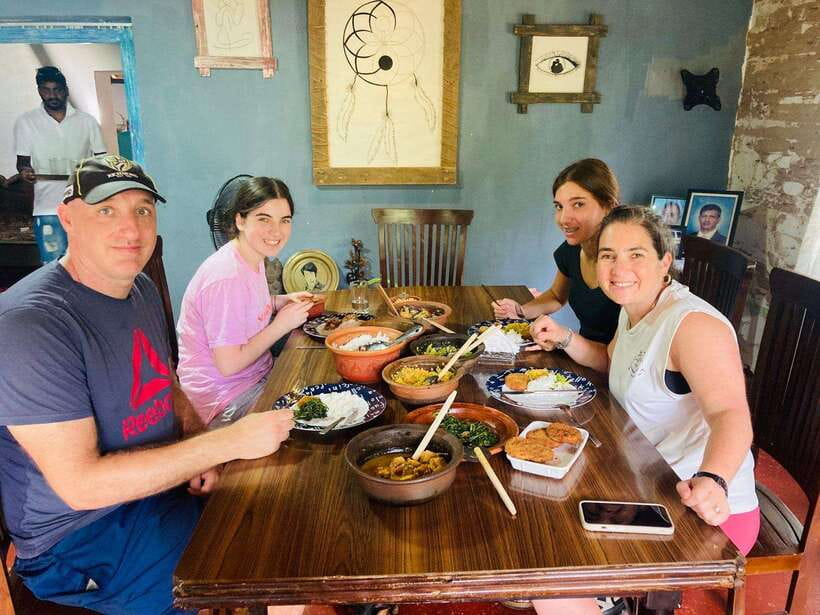
You should notify the provider in advance about allergies or dietary restrictions. Vegan cooking has been arranged successfully, including a menu of eight dishes, so plant-based eaters have a good reason to consider this activity.
Still, do not wait until you arrive to explain a serious allergy. The kitchen is a family home, and the provider needs time to plan ingredients and avoid unwanted items. Send clear information before the session and repeat it when you arrive.
The menu may also be a good fit for curious eaters who want to try foods beyond the dishes served in hotel restaurants. Since the cooking uses fresh local ingredients and traditional methods, you can ask what each item is and how it is normally eaten.
If you are a picky eater, you may have less control than in a restaurant. The experience is based on local cooking, so some dishes may be unfamiliar. A private booking gives you a better chance to discuss preferences, but it does not mean every part of the meal can be customized.
What makes the cultural side worthwhile
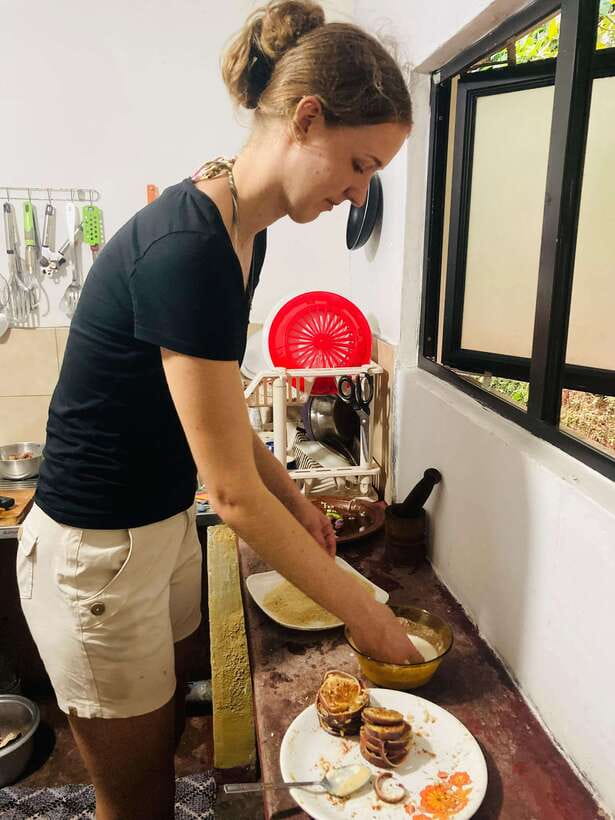
A cooking class can easily become a recipe demonstration with a meal attached. This one has more value because you spend time with a local family in their own space. Conversations about ingredients can lead naturally to broader details about Sri Lankan food and culture.
The family atmosphere is a major reason to choose it. Hosts have welcomed people with drinks, shared their kitchen, and explained the food with obvious care. Malik and his mother have been described as especially warm, while Chef Manogi has been praised for her cooking and friendly manner.
I would choose this activity if you want a personal encounter without signing up for a long formal tour. Three hours is enough time to cook, eat, and talk, yet short enough to fit around other plans in the Galle area.
The private-group format also helps. You are not placed in a large class with strangers competing for a chopping board. You can ask questions at your own pace and discuss a menu that suits your group. The available information does not state the maximum group size, so ask if that affects your decision.
Price, timing, and practical value
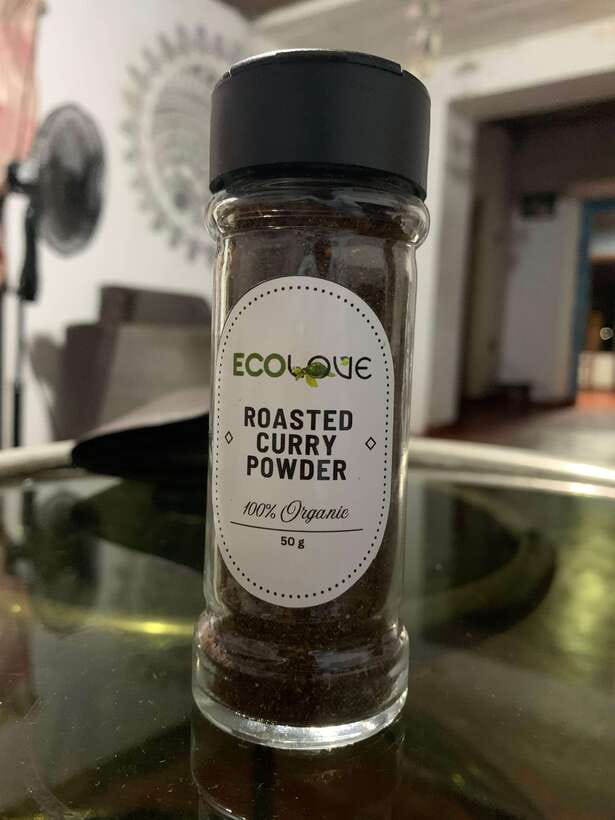
At $40 per person, this is not the cheapest way to get a meal in Sri Lanka. It can still be good value if you want more than lunch. The fee includes the local culinary expert, ingredients, cooking equipment, welcome drink, prepared meal, and desserts.
The strongest value comes from the combination of food and access. You are paying for time in a family home, guided preparation, conversation, and a meal made during the session. If you only want to eat, a restaurant will cost less and require less time. If you want to understand the cooking and meet local hosts, the comparison changes.
The three-hour length is well judged for most people. A shorter class might feel rushed, while a much longer session could become tiring if the main cook does most of the work. Arrive 15 minutes early, wear comfortable clothing and shoes suitable for cooking, and avoid clothes you would worry about splashing with food.
There is no hotel pickup or drop-off. You need to reach the meeting point yourself, and the location details emphasize using the map or calling for directions. Since the experience is listed in Kotapola while described as a Galle activity, confirm the exact meeting point and travel time before finalizing your plans.
The experience is wheelchair accessible, which is useful information for guests who need step-free arrangements. You should still discuss any specific mobility needs with the provider in advance, since the class takes place in a private home.
Free cancellation is available up to 24 hours before the session for a full refund. You can also reserve now and pay later, which helps if your Sri Lanka itinerary is still taking shape.
Who should book this class?
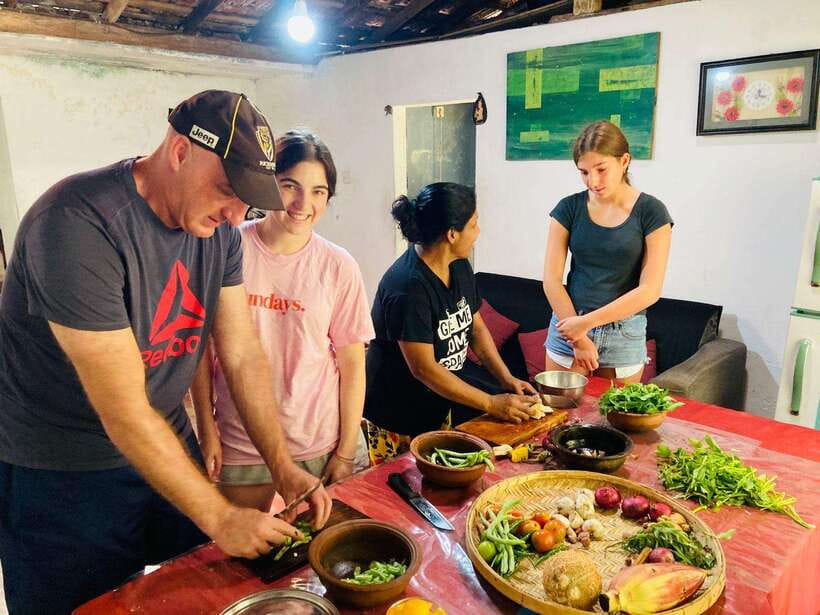
I would recommend it to food lovers, couples, families, and solo visitors who want a friendly local encounter rather than a polished tourist production. It is also a strong choice for vegetarians and vegans, provided you arrange the menu in advance.
You will get the most from the class if you enjoy asking questions and taking part without needing complete control. The hosts do much of the cooking, so your attitude matters. Come ready to chop, season, watch closely, and eat well.
I would be more cautious if your main goal is professional culinary training. The session is short, the format is informal, and the cook may handle the most technical parts. You may learn plenty, but it is not designed as a chef certification course or a recipe-by-recipe masterclass.
It also may not suit anyone who dislikes unfamiliar food, family-home settings, or flexible timing. The charm comes partly from the fact that it feels personal and domestic. That same quality means it may not have the polished order of a commercial cooking school.
Should you book the Galle cooking class?
Book it if you want to eat a real Sri Lankan meal, spend time with a welcoming family, and learn how spices and local ingredients are used. The fresh food, generous meal, dessert, and personal setting make the $40 fee reasonable for a three-hour private experience.
Before booking, confirm the exact meeting point in Kotapola, explain any allergies, and ask how much hands-on cooking your group will do. If you accept that the host may handle the main cooking, this looks like a warm, tasty, and genuinely local addition to a Galle itinerary. If you need to cook every dish alone, choose a more formal school instead.
FAQ
Where does the cooking class take place?
The experience takes place in a local kitchen in Kotapola, Sri Lanka, and is presented as a Galle-area activity. Confirm the exact meeting point before you go.
How long does the activity last?
The cooking class lasts three hours. You should also arrive 15 minutes before the scheduled start.
What is included in the price?
The $40 price includes a local culinary expert, cooking ingredients, equipment, a welcome drink, lunch or dinner with the prepared meal, and desserts.
Is hotel pickup included?
No. Hotel pickup and drop-off are not included, so you must arrange your own transportation to the meeting point.
Can I request vegan food?
Yes. Vegan menus have been arranged, including a session with eight vegan dishes. Tell the provider about dietary needs or allergies in advance.
Is the class private?
Yes. The activity is listed as a private-group experience.
Is the class taught in English?
Yes. The instructor and local directions support are available in English.
What is the cancellation policy?
You can cancel up to 24 hours before the activity for a full refund. Reserve-now, pay-later booking is also available.
Just added around Galle
- Udawalawe National Park Safari Tour★ 4.7 · 3 reviews
- Galle Day Tour with Turtle Hatchery & River Boat Safari★ 5.0 · 4 reviews
- Adam’s Peak Night Hike Experience [One Day & ALL INCLUSIVE]★ 5.0 · 14 reviews
- Yala National Park Private Safari trip from Galle/Unawatuna/Mirissa★ 5.0 · 12 reviews
- Yala Safari Drive From Galle, Weligama, Mirissa & Dickwella★ 5.0 · 7 reviews
- Yala National Park Private Safari (All Inclusive) From Mirissa★ 4.5 · 4 reviews
- Whale Watching Experience in Mirissa★ 4.5 · 6 reviews
- Whale Watching Mirissa Ultimate Tour in Sri Lanka with Breakfast★ 4.5 · 6 reviews
Cooking Classes, compared.
Organic cooking class sigiriya (kumara & family)
Read our review →
Sri Lankan Cooking Class with Neranji at Homestay
Read our review →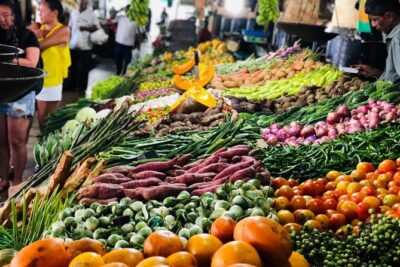
Browse the lists this tour appears in